

How to Choose the Right Electric Wheelchair: A Complete Buyer’s Guide for Everyday Independence?
Choosing the right electric wheelchair is one of the most important decisions you can make for your mobility, comfort, and long-term independence. With so many models, features, and price points available, it’s easy to feel overwhelmed. The truth is: there is no one-size-fits-all solution. The best electric wheelchair is the one that fits your lifestyle, your body, and your daily needs.
In this comprehensive guide, we’ll walk you through the key factors to consider before buying an electric wheelchair. Whether you’re a first-time user, upgrading from a manual chair, or looking for a more portable or powerful option, this guide will help you make a confident, informed decision.
1. Start With Your Lifestyle
The first and most important step is understanding how you plan to use your wheelchair in real life. Your daily routine should shape nearly every choice you make.
Ask yourself: - Will I mainly use my wheelchair indoors or outdoors? - Do I need it for daily errands, short trips, or longer outings? - Will I frequently load it into a car or take it on flights? - Do I live in an apartment, house, or assisted living environment?
Indoor vs. Outdoor Use
If your primary use is indoors — such as in apartments, homes, offices, or medical facilities — maneuverability and compact size matter more than raw power. You’ll want: - A smaller turning radius - A narrower frame for doorways and hallways - Lightweight construction for easy handling
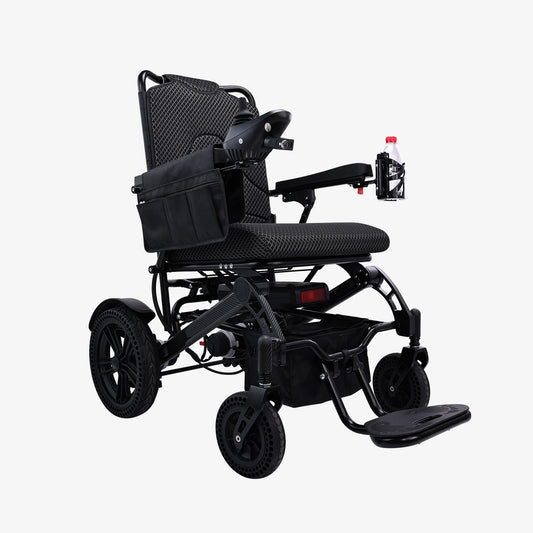
If you spend more time outdoors — sidewalks, parks, shopping areas, uneven pavement — versatility and stability become critical. Outdoor-focused users should prioritize: - Larger wheels - Stronger motors - Better suspension and traction - Higher weight capacity
Convenience vs. Versatility
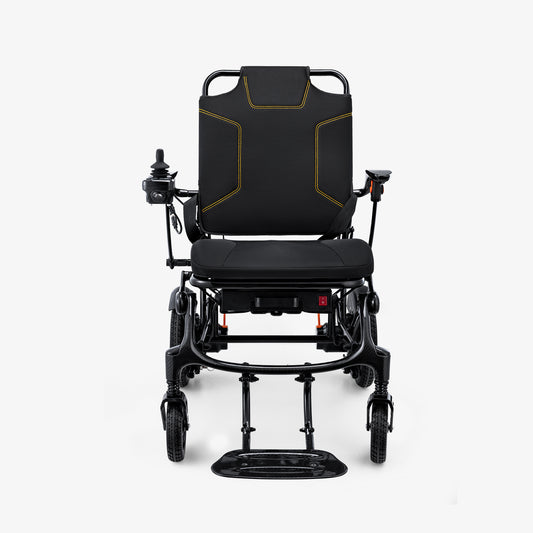
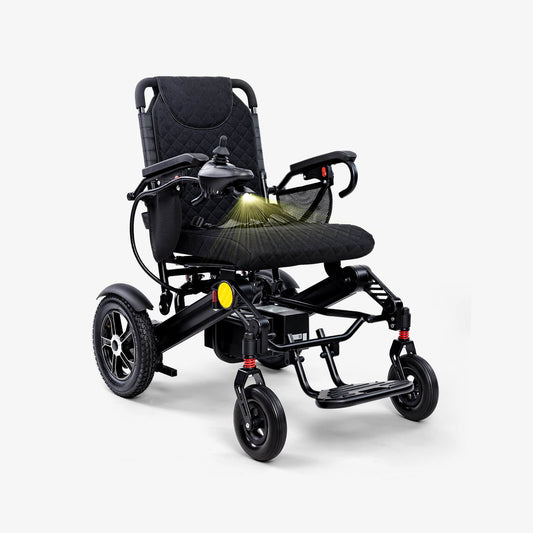
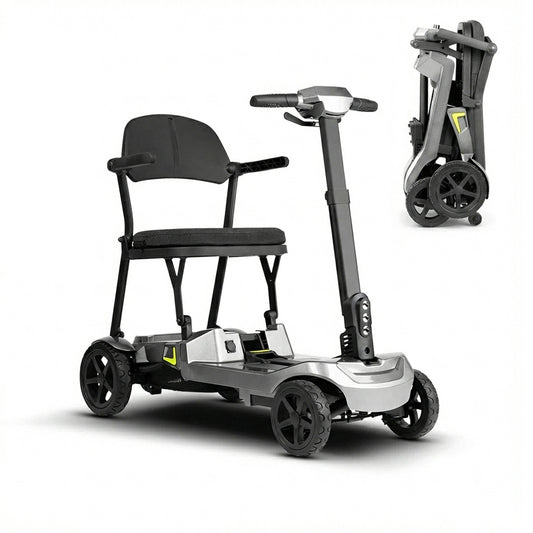
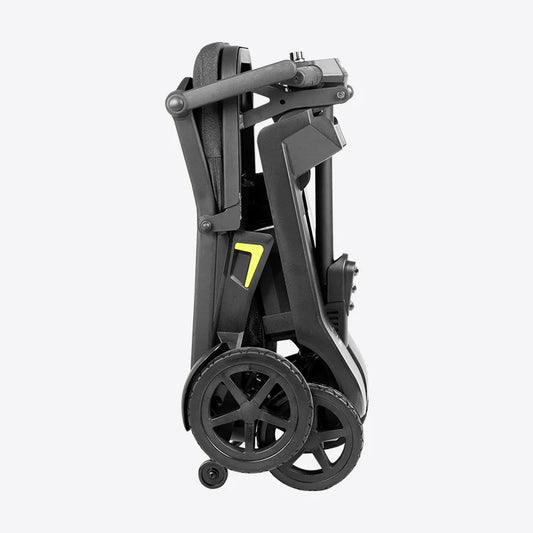
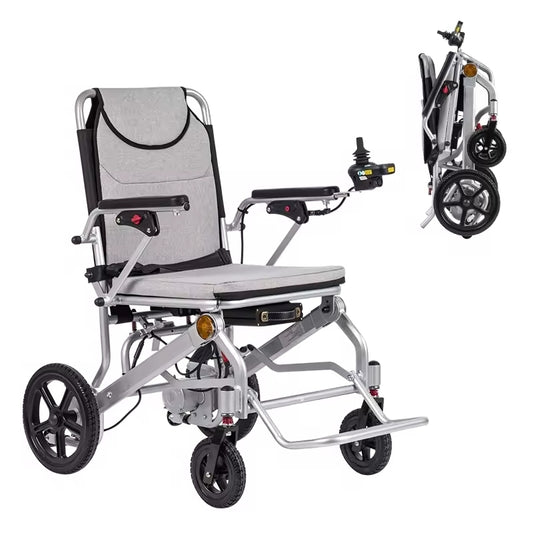
If convenience is your top priority, a lightweight, foldable electric wheelchair can dramatically simplify daily life. These models are easier to: - Store in closets or small spaces - Lift into a car trunk - Take on trips or visits
If you frequently visit different environments — from smooth indoor floors to uneven outdoor surfaces — versatility is more important. A slightly heavier, more powerful chair may offer better confidence and safety across different terrains.
2. Understand Your Body Needs
Every user is different. Your physical condition, strength, coordination, and comfort requirements play a crucial role in choosing the right wheelchair.
Important questions to consider: - Why do I need a wheelchair? - Can I operate a power wheelchair independently? - Do I have sufficient finger dexterity? - Can I clearly recognize controls and indicators? - Am I comfortable sensing and adjusting speed?
Your answers will help determine whether you need: - Simple, intuitive joystick controls - Adjustable sensitivity and speed settings - Extra support for posture and seating
3. Key Physical Factors to Consider
Body Weight and Weight Capacity
Your body weight directly affects how a wheelchair performs, especially on slopes, ramps, and outdoor surfaces.
Key points: - Many standard models support up to 250–350 lbs - Heavy-duty models can support 350 lbs or even up to 450 lbs
If you plan to use your wheelchair outdoors frequently or carry extra items, choosing a model with a higher weight capacity provides: - Better motor performance - Improved stability - Longer-term durability
Seat Width and Comfort
Seat size and comfort are often underestimated, but they directly impact posture, fatigue, and overall health.
Two dimensions that matter most: - Seat width - Seat depth
A proper fit: - Improves posture - Reduces pressure points - Minimizes fatigue during long sitting sessions
If you are taller, need additional posture support, or plan to sit for long periods, look for models that allow: - Add-on seat cushions - Adjustable backrests - Ergonomic seating options
Upper Body Strength & Control
Your upper body strength affects how easily you can: - Operate a joystick - Maneuver in tight spaces - Adjust speed and direction smoothly
If you have limited hand strength or coordination, prioritize: - Highly responsive joystick controls - Low-resistance control systems - Simple, clearly labeled interfaces
4. Portability Matters More Than You Think
Many users underestimate how important portability is — until they need to lift, store, or transport their wheelchair.
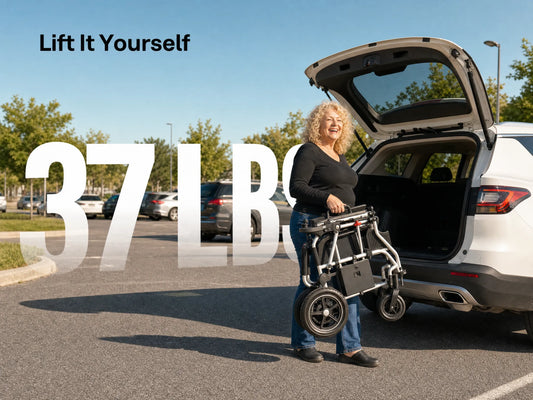
Ask yourself: - Will I load this into a car trunk by myself or with help? - Do I live in an apartment with limited storage space? - Do I travel frequently?
Why Foldable Designs Make a Big Difference
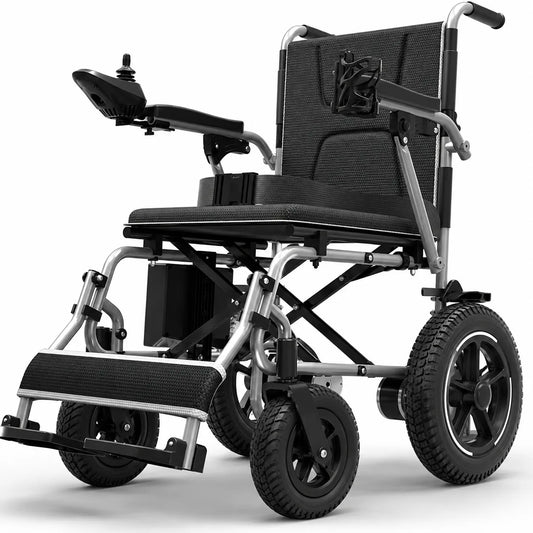
Foldable electric wheelchairs are designed to balance power and portability. They are ideal for users who: - Drive frequently - Travel with family - Need to store the chair in small spaces
Key portability factors to consider: - Folded dimensions - Overall weight - Ease of folding mechanism
These directly affect: - Daily convenience - Independence - Willingness to go out more often
A wheelchair that’s technically powerful but too heavy to move easily may limit your real-world mobility more than a slightly less powerful but portable model.
5. Power, Range, and Terrain: What Do You Really Need?
Not everyone needs the most powerful motor — but everyone needs enough power for their daily environment.
Consider: - How far you typically travel in one day - Whether you encounter slopes, ramps, or rough pavement - How often you are willing to recharge your battery
Power and Motor Strength
For daily outdoor use, stronger motors provide: - Better climbing ability - Improved stability on slopes - More confidence on uneven surfaces
If you regularly deal with: - Hills - Long ramps - Rough sidewalks
An all-terrain electric wheelchair is highly recommended.
Range and Battery Life
Battery range determines how far you can go on a single charge. Think about: - Daily errands - Doctor visits - Shopping trips - Outdoor leisure activities
If you frequently go on longer outings, a larger battery or extended range model will reduce anxiety and improve independence.
Compact Frames for Indoor Use
For indoor or short-distance use, lighter models with: - Compact frames - Smaller turning radius
Are often more than sufficient. These are ideal for: - Shopping malls - Restaurants - Narrow hallways - Elevators
Compact models make everyday navigation easier and less stressful.
6. Balance Budget With Long-Term Value
Electric wheelchairs come in a wide range of prices, but the cheapest option isn’t always the best value.
Instead of focusing only on upfront cost, think long-term: - Will this chair still meet my needs in a year? - Does it reduce physical strain? - Does it reduce reliance on caregivers? - Is it durable enough for regular use?
Typical Price Ranges and Use Cases
Here’s a general breakdown to help guide expectations:
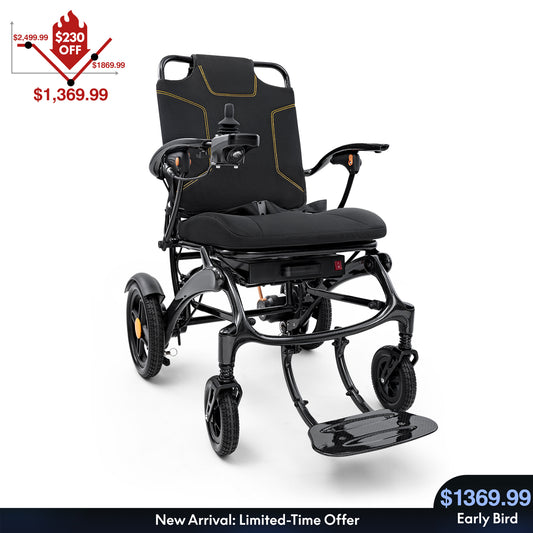
· Around $500-$800+ Compact design for easy transport and light daily use
Paying slightly more upfront for better materials, lighter weight, or stronger motors can often save money — and frustration — over time.
7. The Right Wheelchair Supports Independence
The right electric wheelchair should do more than move you from point A to point B.
It should: - Fit seamlessly into your daily routine - Reduce physical effort - Increase confidence to go out more - Support long-term independence
When your wheelchair matches your lifestyle and physical needs, it becomes a tool for freedom — not a limitation.
8. Plan for Changing Needs
Your mobility needs may change over time. Choosing thoughtfully now can make a big difference in your quality of life in the future.
Ask yourself: - Will my condition likely change? - Will I need more support later? - Can this model adapt with accessories or upgrades?
Planning ahead can help you avoid needing to replace your wheelchair sooner than expected.
Final Thoughts: Make a Confident, Informed Choice
Choosing an electric wheelchair is a deeply personal decision. By carefully considering your lifestyle, body needs, portability requirements, power needs, and long-term value, you can find a wheelchair that truly supports your independence.
At Kerdom, we believe the right mobility solution should empower you to live more freely, confidently, and comfortably — every single day.
If you’re still unsure which type of electric wheelchair is right for you, our team is always here to help you compare options and find the best match for your unique needs.
Your mobility matters. Choose thoughtfully — and invest in your independence.








No comments







0 comments