
Getting There Matters: Mobility, Work, and Making Room for Talent
October is National Disability Employment Awareness Month (NDEAM), a time to recognize the skills and contributions of people with disabilities in America’s workplaces. The 2026 theme, “Celebrating Value and Talent,” asks us to consider what helps people bring those talents to work every day.
At KERDOM, we think about one part of that question often: mobility. For a person who uses a power wheelchair, the workday may begin well before they reach their desk. The route from home, the entrance to a building, and the space between meetings can all shape how easily they participate.
The commute is part of the workday
A trip to work may involve sidewalks, curb ramps, parking, public transit, weather, and the distance between a drop-off point and the front door. A route that looks short on a map can be difficult if an entrance has steps, a sidewalk is blocked, or the accessible door is hard to find.
For someone using a power wheelchair, planning may also include checking the battery before leaving and allowing enough charge for the full trip home. Actual travel distance can vary with terrain, slopes, load, and conditions. Knowing the route and having a backup plan can make an ordinary workday more predictable.
Employers can help by looking at the journey from the employee’s point of view. Is the accessible entrance clearly identified? Can someone reach it from parking or transit? If construction changes the usual route, is there a usable alternative?
Access continues inside
Arriving at work is only the first step. Doorways, meeting rooms, workstations, restrooms, and shared spaces all affect whether a workplace is comfortable to use.
The most useful starting point is a conversation with the person who uses the space. A wheelchair user knows their own equipment, routines, and priorities. Asking what would help—and acting on the answer—works better than making assumptions.
That applies to workplace culture, too. Colleagues can ask before offering physical assistance, leave clear paths through shared areas, and include everyone when choosing where a meeting or team event will take place.
Mobility choices are personal
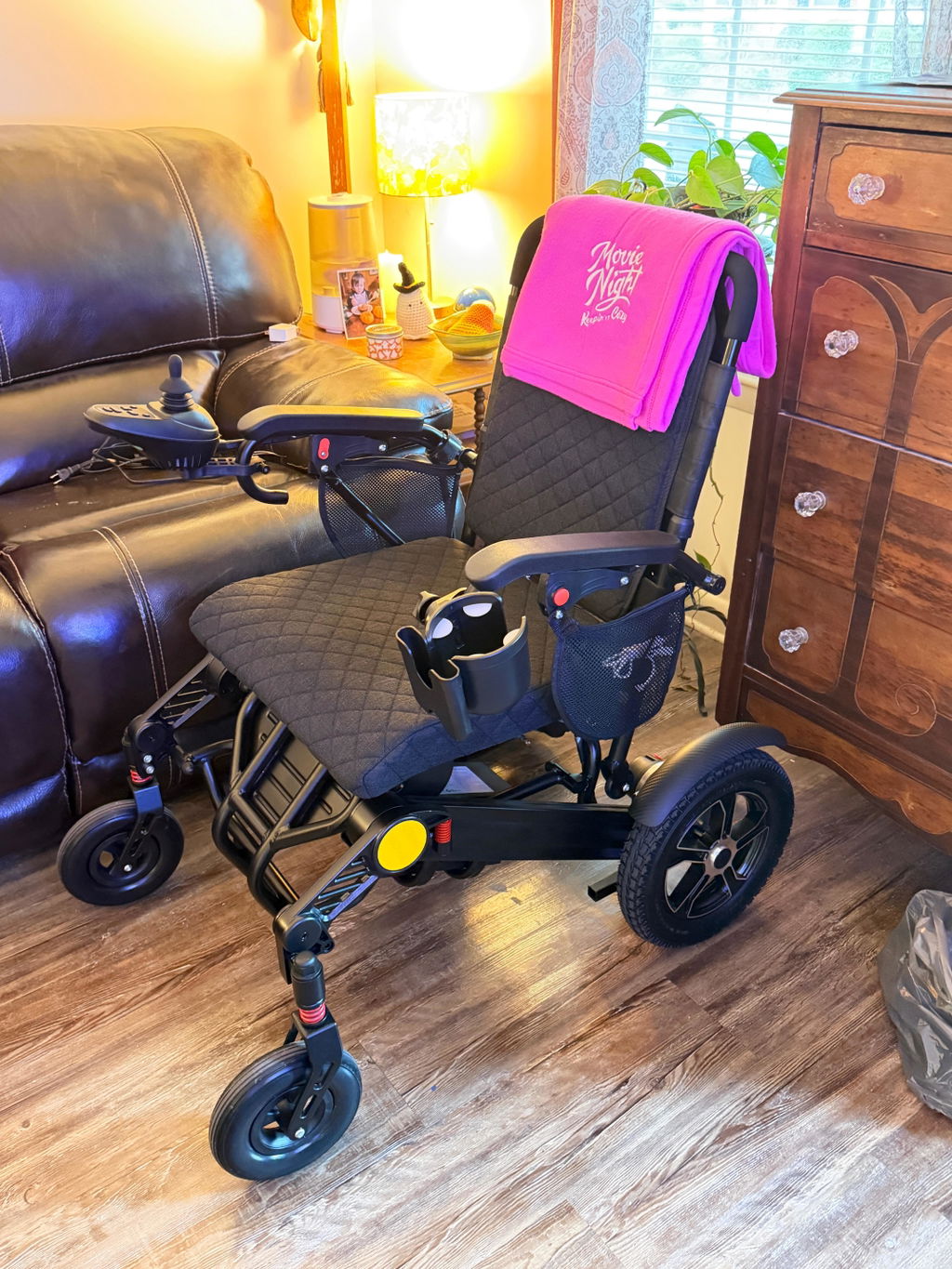
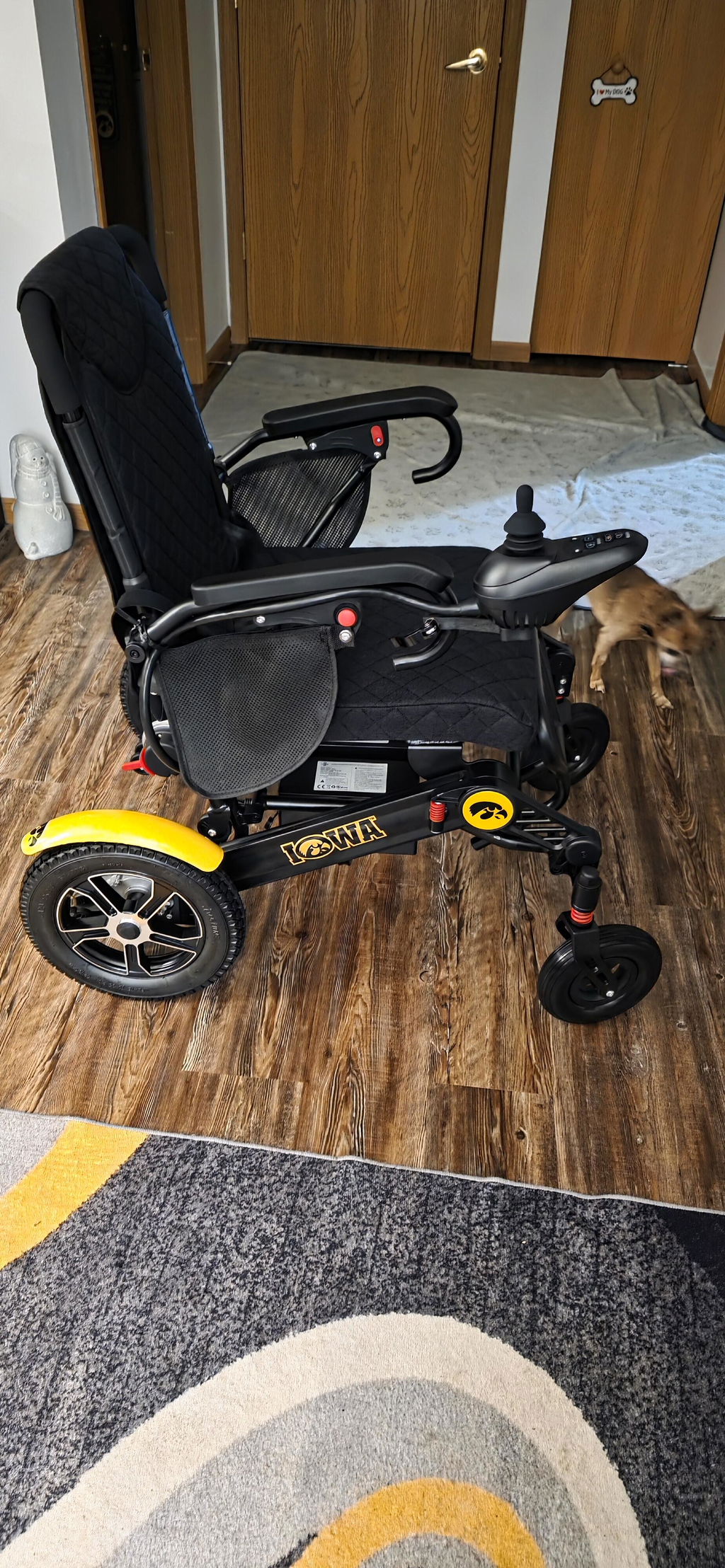
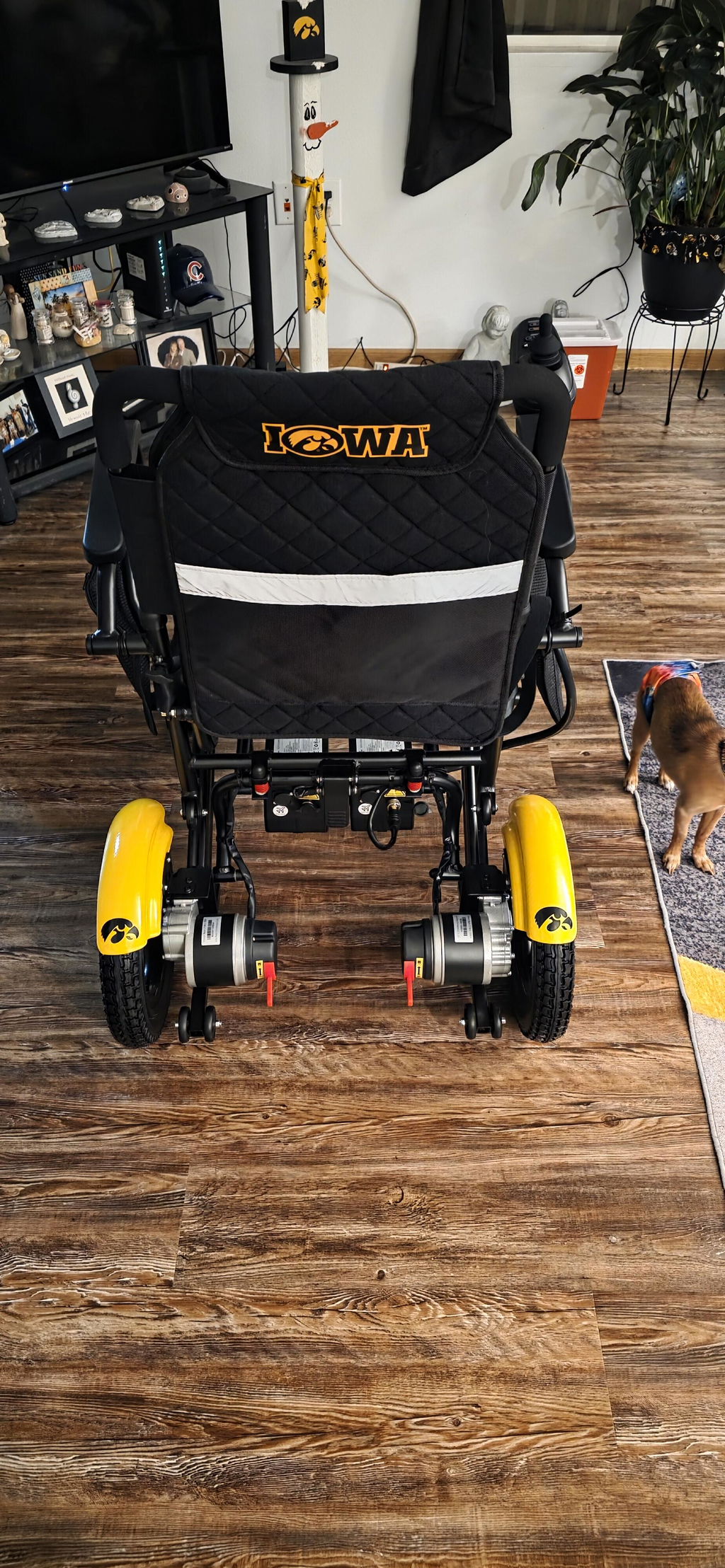
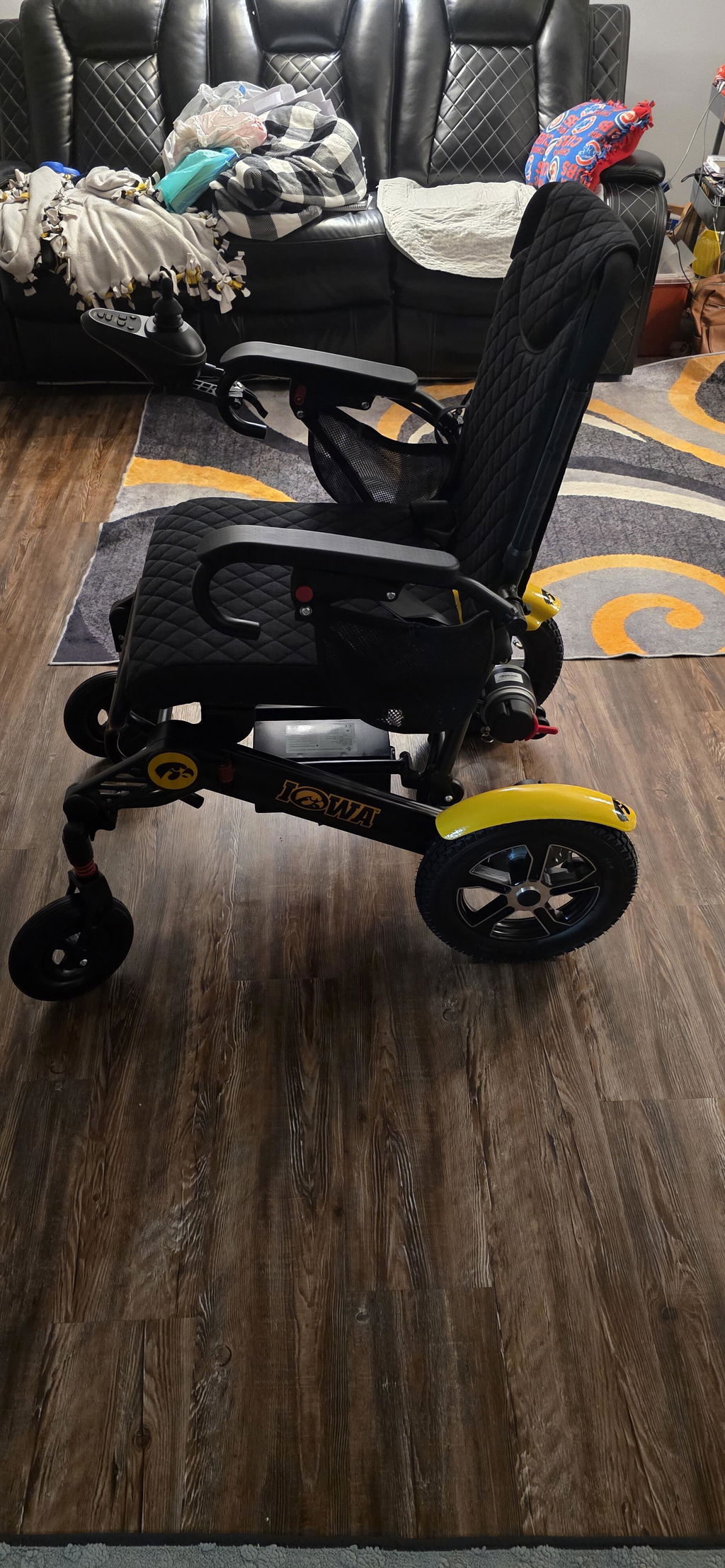
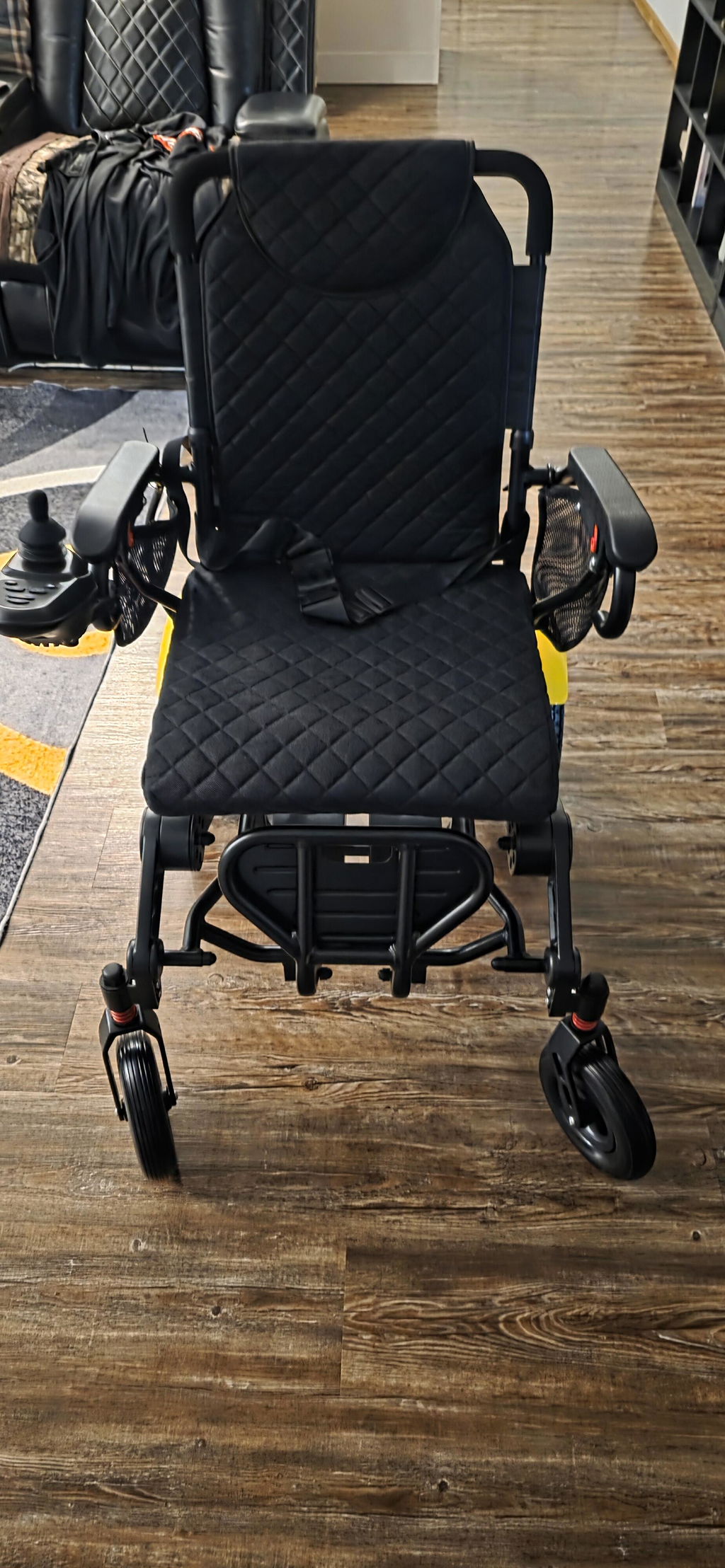
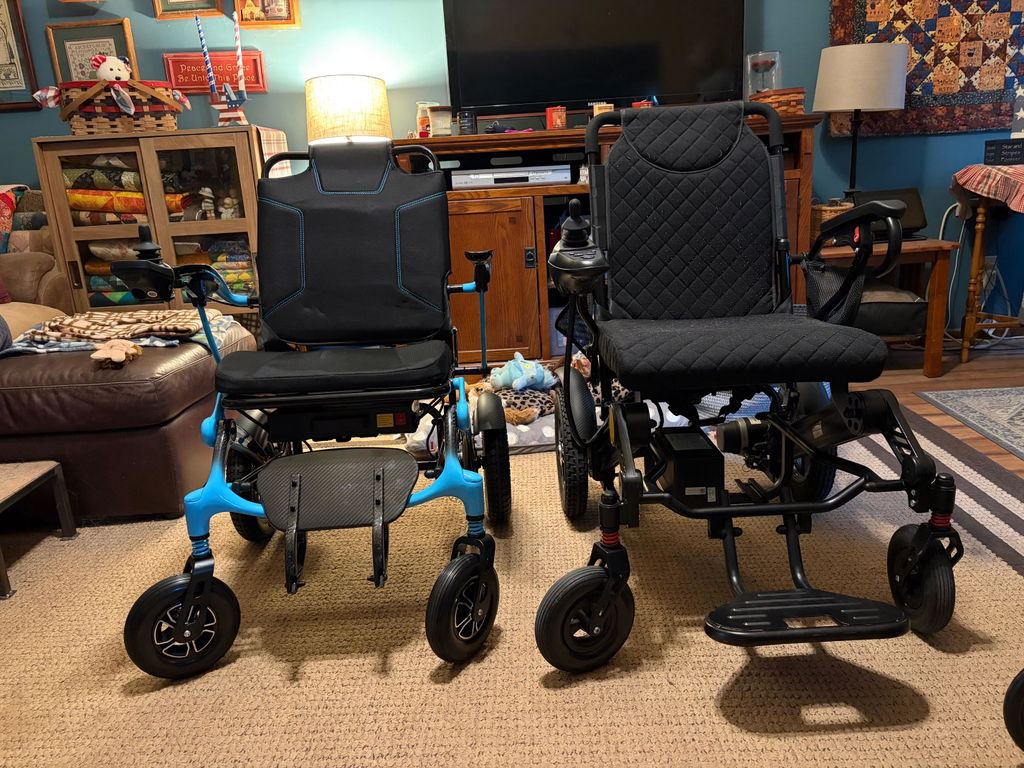
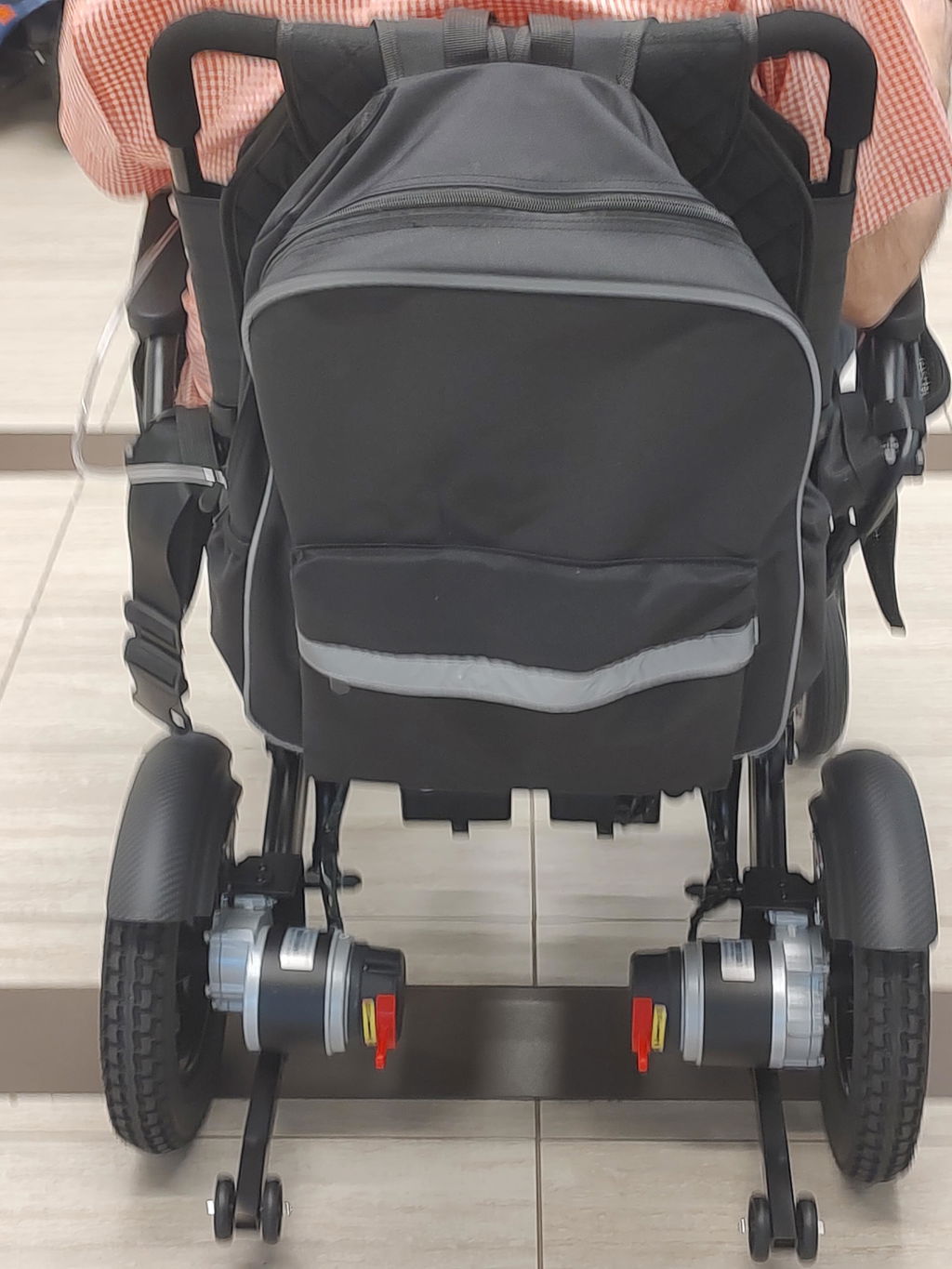
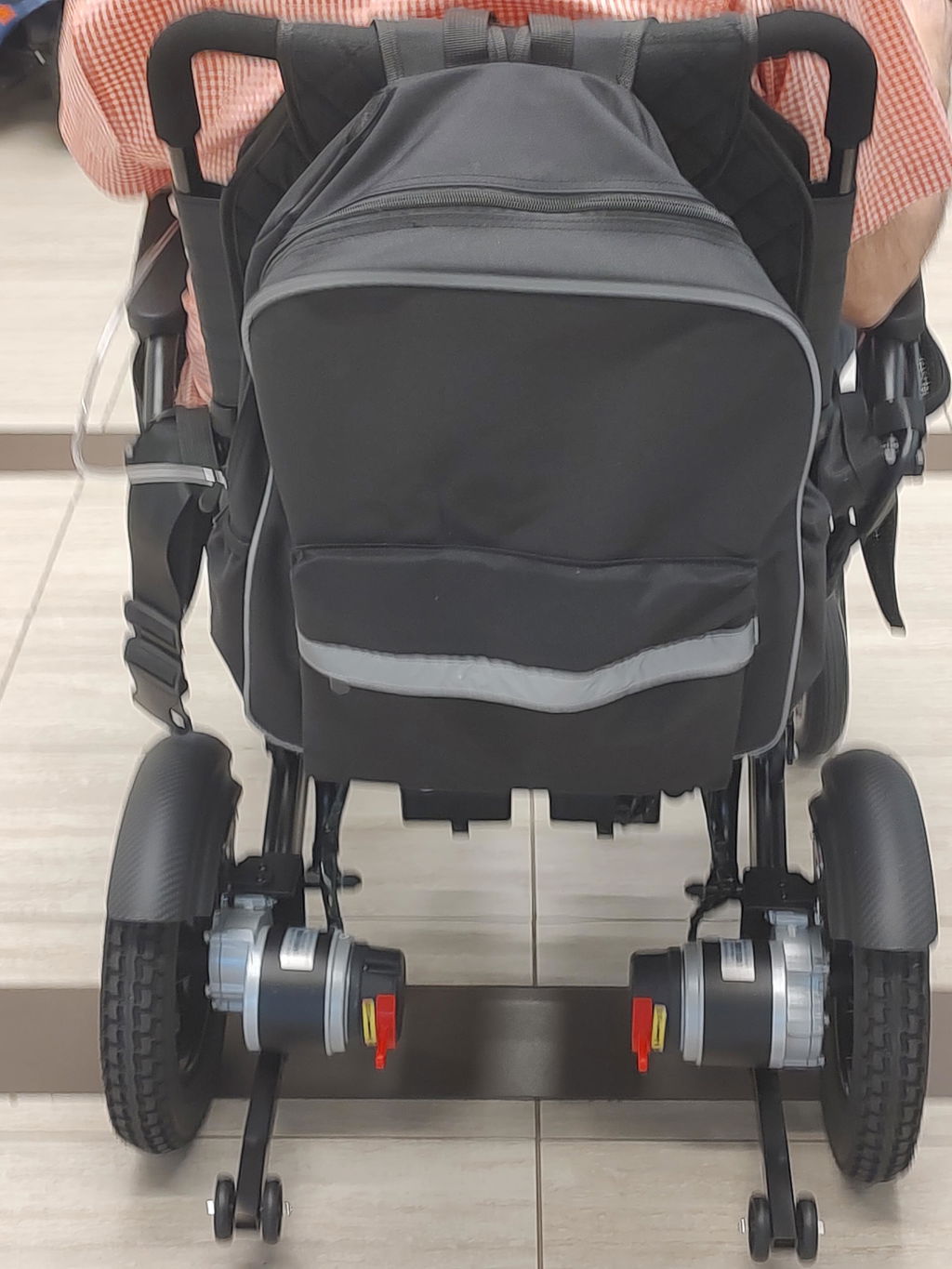
There is no single power wheelchair that fits every person or every commute. Someone comparing options may need to consider seat dimensions, doorway clearance, how the chair will be transported, where it will be stored, and the surfaces it will regularly travel over. Battery planning matters as well, especially for a day that includes several stops.
KERDOM offers power wheelchair options for different everyday needs. The right choice starts with the user’s measurements, environment, and preferences—not a general claim that one chair works for everyone.
Keep making room for talent
NDEAM is an opportunity to celebrate disabled workers. It is also a useful moment to notice the everyday details that affect access to work. A clearly marked entrance, a meeting room with enough space, a dependable route, and a workplace that listens can all make participation easier.
This October, we celebrate the value and talent people with disabilities bring to their work. We also encourage everyone—employers, colleagues, and communities—to make more room for that talent throughout the year.
Learn more about National Disability Employment Awareness Month from the U.S. Department of Labor.