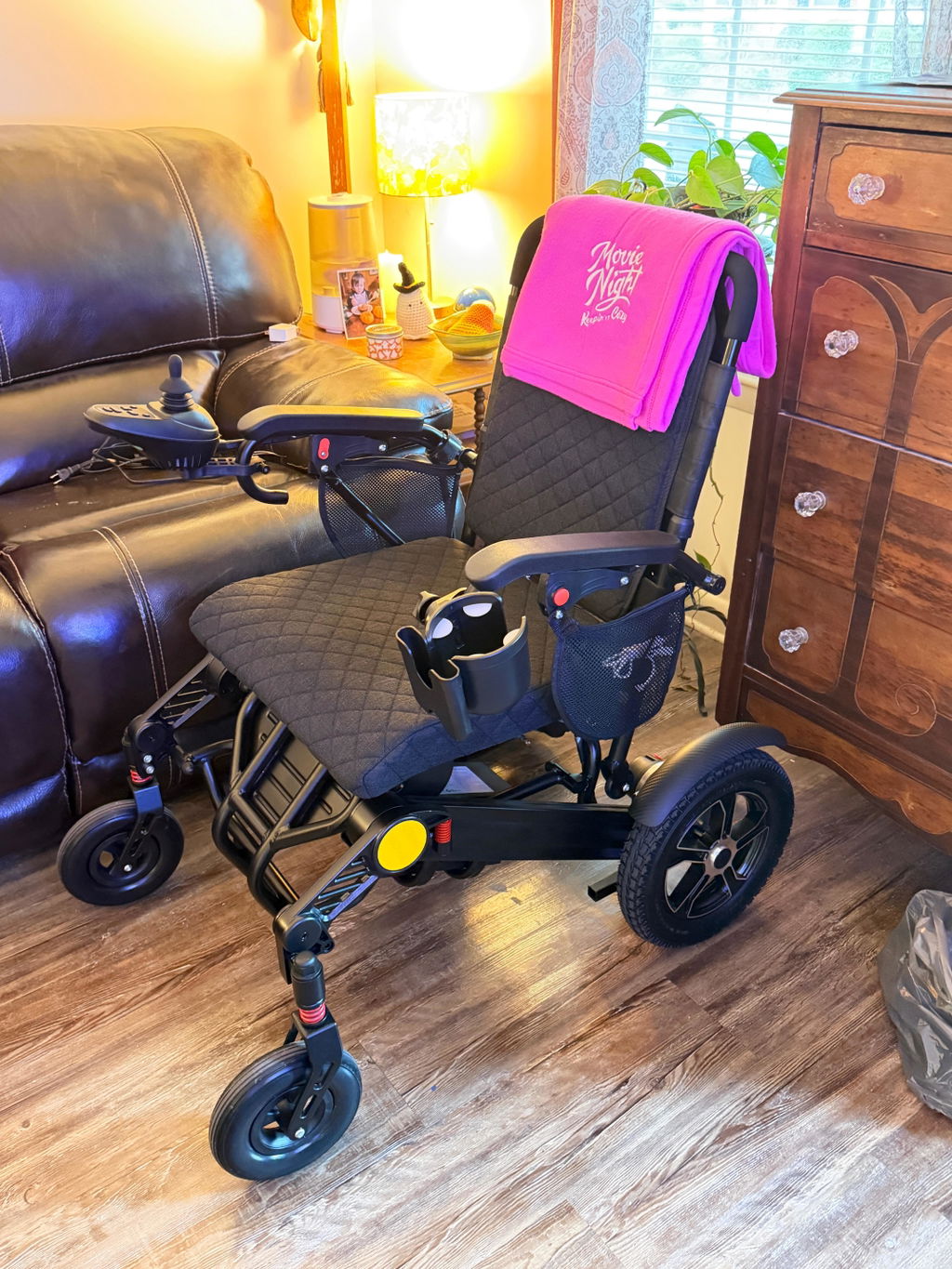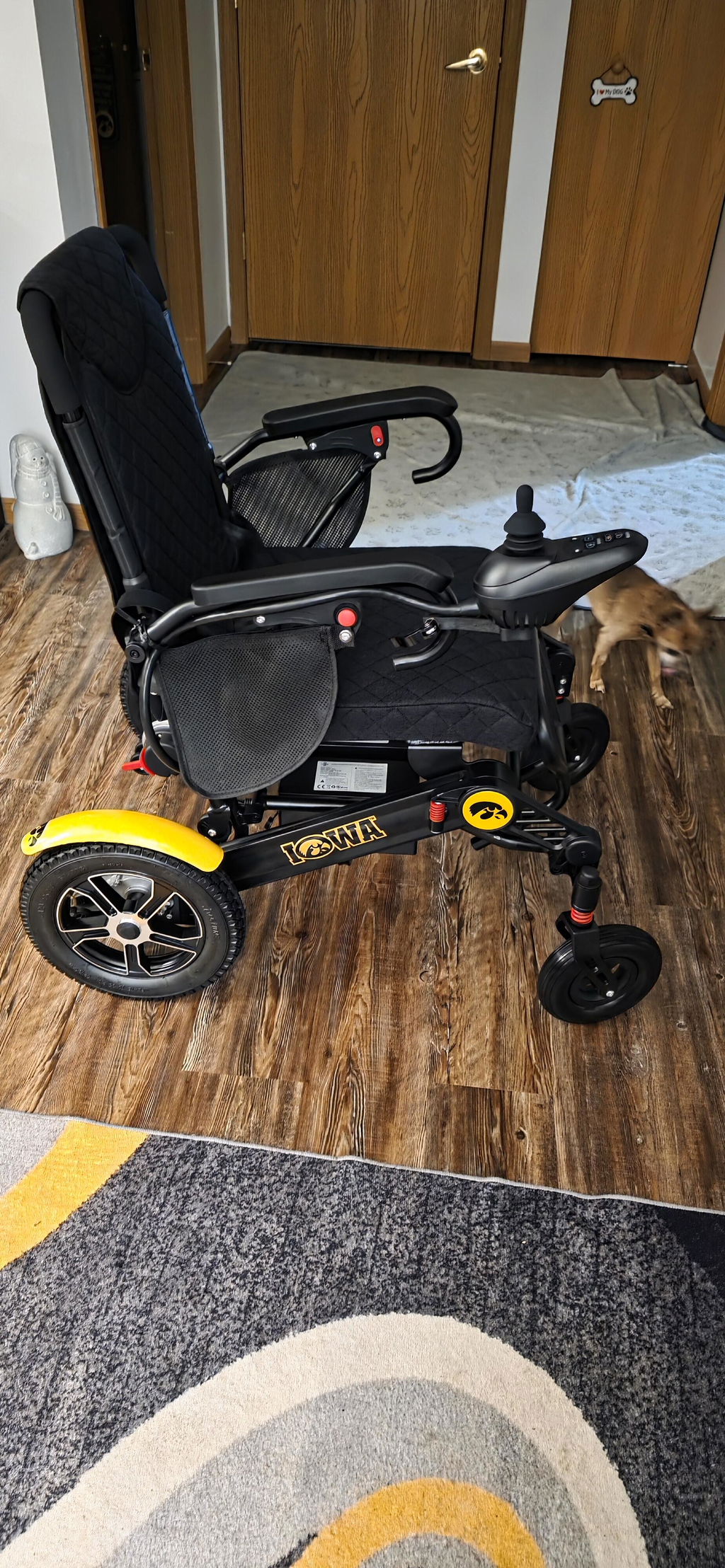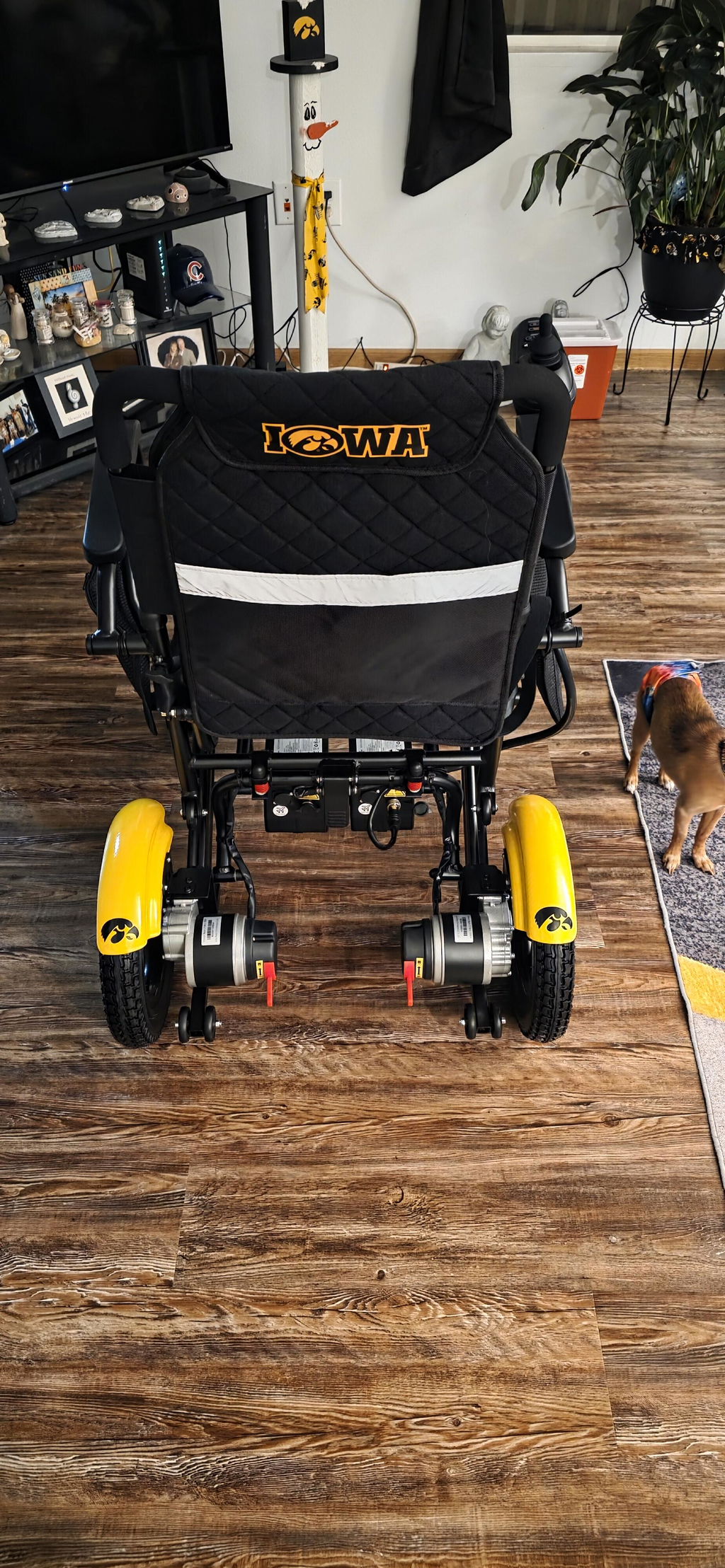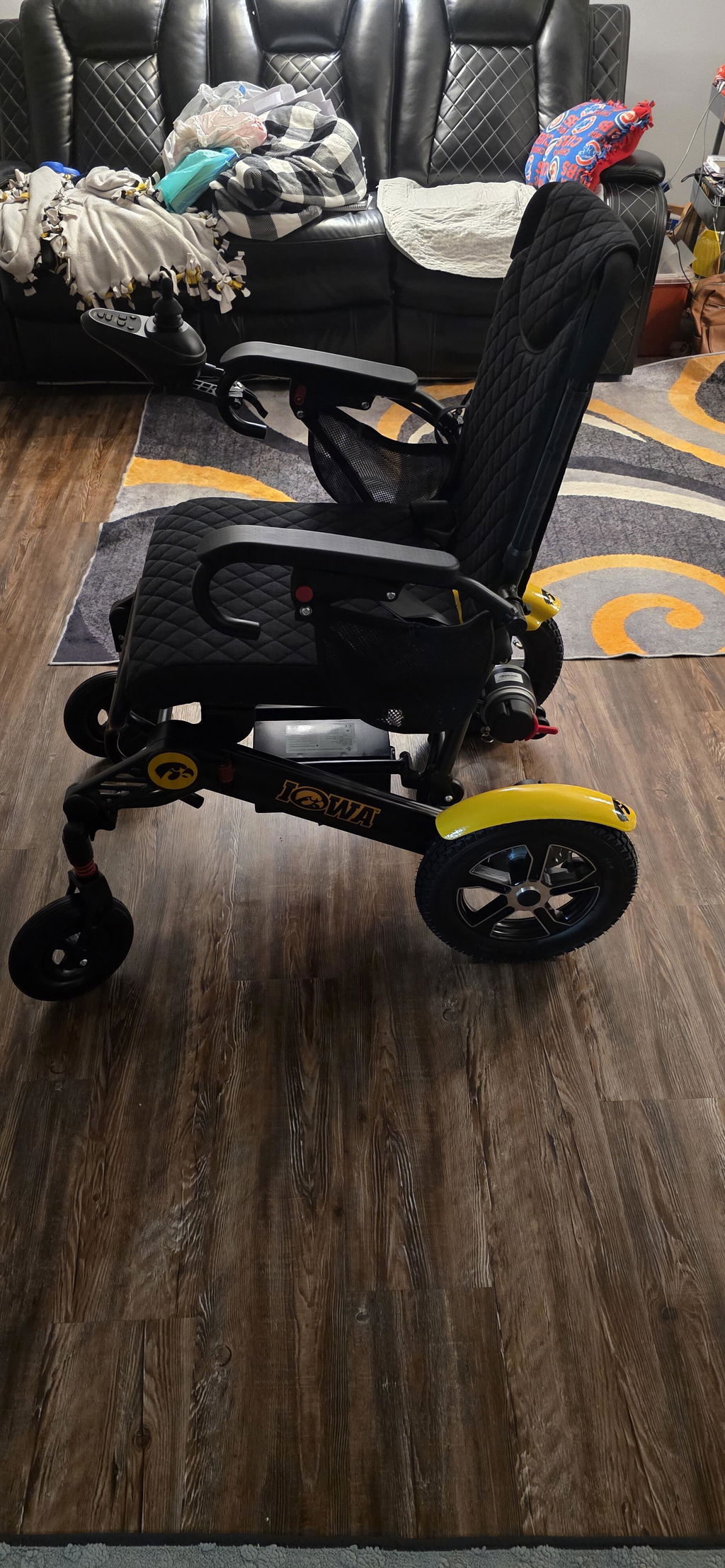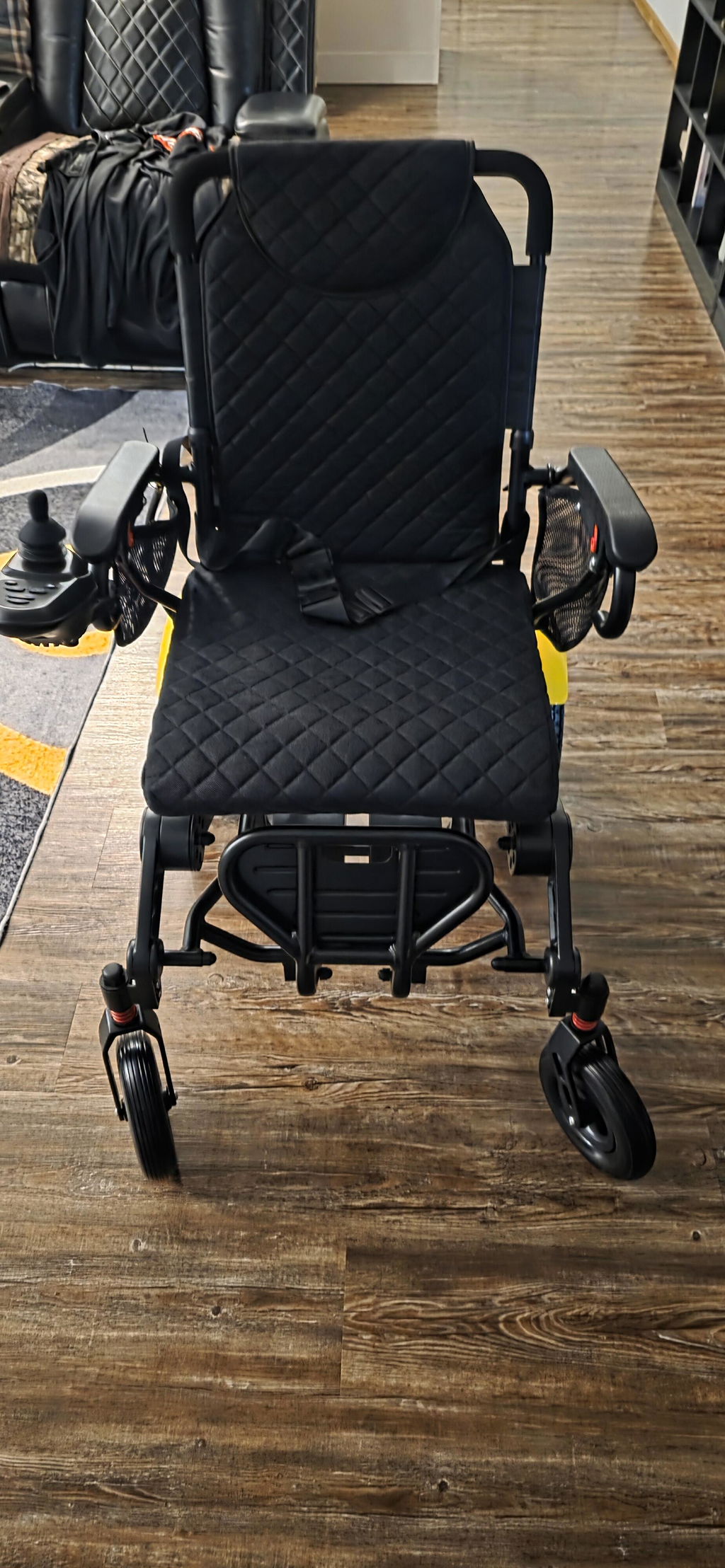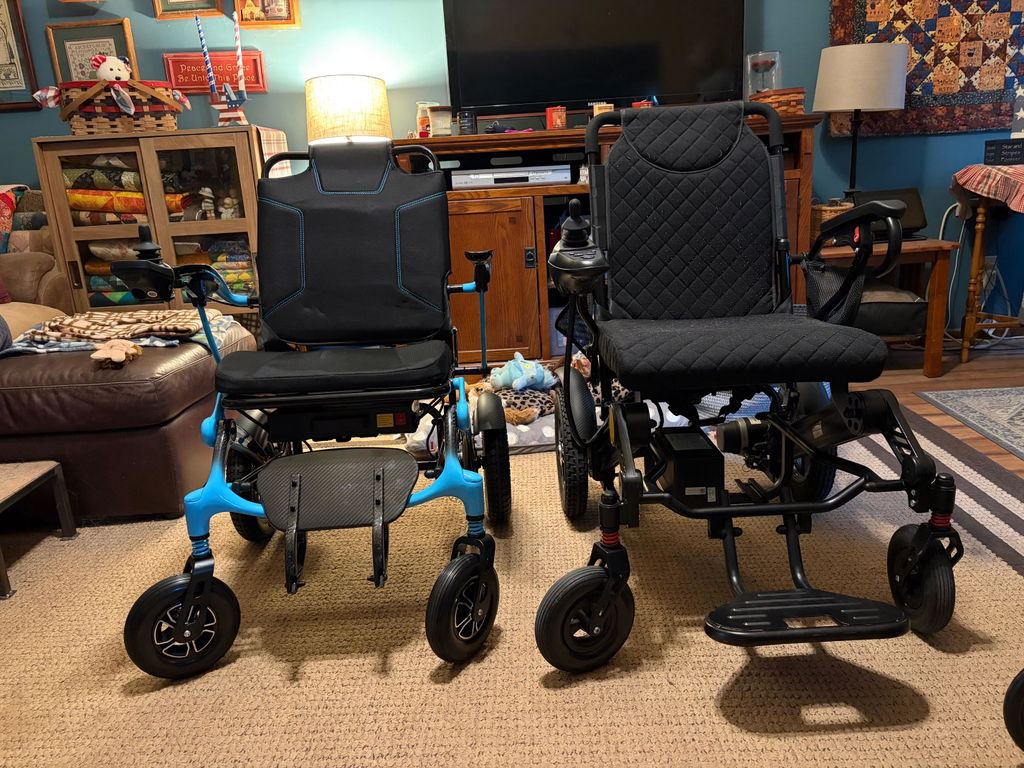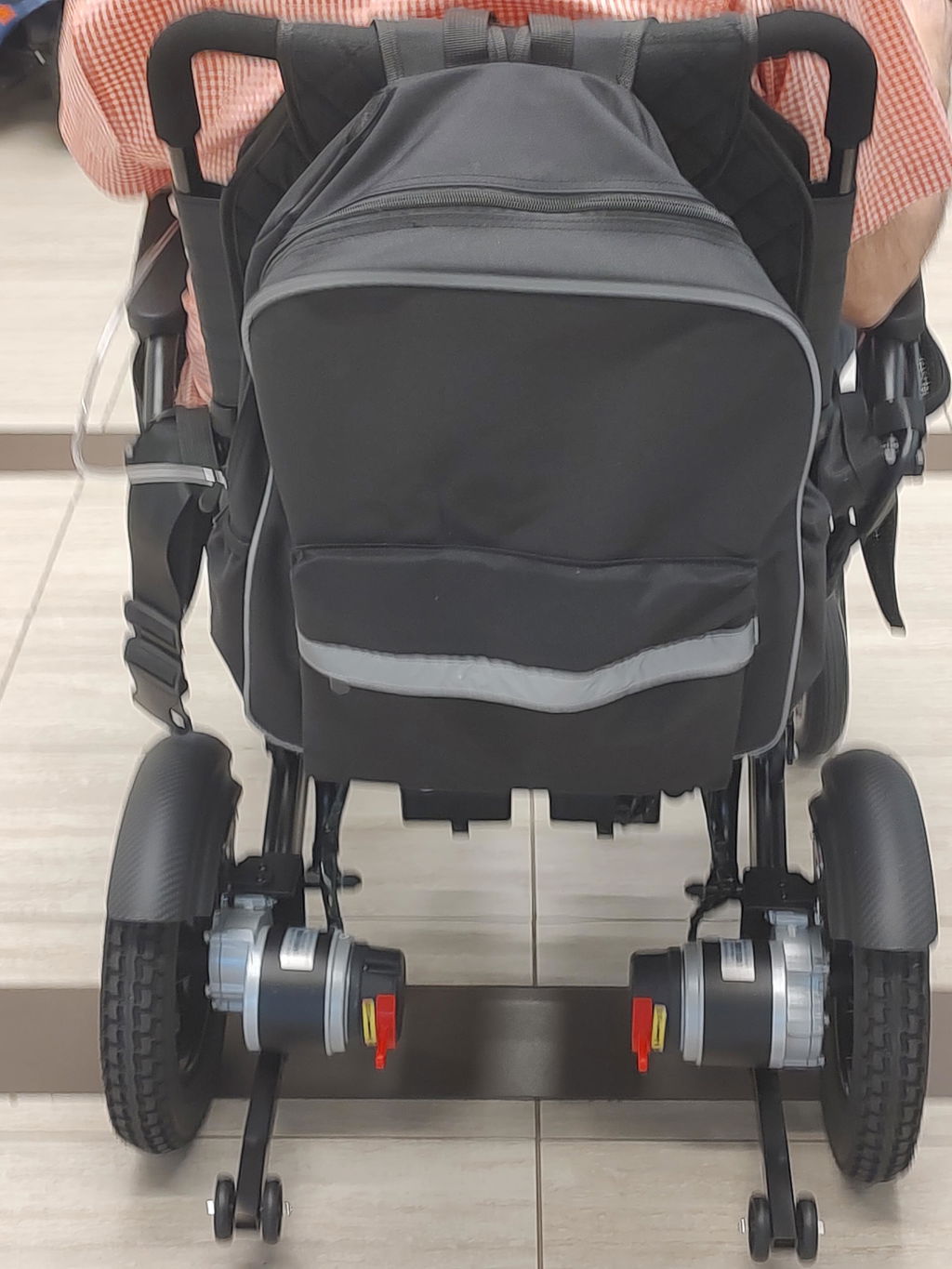

The car door is open, but the seat is higher than expected. The wheelchair armrest blocks the route. The vehicle parked beside you leaves barely enough room to turn.
Small details like these can make a familiar transfer difficult.
To transfer from a wheelchair to a car, park on level ground, prepare both seats, secure the wheelchair, and use the transfer method you have practiced with your physical or occupational therapist. Some people can stand and turn into the seat. Others use a seated transfer, a transfer board, or a vehicle adaptation.
Before you leave, work out how you will get back into the wheelchair. Getting out after a tiring afternoon may require more help than getting in.
This guide explains preparation and common transfer options. Your therapist should determine the technique, equipment, and level of assistance appropriate for you.
Choose Your Transfer Method First
Being able to walk a few steps does not automatically make a standing transfer the right choice. Balance, weight-bearing restrictions, shoulder strength, sitting control, and the car’s layout all affect the decision.
| Your situation | What to discuss with your therapist |
|---|---|
| You can bear weight and turn with reliable balance | A standing or stand-pivot transfer |
| You cannot stand but can participate in a seated transfer | A seated transfer, potentially with a transfer board |
| You need substantial help lifting or maintaining your position | A suitable person-transfer device or vehicle adaptation |
| You need to remain in your wheelchair during travel | A wheelchair-accessible vehicle with compatible securement and occupant restraints |
A caregiver who regularly assists you should receive training for your specific transfer. Incorrect moving and lifting can injure both people involved. The NHS moving and handling guide explains why professional instruction matters.
Prepare the Car and Wheelchair
Leave enough room beside the door
Choose a level parking space with room for the wheelchair and anyone assisting you. Check for wet pavement, loose gravel, or a slope before bringing the chair into position.
Park the car, engage its parking brake, and turn off the engine. Open the door far enough for the transfer while keeping clear of passing traffic.
For a passenger transfer, moving the seat back can create more legroom. Any seat adjustment should respect your movement restrictions, especially after surgery. Frimley Health’s car-entry guidance describes this preparation for patients with orthopedic precautions.
Check the space between the seats
Look at the gap, height difference, door opening, and sill. Can you reach the car seat using your practiced method? Is an armrest, footrest, or joystick blocking the route?
Move or remove only components designed for that purpose. Not every folding power chair has detachable armrests.
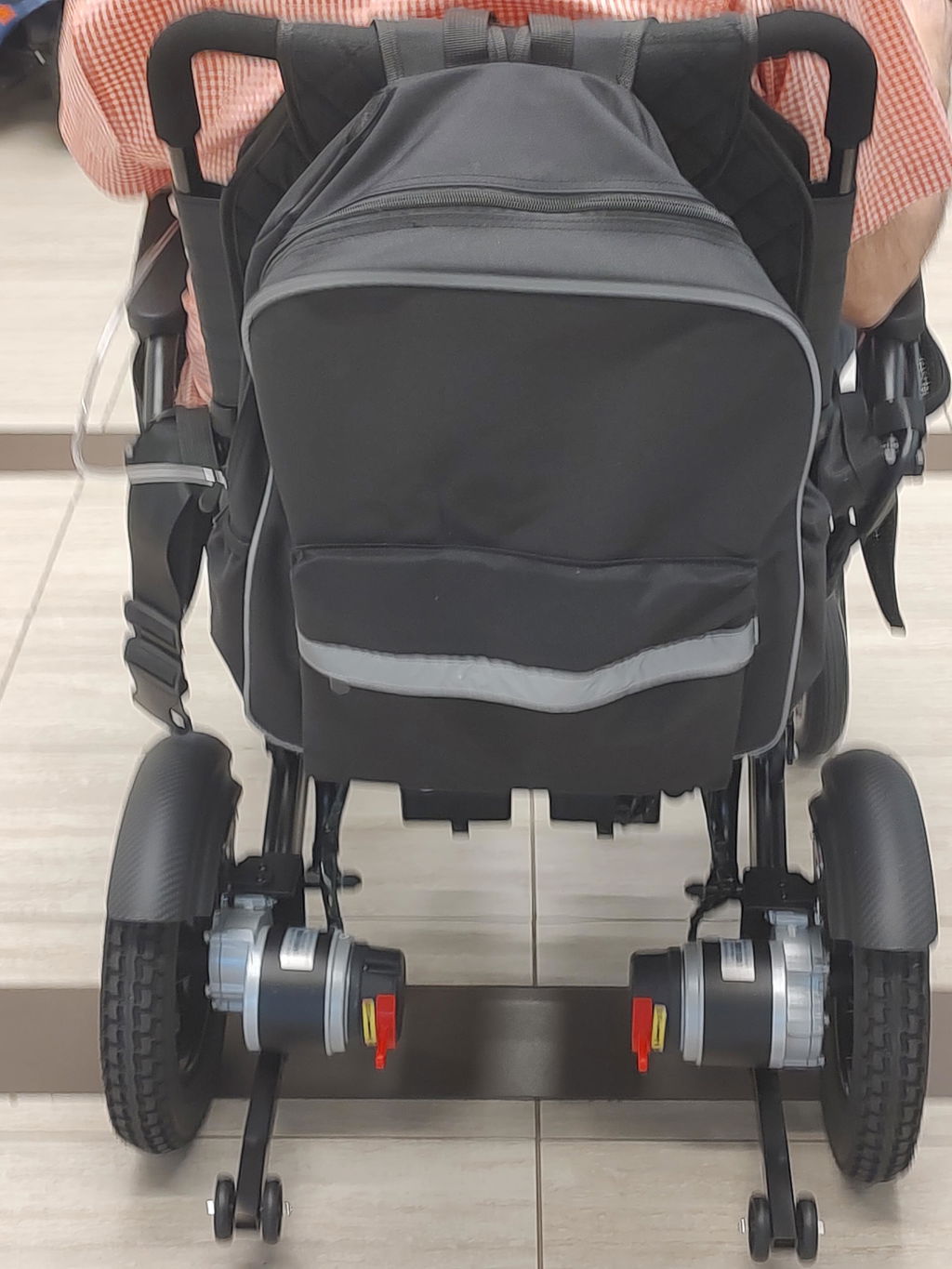
For an electric wheelchair, switch off the power and secure the chair according to its manual. Confirm the correct brake setting; freewheel mode should not be used to keep the chair stable during a transfer.
KERDOM owners can check the wheelchair user manuals for model-specific instructions. If you are unsure how a component operates, resolve that before beginning.
If You Can Stand: Use Your Practiced Transfer
A standing transfer generally involves rising from the wheelchair, turning into position, and lowering onto the car seat before bringing your legs inside. Your therapist should teach the hand placement and assistance appropriate for you.
Agree with your helper on when to move and when to pause. Use the support points you have been taught rather than reaching for whichever object is nearest.
Once seated, settle your position before bringing your legs into the footwell. If you have had hip or knee surgery, follow your discharge instructions. A general transfer guide cannot account for individual surgical restrictions.
If standing feels less reliable than usual, stop and reassess. Pain, fatigue, or dizziness may change how much help you need.
If You Cannot Stand: Assess a Seated Transfer
A seated transfer moves you between seats without standing. Some people use a transfer board to bridge the gap.
University Health Network’s car-transfer guide recommends practicing with a therapist before attempting a car transfer alone. It also notes that a car transfer may need a longer board than other transfers, with adequate support on both seats.
A board that works beside your bed may not suit a car door sill or a larger seat-height difference.
Ask your therapist to demonstrate:
- Where to position the wheelchair and board.
- Which hand placements to use.
- How much assistance is needed.
- How to protect your skin during the movement.
- How to become stable on the car seat before removing the board.
Avoid dragging your body across the board. UHN warns that this can damage skin, an especially important concern if you have reduced sensation.
If the transfer depends on someone lifting most of your body weight, arrange a new assessment rather than asking your caregiver to improvise.
When the Vehicle Makes the Transfer Difficult
A high SUV seat may require a demanding upward transfer. A low sedan seat may be easier to reach but harder to leave. A narrow doorway can limit your movement even when the height looks suitable.
Before buying a vehicle or transfer aid, try the complete routine in the actual car with appropriate assistance. Include getting out and handling the wheelchair afterward.
An occupational therapist or vehicle mobility specialist can help assess options such as a transfer seat, a person-transfer lift, or a wheelchair-accessible vehicle.
If you will travel while seated in your wheelchair, confirm that the wheelchair is suitable for occupied transport and that the vehicle has compatible securement and occupant restraints. An ordinary wheelchair positioning belt does not replace a vehicle restraint. See NHTSA’s wheelchair-transport safety guidance.
Plan the Transfer Back Into Your Wheelchair
At your destination, prepare the wheelchair before leaving the car seat.
Allow enough space at the door. Position and secure the chair according to your transfer method, and have your equipment and trained helper ready.
The return transfer may feel different. Direction, seat-height difference, and fatigue can all affect the assistance you need. Do not start simply because getting into the car went smoothly.
Once you are settled in the wheelchair, check your seating position, clothing, foot supports, and any components moved for the transfer.
Loading a Folding Electric Wheelchair Into the Car
Once you are seated in the car, there is still the wheelchair to handle. Decide who will fold, load, and secure it before leaving home—and who will unload it when you arrive.
If you are comparing KERDOM folding electric wheelchairs for regular car trips, start with your vehicle measurements. A chair needs to pass through the trunk opening, not simply fit inside the storage space.
Check these details:
- Folded dimensions: Measure the trunk opening, interior space, and narrow points along the loading route.
- Actual lifting weight: Confirm whether the listed weight includes the battery and accessories.
- Approved lifting points: Follow the model’s instructions.
- Remaining storage space: Leave room for transfer equipment, bags, and other essentials.
- Cargo securement: Follow the vehicle and wheelchair instructions so the stored chair cannot move freely during travel.
The KERDOM electric wheelchair FAQs cover common vehicle-storage questions. Use them as a starting point, then check the exact chair against your car.
When Lifting the Empty Wheelchair Is the Difficult Part
You may have a comfortable transfer routine and still struggle to lift the folded chair over the trunk lip.
For that part of the trip, the KERDOM Portable Electric Lift for Wheelchairs & Scooters is an equipment-loading option to consider. Its product page lists a maximum load capacity of 150 lbs and a device weight of 33 lbs, including the battery.
Check the complete setup before buying. The folded chair must fit the loading platform, the lift must reach the required loading height, and the vehicle must have room for both items. You also need a practical way to position and store the lift itself.
This equipment loader should not be used to lift a person or an occupied wheelchair. If you need help moving into the car seat, ask your therapist about a suitable person-transfer device.
Before ordering, contact KERDOM with your wheelchair model, folded dimensions, total loading weight, and vehicle measurements. Ask what additional information is needed to assess compatibility.
Frequently Asked Questions
Can you transfer from a wheelchair to a car without standing?
Some people use a seated transfer, with or without a transfer board. Whether it suits you depends on your abilities and the vehicle setup. Practice with a therapist before trying it independently.
Does a transfer board work with every car?
No. The gap, seat-height difference, door opening, and support surfaces affect whether a board can be used. The board’s dimensions and weight capacity also matter.
Is an SUV easier to get into than a sedan?
There is no single answer. A higher seat may be harder to reach, while a lower seat may be harder to leave. Try both directions of the transfer in the actual vehicle.
Can a caregiver lift someone from a wheelchair into a car?
A caregiver should use an assessed method and receive training. If substantial manual lifting is required, ask a therapist about equipment or vehicle adaptations.
Can a portable wheelchair lift help me transfer into the car?
A trunk-loading lift handles the mobility device after you have transferred into the car seat. The KERDOM portable electric lift is an equipment loader. It does not replace a transfer board, a trained helper, or a person-transfer lift.
Can I stay in my folding wheelchair while the car is moving?
Do not assume a folding wheelchair is approved for occupied vehicle transport. Confirm the wheelchair’s suitability and the vehicle’s compatible securement and occupant restraints with the relevant manufacturers.
What should I check before my first car trip?
Check your transfer method, parking space, seat setup, required help, wheelchair-loading plan, and return transfer. Rehearse the full routine before a time-sensitive appointment.
Your first practice does not need to include a drive. A session beside a parked car, with appropriate help and no departure deadline, gives you time to check the seat height, door clearance, and loading arrangements before you rely on them.