
The extra chairs are out. Someone is checking the turkey, and the kids have already started asking when dessert will be ready. Before the doorbell rings, there is one more thing to check: can a guest using a wheelchair get from the driveway to the table, use the bathroom, and join the rest of the family throughout the afternoon?
A single step at the entrance can complicate a visit. So can a dining table with too little room underneath, or a family photo planned on a porch reached only by stairs.
A wheelchair accessible family gathering starts with these everyday details. Whether you are hosting Thanksgiving dinner, a birthday party, or a weekend reunion, planning ahead gives everyone more time to enjoy the visit.
Ask About Wheelchair Access Before Making Plans
Start with the person who will use the space.
You might say, “We’d love to have you over. Can I send you a few photos of the entrance and dining room so we can work out the setup?”
That is more useful than saying, “Don’t worry—we’ll manage when you get here.”
Share what you know: there are two steps at the front door, the side entrance opens onto a paved path, or the bathroom is off a narrow hallway. If measurements would help, ask which ones to take.
Wheelchairs differ in size and maneuverability, and users have different preferences. Some people want help with a door; others need enough space to handle it themselves. Let your guest explain what works for them.
The National Council on Independent Living’s guide for wheelchair users and hosts encourages this kind of conversation before a visit, so both people can assess the home and discuss possible changes.
Check the Route From the Car to the Gathering
Think through the arrival before deciding where everyone will park.
Is there room beside the vehicle for your guest to get out and use their wheelchair? Will another parked car block the route later? Is the path paved, or does it cross gravel or grass?
If there is an entrance without steps, make sure your guest knows where it is and that the route is clear. Check thresholds and door openings, too. A doorway may look generous until the door is open and furniture narrows the approach.
For a home with steps, discuss access well before the event. A portable ramp needs to suit the entrance and the wheelchair, with an appropriate slope, secure placement, and enough space to approach it. Get qualified advice if you are unsure about the setup.
If workable access is unavailable, choose another location. A different home or a suitable restaurant may make the whole visit easier.
Arrange the Dining Room for an Occupied Wheelchair
A dining room can feel spacious before the chairs are pulled out. Once everyone sits down, the route to the table may disappear.
Look at the room as it will be used during dinner. Leave space for a wheelchair to approach the table, turn where needed, and leave without several people having to stand up.
Ask your guest where they would like to sit. Then check the space beneath that part of the table. Table legs, crossbars, and low aprons can interfere with knees, footrests, or armrests.
Do not assume that someone will transfer into a dining chair. They may prefer or need to remain in their wheelchair.
For a buffet, consider how someone seated will reach plates, serving utensils, and food. Offer help carrying a plate, or bring dishes to the table if that works better. Keep the choice with your guest.
Talk About the Bathroom Before the Day
Bathroom access deserves a private conversation before anyone arrives.
Describe the doorway and layout honestly. Is there room to enter and turn? Does the door swing into the available space? Are there fixtures or cabinets that make the approach difficult?
Your guest can tell you which details matter. An uncluttered bathroom may still be unsuitable for their wheelchair or the way they use the toilet.
Avoid making “someone can help” the entire plan. Assistance should be agreed upon, and it cannot make every bathroom usable. If the setup does not work, consider a venue with facilities that meet your guest’s needs.
Resolving this early avoids putting someone in the uncomfortable position of shortening a visit or asking relatives for an improvised solution.
Plan Transportation for Family Visits
For guests traveling with a wheelchair, the visit begins with the journey.
Confirm who is driving, how the wheelchair will be transported, and what help—if any—is wanted when loading or unloading. If a folding chair is going into a car, compare its folded dimensions with the actual trunk opening and available storage space.
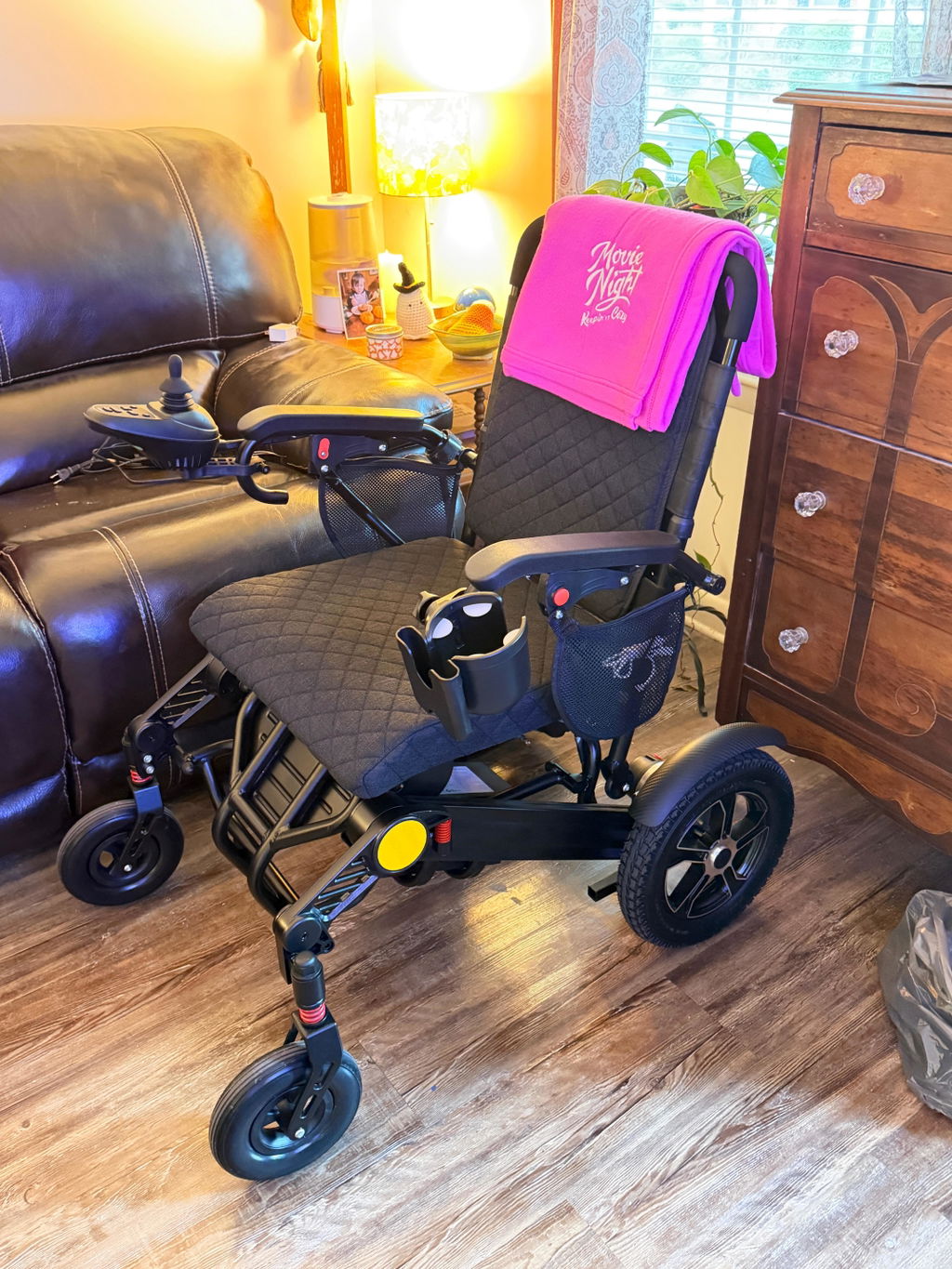
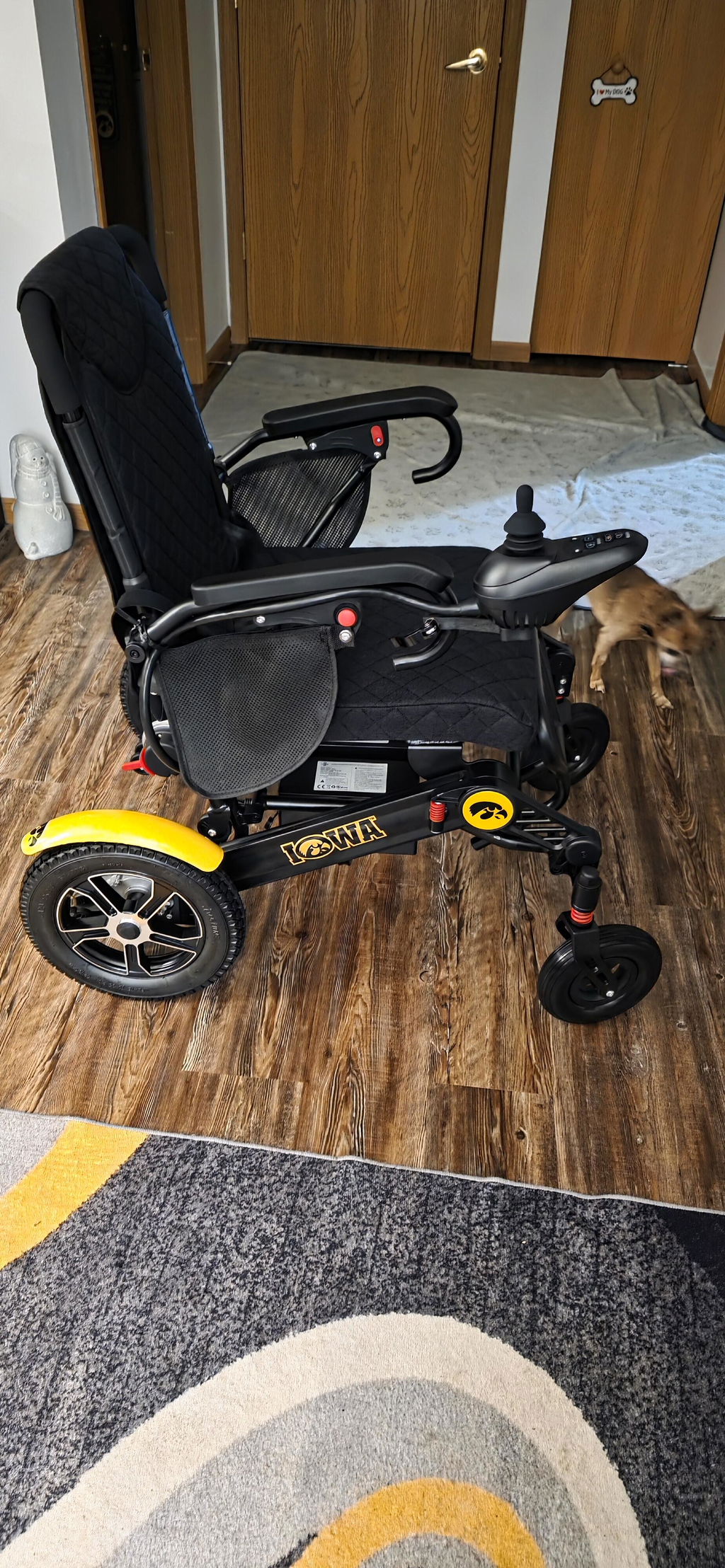
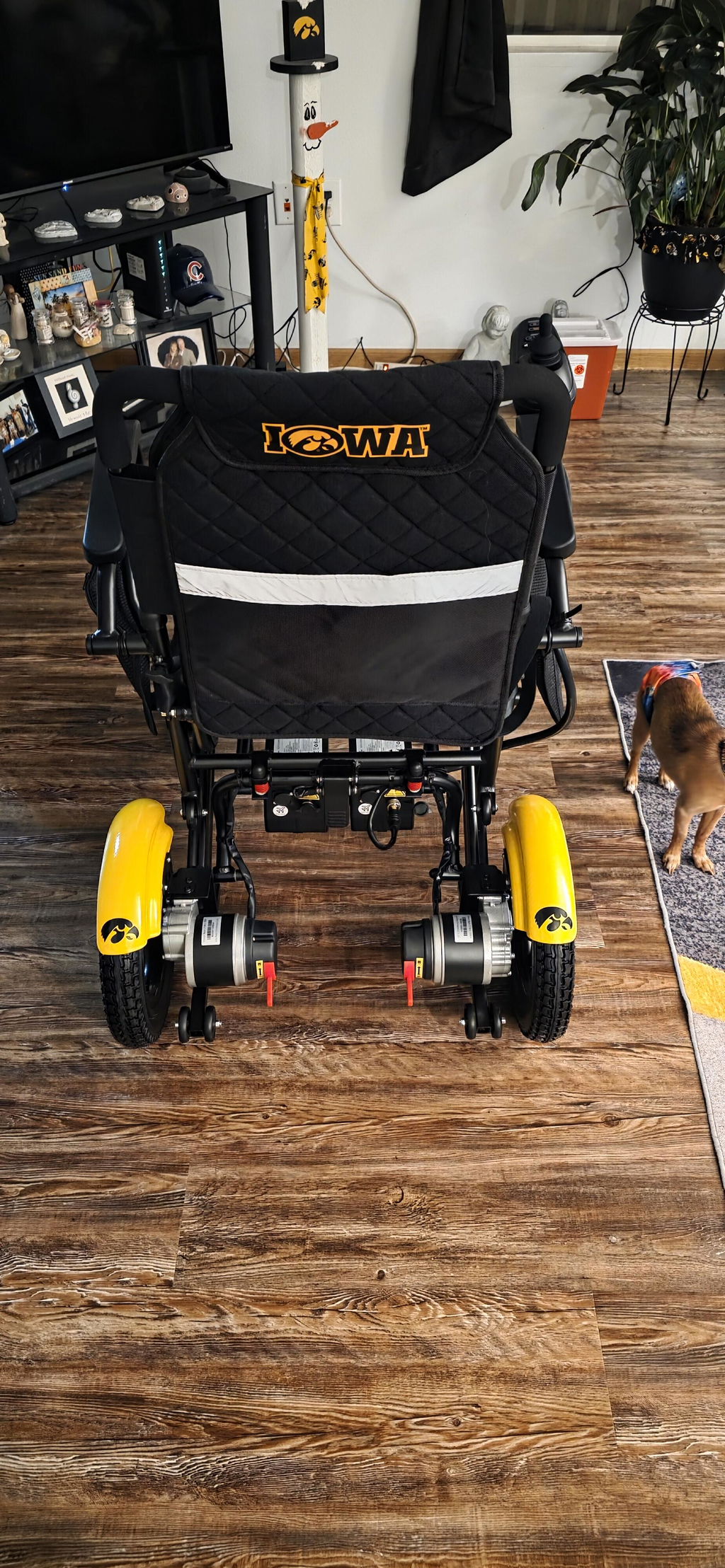
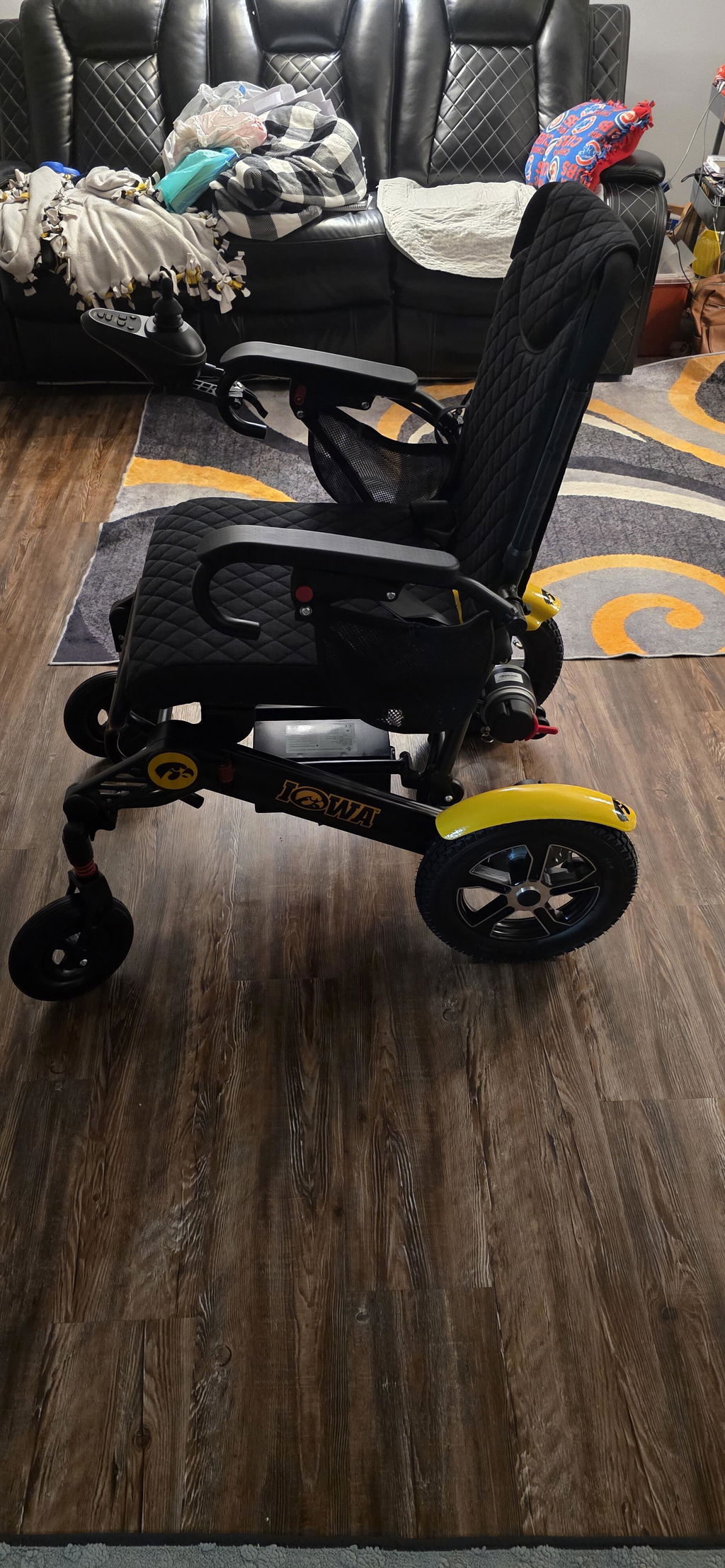
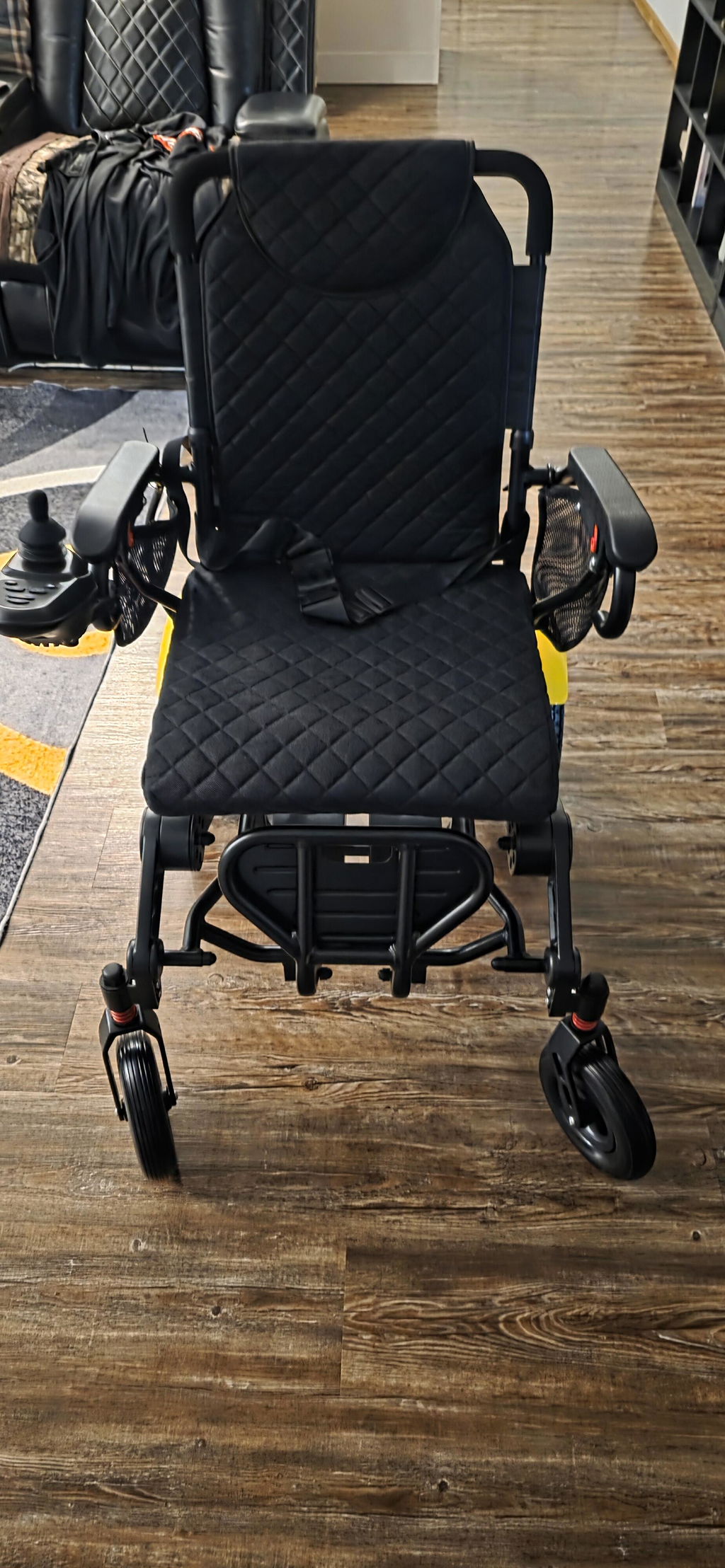
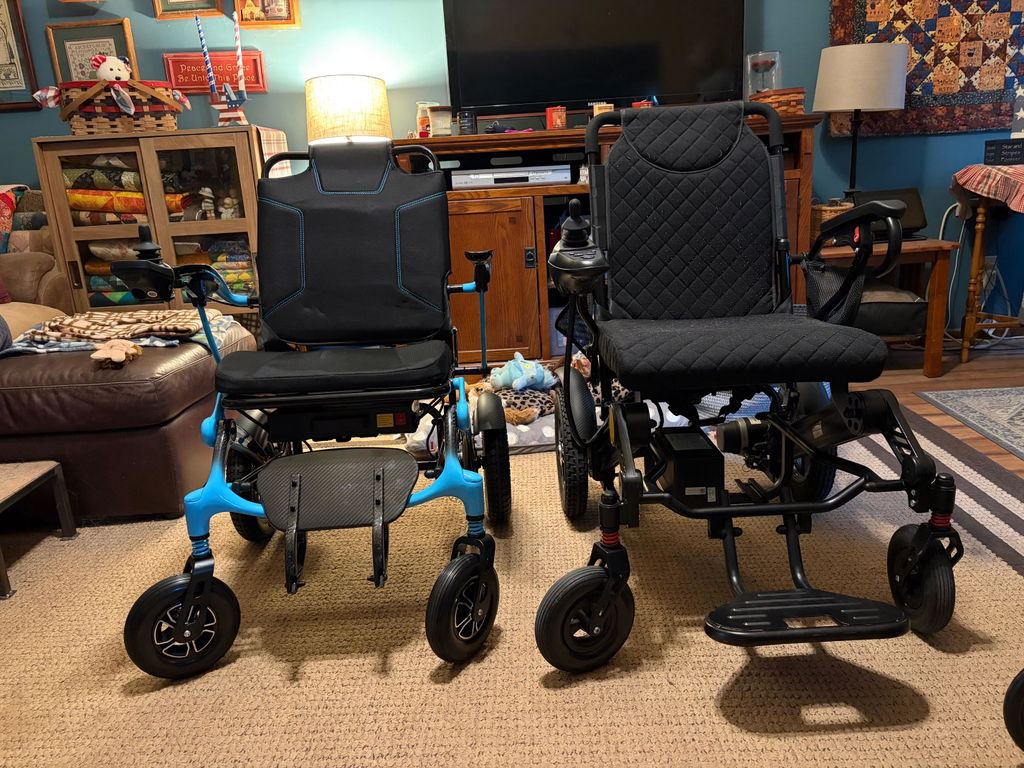
For families already comparing portable models, KERDOM’s folding electric wheelchairs provide options to review by size, weight, seating, and other needs.
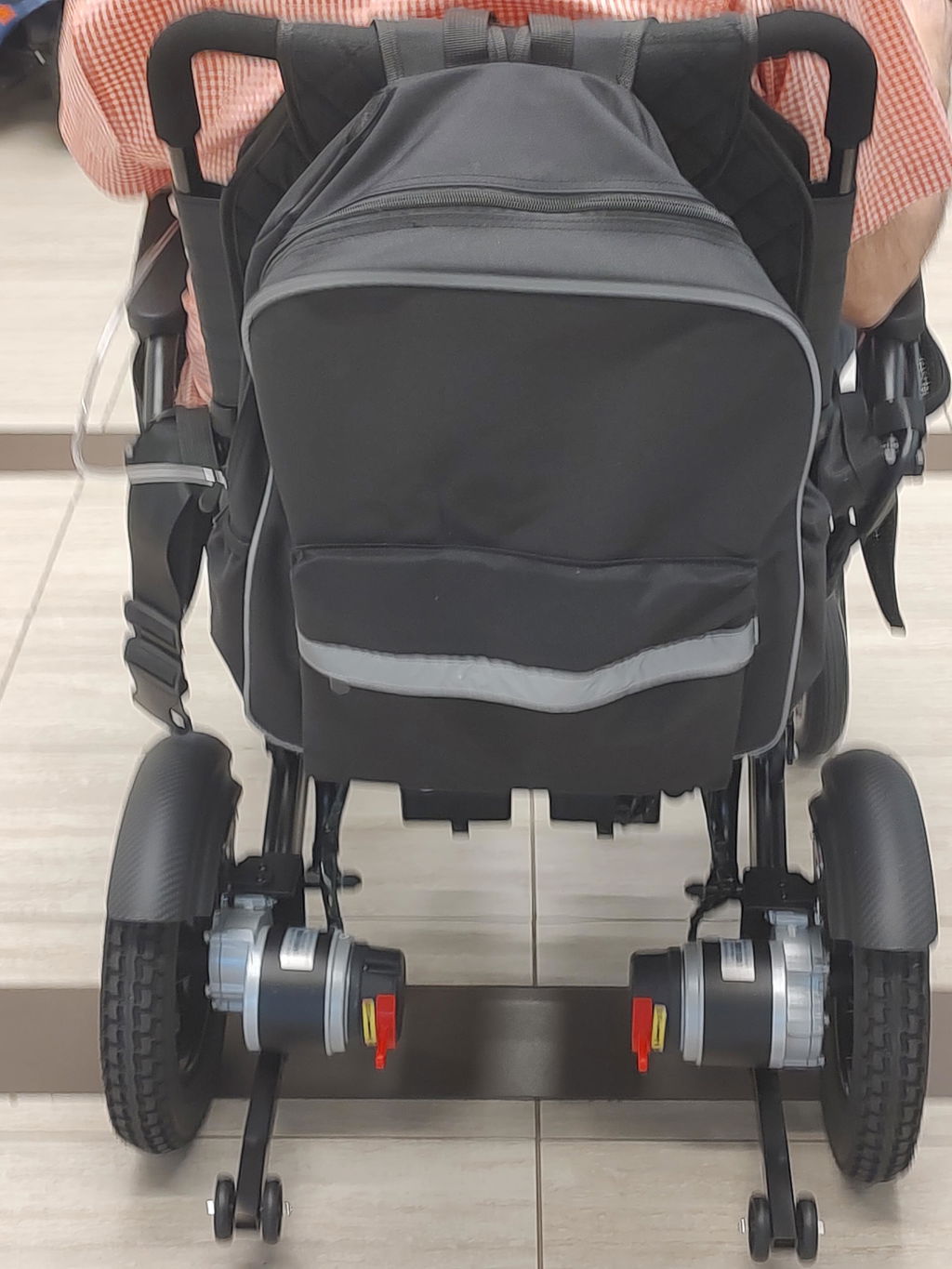
One example is the KERDOM DX08 carbon fiber electric wheelchair, whose listed folded dimensions are 24.8 × 10.2 × 28 inches. Those measurements can help with transport planning; whether it fits still depends on the vehicle.
Use the equipment that suits the person. A family gathering should not require someone to change wheelchairs or accept a transfer arrangement that does not work for them.
If the day includes several outings, a guest using a power wheelchair may also want to plan battery use. KERDOM’s guide to electric wheelchair battery range and real-trip planning covers that part of the journey.
Keep Photos, Games, and Dessert Accessible
Access can become an issue halfway through a gathering.
Everyone finishes dinner and heads to the backyard. Someone calls for a photo on the front steps. Dessert is served downstairs because that is where the children are playing.
Before the day, decide where these shared moments will happen. Choose a photo location everyone can reach. Put games on a table with usable space around it. If the backyard route is unsuitable, bring the activity to a level patio or another area your guest can use.
Ask what people actually want to do. A wheelchair user may be the family photographer, the person organizing the game, or the one teaching the children a favorite recipe.
Leave room for those roles when you make the plans.
Ask Before Helping—or Moving a Wheelchair
“Would you like me to open the door?” is an offer. Reaching for a wheelchair’s handles without asking takes away the person’s choice.
Ask before pushing a wheelchair, moving it, touching its controls, or helping with a transfer. Wait for an answer and follow the user’s instructions.
Speak directly to your guest, even when a relative or caregiver is nearby. Include them in the same conversations you would have with anyone else: the meal, the football game, the family news.
If children are curious about the wheelchair, explain that they should ask before touching it. The user can decide whether they want to answer questions.
Make the Schedule Easy to Follow
Tell guests when dinner is likely to be served and whether the day includes activities at another location. That information helps people plan transportation, personal routines, and how long they want to stay.
The Minnesota Council on Disability recommends sharing timing and access information in invitations, along with details about a quieter space if one is available.
A wheelchair user may or may not need a break. Offer the option without assuming. If someone leaves early, a warm goodbye is enough.
A Wheelchair Accessible Gathering Checklist
Before guests arrive, confirm:
- Arrival: There is a suitable place to get out of the vehicle and a clear route to the entrance.
- Entrance: Steps, thresholds, and access arrangements have been discussed.
- Dining: The chosen table position has usable clearance and room to approach.
- Bathroom: Your guest has enough information to judge whether it works for them.
- Activities: Photos, games, and refreshments are in places everyone can reach.
- Transportation: Vehicle space and any requested assistance are arranged.
- Timing: Guests know when the meal and main activities will happen.
Frequently Asked Questions
How can I make a family dinner more wheelchair accessible?
Ask your guest about the entrance, table, and bathroom before the visit. Clear the routes between those spaces, check the dining arrangement with chairs pulled out, and keep the main activities on an accessible level.
Should I move a wheelchair user into a regular dining chair?
Ask about their preference. Do not expect a transfer as part of attending dinner. If they remain in their wheelchair, arrange a table position with enough clearance for their setup.
What if my home cannot accommodate a wheelchair?
Discuss another location early. Another relative’s home, a restaurant, or an event space may work better. Confirm the specific entrance, seating, and bathroom arrangements before booking.
Leave a Place Where People Want to Be
Before everyone arrives, look once more at the table. Check the route to it with the chairs pulled out. Make sure the space you discussed is still available and that bags or gifts have not filled the hallway.
Then, when your guest arrives, ask whether the arrangement works.
There will probably be other things to adjust as the afternoon unfolds. Make those changes together, and get back to the meal, the stories, and the photograph everyone will want a copy of.