
Introduction
Healthy aging is not about forcing yourself to walk farther or doing everything without assistance. It is about maintaining the freedom to participate in the activities that matter to you.
For some people, independence means walking through the neighborhood. For others, it means using a walker, manual wheelchair, or power wheelchair to conserve energy, move safely, and stay connected with family, friends, and the community.
The goal is not to prove how much you can do without support. The goal is to keep living actively and confidently in a way that fits your body and lifestyle.
1. Move in Ways That Fit Your Body
Regular movement supports physical function, mood, sleep, balance, and overall well-being. Adults age 65 and older are generally encouraged to include aerobic activity, muscle-strengthening exercises, and balance activities each week. CDC activity guidelines
However, staying active does not always mean walking.
Depending on your abilities, movement may include:
- Short walks or indoor walking
- Seated cardio exercises
- Wheelchair mobility
- Resistance-band training
- Water aerobics
- Gardening or light household tasks
- Dancing or moving to music
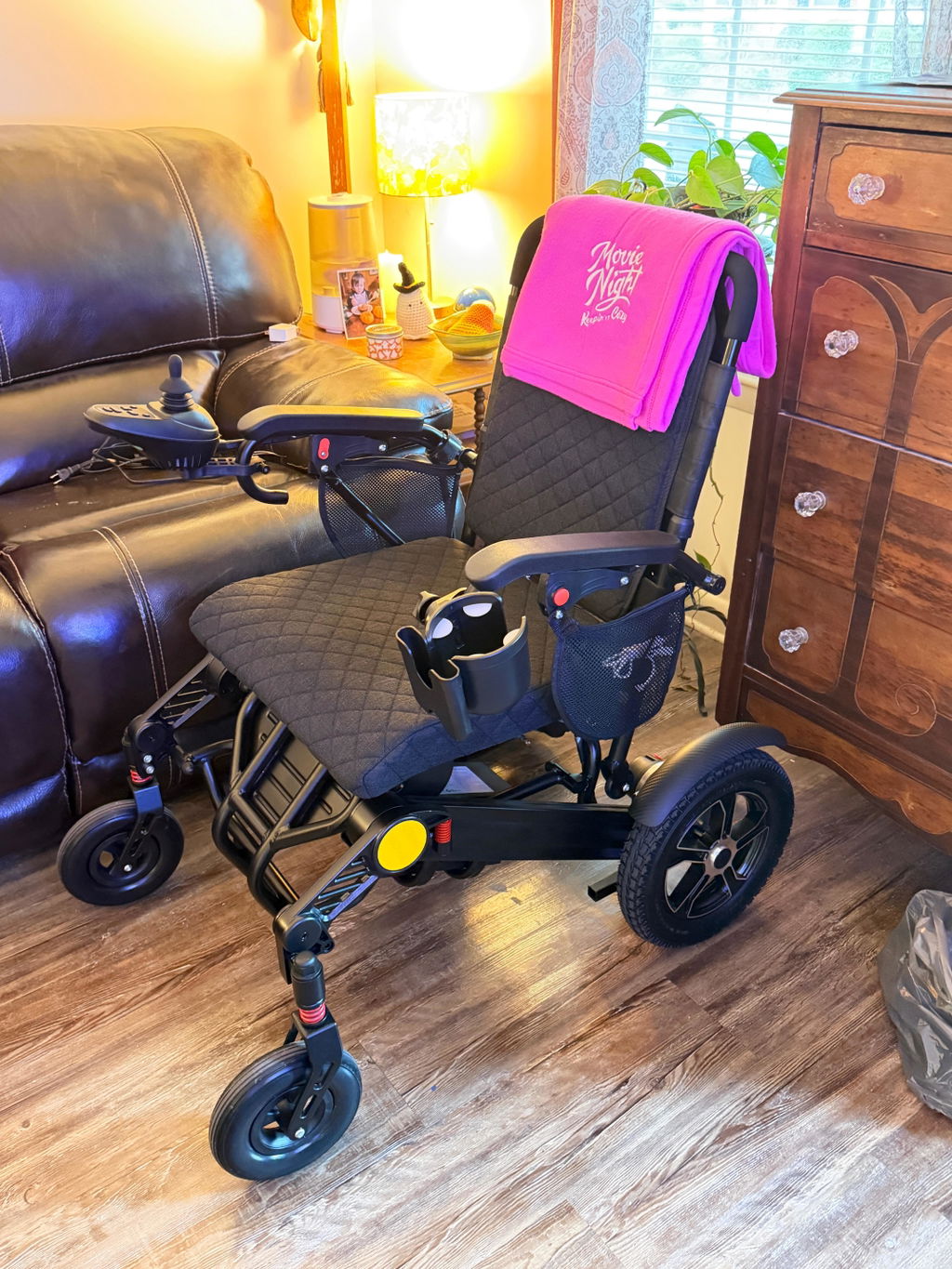
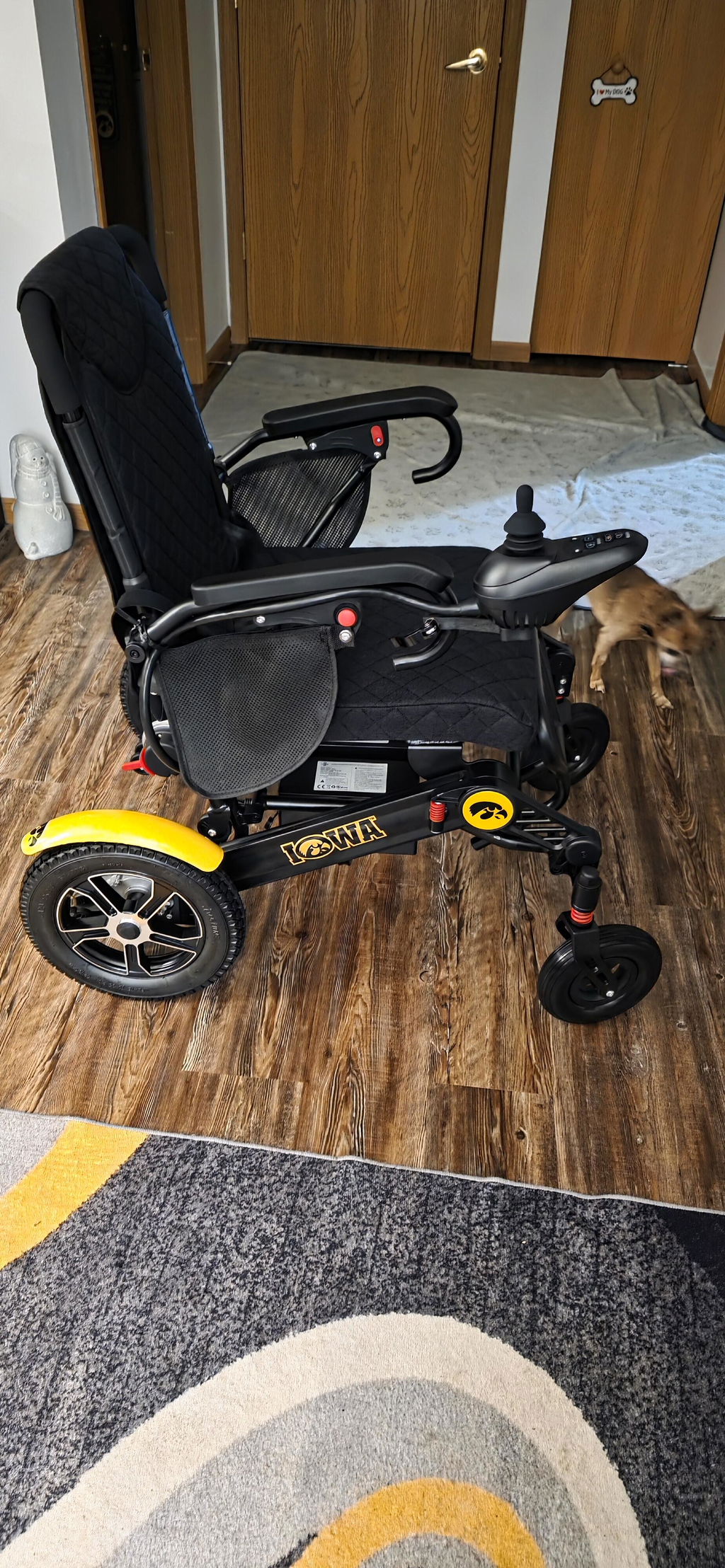
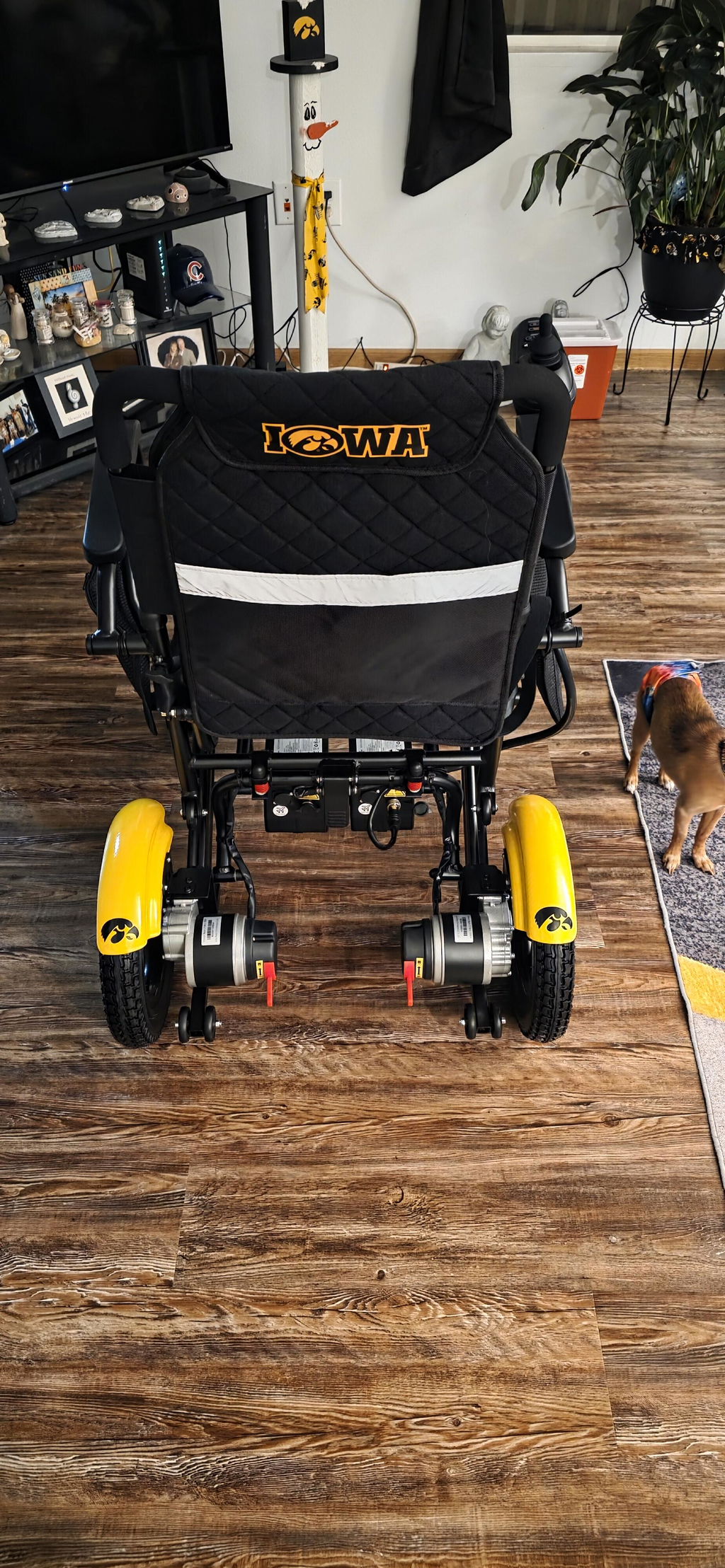
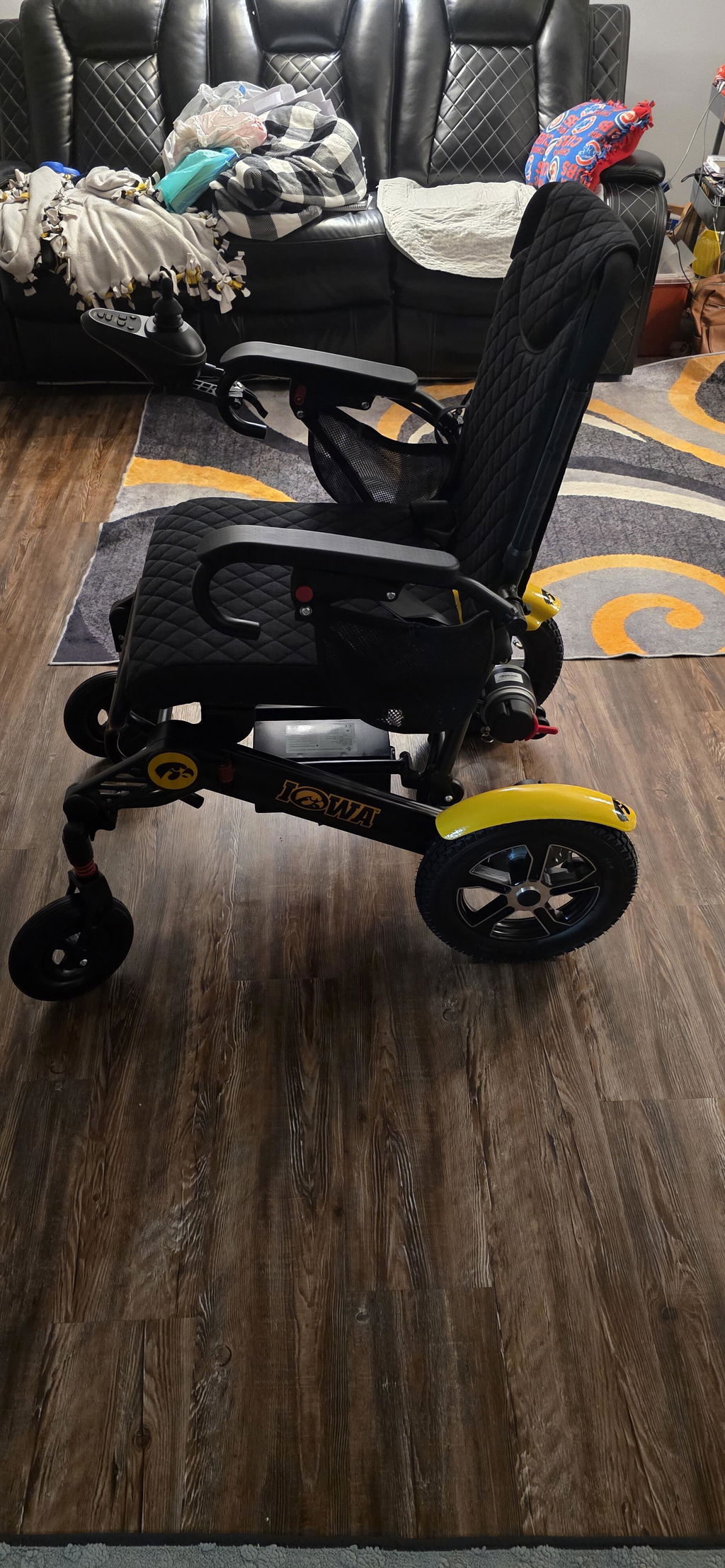
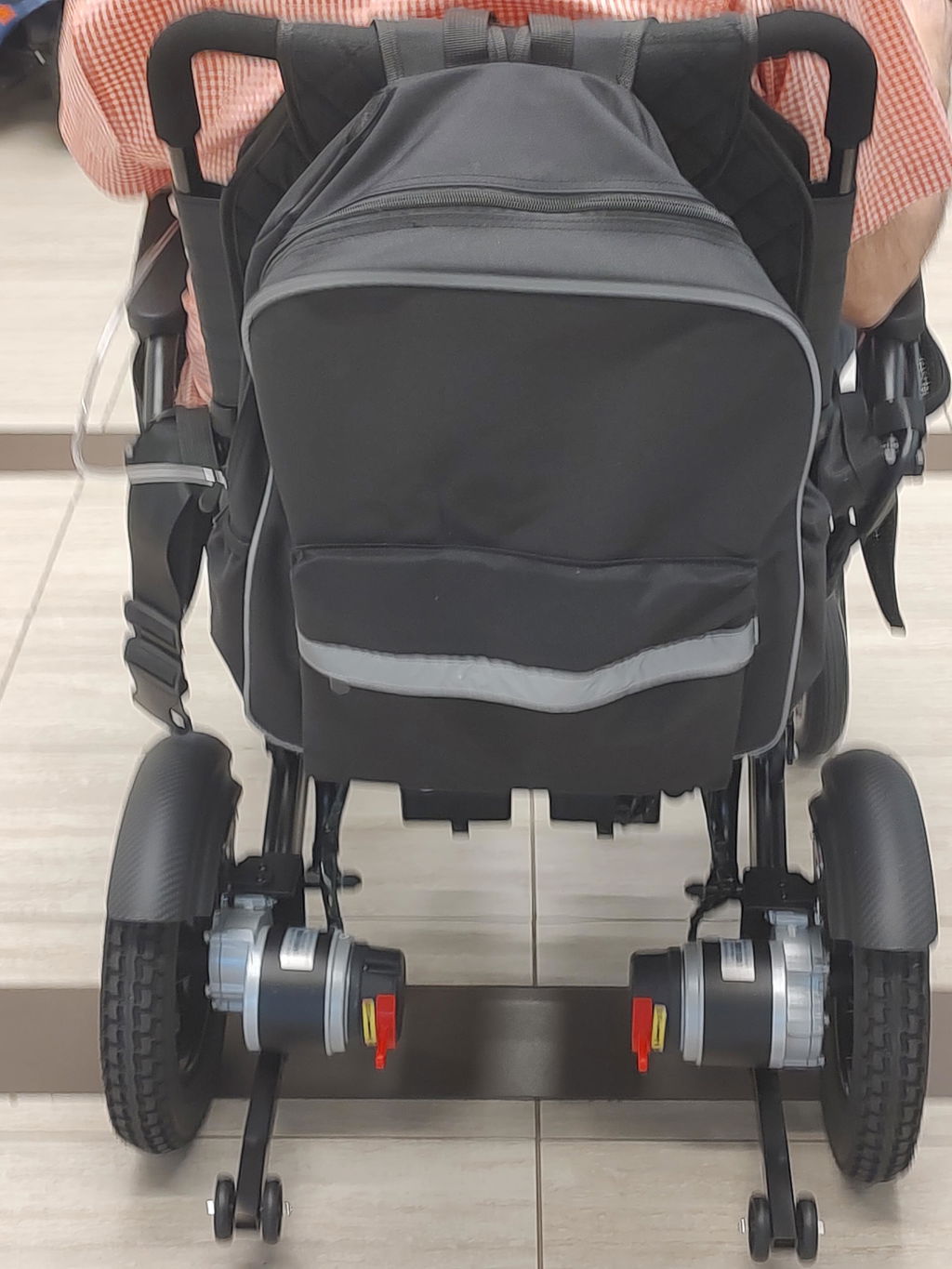
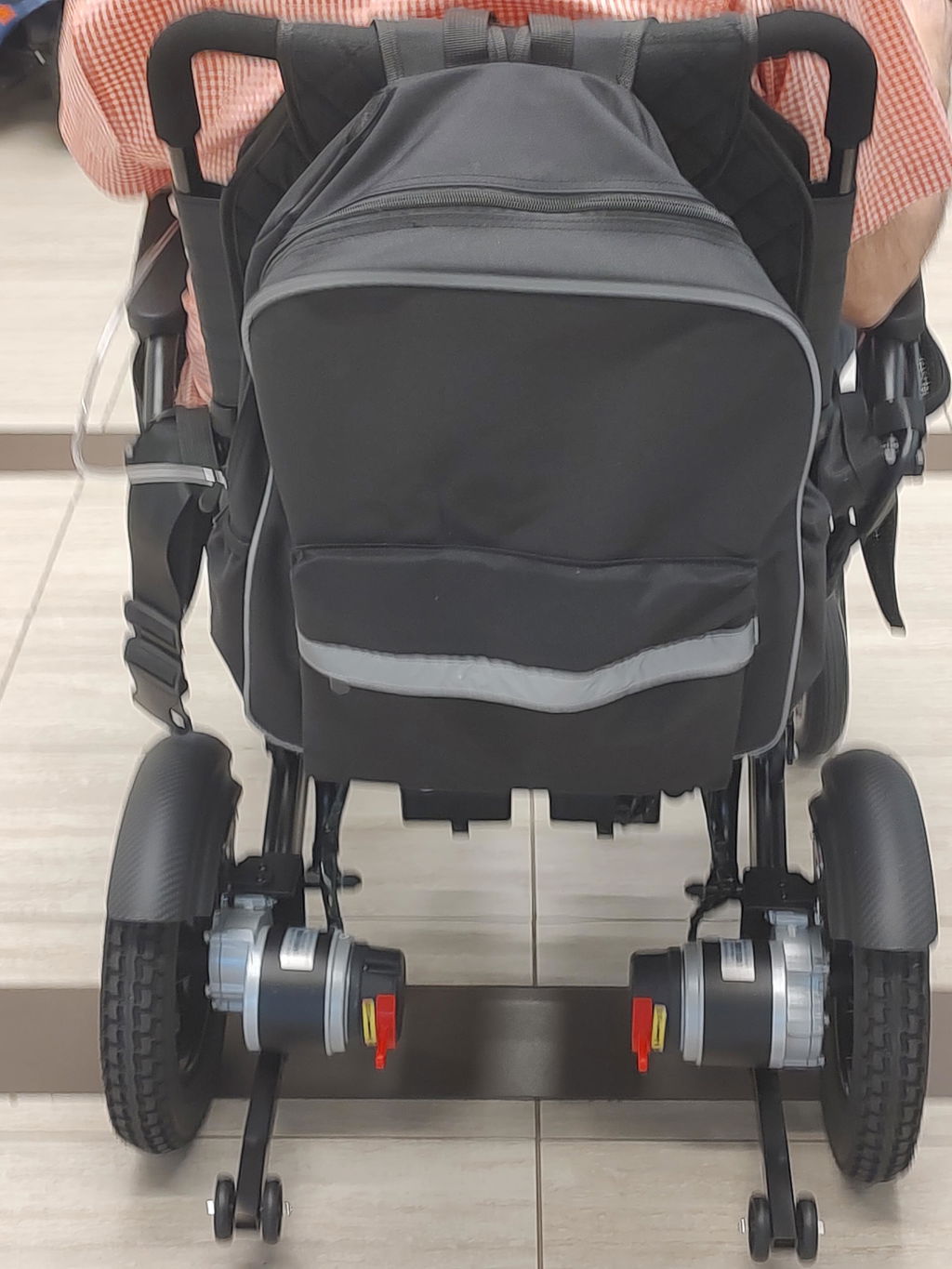
If walking becomes painful, tiring, or unsafe, a properly fitted power wheelchair can help you remain active without exhausting yourself.
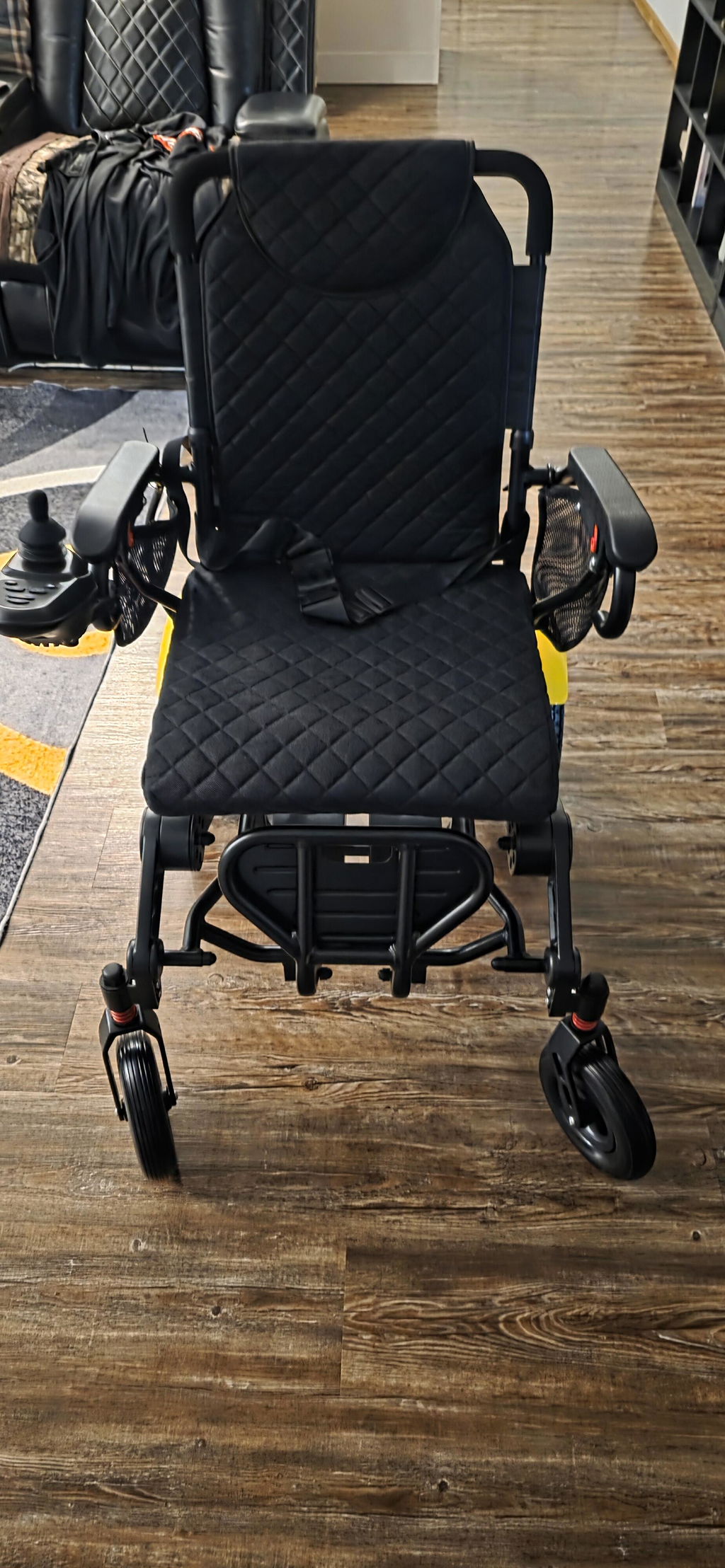
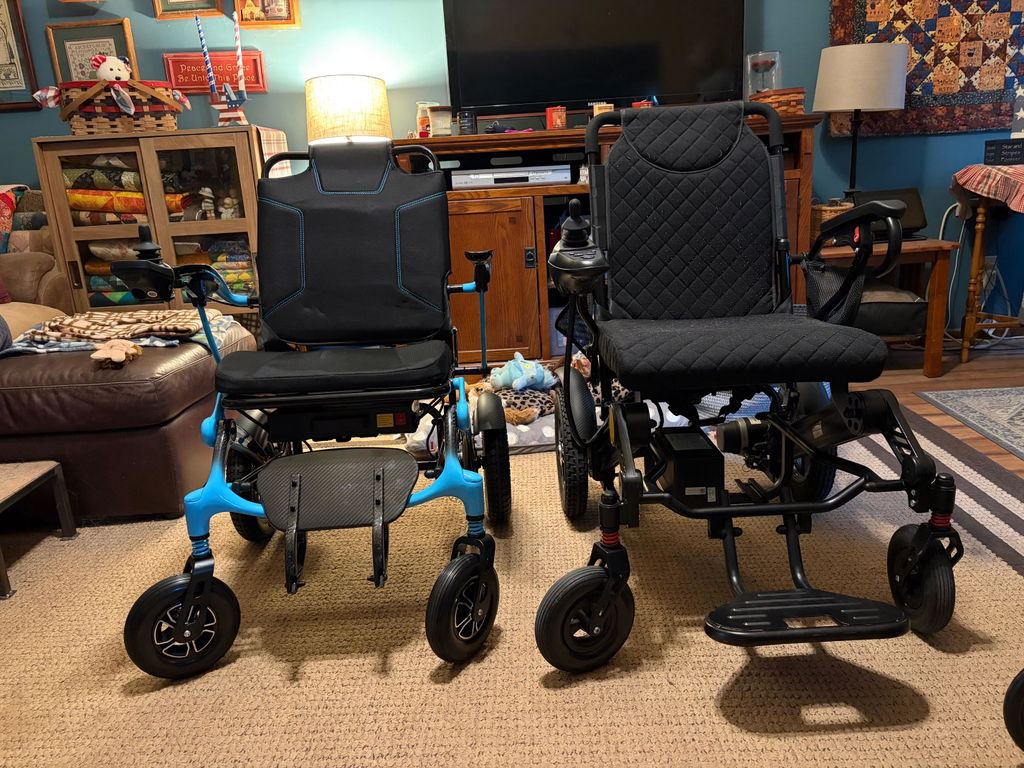
For everyday mobility, the KERDOM DX07 Ultra-Light Carbon Folding Electric Wheelchair offers a balanced combination of portability, adjustable seating space, and everyday performance.
For frequent travel, the KERDOM DX08 Carbon Fiber Lightweight Electric Wheelchair is designed for users who prioritize easy transportation. Its carbon-fiber frame weighs 25.8 pounds without the battery and folds into a compact size for car travel and airline trips.
The best activity is the one you can perform consistently and safely.
2. Build Strength, Balance, and Transfer Confidence
Strength and balance help you stand from a chair, transfer safely, reach for objects, carry groceries, and move around your home with greater confidence.
Useful exercises may include:
- Sit-to-stand movements
- Seated leg lifts
- Resistance-band exercises
- Wall push-ups
- Heel raises
- Gentle yoga or tai chi
- Supervised transfer practice
For wheelchair users, maintaining upper-body strength, core stability, and transfer confidence can be especially valuable. A physical or occupational therapist can recommend exercises based on your chair type, posture, joint health, and daily routine.
If you have a history of falls, dizziness, or severe weakness, seek professional guidance before beginning a new exercise program. Physical activity can improve physical function and help older adults continue performing daily tasks independently. National Institute on Aging
3. Eat to Support Muscle, Bones, and Energy
Nutrition becomes increasingly important as we age. A balanced eating pattern can help support muscle maintenance, bone health, immune function, and daily energy.
Try to include:
- Fish, eggs, dairy, beans, lentils, tofu, nuts, and poultry
- A variety of colorful fruits and vegetables
- Whole grains and high-fiber foods
- Calcium- and vitamin D-rich foods
- Plenty of water throughout the day
Including protein across your meals may help support muscle maintenance. When possible, choose foods with less added sugar, saturated fat, and sodium. NIA healthy meal planning guidance
If chewing, swallowing, appetite, kidney disease, diabetes, or medication interactions affect your diet, consult a doctor or registered dietitian before making major changes.
4. Protect Your Sleep and Recovery
Good sleep supports physical health, mental clarity, emotional well-being, and safety. Poor sleep can affect concentration, reaction time, balance, and energy.
Helpful habits include:
- Going to bed and waking up at consistent times
- Creating a relaxing bedtime routine
- Keeping the bedroom comfortable and quiet
- Exercising regularly, but not immediately before bedtime
- Limiting caffeine late in the day
- Avoiding long or late-afternoon naps
If you regularly have trouble sleeping, snore heavily, wake up gasping, or feel excessively tired during the day, discuss these symptoms with a healthcare professional. NIA sleep guidance
5. Stay Socially and Mentally Engaged
Independence is not only physical. Strong social connections can support emotional health, motivation, and a sense of purpose.
Try to create regular opportunities to connect:
- Call or visit a friend or family member
- Join a walking, gardening, or exercise group
- Volunteer in your community
- Learn a new skill
- Participate in religious or cultural activities
- Invite someone to share a meal
Mobility challenges can sometimes make it harder to attend social events or leave home. An accessible mobility solution may help reduce this barrier.
Whether you walk, use a manual wheelchair, or rely on a power wheelchair, staying connected can become easier when you can move around your home and community with greater confidence. Loneliness and social isolation are associated with poorer physical and mental health outcomes in older adults. National Institute on Aging
6. Prevent Small Problems From Becoming Major Setbacks
Regular preventive care can help identify problems before they interfere with daily life.
Keep up with:
- Vision and hearing checks
- Medication reviews
- Dental care
- Recommended vaccinations
- Bone-health discussions
- Regular health screenings
- Conversations about falls, dizziness, or mobility changes
Some medications may cause drowsiness, dizziness, or weakness. Ask your doctor or pharmacist to review your medications, especially if you have recently fallen or feel unsteady.
You should also make your home safer by removing loose rugs and clutter, improving lighting, installing grab bars, and keeping frequently used items within easy reach. Strength and balance exercises, vision care, medication reviews, and home-safety improvements are all important parts of fall prevention. CDC fall-prevention recommendations
New walking difficulty, repeated falls, unexplained fatigue, or a sudden decline in strength should not simply be dismissed as “normal aging.”
7. Choose Mobility Support That Preserves Independence
Using a mobility aid is not a sign of failure. It is a practical way to conserve energy, improve confidence, and continue participating in everyday activities.
The right power wheelchair depends on your body size, daily routine, travel plans, terrain, seating needs, and typical distance.
For Extra Space and Outdoor Terrain
The KERDOM Titan X24 Heavy-Duty All-Terrain Folding Power Wheelchair is designed for riders who need additional seating room and outdoor capability.
Its 24-inch extra-wide seat, published 450-pound capacity, 700W dual-motor system, wide solid tires, and reclining backrest are suited to users who want more comfort and stability across driveways, firm grass, gravel paths, and other outdoor surfaces.
For Ultra-Light Travel
The KERDOM DX08 is a practical option for people who frequently travel by car or plane.
Its lightweight carbon-fiber frame, compact folded size, airline-friendly battery, and caregiver remote make it suitable for vacations, family visits, appointments, and everyday transportation.
For Balanced Everyday Mobility
The KERDOM DX07 is designed to balance portability, comfort, and everyday performance.
The product page lists a weight of 36.5 pounds without the battery, a 350-pound capacity, adjustable seat width, airline-friendly battery options, and a range of up to 15.5 miles per battery. Actual performance depends on rider weight, terrain, incline, speed, weather, and battery condition.
For Longer Outings and Dual-Battery Use
The KERDOM DX06 Heavy-Duty Folding Power Wheelchair is suited to users who want a heavy-duty design with the option of using two batteries for extended outings.
It features an 18.5-inch seat, 500W brushless motors, solid or pneumatic tire options, and a published maximum range of up to 30 miles with the dual-battery configuration. Actual range may vary depending on rider weight, terrain, incline, speed, weather, tire condition, and battery condition.
Before choosing a wheelchair, compare:
- Seat width and seating support
- Weight capacity
- Folded dimensions
- Battery configuration
- Terrain requirements
- Turning radius
- Transport and storage needs
- Warranty and technical support
If you are unsure which option is appropriate, consult a physical or occupational therapist.
A Simple Weekly Healthy-Aging Plan
You can begin with a manageable routine:
- Every day: Move for a few minutes at a time and drink water regularly.
- Three to five days: Add walking, seated cardio, swimming, or another activity you enjoy.
- Two days: Practice muscle-strengthening exercises.
- Three days: Include balance exercises near a stable support.
- Once a week: Check your home for fall hazards.
- Regularly: Connect with someone socially and discuss health concerns with your care team.
- Before longer outings: Check your route, battery level, charging plan, weather, and rest breaks.
Final Thoughts
Healthy aging is built through consistent, realistic choices. Move in ways that suit your abilities, eat to support your body, protect your sleep, maintain social connections, prevent falls, and use mobility support when it helps you stay engaged.
Independence does not mean doing everything without assistance. It means having the confidence, tools, and support to keep living life on your own terms.
Whether you need an ultra-light travel chair, a balanced everyday wheelchair, a dual-battery option, or an extra-wide all-terrain model, KERDOM offers mobility solutions designed around different lifestyles and levels of support.
Explore KERDOM Power Wheelchairs
This article is for general education and is not a substitute for individualized medical advice. Product specifications and availability may change; review the product page and owner’s manual before purchasing or operating a wheelchair.