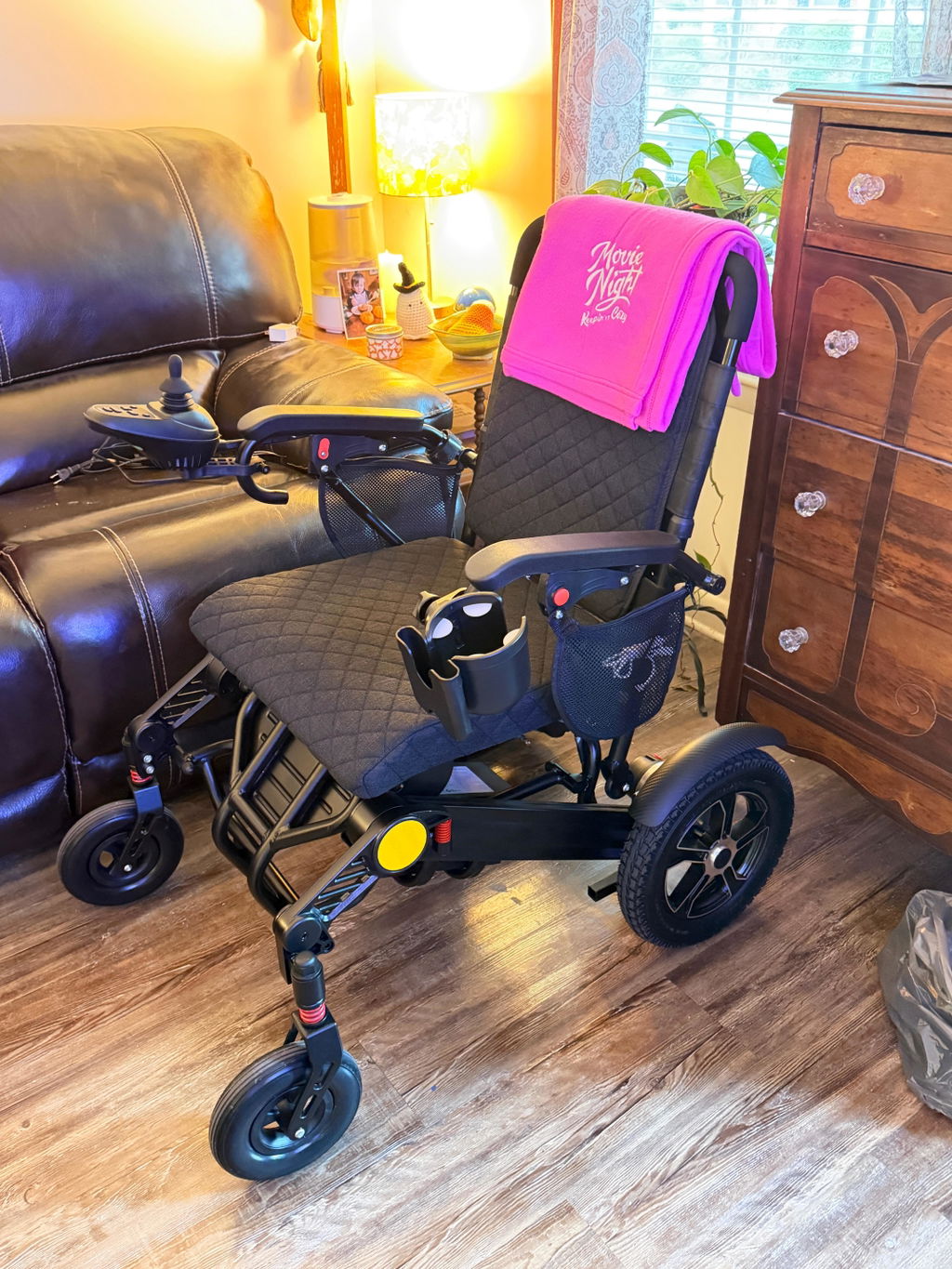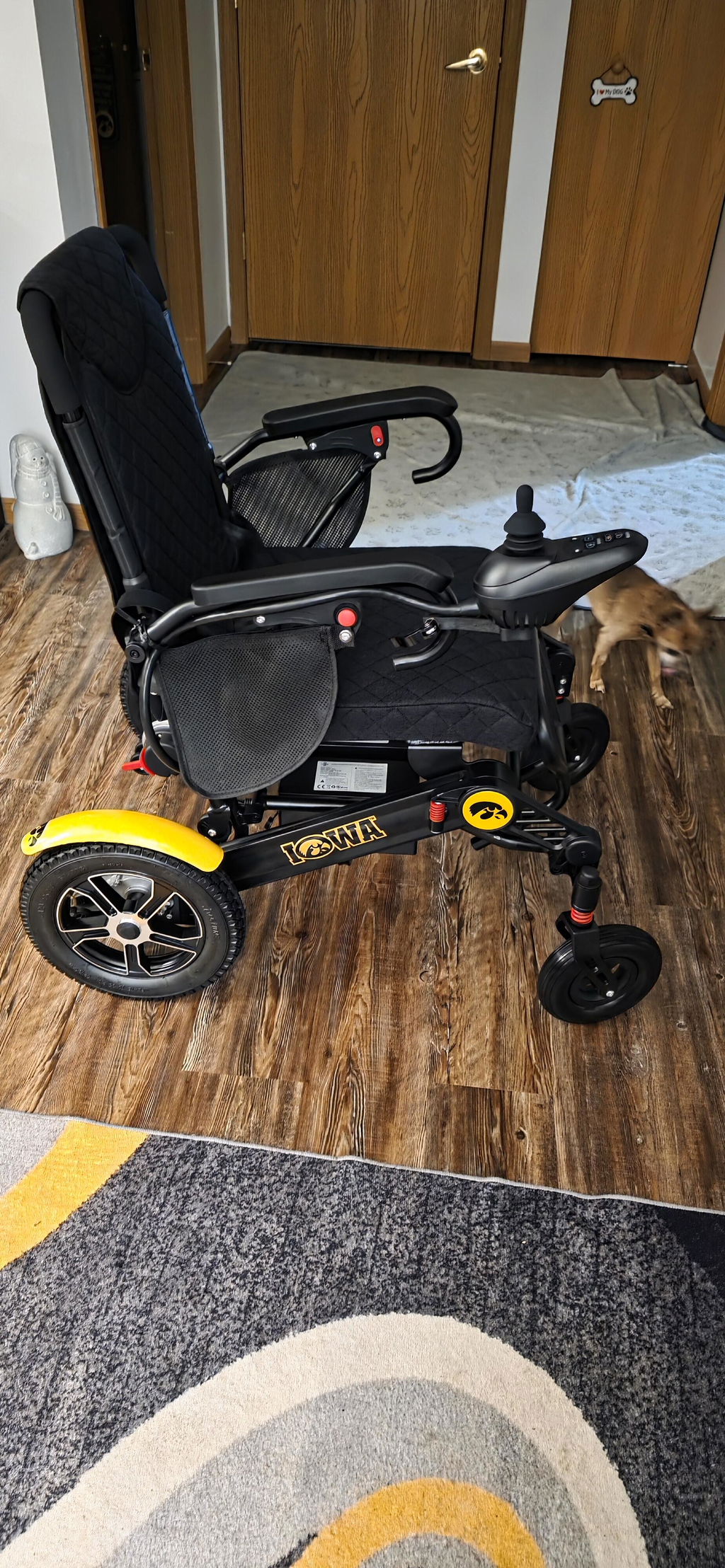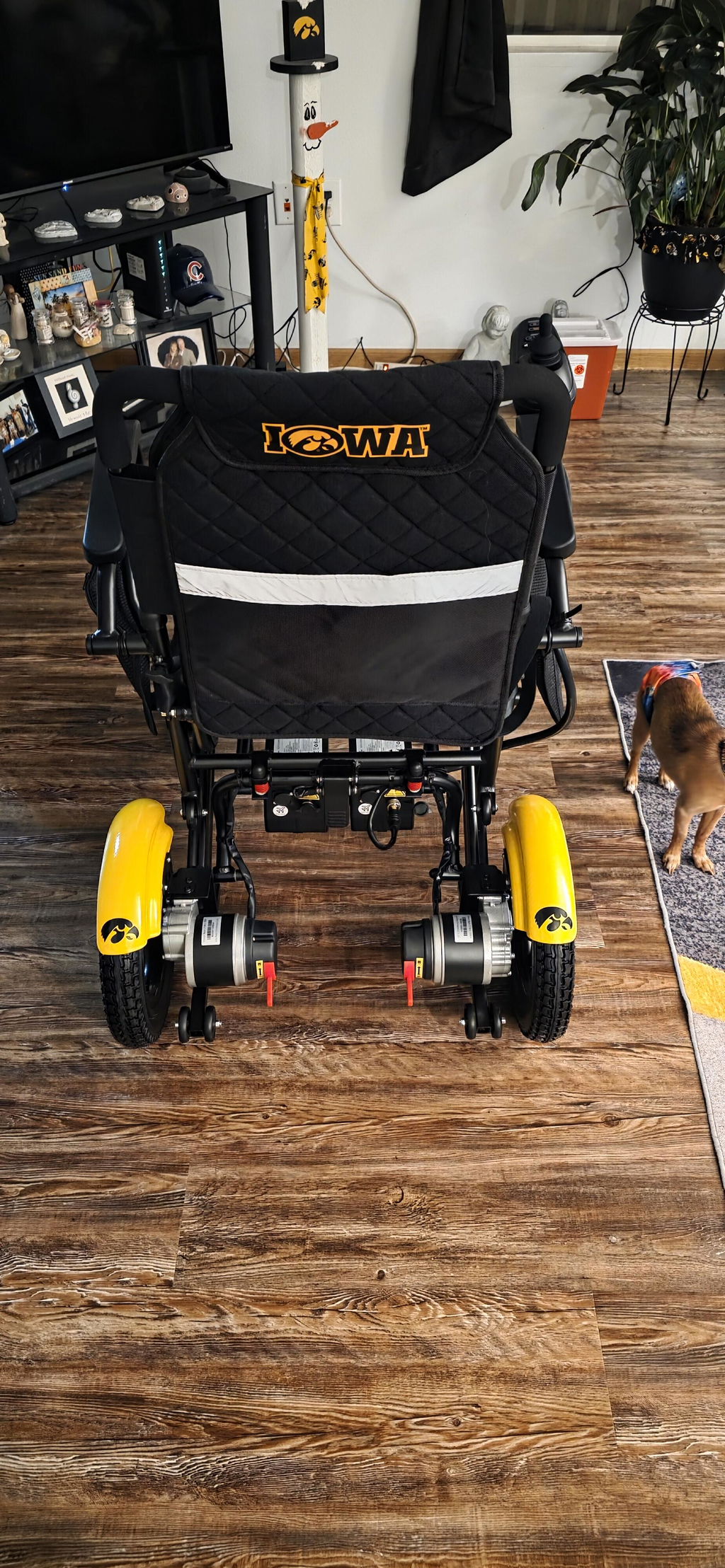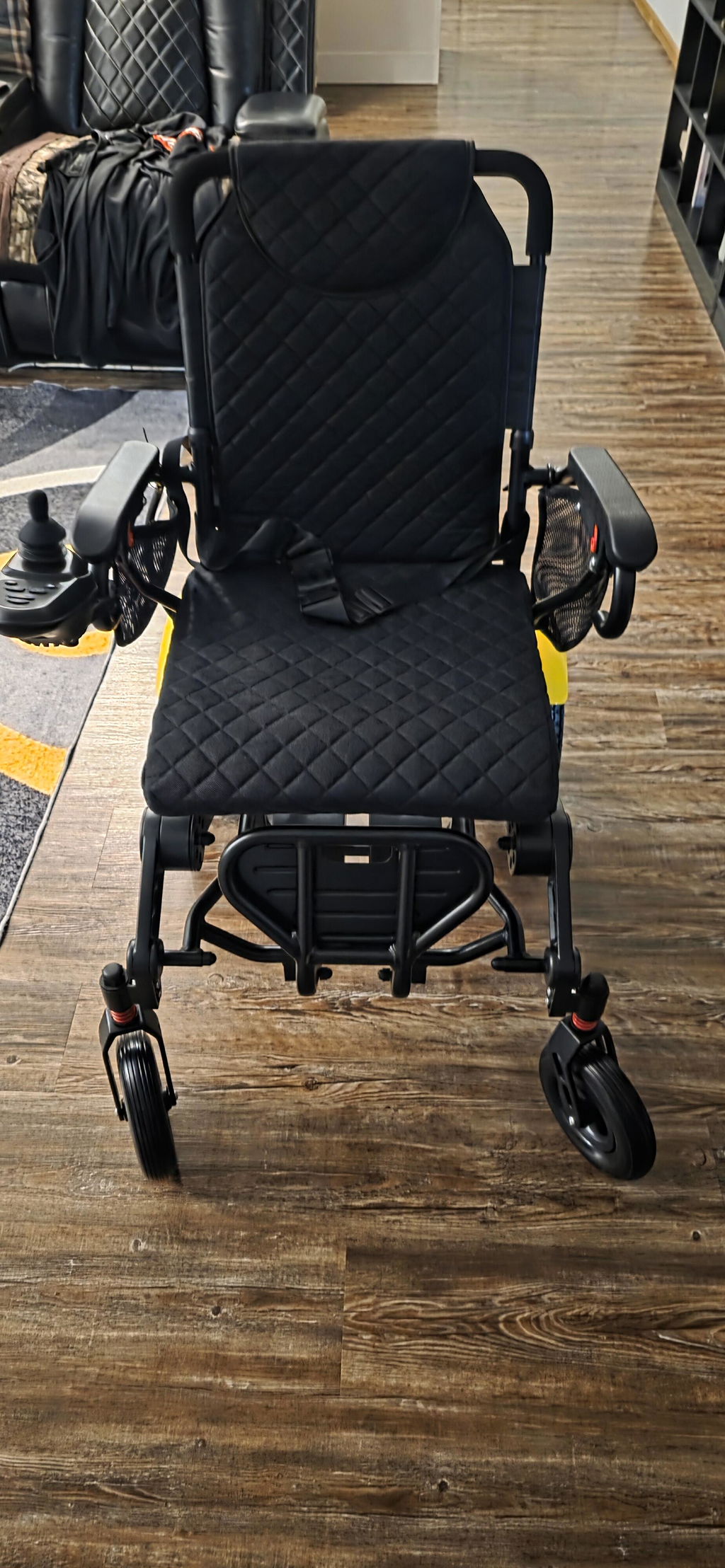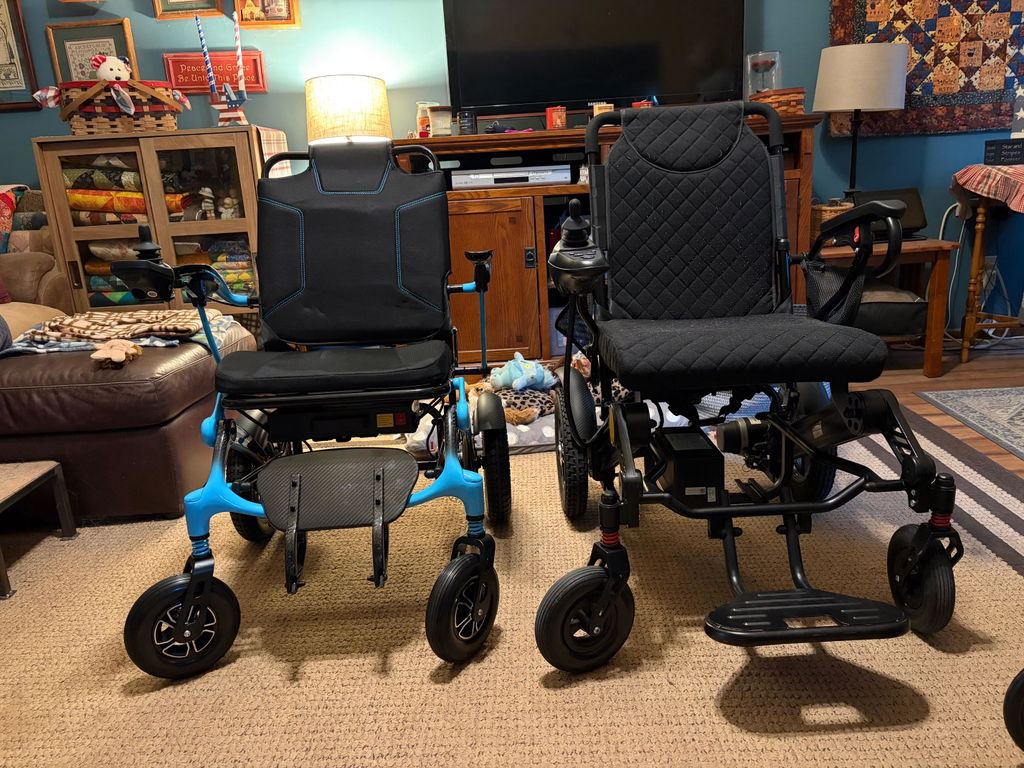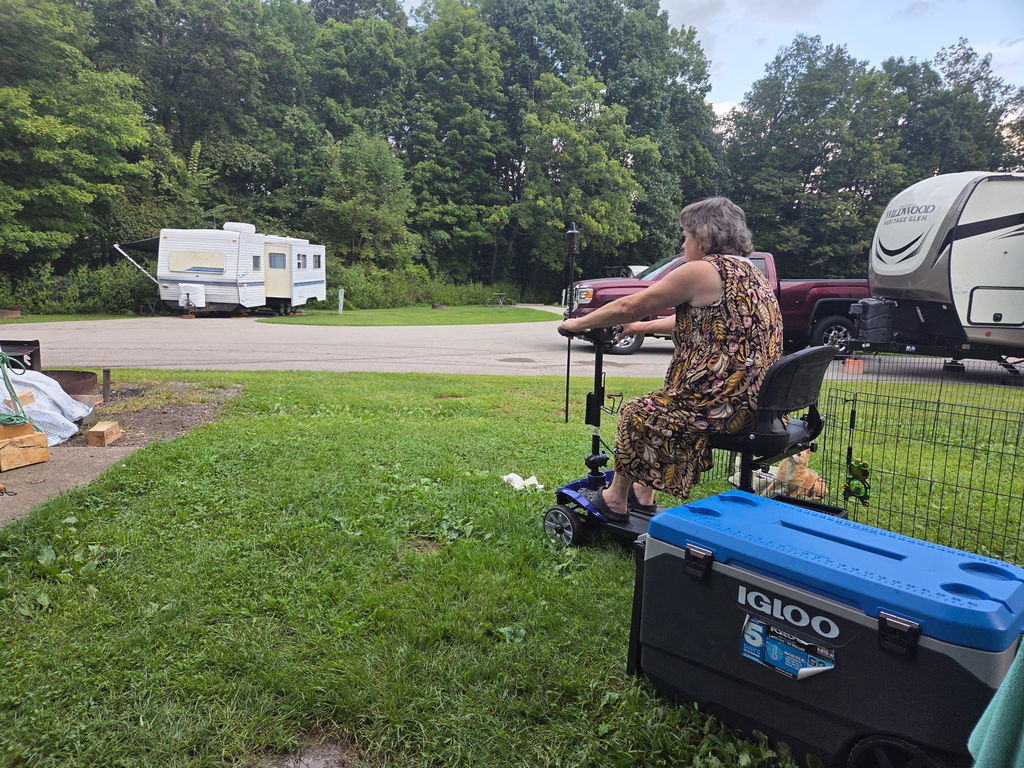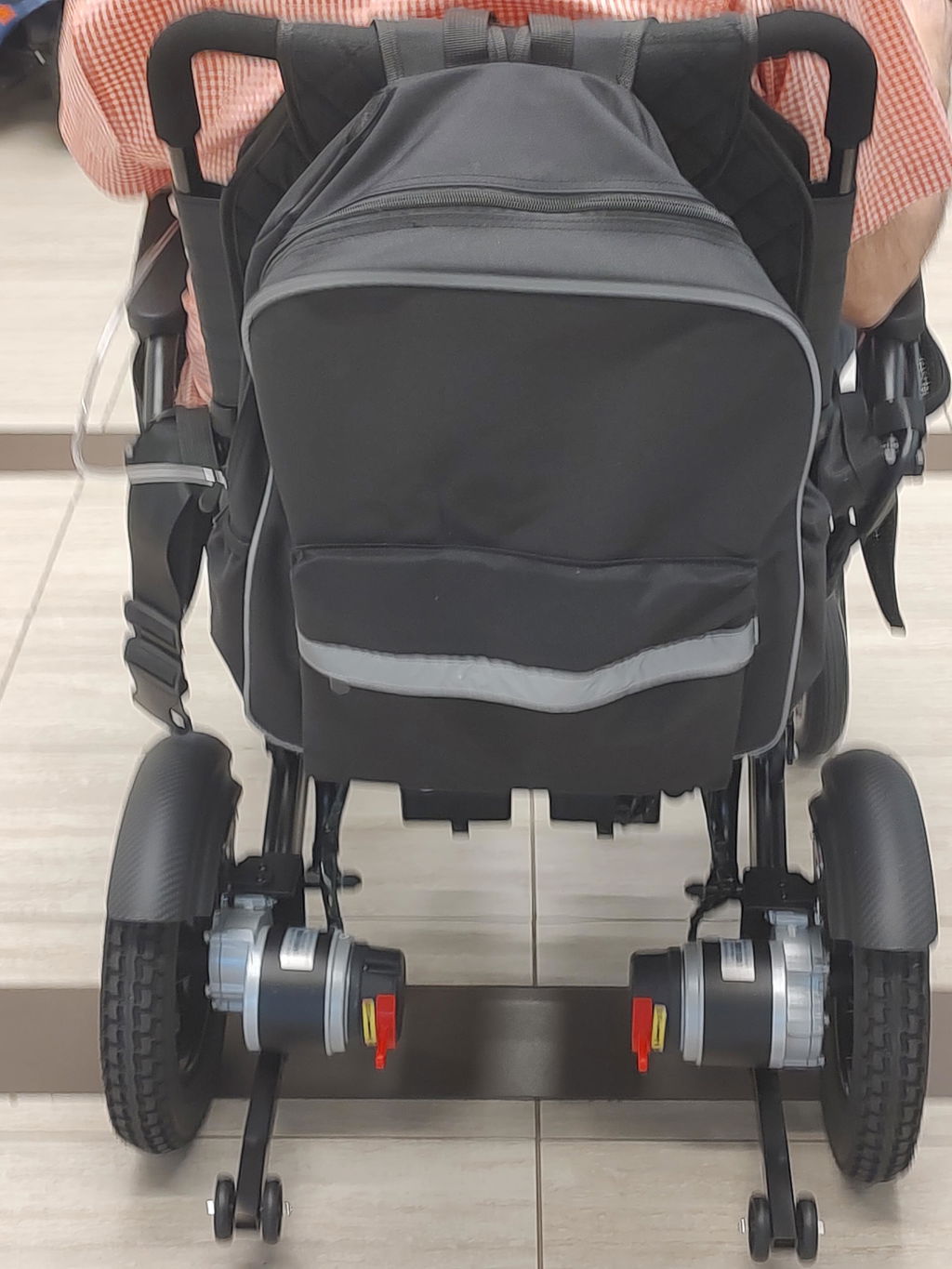

A published battery range is a useful comparison point, but it should not be the only number you use when planning an outing. A real trip includes the return route, hills, surface changes, stops, weather, rider weight, and the possibility that a planned route becomes harder than expected.
The safest approach is to plan around the trip you need to complete, not the maximum distance printed in a specification.
Start With the Full Round Trip
Do not plan only for the distance to your destination. Include the return route, detours, and the distance needed to reach a safe charging location or pickup point.
Before leaving, write down:
- Distance from home to the destination
- Distance back home
- Steep sections, grass, gravel, or rough pavement
- Places where the chair may need to stop and restart
- A safe place to turn around if conditions change
A route that feels easy in one direction may be more demanding on the return trip. A downhill ride out can become an uphill ride home. A dry path can become softer after rain. Planning the complete route helps prevent an avoidable low-battery situation.
Charge for the Trip You Have Planned—and Pack a Backup Plan
Charge your electric wheelchair fully before leaving, especially when the trip includes hills, rough ground, cold weather, or a long return route. Bring your charger when you expect a reliable place and enough time to recharge.
For longer outings, an approved compatible spare battery can provide useful extra flexibility. Keep it protected and securely packed, cover the terminals if required, and follow the battery instructions for your specific wheelchair. A spare battery is a backup—not a reason to plan beyond a safe return reserve.
Before heading out, confirm that both your primary and spare batteries are charged, the route is practical, and you still have enough power to return without relying on an unplanned charging stop.
Protect Your Return Battery Reserve
Do not plan to arrive home on the last two battery bars. If only two bars remain while you are still away from home, treat it as a high-risk warning—especially if the return route includes hills, uneven ground, cold weather, wind, or a detour.
Turn back or recharge before the battery reaches this point whenever possible. Battery displays are useful warning tools, but they do not guarantee an exact remaining distance.
For longer trips, unfamiliar routes, or days with multiple stops, bring a fully charged spare battery that is compatible with your wheelchair. A spare battery gives you a practical backup if the return journey uses more power than expected.
Keep a larger buffer when:
- The route includes hills or uneven ground
- The weather is cold, wet, or very hot
- The chair is carrying bags or equipment
- The rider is using the chair for longer than usual
- The destination does not have a confirmed charging option
- The route is unfamiliar
Check the Route Before You Go
Battery planning works best when it is combined with route planning. Before a longer trip, check the path for loose gravel, deep grass, standing water, soft shoulders, steep slopes, and narrow places where turning around could be difficult.
A wheelchair may use more power when it needs to repeatedly start, stop, turn, or push through a softer surface. If the route is unfamiliar, start at low speed and stay close to a firm return path.
For a planned day out, carry a charged phone and tell someone where you are going. If possible, share the destination and expected return time.
Charge for the Trip You Have Planned
Use the charger and charging instructions intended for your chair. Charge in a dry area that is easy to access, and check that the charger, cable, and connector are in good condition.
Before a longer outing, confirm:
- The battery is charged
- The charger is available for the return trip if needed
- The control display is working normally
- Tires and wheels are free from damage or trapped debris
- Bags and accessories are secured away from moving parts
Do not rely on a last-minute charge if the chair has not been used or charged for an extended period. Build charging into the routine before travel day.
When Battery Use Changes Suddenly
A noticeable change in range does not always mean the battery has failed. Route conditions, weather, load, tire condition, or repeated starts can affect performance.
However, contact support if the chair stops charging normally, the battery indicator behaves unexpectedly, range drops sharply during familiar trips, or a connector is damaged. Follow the owner manual for chair-specific troubleshooting and do not modify electrical components yourself.
Frequently Asked Questions
How far can an electric wheelchair go on one charge?
The answer depends on the chair, battery setup, rider weight, terrain, weather, speed, and route. Use the published range as a comparison point, then test normal trips gradually and record real battery use.
Do hills reduce electric wheelchair range?
Yes. Climbing, repeated starts, and uneven surfaces can require more power than smooth level pavement. Plan a larger return buffer when the route includes hills.
Can I use an electric wheelchair on grass or gravel?
Some chairs can handle firm grass or compact gravel. Wet turf, loose stones, deep sand, and soft ground can reduce traction and use more battery. Check the route and follow the owner manual.
Should I bring a charger on a day trip?
Bring it when you have a confirmed, safe place to charge and the trip is long enough to require it. A charger is not a substitute for planning enough battery to return safely.
Final Takeaway
The best battery plan starts with the full route, not the maximum advertised range. Measure the round trip, inspect the terrain, charge before leaving, and keep enough battery for a changed plan.
With a familiar route and a realistic return buffer, an electric wheelchair can support errands, appointments, family visits, and outdoor time with fewer surprises.
Explore the KERDOM electric wheelchair collection to compare models based on your routine, transport needs, and route conditions.