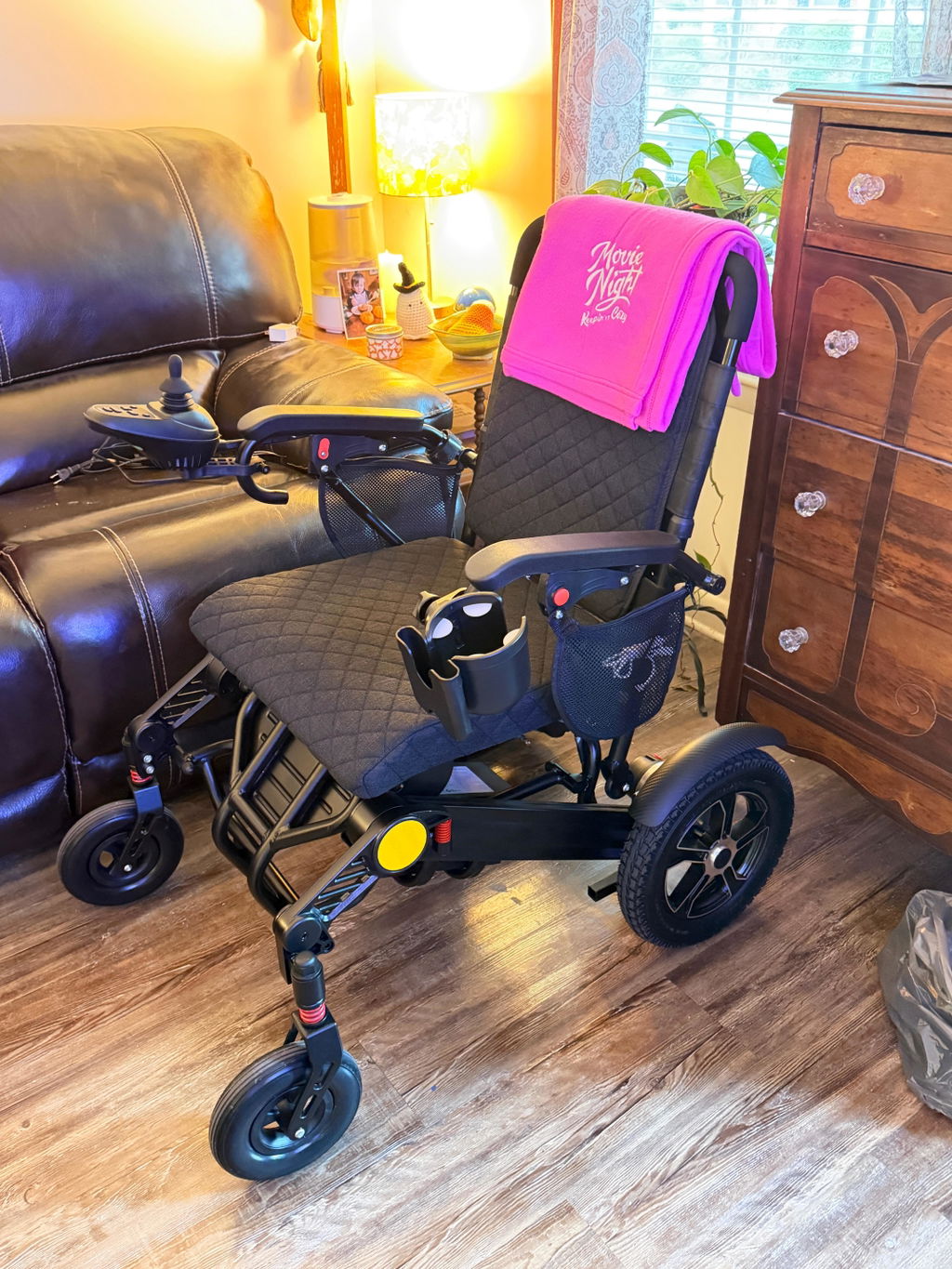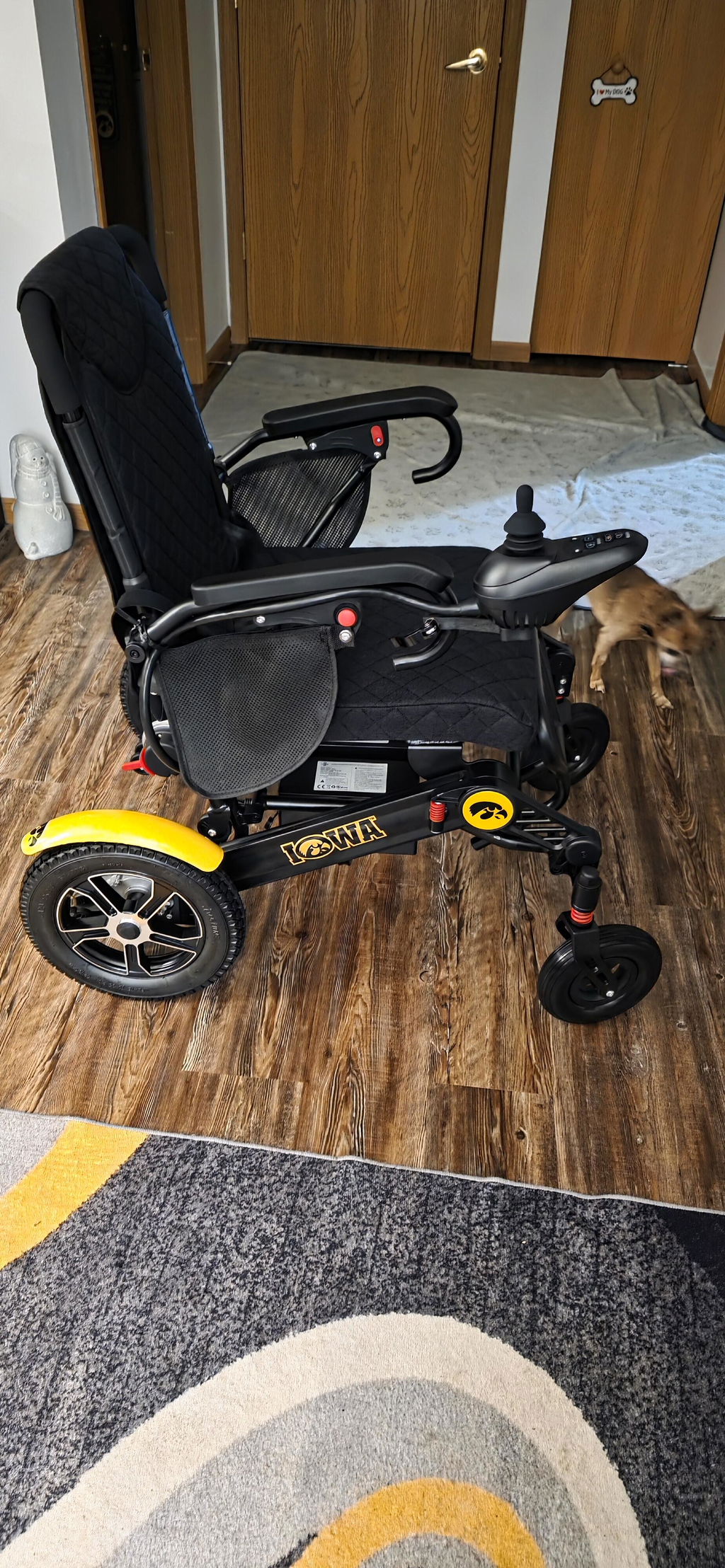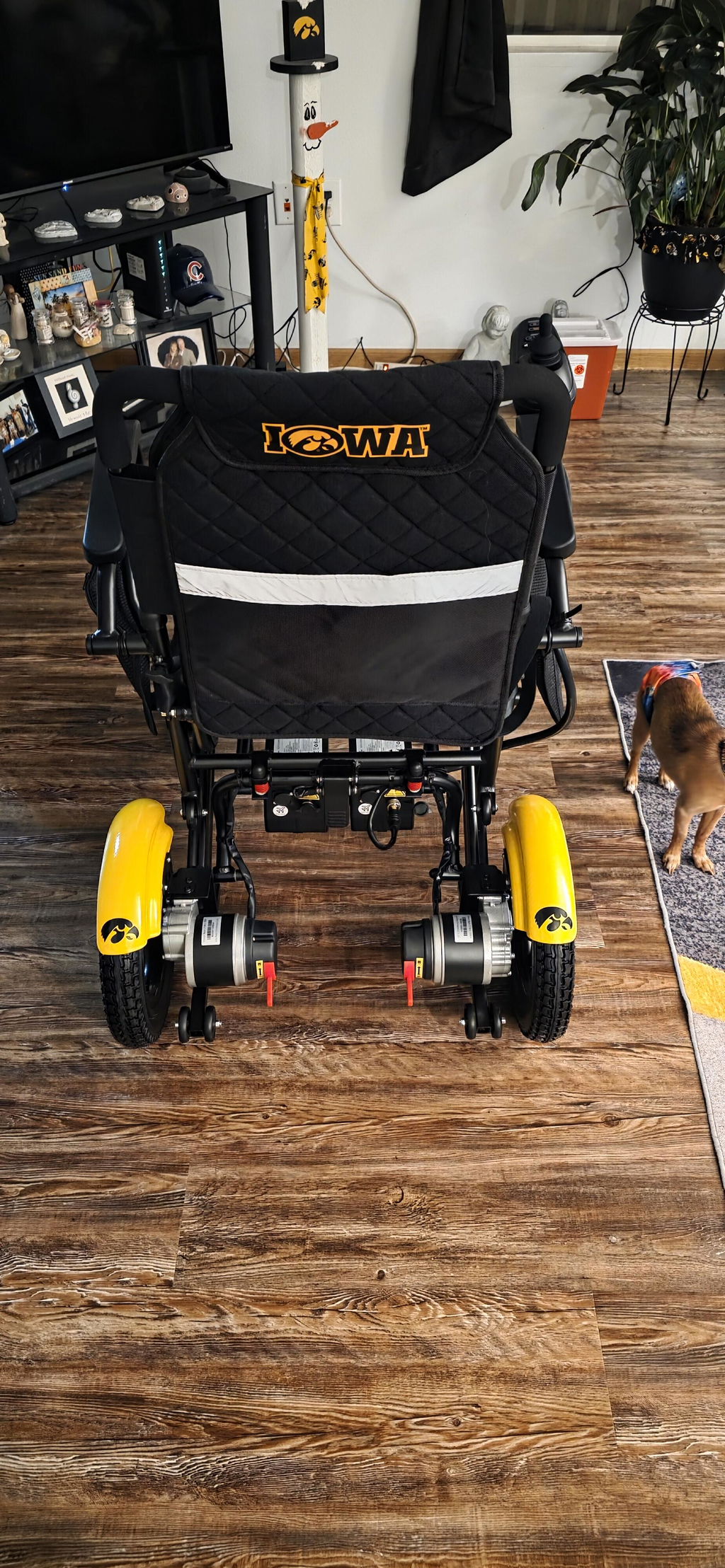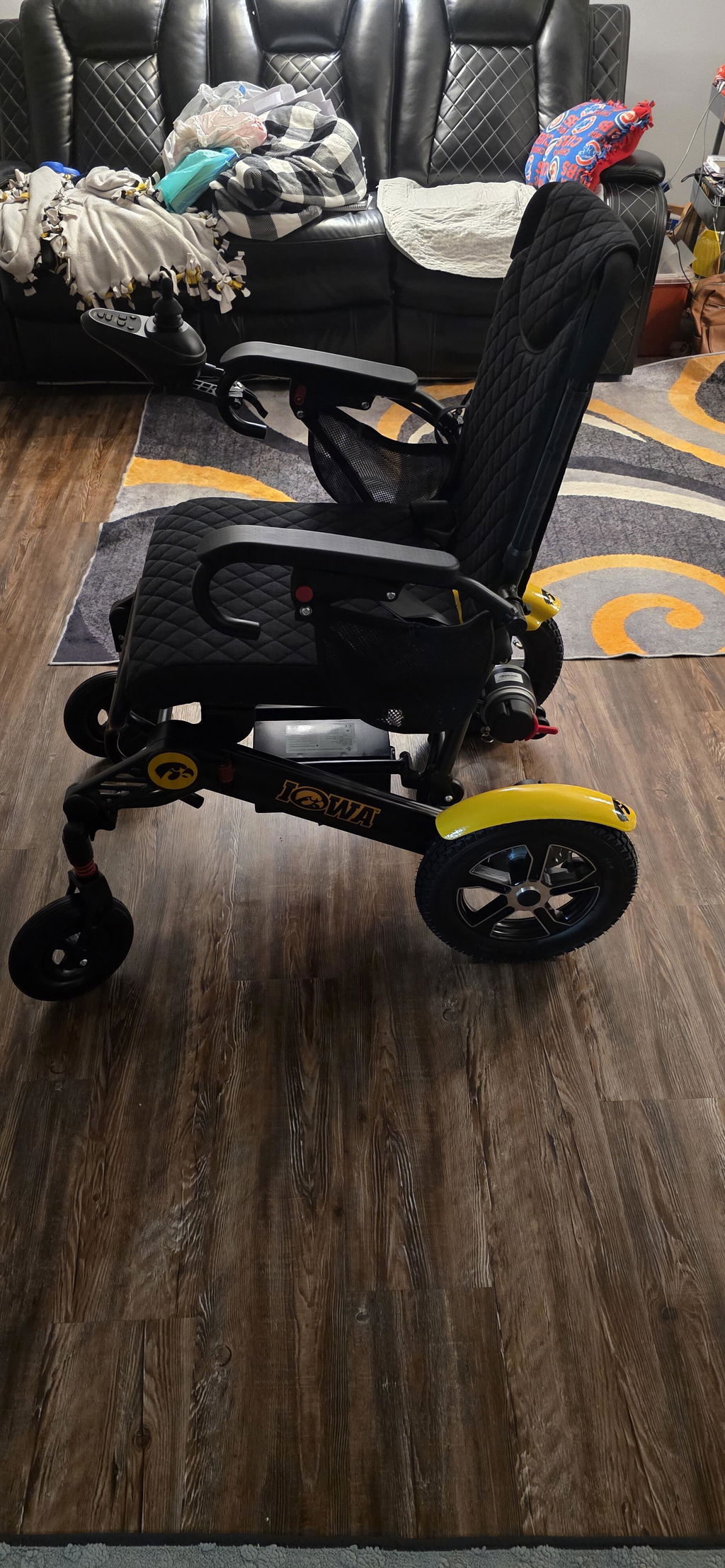

Choosing an all-terrain electric wheelchair for sand and gravel begins with the route, not the motor rating. A compacted gravel driveway, a hard-packed park path, and a dry lawn can be manageable. Loose stone, deep dry sand, wet grass, ruts, and cross-slopes can quickly change how a chair starts, turns, and stops.
This guide compares KERDOM Titan X24, DX06, and DX05 for outdoor use. It focuses on seat fit, weight capacity, traction, battery planning, and transport so you can match the chair to the surfaces you use most often.
Quick Answer
Titan X24 is the strongest starting point for riders who need a 24-inch seat, a 450 lb capacity, and a grounded four-wheel platform for firm grass and compact gravel. DX06 suits riders who want outdoor capability in a narrower 18.5-inch seat. DX05 is a wider folding option for mixed everyday travel, with battery choices that can be matched to the route.
None of these chairs should be treated as a beach wheelchair. Do not plan to use a standard power wheelchair on deep dry sand, deep mud, ice, or an uninspected steep slope.
What Makes Sand and Gravel Difficult
The U.S. Access Board describes accessible surfaces as firm, stable, and slip resistant. That is a useful test even when you are not on a formal accessible route. Loose gravel moves under the wheels unless it has been compacted, stabilized, or supported by a grid. Dry sand creates high rolling resistance, while wet grass can reduce traction without looking difficult from a distance.
If a walking shoe leaves a deep footprint, a wheelchair tire may also sink or spin. Start on a small, level section at low speed, with another adult nearby and a clear route back to firm ground.
|
Surface |
Usually more manageable |
What raises the risk |
|
Gravel |
Compacted, level, well-maintained driveways |
Loose stones, potholes, soft shoulders, cross-slopes |
|
Grass |
Short, dry grass over firm soil |
Wet turf, hidden holes, roots, soft ground |
|
Packed dirt |
Dry, smooth, maintained paths |
Ruts, washouts, mud, loose edges |
|
Sand |
Firm boardwalks or designated compacted access routes |
Deep dry sand, steep beach approaches, no recovery access |
|
Snow |
Cleared, firm routes where the manual permits use |
Ice, deep snow, slush, hidden curbs |
Five Features That Matter Outdoors
Tire Footprint and Tread
Wide tires spread the load over more ground, while tread helps the chair grip compacted gravel, grass, and hard-packed dirt. Larger tires can improve traction, but they also add weight and take up more vehicle space. Match the tire design to the route you actually use.
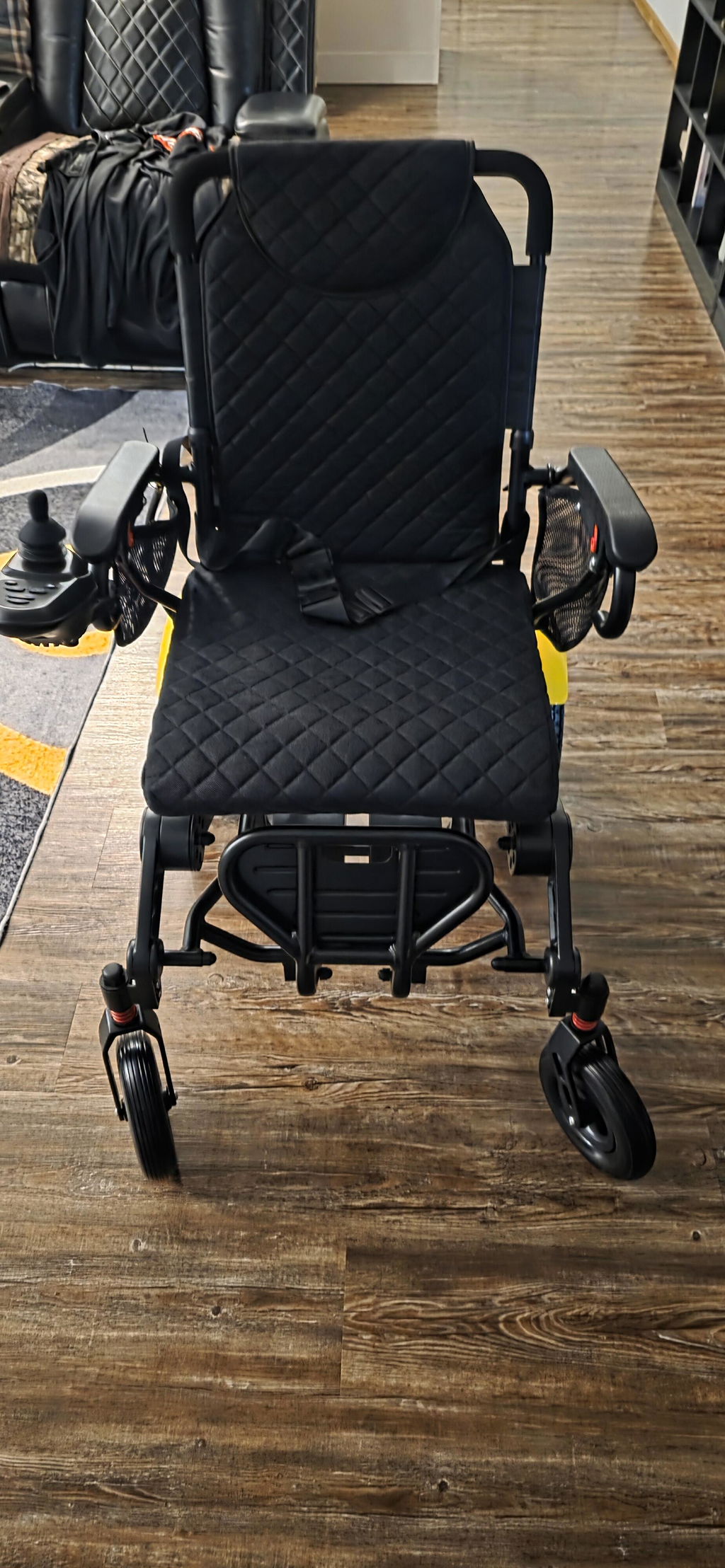
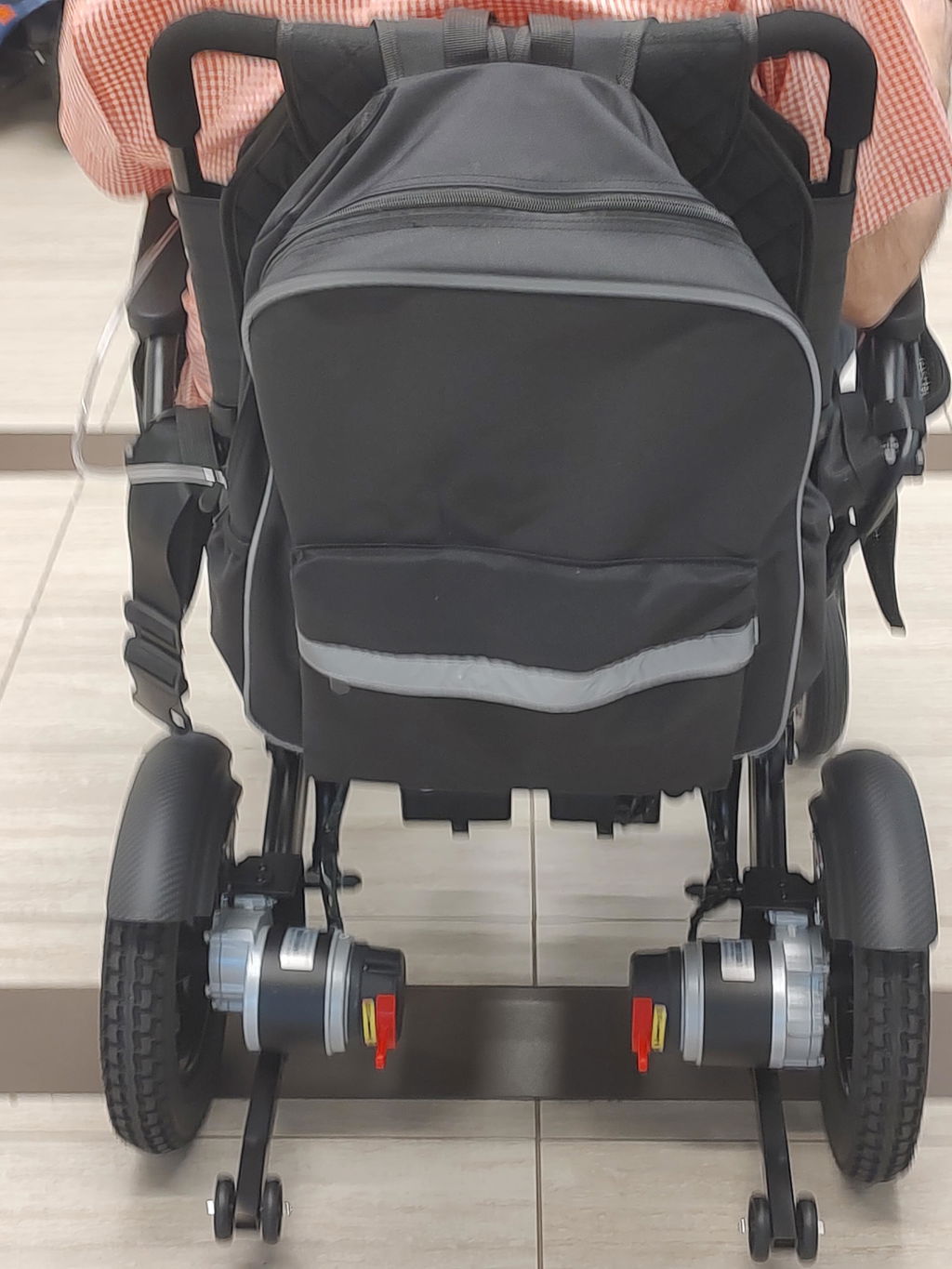
Titan X24 uses 12.5 by 8.5-inch wide solid tires. DX06 and DX05 use 8-inch front and 12-inch rear wheels in the configurations compared here. Solid tires remove puncture concerns, but they may transmit more vibration on rough surfaces. Seat cushioning and driving speed still affect comfort.
Low Speed Torque
Controlled torque matters when a chair starts on grass, climbs a driveway, or moves across compact gravel. Titan X24 uses dual 350W brushless motors for 700W total power. DX06 and DX05 use dual 250W brushless motors for 500W total power.
Power figures are useful for comparison, but they do not predict every outdoor result. Rider weight, battery charge, controller response, tire grip, wheel size, surface condition, and slope all affect performance.
Seat Fit and Weight Capacity
Outdoor control begins with a stable seated position. A rider who is squeezed into a narrow seat or reaching awkwardly for the joystick may have less control when the ground becomes uneven. Measure seated hip width, compare the usable space between the armrests, and include cushions, clothing, bags, and accessories when considering the load.
Battery Planning
Published range figures are measured in favorable conditions. Hills, loose surfaces, frequent starts, colder weather, heavier loads, and battery age can shorten the distance you can travel. Plan to return with about 25 to 30 percent battery remaining. That is a conservative planning buffer, not a performance guarantee.
Chair Size and Recovery Space
Measure the route for more than straight-line width. Check gates, bridge entrances, campground paths, and places where the chair must turn around. The ADA reference point of 36 inches of continuous clear width can help identify obvious pinch points, but it does not make every outdoor path safe. The chair also needs enough room to turn without putting a wheel on a soft shoulder.
Model Comparison
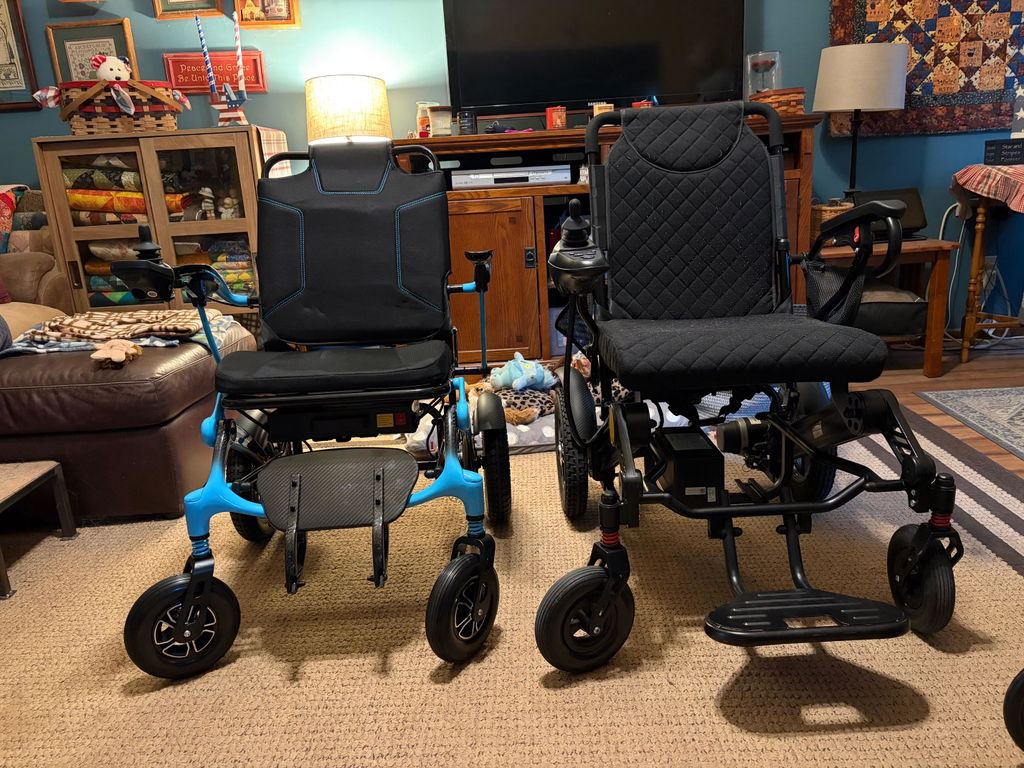
The right choice depends on whether you need maximum seat room, a narrower outdoor chair, or a flexible folding chair for mixed daily travel.
|
Model |
Best for |
Key details |
Trade-off to consider |
|
Titan X24 |
Larger riders who need maximum seat room and a substantial outdoor platform |
24-inch seat; 450 lb capacity; 700W total power; wide solid tires; up to 15 miles; 66 lb without battery |
Largest footprint and more vehicle-planning work |
|
DX06 |
Outdoor use in a narrower seating format |
18.5-inch seat; 350 lb capacity; 500W total power; 58.5 lb without battery |
Narrower seat; battery choice affects range |
Specifications, accessories, and availability can change. Confirm the selected configuration, warranty terms, and owner manual before ordering or using any power wheelchair outdoors.
Which Model Fits Your Route
Titan X24 for Room and Heavy Duty Support
Choose Titan X24 when a 24-inch seat, a 450 lb capacity, and a stable four-wheel platform are the priorities. It is the best fit in this comparison for riders whose regular routes include firm lawns, compact gravel, hard-packed rural roads, accessible ramps, and everyday thresholds. Its 66 lb net weight and folded size mean the household should measure the cargo opening and decide whether a ramp, a vehicle lift, or two-person lifting is appropriate.
DX06 for Outdoor Capability in a Narrower Chair
Choose DX06 when outdoor capability matters but the rider fits an 18.5-inch seat. Its folding frame supports a more practical vehicle-loading plan than a larger heavy-duty chair, but it is still substantial enough to require realistic lifting and storage planning. Confirm the battery choice before you decide whether the available range suits your normal route.
DX05 for a Wider Folding Option
Choose DX05 when you want more seat room than DX06 in a folding chair for stores, sidewalks, a firm lawn, park paths, and occasional compact gravel. It can be a practical middle ground when seat width, transport, and battery choice all matter. Stay on boardwalks, paved approaches, or firm designated access routes for waterfront trips unless the owner manual specifically permits the surface.
Three Minute Route Check
Before taking an all-terrain electric wheelchair onto an unfamiliar surface, stop and answer these questions.
Is the Ground Firm Enough
Look for deep footprints, loose stones, mud, standing water, ruts, roots, and soft shoulders. Avoid a route that does not leave a reliable path back to firm ground.
Can You Stop and Turn Safely
Check the steepest section and any side-to-side slope. Identify a flat place to turn around. Approach inclines straight on and avoid sharp turns across the face of a slope.
What Is the Recovery Plan
Carry a charged phone, tell someone where you are going, and keep enough battery to return. Do not enter deep sand or mud unless the chair is specifically rated for it and another person can help without risking injury.
Safety and Maintenance Before an Outdoor Trip
Inspect the tires for damage and trapped debris. Confirm that the battery is charged, the joystick responds normally, and bags are secured away from the wheels. Begin at the lowest useful speed and increase it only after the surface feels predictable.
After gravel, sand, or wet grass, inspect the tires, casters, folding joints, battery area, and lower frame. Remove dirt as directed in the owner manual and allow the chair to dry before charging. Do not pressure-wash electrical components.
Stop using the chair and seek advice from a qualified clinician or seating professional if the rider has pain, numbness, skin irritation, trouble reaching the joystick, or loss of postural control.
Frequently Asked Questions
Can an all-terrain electric wheelchair go on the beach
It may be able to use a firm boardwalk or a compacted access route, but deep dry sand can stop many power wheelchairs. Inspect the route and avoid any area where recovery would be difficult.
Which KERDOM wheelchair is best for gravel
Titan X24 is the leading choice here for maximum seat room, capacity, and a heavy-duty outdoor platform. DX06 is the terrain-focused alternative for riders who fit an 18.5-inch seat. DX05 is the wider folding option for mixed everyday routes.
Is 700W always better than 500W
No. Motor power is only one factor. Tire grip, controller response, chair weight, rider weight, battery condition, seat fit, and the surface can matter just as much.
Can Titan X24 climb a 15 degree slope
Titan X24 is rated for inclines up to 15 degrees under suitable conditions. That is an operating limit, not a recommendation for wet grass, loose gravel, or cross-slopes. Approach any incline slowly, straight on, and in line with the owner manual.
How much battery reserve should I keep outdoors
A 25 to 30 percent reserve is a sensible planning buffer for variable terrain, though it is not a manufacturer guarantee. Turn back earlier when the route includes hills, grass, gravel, cold weather, or repeated starts.
Final Recommendation
The best all-terrain electric wheelchair for sand and gravel is the one that fits both the rider and the route. Choose Titan X24 when a 24-inch seat, 450 lb capacity, and a substantial outdoor platform are the priorities. Choose DX06 when outdoor capability matters but the rider fits a narrower seat. Choose DX05 when you want a wider folding chair with battery choices for mixed daily travel.
Before buying, measure the rider, the narrowest doorway, the vehicle opening, and the steepest part of the regular route. Before each outdoor trip, inspect the surface, keep a battery reserve, and know where you will turn around. Those checks matter more than any all-terrain label.
To see the broader range, compare KERDOM electric wheelchairs and confirm the configuration that matches your route and seating needs.
References
1. U.S. Access Board, Floor and Ground Surfaces Open source
2. U.S. Access Board, Accessible Routes Open source
3. KERDOM Titan X24 Open source
4. KERDOM DX06 Open source
5. KERDOM DX05 Open source