
If a standard wheelchair seat feels tight across your hips or thighs, a 24 inch seat electric wheelchair may give you the room you have been missing. A wider seat can make it easier to sit down, adjust your position, and stay comfortable through a doctor’s appointment, shopping trip, or family visit. The important part is finding the right fit—not simply choosing the widest chair available.
Quick answer: Measure your seated hip width first. Then compare seat width, seat depth, armrest position, weight capacity, overall chair width, and vehicle fit. A 24-inch seat is a good starting point when a narrower chair creates pressure or makes repositioning difficult.
Why Seat Width Affects Everyday Comfort
A chair that is too narrow can press against the hips and thighs, especially when the rider is wearing jeans, a coat, or other outdoor clothing. It may also make it harder to shift position during a long outing. On the other hand, a seat that is too wide can leave the rider leaning from side to side and make the joystick or armrests harder to reach.
The goal is a stable, comfortable fit with enough clearance to move naturally. Seat width should be considered together with seat depth, cushion support, backrest height, footrest length, and the rider’s posture. If the rider has pressure-management, spinal, or complex seating needs, ask a qualified seating specialist for individual guidance.[1]
How to Measure for a 24-Inch Seat
Sit upright on a firm chair while wearing the clothing you normally use outside the home. Measure across the widest part of the hips or thighs. Add enough clearance for comfortable movement and seasonal clothing, but avoid adding so much space that the rider loses useful side support.
Next, measure the route the chair will take. Check the narrowest doorway, hallway, elevator, bathroom entrance, ramp, and vehicle opening. The chair’s overall width—not just its seat width—is what determines whether it can pass through a doorway.
Who Should Consider a Wide-Seat Power Wheelchair?
A wide seat power wheelchair may be a better fit for larger adults, riders who need extra hip clearance, or anyone who spends several hours seated during the day. It can also help when a caregiver needs more space to assist with positioning or when the rider wears bulky clothing outdoors.
A wider seat is not only about body size. Some riders prefer additional room because they shift position frequently, use a cushion, or need more space around the hips and thighs. The right chair should support independence without making the rider feel confined.
More Room During Longer Outings
A medical appointment may involve a long wait. A museum visit may last several hours. At a family event, the rider may want to stay through dinner rather than leave early because the seat has become uncomfortable. Extra room can make these ordinary activities more manageable, although good cushion support and regular repositioning still matter.
Easier Entry and Repositioning
A roomier seat may make it easier to lower into the chair and settle into a stable position. The rider should still be able to reach the joystick, use the armrests, and keep the feet supported without leaning too far forward or sideways.
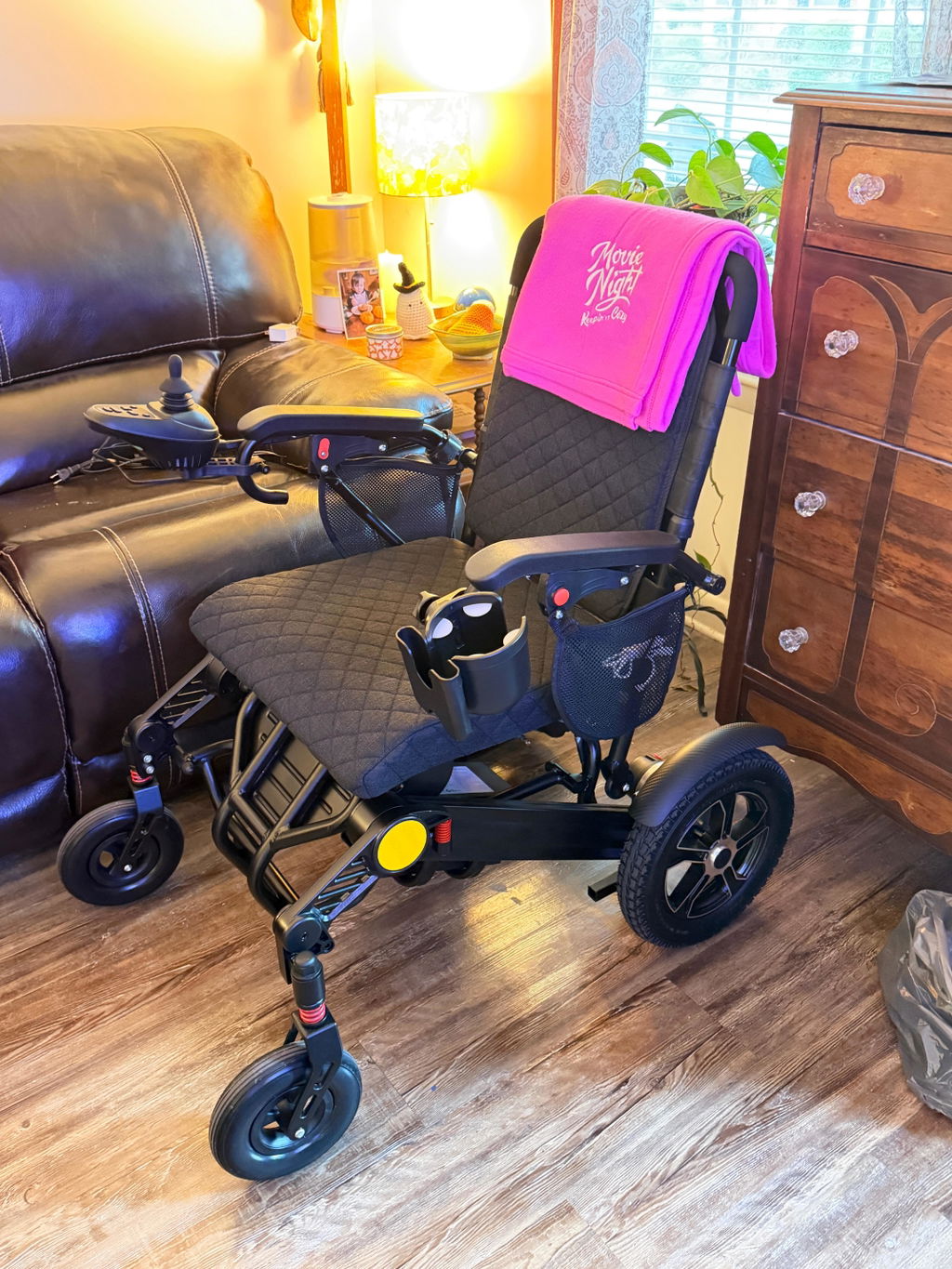
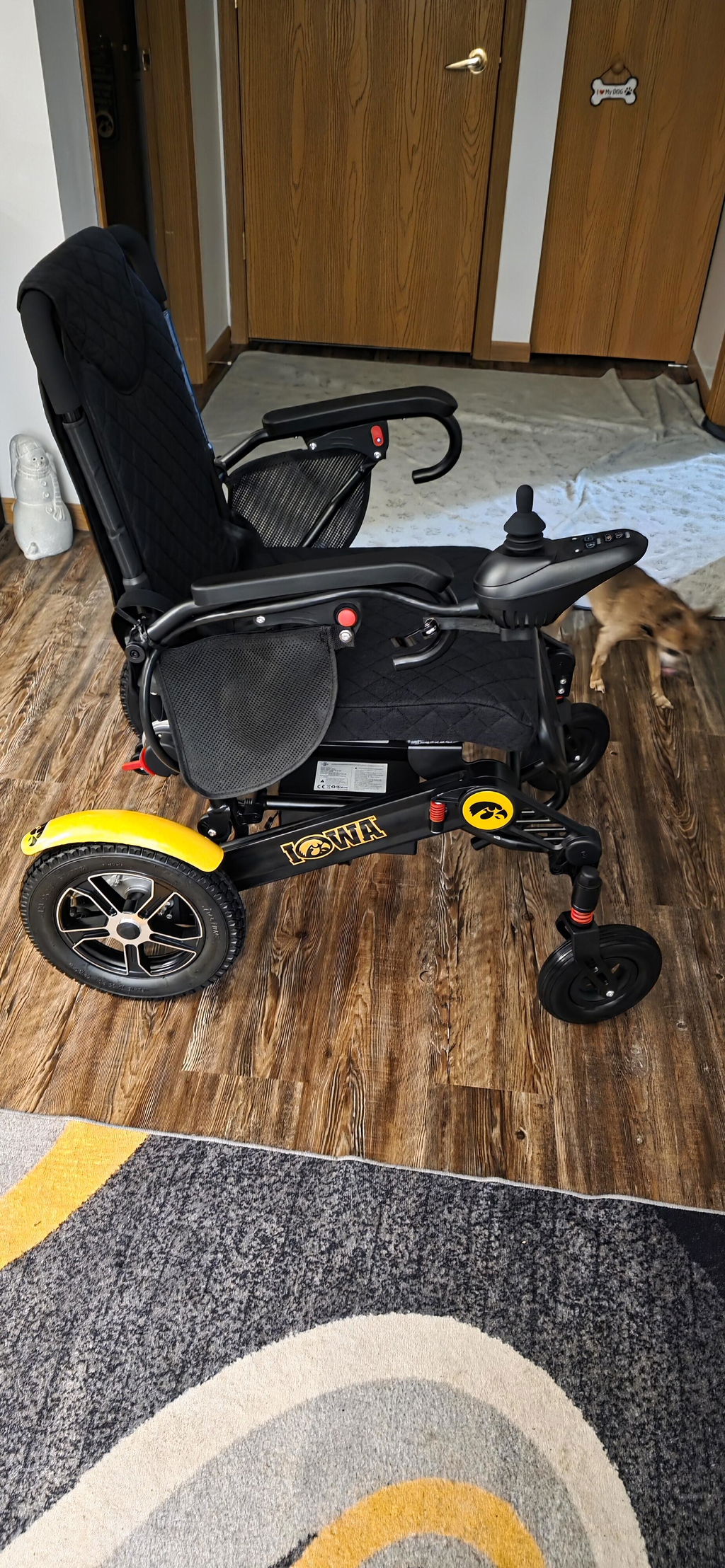
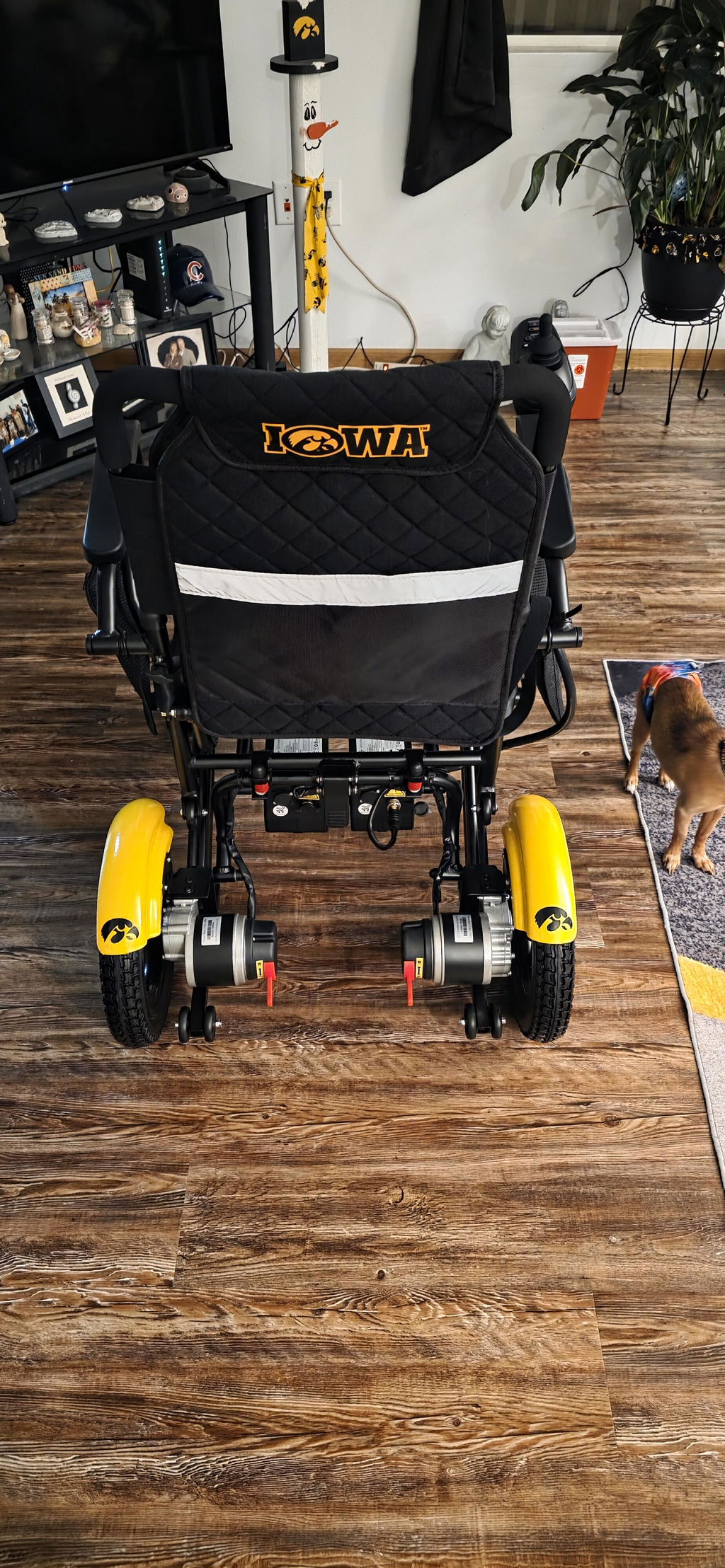
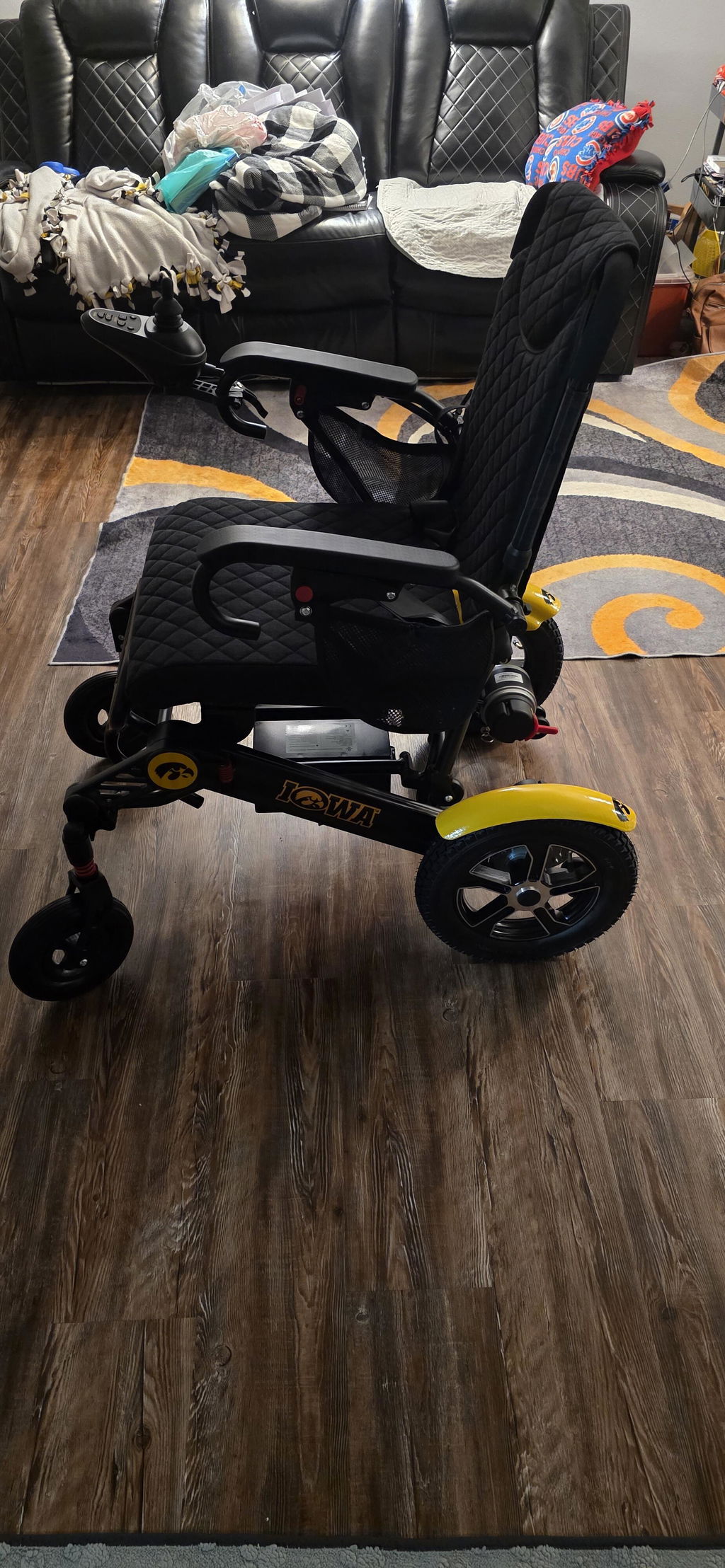
KERDOM Titan X24: A Wide-Seat Heavy-Duty Option
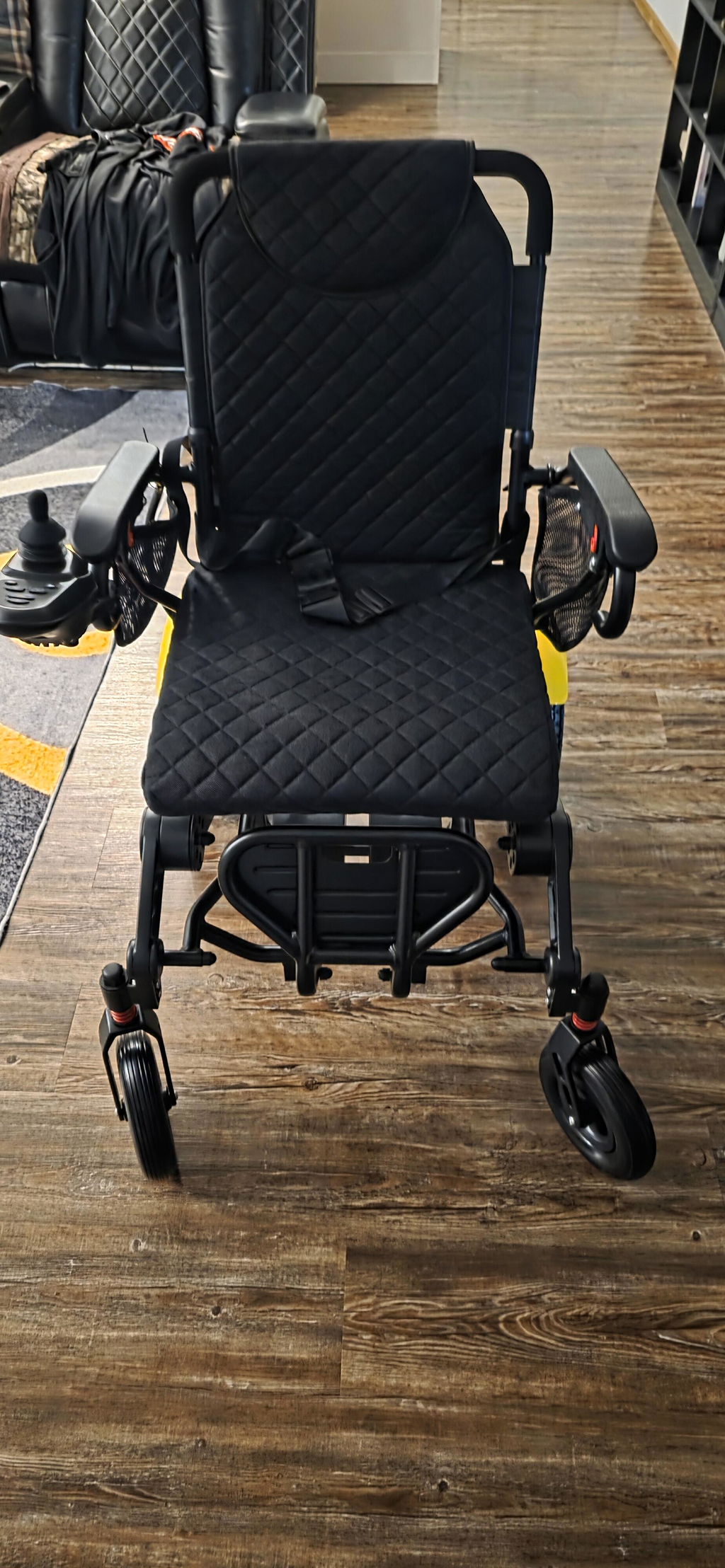
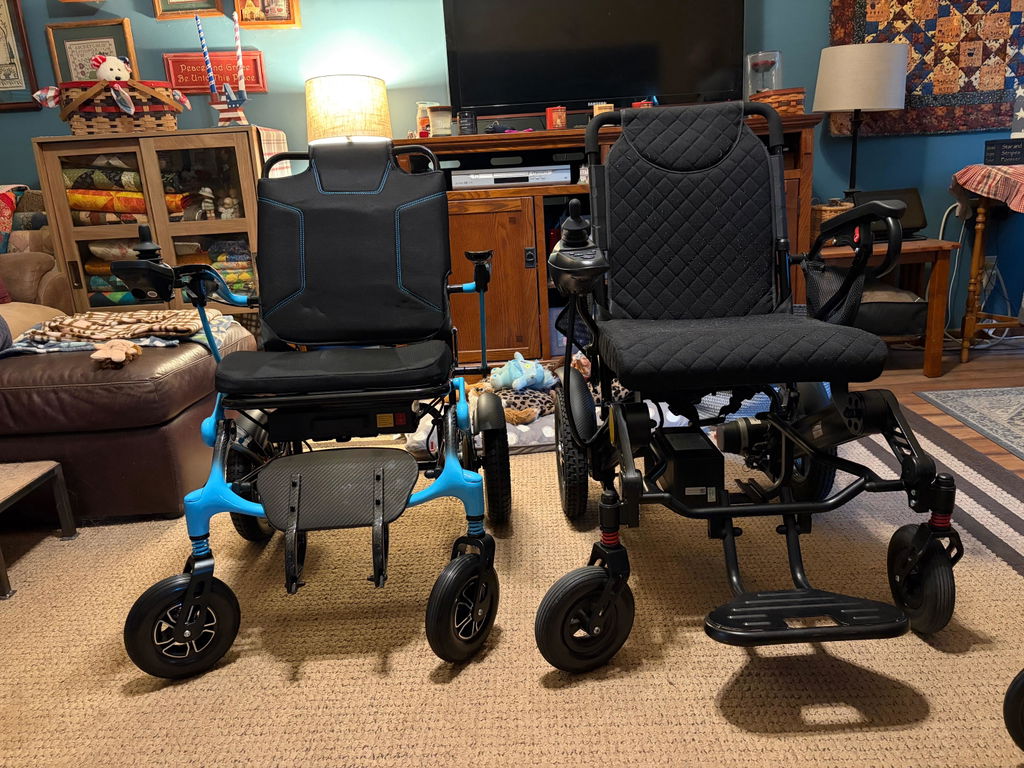
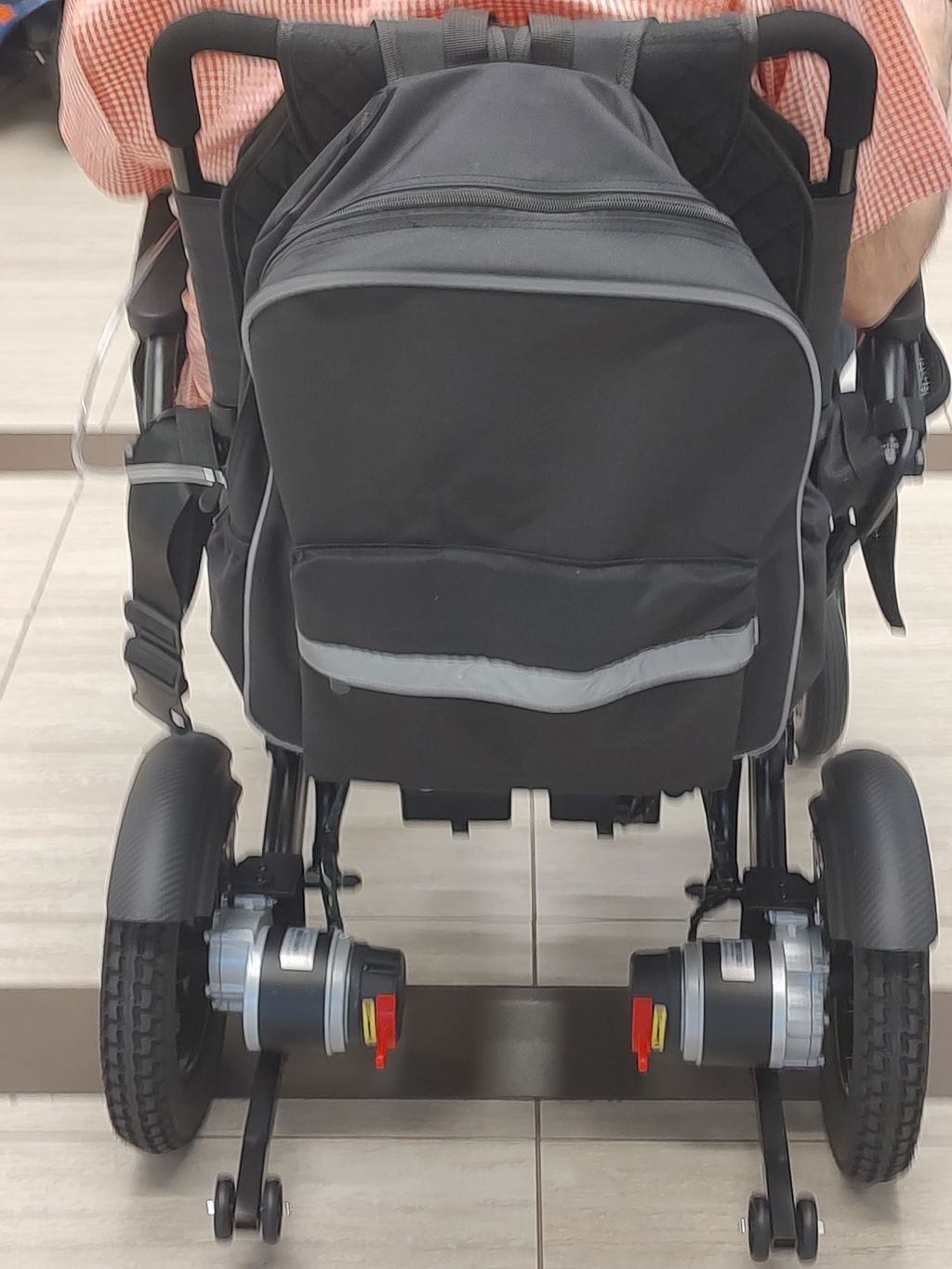
The KERDOM Titan X24 is built around a 24-inch seat and a stated 450 lb maximum capacity. Its product specifications also list 700W total brushless motor power, a four-wheel stance, 12.5 x 8.5-inch solid wide-tread tires, a stated climbing ability of up to 18°, a reclining backrest, adjustable headrest, telescoping footrest, 66 lb net weight, and up to 15 miles of range.
Each feature addresses a different part of the buying decision. The 24-inch seat provides additional hip and thigh room. The rated capacity defines the manufacturer’s stated load limit. The reclining backrest, headrest, and telescoping footrest allow more seating adjustment. The wide-tread tires and four-wheel layout are intended for a more grounded outdoor experience.
Actual performance depends on the rider’s weight, battery charge, surface, incline, weather, and driving style. Review the owner’s manual for the complete operating limits, and measure your home and vehicle before choosing a wide-seat power wheelchair.
24-Inch Seat vs. Narrower Power Wheelchair
|
Buying factor |
24-inch seat option |
Narrower seat option |
|
Hip and thigh room |
More space for larger frames, cushions, and repositioning |
Closer fit for narrower users |
|
Indoor maneuvering |
Requires careful doorway and turning-space measurements |
Often easier in compact rooms |
|
Seating support |
Can feel less restrictive when properly fitted |
May provide more lateral support for a smaller rider |
|
Vehicle planning |
Check the chair’s full width and folded dimensions |
Usually simpler to load and store |
|
Weight capacity |
May be paired with a higher-capacity frame, but verify the rating |
Varies by model and configuration |
|
Best fit |
Riders prioritizing room and longer-session comfort |
Riders prioritizing compactness and a close fit |
How to Check Whether the Chair Fits Your Home and Vehicle
Make a short measurement list before you compare models. Record the rider’s seated hip width, height, leg length, weight, transfer method, and typical sitting time. Then measure the narrowest part of the home route and the vehicle opening.
For a folding chair, check both the folded and unfolded dimensions. Also ask how much the chair weighs with the battery installed, whether the battery can be removed, and how the chair should be lifted. A wide seat can improve comfort, but the chair still needs to be practical for the people who will move and store it.
For outdoor use, review tire design, ground clearance, stated incline capability, battery range, and weather guidance. A wide seat alone does not make a power wheelchair suitable for sand, deep mud, snow, or steep slopes.
You can also compare other current options in the KERDOM electric wheelchair collection and review the KERDOM wheelchair buying resources.
Frequently Asked Questions
Is a 24-inch seat electric wheelchair suitable for every larger adult?
No. The correct width depends on seated hip measurement, posture, seat depth, cushion use, and the rider’s ability to reach the controls. A seating specialist can help when the fit is complex.
Does a wider seat automatically mean a higher weight capacity?
No. Seat width and weight capacity are separate specifications. The Titan X24 lists a 450 lb rated capacity, but users should also account for clothing, bags, accessories, and the operating limits in the owner’s manual.
Will a 24-inch seat fit through a standard doorway?
Measure the wheelchair’s overall width and compare it with the narrowest doorway, hallway, elevator, and bathroom entrance on the planned route.
Can a wide-seat power wheelchair still fold?
Some wide-seat models are designed to fold. Confirm the folded dimensions, total lifting weight, battery-removal process, and storage requirements before choosing a vehicle.
Is seat width the only comfort feature to compare?
No. Seat depth, cushion support, backrest angle, headrest position, footrest length, armrest height, joystick reach, and the rider’s posture all affect comfort. A wider seat is helpful only when the rest of the seating system fits as well.
Final Takeaway
A 24 inch seat electric wheelchair is worth considering when a narrower chair causes hip pressure, restricts movement, complicates entry, or becomes uncomfortable during longer outings. The KERDOM Titan X24 combines a 24-inch seat with a stated 450 lb capacity, outdoor-oriented tires, and adjustable comfort features. Measure the rider, the home, and the vehicle first, then compare the complete specifications rather than relying on seat width alone.
References