
A power chair is only useful if it fits in your home. This guide explains everything you need to know about electric wheelchair turning radius, how to measure your doorways, and which compact models are best for narrow hallways and small apartments.
What is an Electric Wheelchair Turning Radius?
The turning radius of a wheelchair is the minimum amount of space required for the chair to make a complete 360-degree U-turn. It is measured from the center of the chair's drive wheel to the furthest point on the chair (usually the front footrest or the back anti-tip wheels) as it spins in a circle.
According to the Americans with Disabilities Act (ADA) Accessibility Standards, a standard wheelchair requires a clear floor space of 60 inches in diameter to make a 180-degree or 360-degree turn. However, most modern homes and apartments are not built to ADA standards, making a tight electric wheelchair turning radius absolutely critical for indoor use.
Why Turning Radius Matters in Your Home
If you plan to use your power chair indoors, a wide turning radius will severely limit your independence.
1. Navigating Narrow Hallways
Standard residential hallways are typically 36 inches wide. If your bedroom is at the end of a hallway and your chair has a large turning radius, you may not be able to turn around to exit the room, forcing you to back up down the entire hallway.
2. Accessing Small Bathrooms
Bathrooms are notoriously tight spaces. A compact electric wheelchair turning radius allows you to enter the bathroom, turn around, and position yourself parallel to the toilet or shower for a safe transfer.
3. Maneuvering in Kitchens
Cooking and preparing meals require you to pivot frequently between the counter, the refrigerator, and the stove. A chair that turns on a dime prevents you from constantly bumping into cabinets and appliances.
How to Measure Your Home for a Wheelchair
Before purchasing a power chair, take these three essential measurements:
- Doorway Width: Measure the clear opening of your doors (from the face of the open door to the opposite doorstop). Standard interior doors are usually 30 to 32 inches wide. Your wheelchair's overall width must be less than this.
- Hallway Width: Measure the narrowest point of your hallways.
- Turning Space: Find the smallest room you need to turn around in (usually the bathroom or a walk-in closet) and measure the clear floor space. Compare this to the electric wheelchair turning radius listed in the product specifications.
Top Compact Power Chairs for Tight Spaces
If you live in a smaller home or apartment, you need a chair designed for indoor maneuverability.
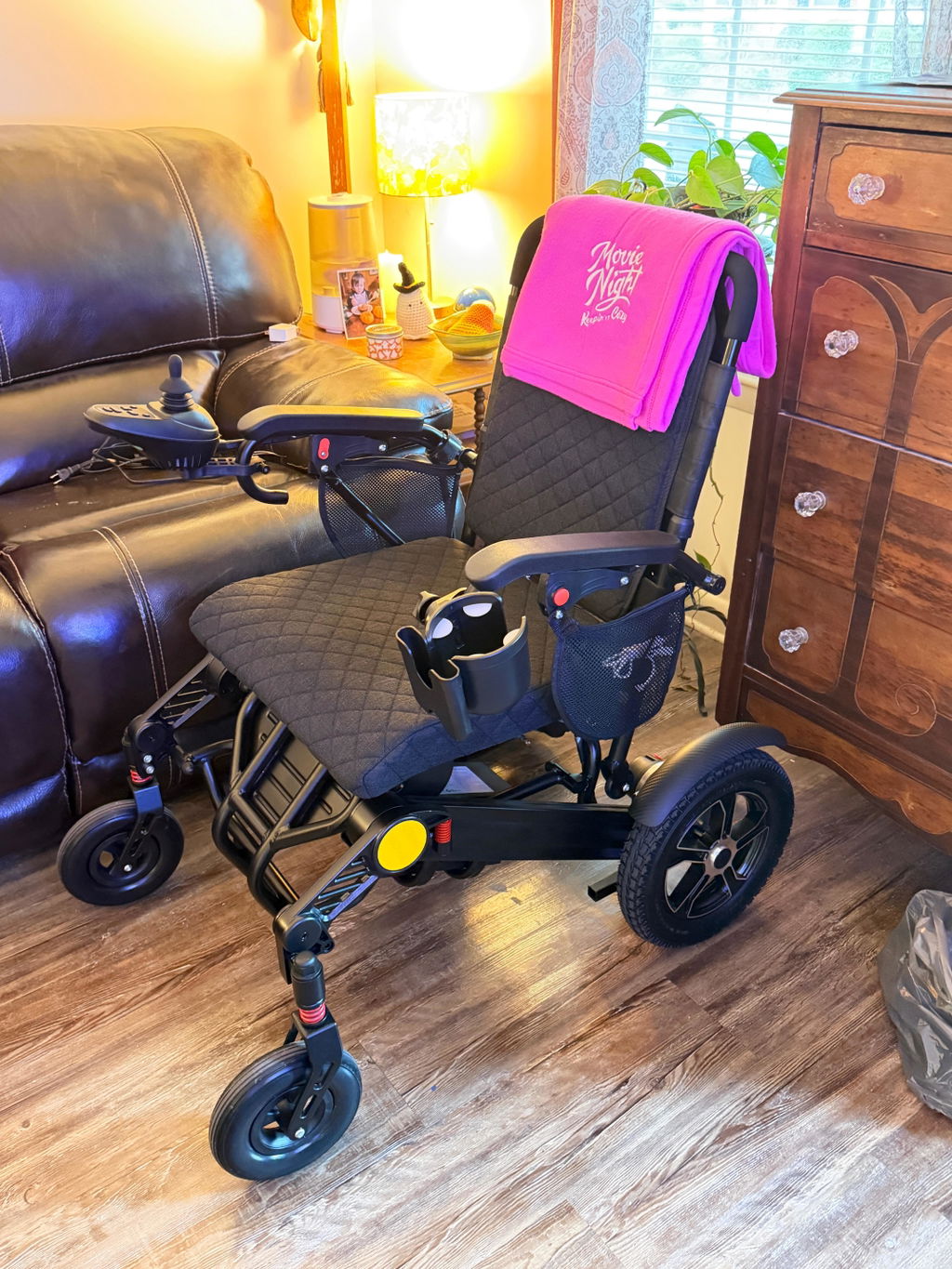
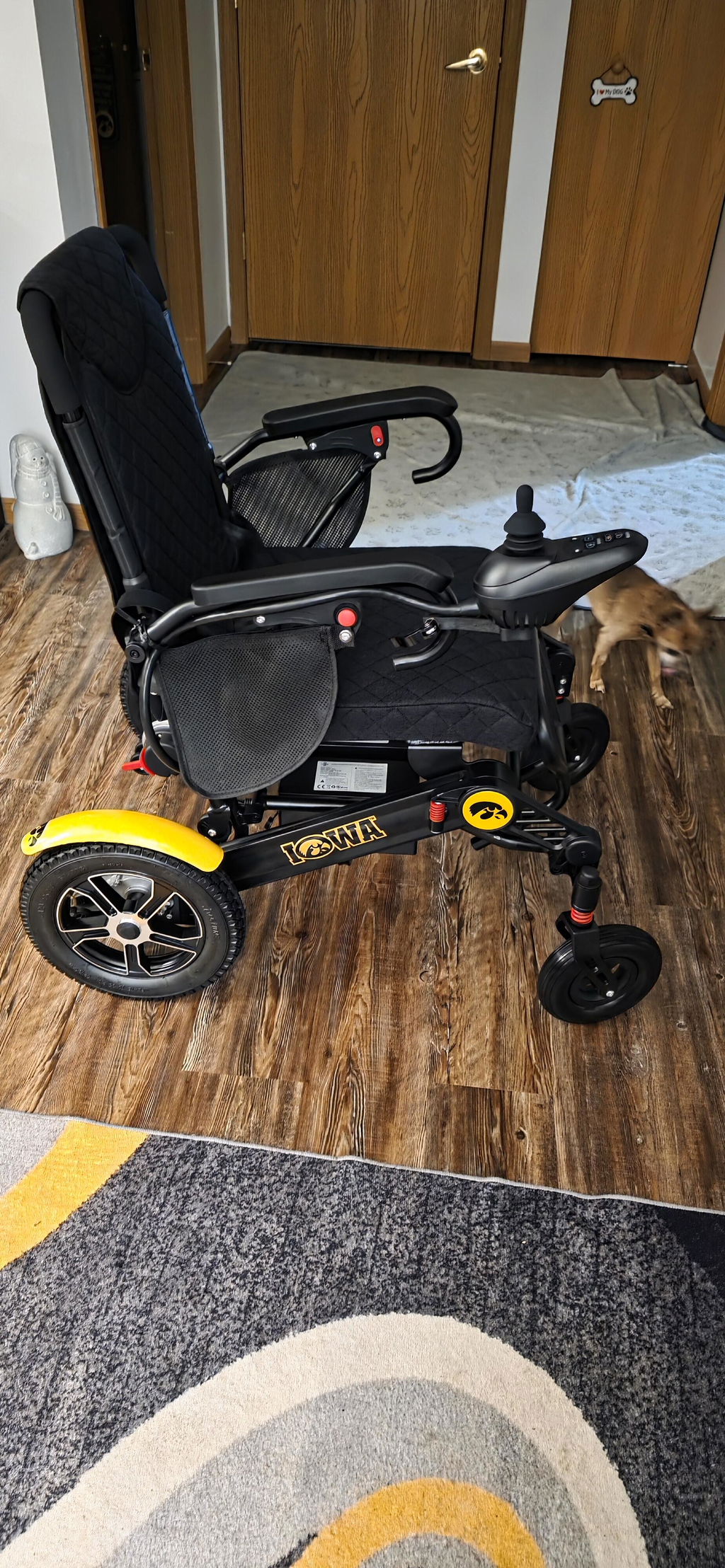
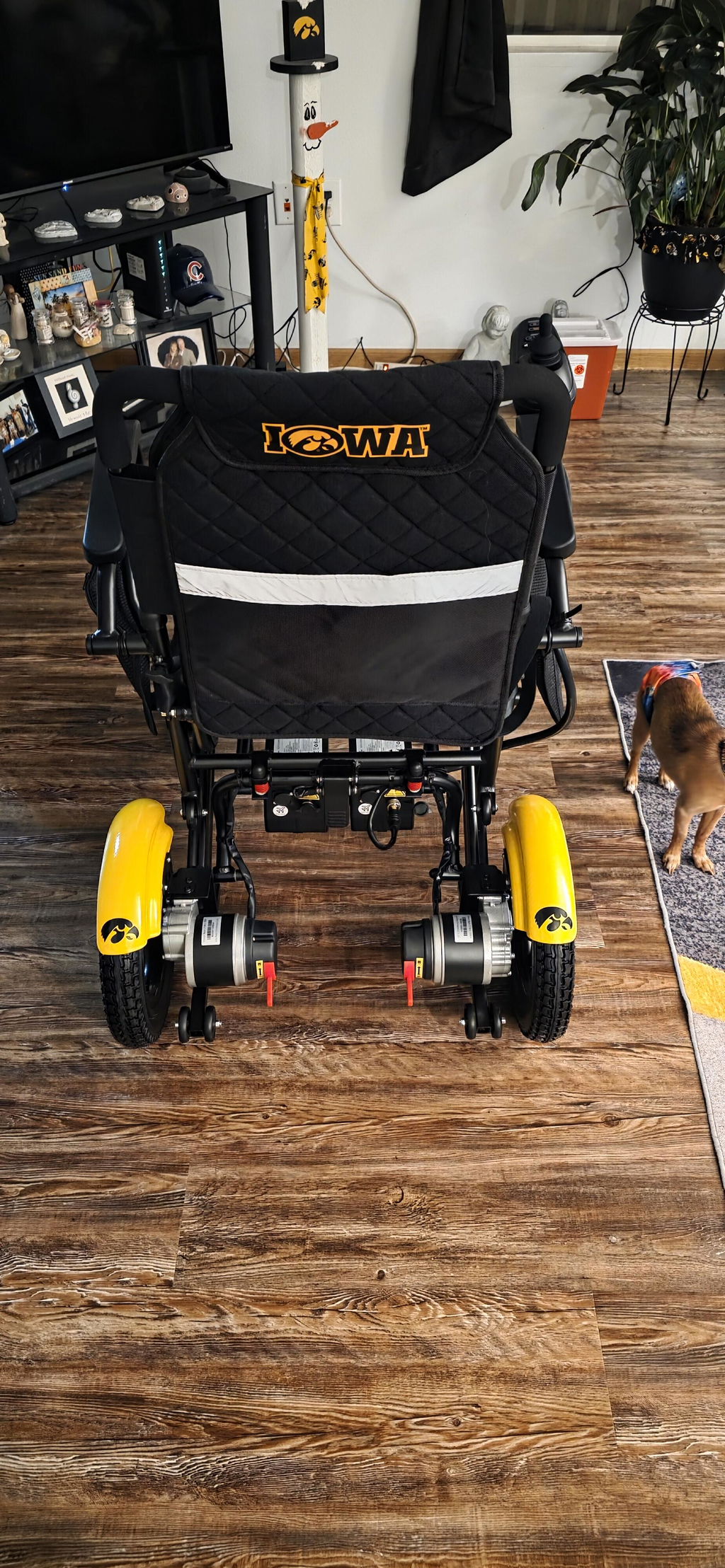
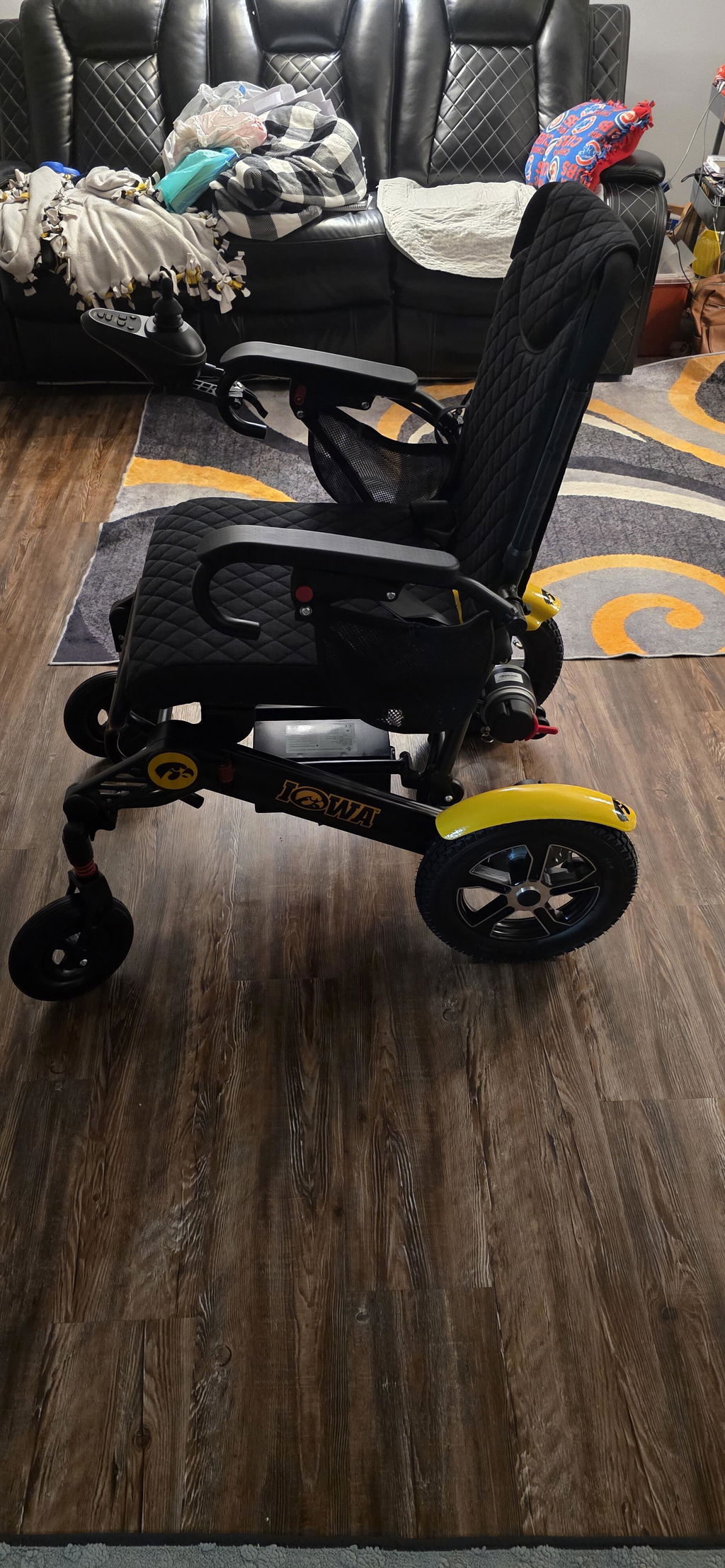
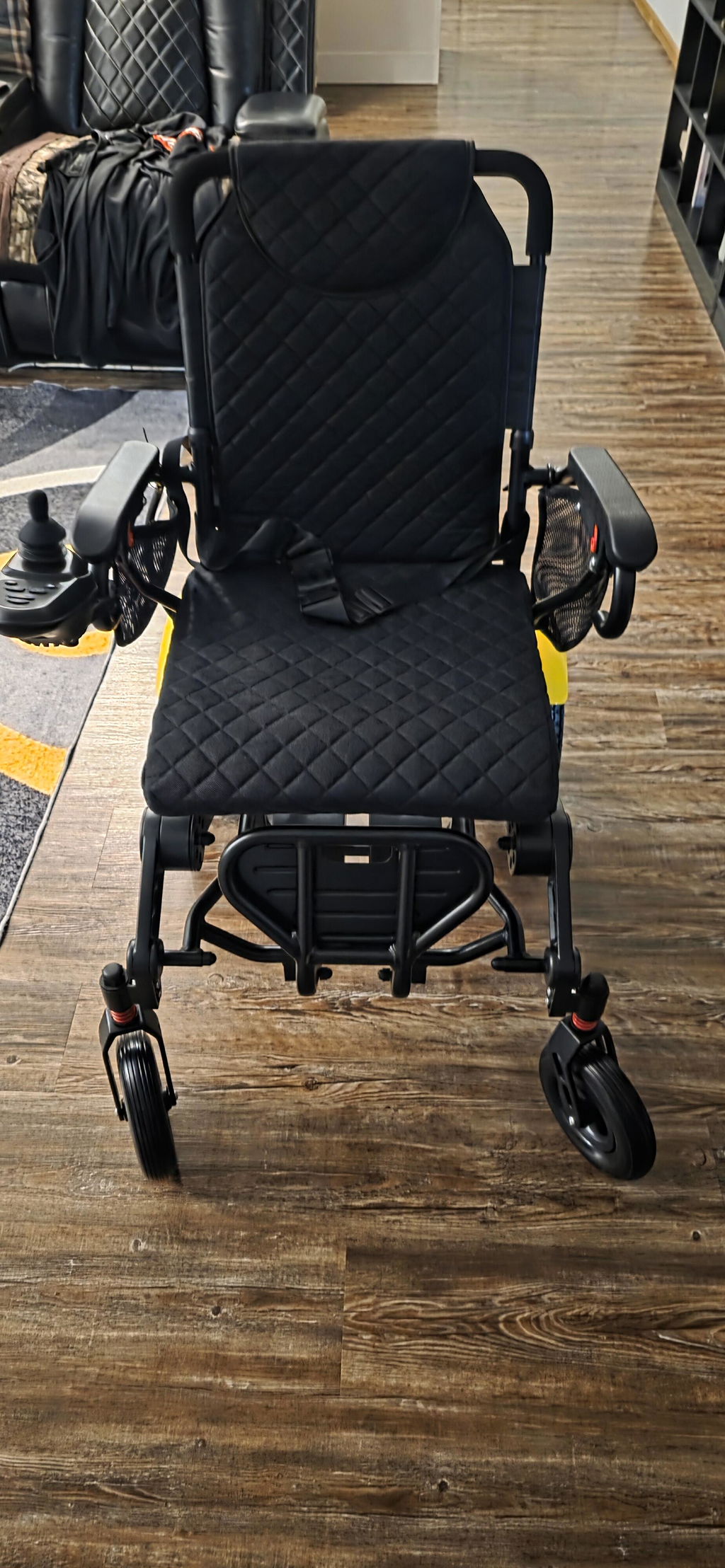
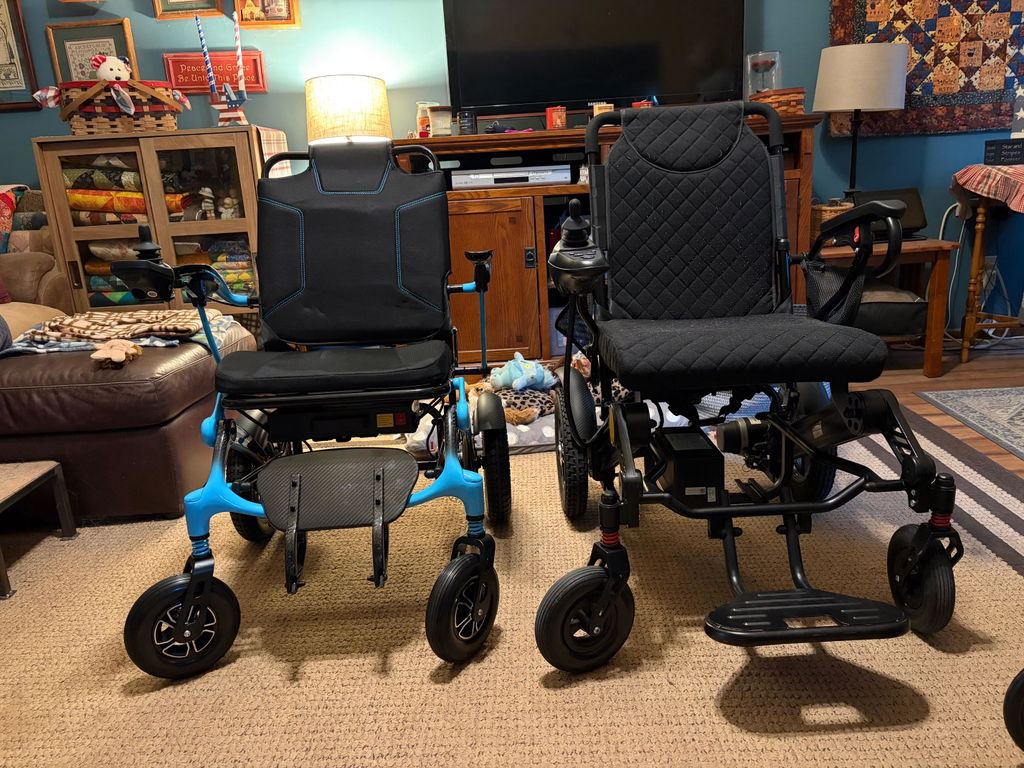
KERDOM DX08: The Indoor Champion
The KERDOM DX08 is an exceptionally compact model designed for tight spaces.
• Maneuverability: It features a very tight electric wheelchair turning radius, allowing it to spin almost entirely within its own footprint.
• Dimensions: Its narrow overall width easily glides through standard 30-inch interior doorways without scraping the doorframes.
• Best For: Apartment living, navigating cruise ship cabins, and maneuvering through crowded restaurants.
KERDOM DX07: The Versatile Balancer
If you need a chair that performs well both indoors and outdoors, the KERDOM DX07 offers a great balance.
• Maneuverability: While slightly larger than the DX08, it still boasts an impressive turning radius that handles residential hallways with ease.
• Adjustability: The adjustable seat width (18.5" to 20") allows you to customize the chair's footprint based on your body size and doorway constraints.
Frequently Asked Questions
Which type of drive system has the best turning radius?
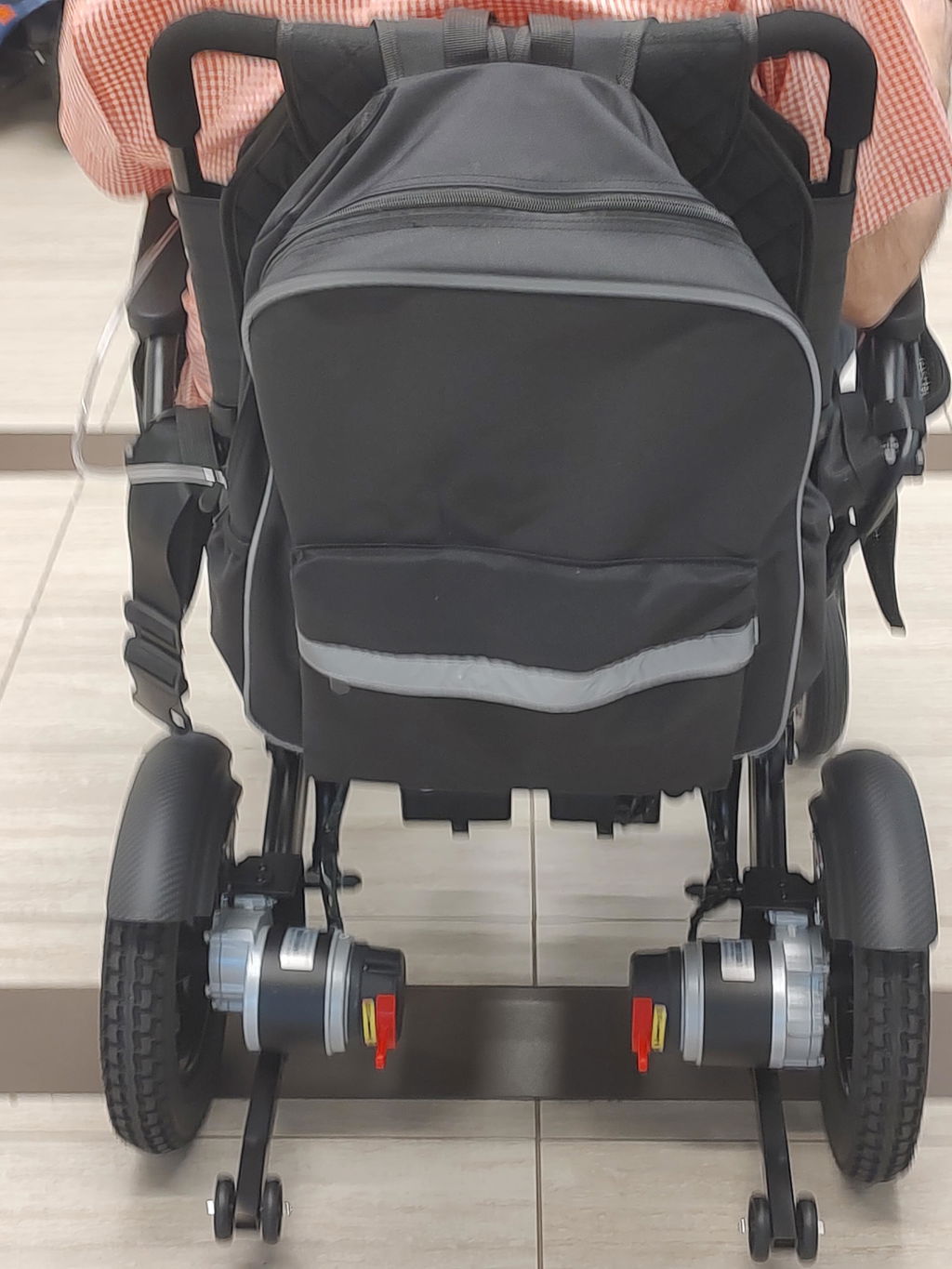
Mid-wheel drive power chairs generally have the tightest turning radius because the drive wheels are located directly under the user's center of gravity. However, compact rear-wheel drive models like the KERDOM DX08 are designed with a short wheelbase to achieve excellent indoor maneuverability while remaining much lighter and easier to fold than mid-wheel drive chairs.
Is a mobility scooter better for indoors?
No. Mobility scooters have a very wide turning radius because of their long wheelbase and front tiller steering. They require significantly more space to turn around than a joystick-controlled electric wheelchair.
What is the average turning radius of an electric wheelchair?
Standard power chairs typically have a turning radius between 20 and 35 inches. Anything under 30 inches is considered excellent for indoor residential use.
How can I make my doorways wider for my wheelchair?
If your chair's width is very close to your doorway width, you can install "offset hinges" (also called clear swing hinges). These special hinges swing the door completely out of the doorway opening, instantly adding about 2 inches of clearance without any major remodeling.
Does removing the footrests improve the turning radius?
Yes. On many models, the footrest is the furthest point extending from the chair. Folding the footplate up or removing it entirely can significantly reduce the electric wheelchair turning radius when navigating a particularly tight corner.
Conclusion
Do not let a bulky medical chair trap you in your own home. Understanding your home's dimensions and prioritizing a tight electric wheelchair turning radius is the key to maintaining your indoor independence. By choosing a compact, maneuverable model like the KERDOM DX08, you can confidently navigate narrow hallways, small bathrooms, and tight corners with ease.