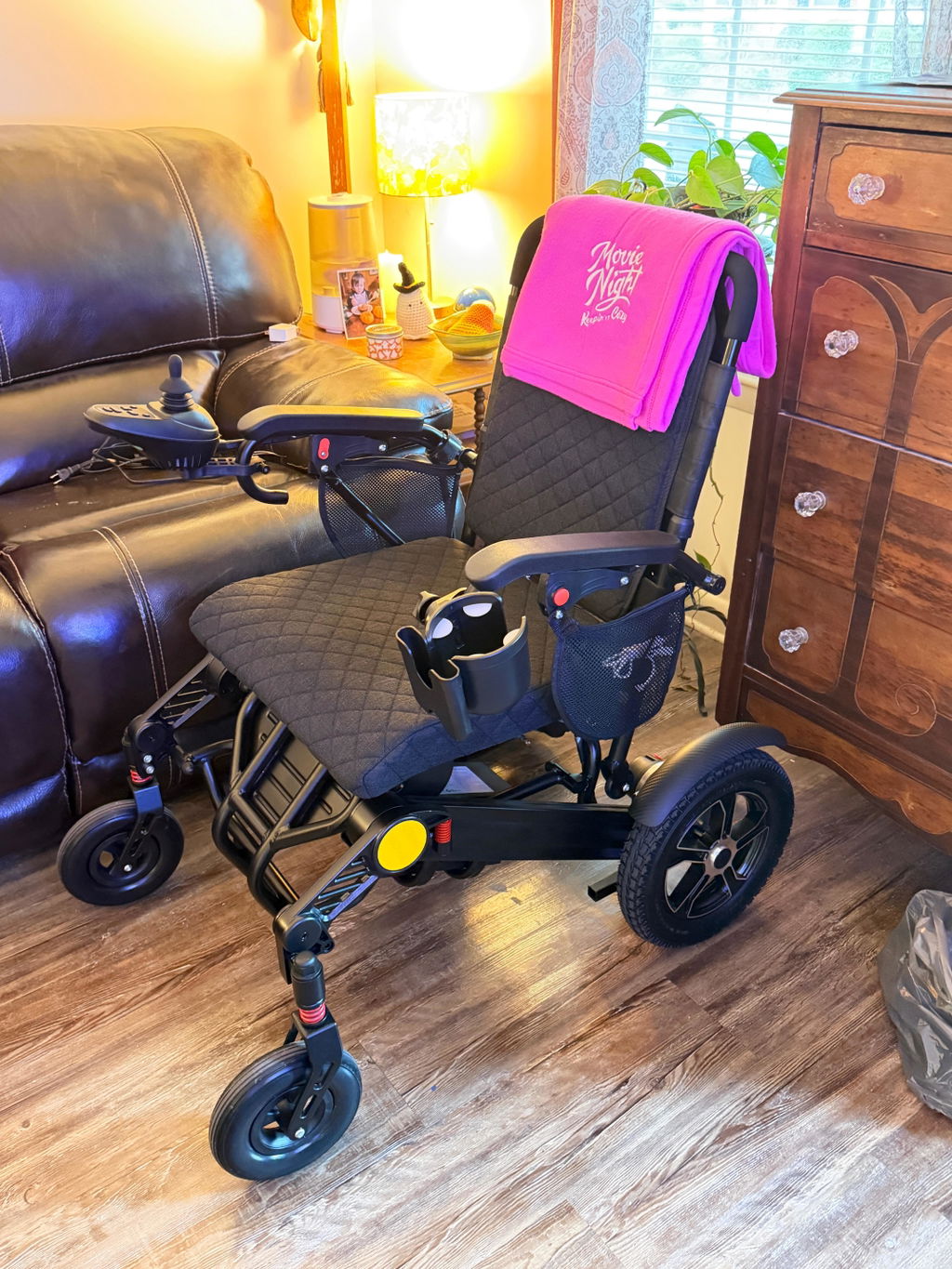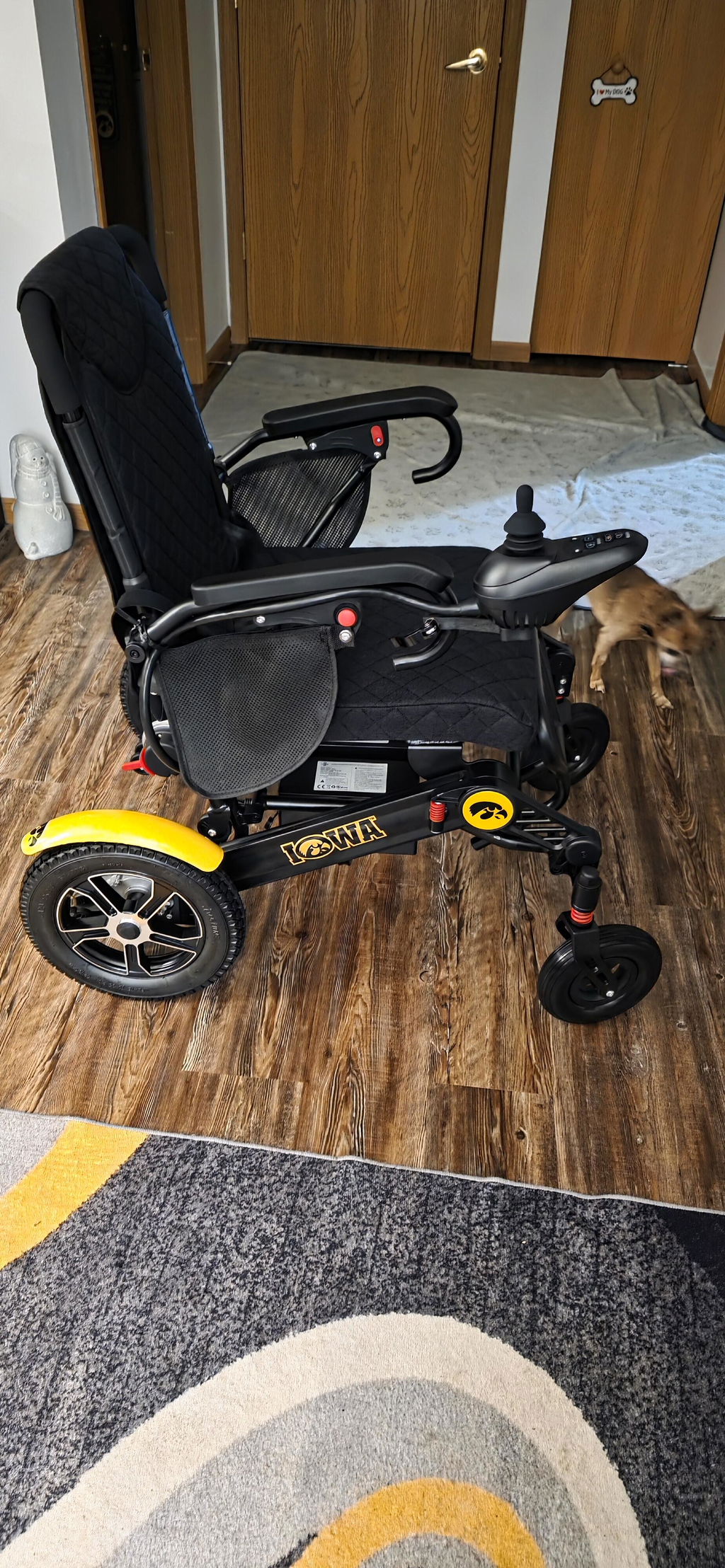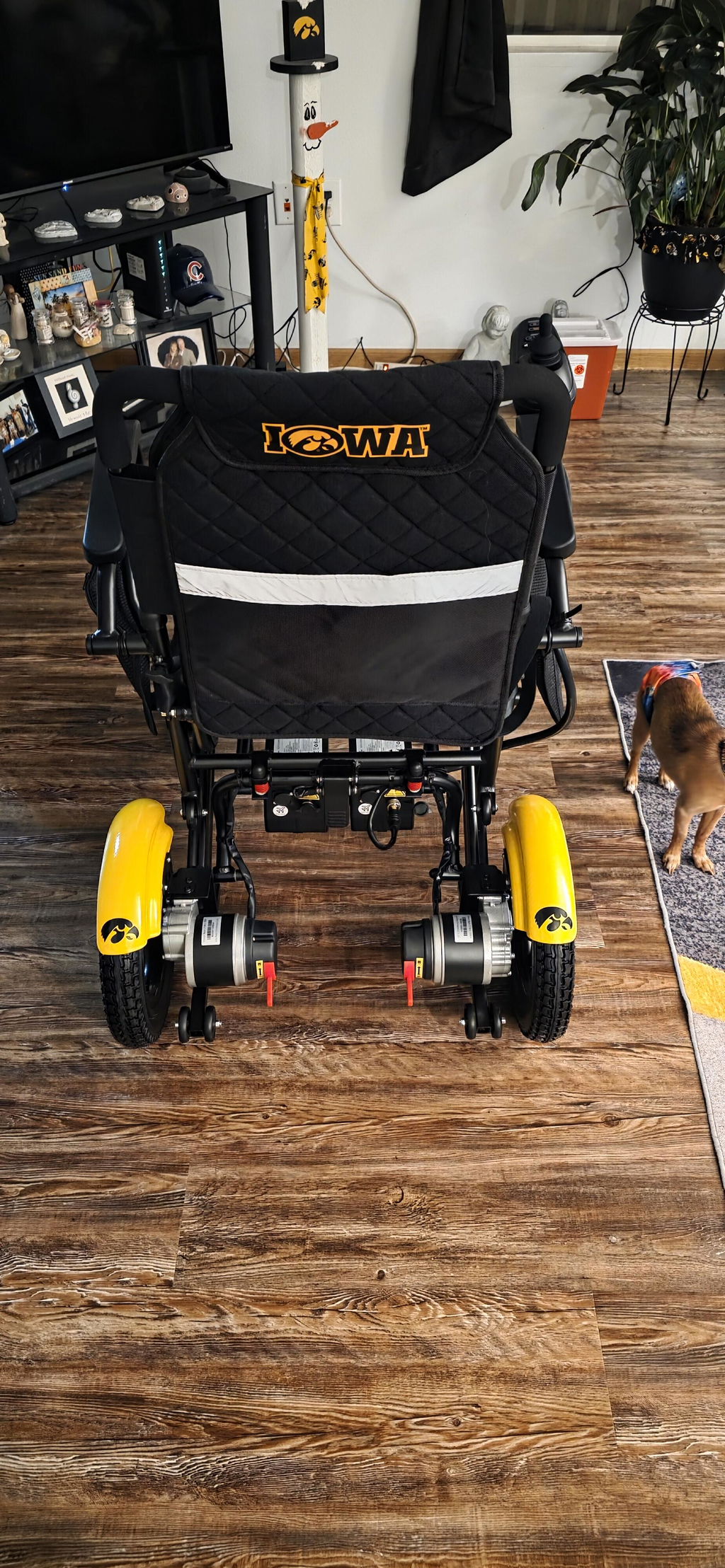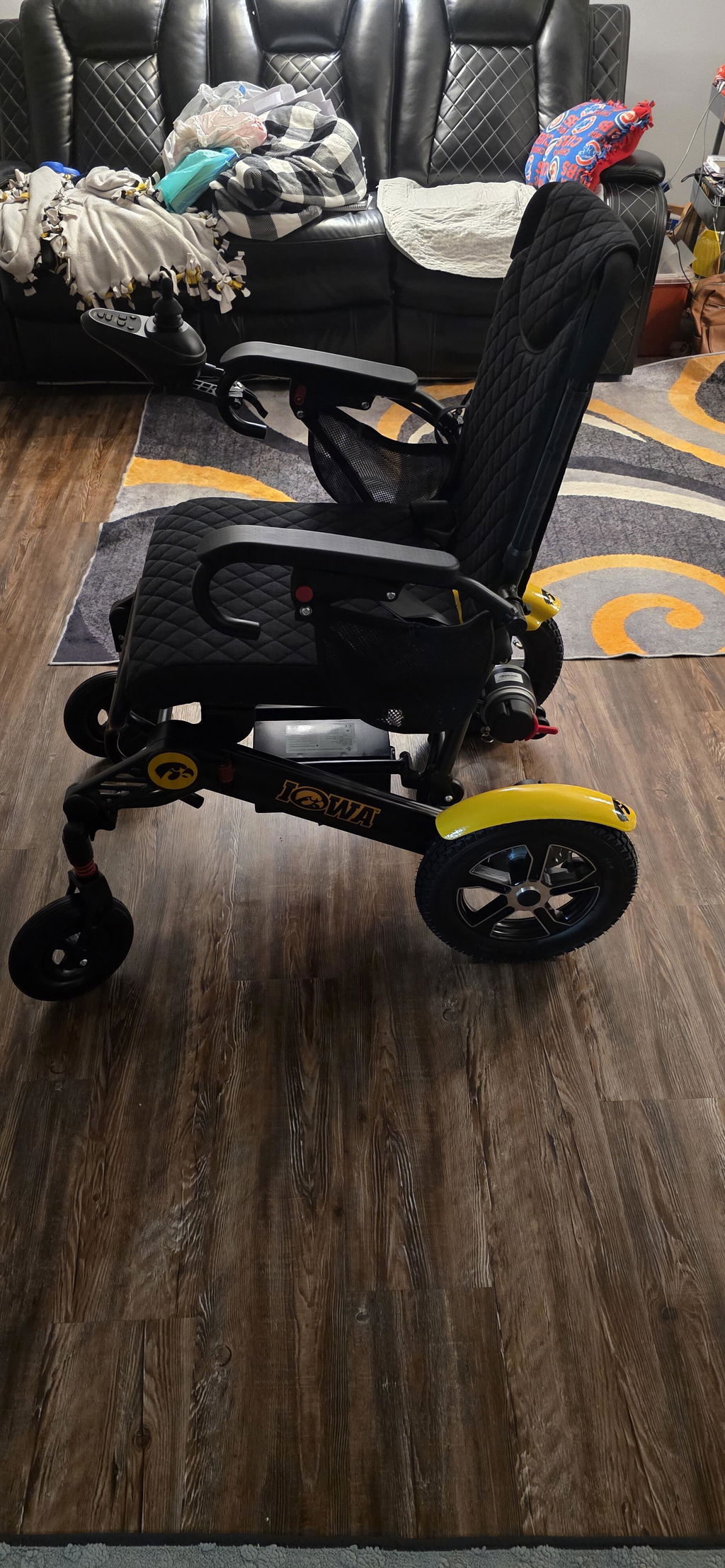
Tires & Inflation Guide
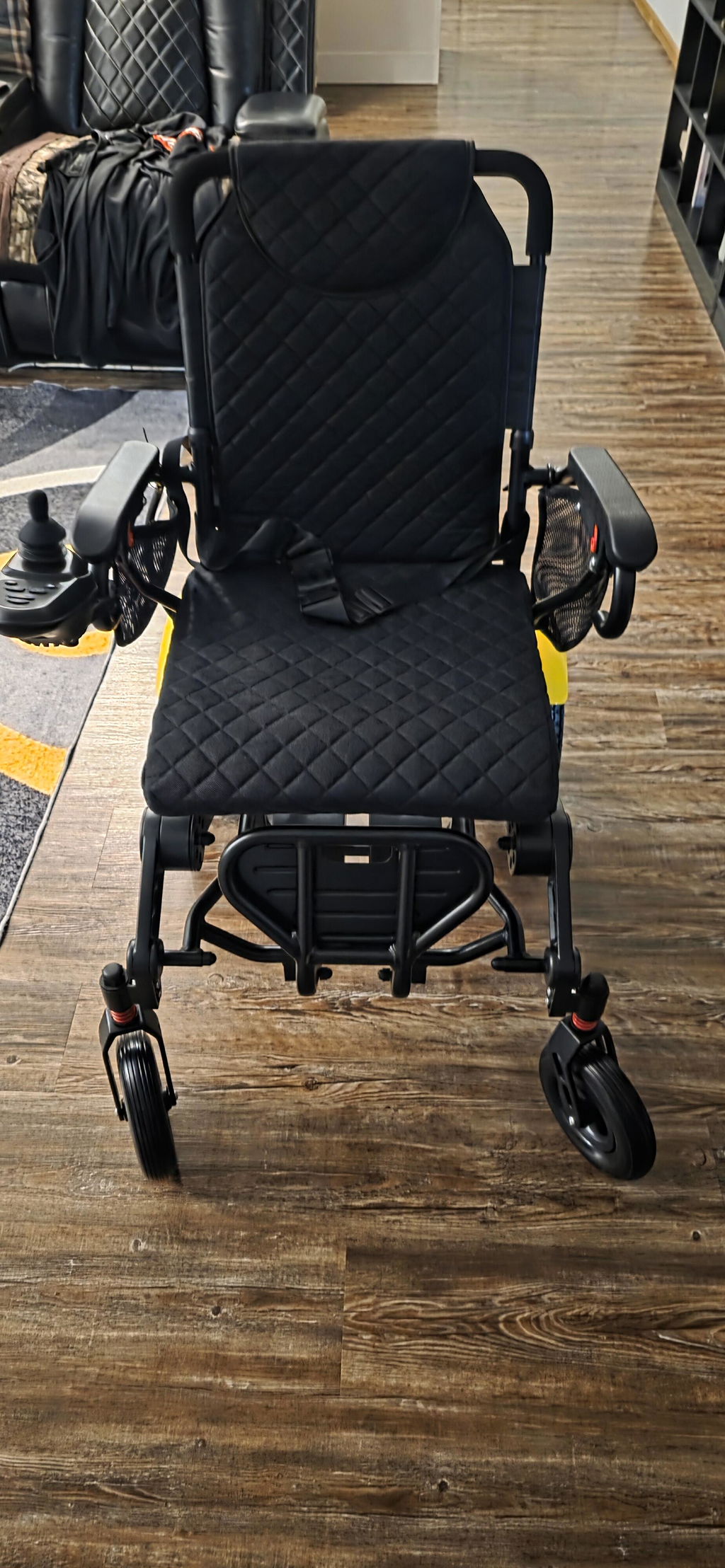
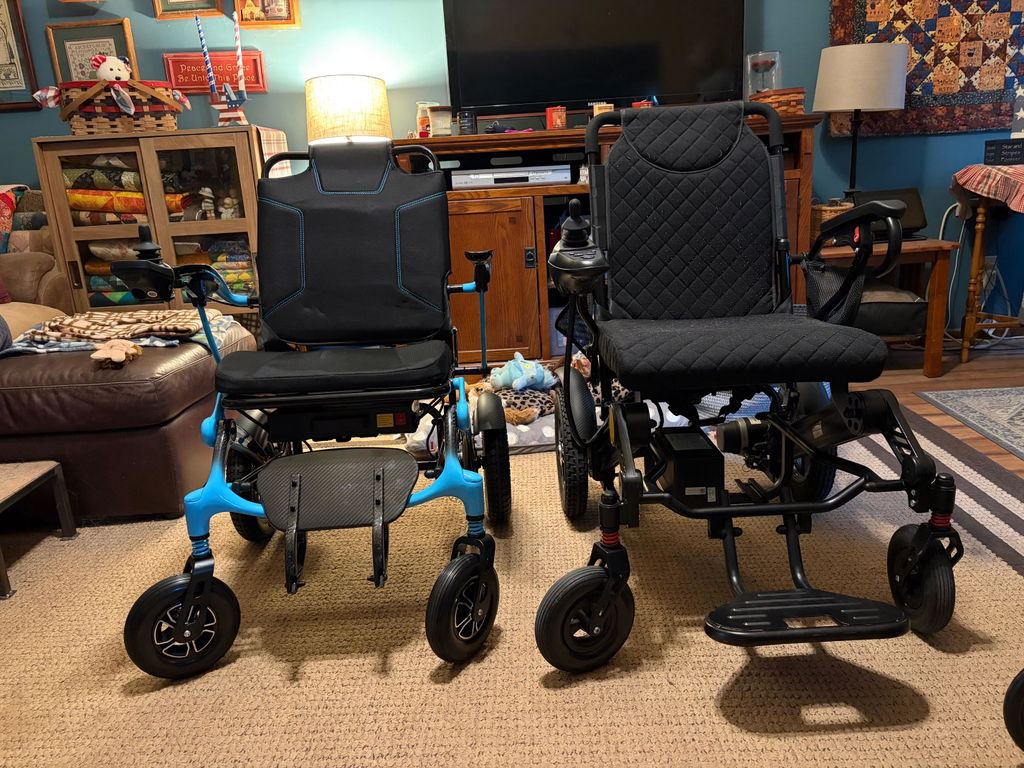
KERDOM wheelchairs use different tire types depending on the model and configuration. Solid tires do not need inflation, while pneumatic (air-filled) tires require pressure checks and can provide additional cushioning.
Use this guide to identify the tire-care requirements for the models below. If your wheelchair has replacement tires or a different wheel configuration, confirm the requirements with KERDOM before inflating.
Tire Types at a Glance
| Model | Tire Type | Inflation Required? |
|---|---|---|
| DX07 | Solid front and rear tires | No |
| DX08 | Solid front and rear tires | No |
| DX05 | Solid front and rear tires | No |
| Titan X24 | Solid front and rear tires | No |
| DX06 — pneumatic rear-tire configuration | Pneumatic rear tires | Yes, for the rear tires |
DX07, DX08, DX05 & Titan X24 — Solid Tires
These models are equipped with solid tires on the front and rear wheels in the configurations covered by this guide.
- No inflation is required.
- No air-pressure monitoring is needed.
- There is no air chamber to deflate.
- Routine care is simpler than for pneumatic tires.
Solid tires still need inspection. Check regularly for worn tread, cracks, cuts, embedded debris or other damage. “No inflation required” does not mean “no maintenance required.” Contact support if a tire is damaged, a wheel wobbles or the ride changes noticeably.
DX06 — Pneumatic Rear Tires
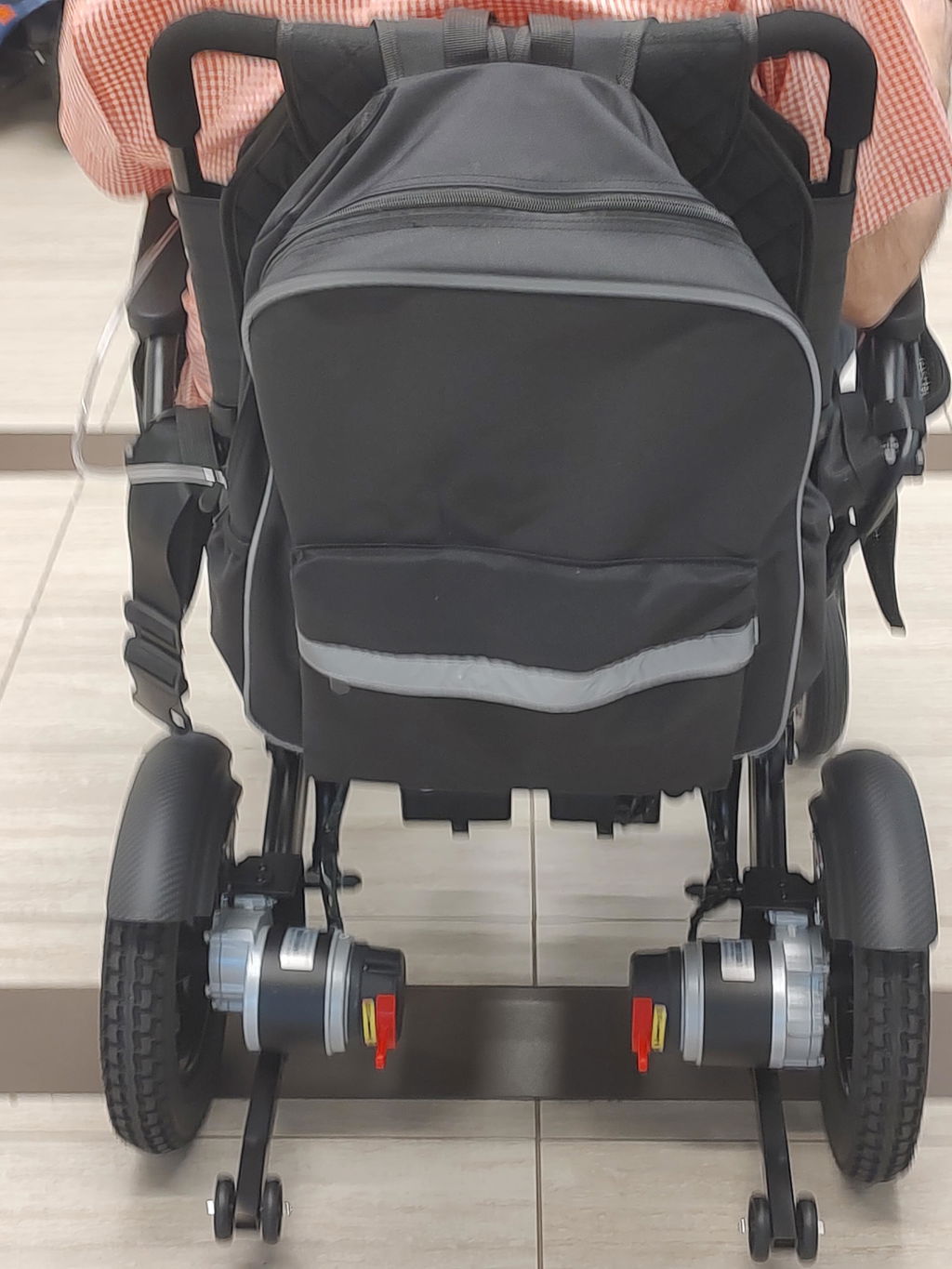
The DX06 configuration covered here uses 12-inch aluminum-alloy rear wheels fitted with pneumatic tires. These air-filled tires require correct inflation to help maintain predictable handling and ride comfort.
Recommended Rear-Tire Pressure
| Seasonal Guidance | Recommended Pressure |
|---|---|
| Summer | 200–210 kPa |
| Winter | 220–230 kPa |
These figures apply only to the specified DX06 rear-tire configuration. Follow the instructions for your actual tire and wheelchair, and never exceed the maximum pressure marked on the tire. If the tire marking or supplied manual conflicts with this guidance, contact KERDOM before inflating. Replacement tires may have different requirements.
How to Check and Inflate
- Park on firm, level ground, switch the chair off and secure it against movement as directed in the manual.
- Check the rear-tire pressure when the tires are cold, before riding, using a suitable gauge.
- Connect a pump compatible with the valve stem and add air gradually to the appropriate pressure.
- Recheck the pressure, replace the valve cap and inspect both rear tires before use.
Air pressure changes with temperature, so check it rather than assuming the tire is correctly inflated because it was recently filled. Do not inflate an already damaged tire or continue riding on a visibly deflated one.
Punctures and Air Loss
Pneumatic tires can lose air through punctures, valve problems or other damage. Nails, sharp debris and impacts may damage a tire; no surface or object can be guaranteed harmless. If a tire repeatedly loses pressure, arrange inspection rather than simply adding more air.
Quick Summary
DX07, DX08, DX05 and Titan X24: No inflation or pressure checks are needed for their solid tires, but regular condition checks are still important.
DX06 with pneumatic rear tires: Check rear-tire pressure and condition regularly. Use the appropriate pressure for the installed tires.
Need Help Identifying Your Tires?
Email support@kerdom.com or visit our Contact Us page. Include your model, order number and clear photos of the wheel, tire markings and valve area so our team can confirm the correct guidance.
For model-specific instructions, visit our User Manuals page.