
Introduction
An electric wheelchair for knee replacement recovery can be a game-changer during the early weeks post-op. Undergoing knee surgery is a major medical event, and the rehabilitation process requires patience and the right support tools. While physical therapy aims to get you back on your feet, this guide explains how a temporary power chair can aid your recovery, prevent falls, and help you maintain your independence while your new knee heals.
The Role of a Power Chair in Post-Op Rehabilitation
1. Preventing Falls and Protecting the New Joint
According to the American Academy of Orthopaedic Surgeons (AAOS), preventing falls during the first few weeks after a knee replacement is critical to avoid damaging the new joint. While walkers and crutches are necessary for physical therapy, using a temporary power chair during non-therapy hours ensures you can move around your home safely when fatigued.
2. Conserving Energy for Physical Therapy
Rehabilitation is exhausting. If you spend all your energy just walking to the kitchen or bathroom, you won't have the stamina required for your daily physical therapy exercises. A power chair allows you to conserve your energy for the movements that actually aid your recovery.
3. Maintaining Mental Health and Independence
Being confined to a bed or a single room can quickly lead to feelings of isolation and depression. An electric wheelchair empowers you to move freely around your home, join family meals, and even venture outside, keeping your spirits high during a challenging recovery period.
Choosing the Best Electric Wheelchair for Knee Replacement Recovery
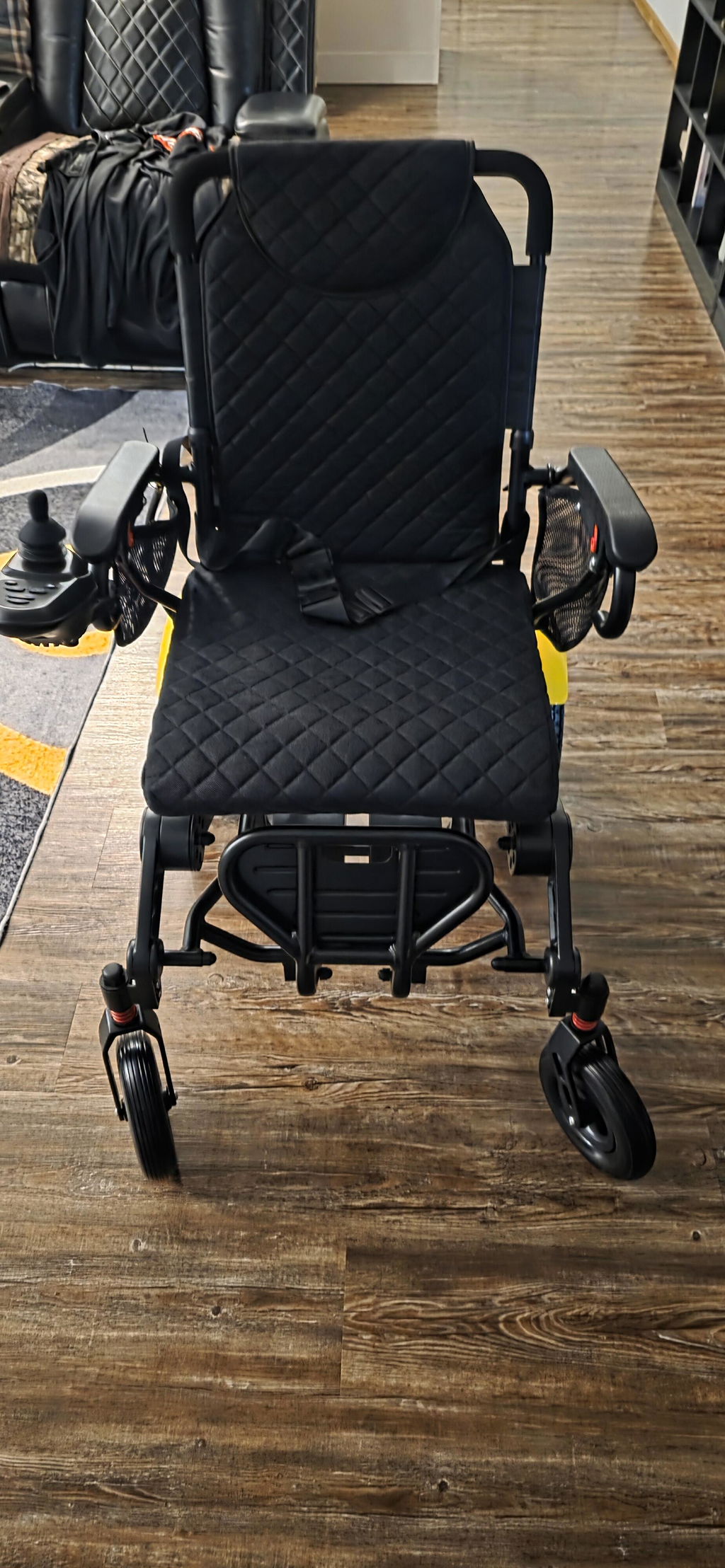
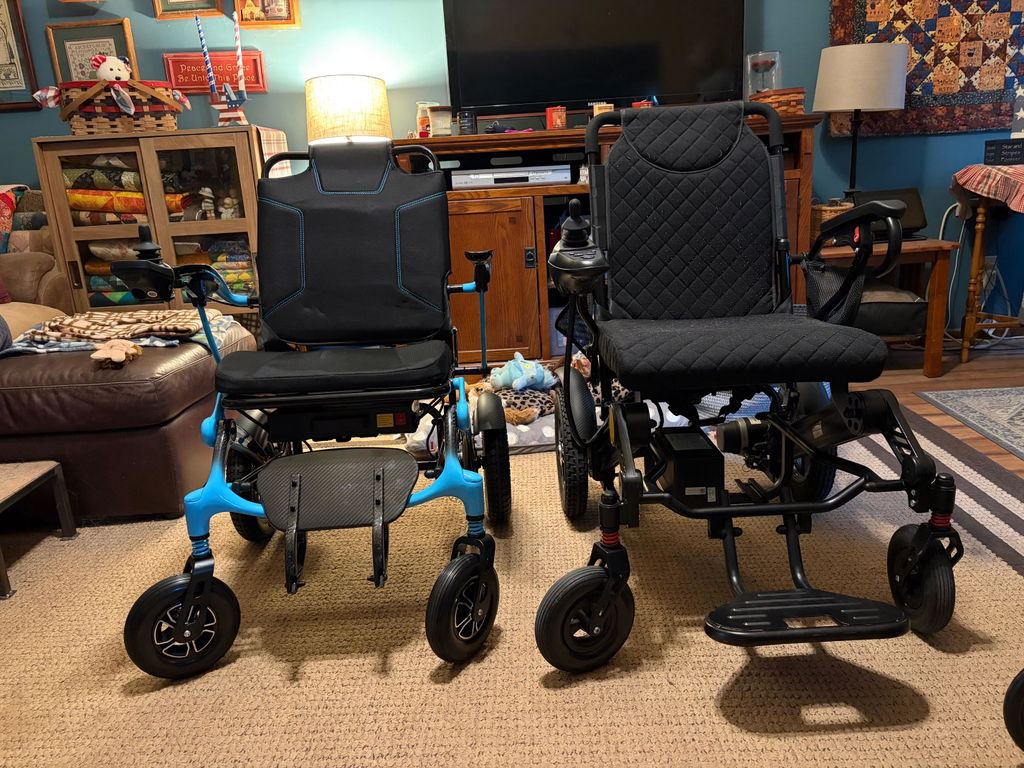
When selecting a temporary mobility aid for post-op recovery, portability and ease of use are key.
KERDOM DX08: The Lightweight Companion
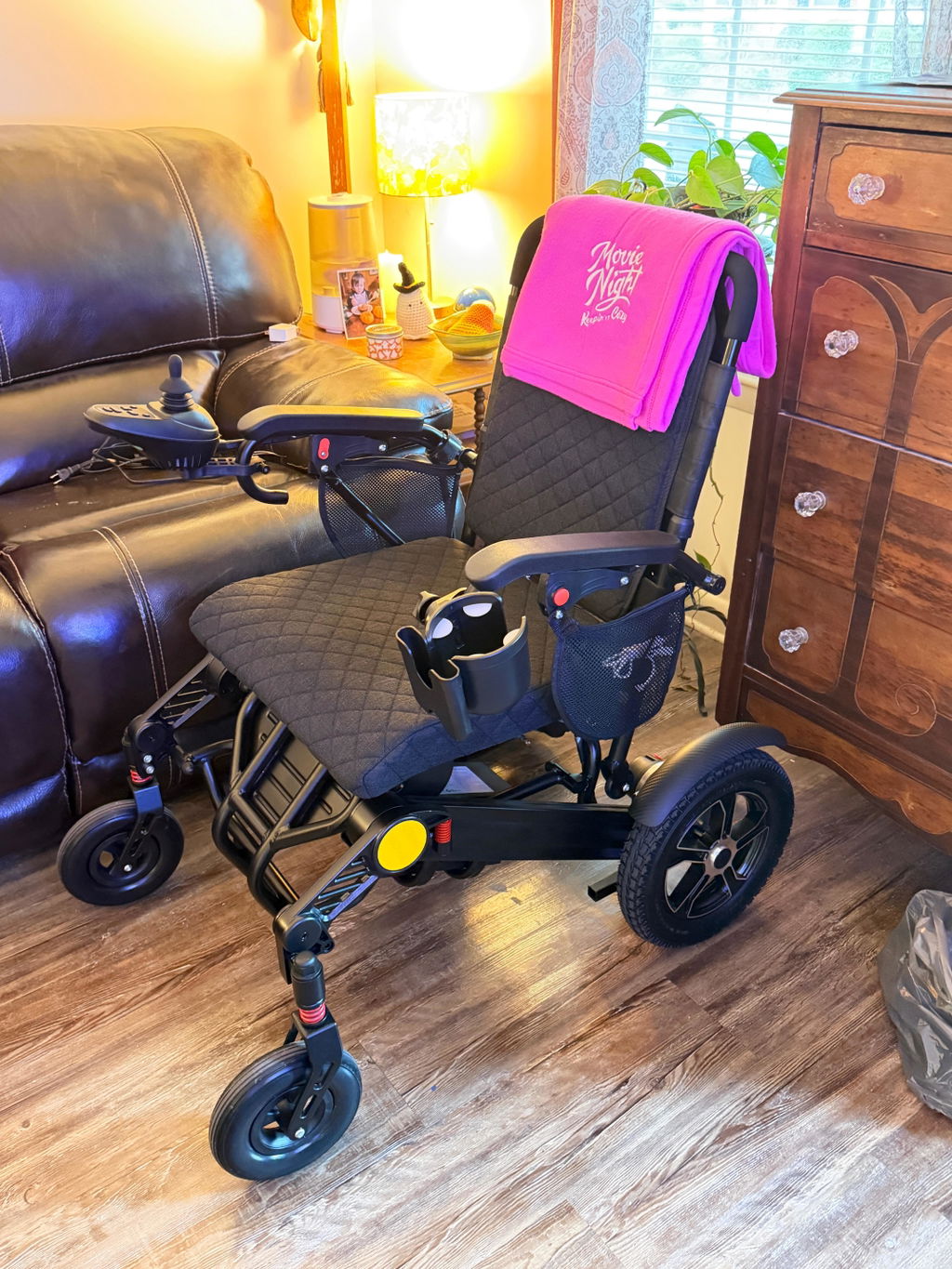
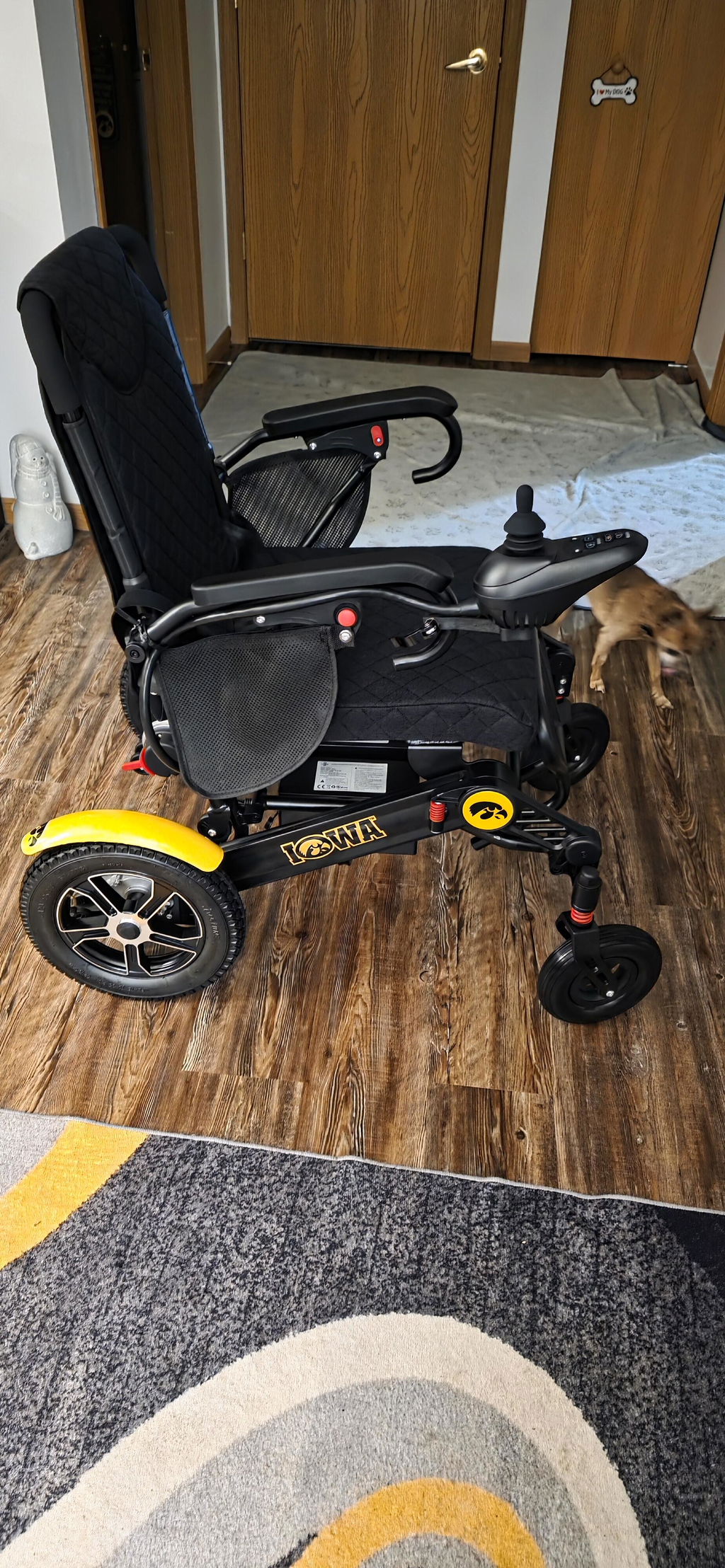
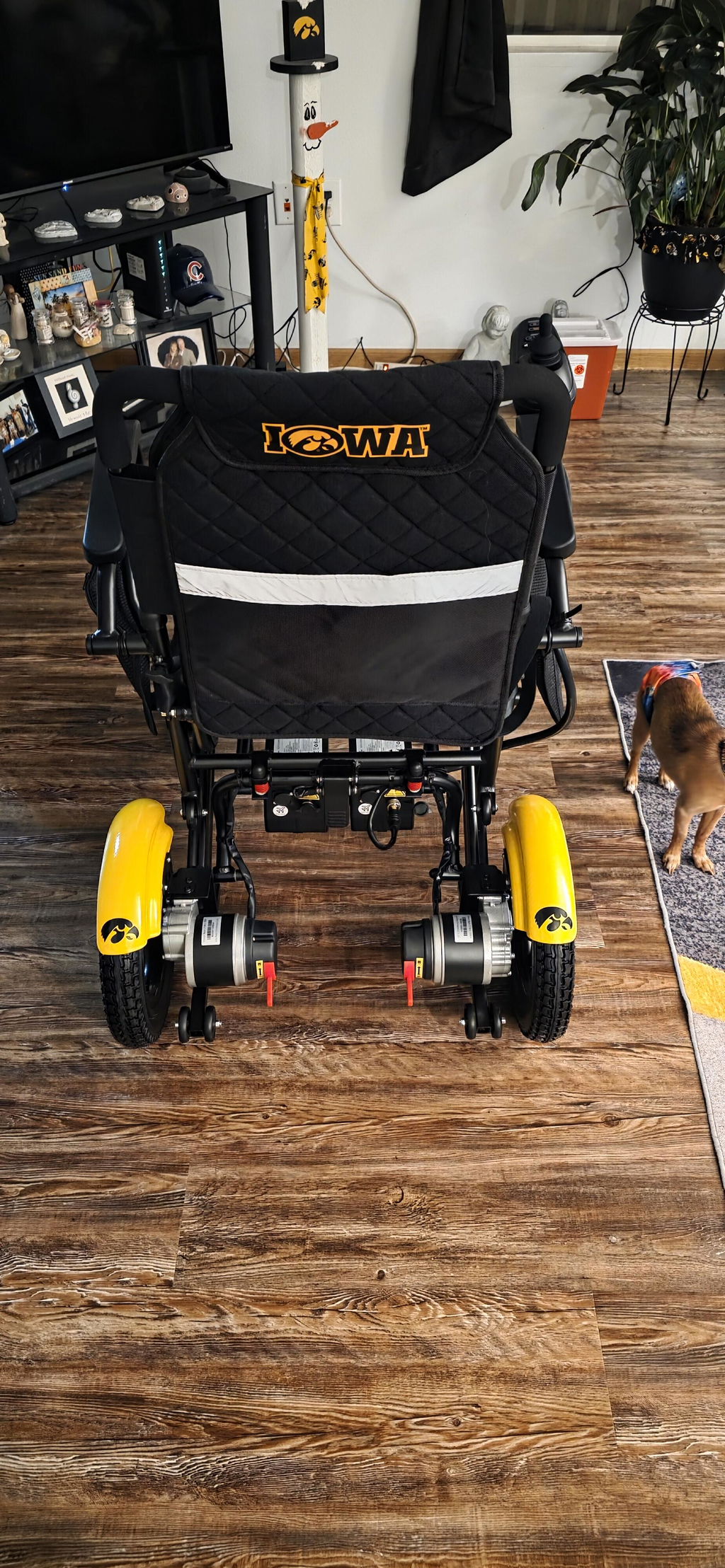
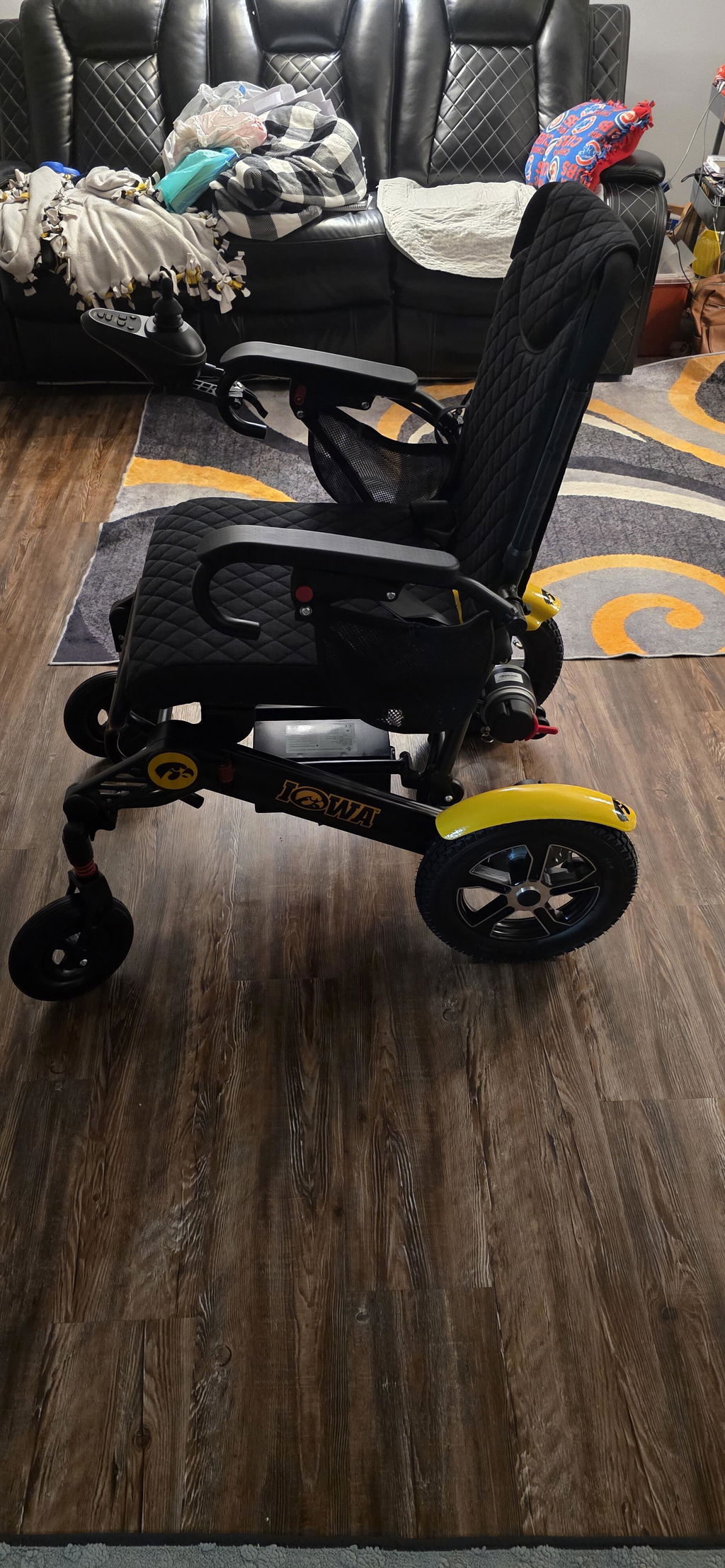
The KERDOM DX08 is an outstanding choice. Because it weighs only 25.8 lbs, a caregiver or spouse can easily fold it and put it in the car for trips to the physical therapist or doctor. Its simple joystick control requires zero leg involvement, protecting your healing knee.
THE FOLD-FLAT: Easy Storage Post-Recovery
If you only need a device temporarily, THE FOLD-FLAT scooter is ideal. It folds down in one second to the size of a suitcase. Once you have fully recovered and no longer need it, it can be easily stored in a closet without taking up valuable living space.
Tips for Using a Wheelchair During Recovery
• Elevate Your Leg: Swelling is common after knee surgery. When seated in your wheelchair, use an elevated leg rest or a sturdy ottoman to keep your operated leg raised when possible.
• Clear Pathways: Before surgery, prepare your home by removing throw rugs, securing loose cords, and ensuring pathways are wide enough for a wheelchair.
• Follow Doctor's Orders: Remember that a temporary mobility device is a supplement to, not a replacement for, your prescribed physical therapy walking exercises.
Frequently Asked Questions
Will I definitely need an electric wheelchair for knee replacement recovery?
Not everyone needs a wheelchair. Many patients use a walker. However, if you live alone, have a large home, or lack upper body strength for a walker, a power chair provides a much safer and less exhausting alternative for daily tasks.
Can I rent an electric wheelchair for my recovery?
Yes, many local medical supply stores offer rentals. However, considering the high cost of monthly rentals, purchasing an affordable, lightweight model like the DX08 is often more cost-effective, especially since you can resell it or keep it for future travel.
How do I transport the wheelchair to my physical therapy appointments?
Lightweight folding models like the KERDOM DX08 are designed to fold flat and fit into the trunk of a standard sedan. Read our guide on how to fly with an electric wheelchair for general transport tips.
Is the joystick easy to use if I'm on pain medication?
Yes, the 360-degree joystick is highly intuitive and requires very little pressure. However, if your medication causes dizziness or drowsiness, you should avoid operating the chair until you feel alert.
How long will I need the wheelchair?
Most patients rely heavily on mobility aids for the first 2 to 6 weeks post-surgery. As your strength improves through physical therapy, you will gradually transition from the wheelchair to a walker, and eventually to a cane.
Conclusion
Recovery from joint surgery is a marathon, not a sprint. Utilizing an electric wheelchair for knee replacement recovery provides the safety, energy conservation, and independence you need to heal properly. Explore the KERDOM collection to find a lightweight model that will support your journey back to full mobility.