
Discovering the best wheelchair accessible travel destinations transforms the dream of exploring new places into a practical, enjoyable reality. The global travel industry has made remarkable progress in accessibility over the past decade, and 2026 offers more wheelchair-friendly options than ever before — from ADA-compliant U.S. cities to European capitals with centuries-old streets now fitted with modern ramps and lifts. However, not all destinations marketed as "accessible" deliver equally on that promise. The difference between a frustrating trip and an unforgettable one often comes down to research, planning, and choosing destinations that genuinely prioritize universal design rather than treating accessibility as an afterthought. This guide evaluates the top accessible vacation spots for 2026 based on transportation infrastructure, accommodation options, attraction accessibility, medical facility proximity, and real wheelchair user feedback.
How to Evaluate Wheelchair Accessibility
Before selecting your wheelchair accessible travel destinations for 2026, understanding what genuine accessibility looks like helps you distinguish between destinations that are truly welcoming and those that merely check a compliance box. A truly accessible destination excels across five interconnected dimensions.
|
Accessibility Dimension |
What to Evaluate |
Why It Matters |
|
Transportation |
Accessible airports, public transit, taxis, ride-shares |
Getting around independently |
|
Accommodation |
Accessible hotel rooms, roll-in showers, adjustable beds |
Comfortable rest and personal care |
|
Attractions |
Ramps, elevators, accessible restrooms, sensory guides |
Experiencing the destination fully |
|
Sidewalks and paths |
Curb cuts, smooth surfaces, adequate width |
Moving between locations safely |
|
Medical infrastructure |
Nearby hospitals, wheelchair repair, DME rental |
Emergency preparedness |
Transportation is the foundation of accessible travel. The best accessible destinations have airports with jetbridge access (not tarmac boarding), public transit systems with ramp-equipped buses and elevator-accessible subway stations, and readily available wheelchair-accessible taxis or ride-share vehicles. A destination with beautiful attractions but poor accessible transportation forces wheelchair users into expensive private transport or limits their exploration radius.
Accommodation quality varies enormously even within "ADA-compliant" hotels. The Americans with Disabilities Act requires accessible rooms, but the definition of "accessible" can range from a room with a slightly wider door to a fully equipped suite with a roll-in shower, grab bars, lowered counters, and adjustable bed height. When booking, always call the hotel directly (not the booking platform) to confirm specific accessibility features, request photos of the accessible room, and ask about the exact path from parking to the room (some "accessible" rooms require navigating stairs or narrow corridors to reach) 1.
Top 10 Wheelchair Accessible Travel Destinations in the U.S.
The United States offers some of the world's best accessible vacation destinations, thanks to the ADA's comprehensive accessibility requirements. The following ten destinations consistently rank highest for wheelchair accessibility based on infrastructure quality, attraction variety, and wheelchair user reviews.
1. San Diego, California
San Diego is widely regarded as the most wheelchair-friendly city in America and one of the premier wheelchair accessible travel destinations worldwide for 2026. The combination of flat coastal terrain, year-round mild weather, and extensive accessibility infrastructure makes it ideal for wheelchair users.
The city's Mission Beach Boardwalk is a 3-mile paved path directly along the ocean, fully accessible and one of the most scenic wheelchair-friendly routes in the country. Balboa Park, home to 17 museums and the San Diego Zoo, features paved paths throughout and accessible entrances to all major buildings. The San Diego Zoo itself offers wheelchair rental, accessible viewing areas, and a guided bus tour that accommodates wheelchair users. The Gaslamp Quarter downtown district has smooth sidewalks, curb cuts at every intersection, and hundreds of accessible restaurants and shops.
San Diego's public transit system (MTS) operates 100% accessible buses and a trolley system with level boarding at all stations. The airport (SAN) is a single-terminal design with jetbridge access on all gates, making it one of the easiest airports in the country for wheelchair users.
2. Orlando, Florida
Orlando's world-famous theme parks have invested billions in accessibility infrastructure, making it one of the top accessible family vacation spots. Walt Disney World, Universal Studios, and SeaWorld all offer comprehensive wheelchair accessibility programs.
Walt Disney World provides wheelchair rental, Disability Access Service (DAS) passes to reduce wait times, accessible transportation between parks, and wheelchair-accessible versions of most rides. The parks are designed with wide pathways, smooth surfaces, and accessible restrooms throughout. Universal Studios offers similar accessibility services, including wheelchair-accessible ride vehicles on many attractions.
Beyond theme parks, Orlando's International Drive corridor is flat, wide, and fully accessible, with accessible trolley service connecting major attractions. The city has one of the highest concentrations of accessible hotel rooms in the country, with many properties offering roll-in showers, pool lifts, and accessible shuttle services.
3. Boston, Massachusetts
Boston combines rich American history with modern accessibility infrastructure. The city has invested heavily in making its historic sites wheelchair-accessible while preserving their character, creating unique accessible experiences that blend past and present.
The Freedom Trail — Boston's iconic 2.5-mile walking route through 16 historic sites — has been progressively upgraded with smooth surfaces, curb cuts, and ramps. Most Freedom Trail sites now have wheelchair-accessible entrances, though a few historic buildings have limitations. The Freedom Trail Foundation provides a detailed accessibility guide for each site on their website.
Boston's MBTA subway system has made significant accessibility improvements, with elevator access at most stations (check the MBTA accessibility map before traveling, as some stations still lack elevators). The city's Harborwalk is a fully accessible waterfront path stretching over 40 miles along Boston Harbor, offering stunning views and connecting many of the city's best neighborhoods.
4-10. Additional Top U.S. Destinations
|
Rank |
Destination |
Key Accessibility Highlights |
|
4 |
Washington, D.C. |
Smithsonian museums (all free, all accessible), National Mall paved paths, Metro elevators |
|
5 |
Portland, Oregon |
Flat downtown, accessible MAX light rail, Forest Park accessible trails |
|
6 |
Chicago, Illinois |
Accessible CTA buses/trains, lakefront trail, museum campus |
|
7 |
Tampa, Florida |
Riverwalk (2.6 mi accessible), accessible streetcar, flat terrain |
|
8 |
Las Vegas, Nevada |
Flat Strip sidewalks, accessible casinos/shows, monorail |
|
9 |
Seattle, Washington |
Pike Place Market accessible routes, waterfront, accessible ferries |
|
10 |
Scottsdale, Arizona |
Accessible desert trails, flat terrain, resort accessibility |
Best International Wheelchair Accessible Travel Destinations
International accessible vacation destinations have improved dramatically, though accessibility standards vary more widely than within the U.S. The following cities represent the best international options for wheelchair travelers in 2026.
Barcelona, Spain
Barcelona is consistently rated the most wheelchair-accessible city in Europe and one of the best accessible vacation destinations globally. The city's commitment to universal design began with the 1992 Olympics and has continued with systematic accessibility upgrades across transportation, attractions, and public spaces.
The Barcelona Metro is one of Europe's most accessible subway systems, with elevators at the majority of stations and level boarding on all trains. Accessible buses cover the entire city, and the accessible taxi fleet is large and reliable. La Sagrada Familia, Gaudi's iconic basilica, offers wheelchair-accessible entrances and an elevator to the viewing platform. Park Guell has accessible paths through its main areas, and the Gothic Quarter — despite its medieval origins — has been fitted with smooth paths and ramps at key points.
Barcelona's beaches deserve special mention as wheelchair accessible travel destinations. Several beaches, including Nova Icaria and Barceloneta, offer beach wheelchairs (amphibious chairs that roll on sand and into water), accessible changing facilities, and trained beach assistants during summer months — all provided free by the city.
Sydney, Australia
Sydney offers excellent wheelchair accessibility with a warm climate and spectacular natural scenery. The city's accessibility infrastructure benefits from Australia's Disability Discrimination Act and significant investment in accessible tourism.
The Sydney Opera House provides wheelchair-accessible seating in all performance venues, accessible tours, and tactile models. Darling Harbour is a fully accessible waterfront precinct with smooth paths, accessible restaurants, and the accessible SEA LIFE Sydney Aquarium. The Bondi to Coogee Coastal Walk has accessible sections with ocean views, and several Sydney beaches offer beach wheelchair programs.
Sydney's public transit is highly accessible, with accessible trains, buses, ferries, and light rail. The Opal card contactless payment system works across all modes, eliminating the need to handle cash or tickets. Sydney Airport has excellent wheelchair assistance services and jetbridge access on most international gates.
Additional International Destinations
|
Destination |
Accessibility Rating |
Key Highlights |
|
London, UK |
★★★★☆ |
Accessible buses (all), improving Tube access, major museums free and accessible |
|
Tokyo, Japan |
★★★★☆ |
Excellent transit accessibility, tactile paving everywhere, accessible hotels |
|
Berlin, Germany |
★★★★☆ |
Flat terrain, accessible U-Bahn/S-Bahn, museum accessibility |
|
Amsterdam, Netherlands |
★★★☆☆ |
Flat terrain, canal boat accessibility improving, cobblestones challenging |
|
Rome, Italy |
★★★☆☆ |
Vatican accessible, Colosseum elevator, but historic streets are difficult |
Wheelchair Accessible Travel Destinations: Planning Tips
Successful trips to accessible destinations require more planning than standard travel, but the effort pays off in a smoother, more enjoyable experience. The following tips address the most common planning challenges.
Packing Your Electric Wheelchair
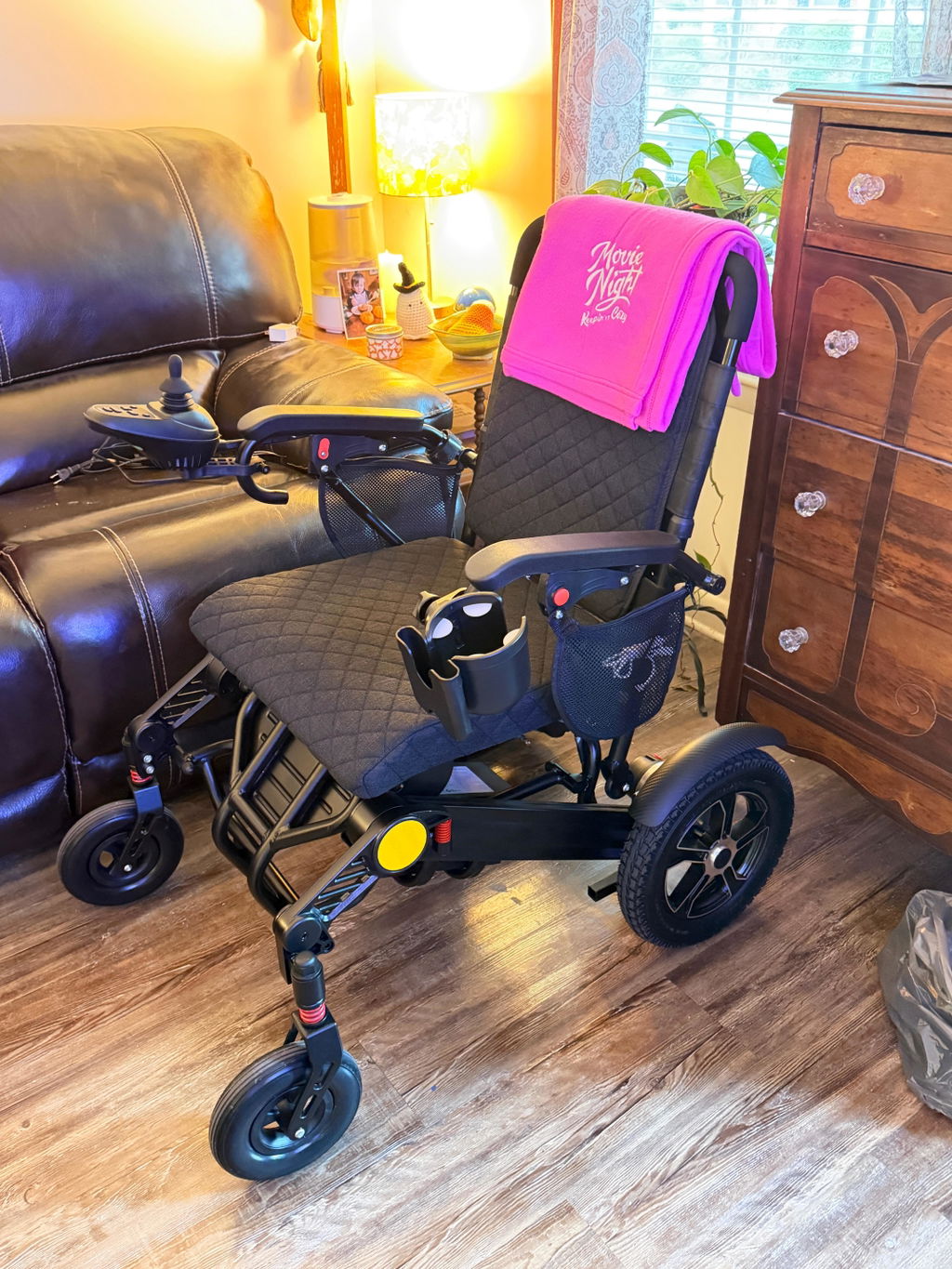
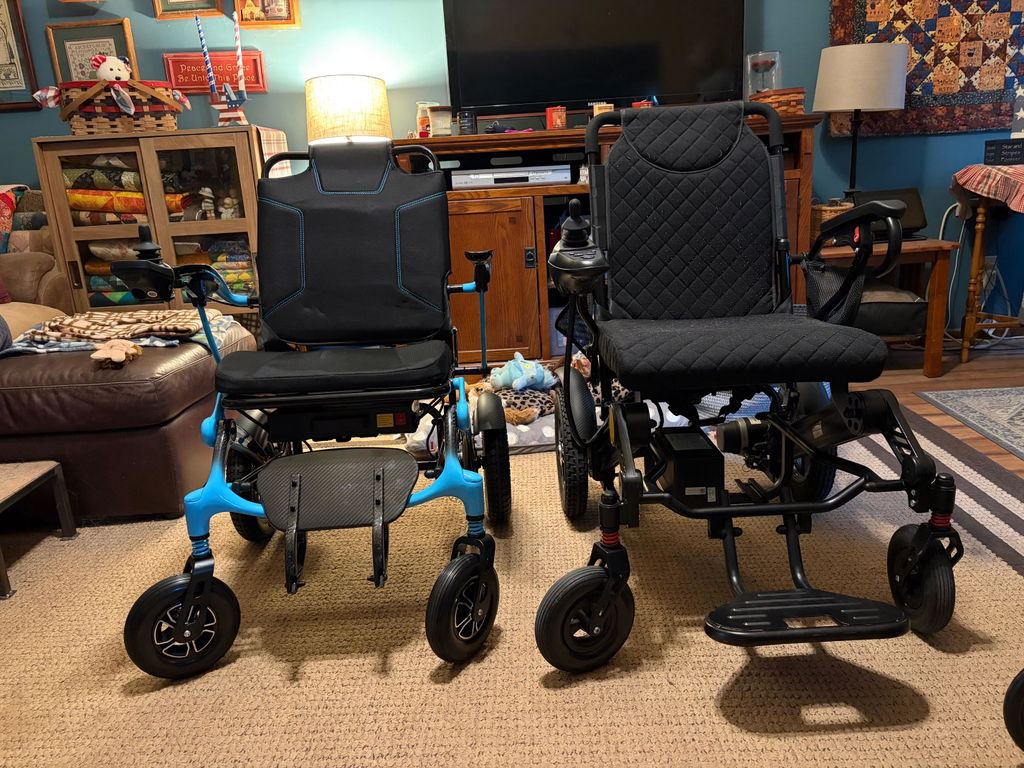
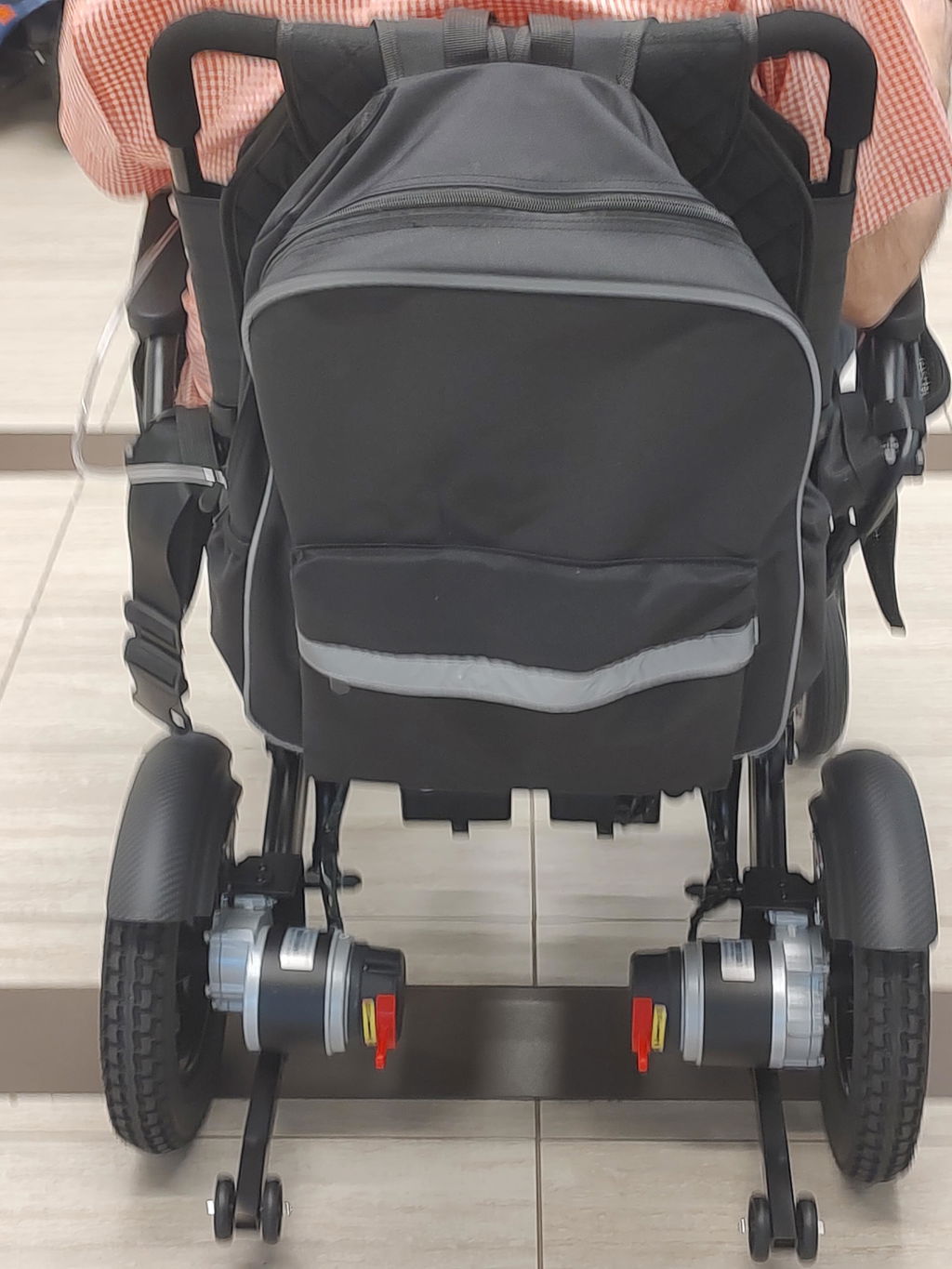
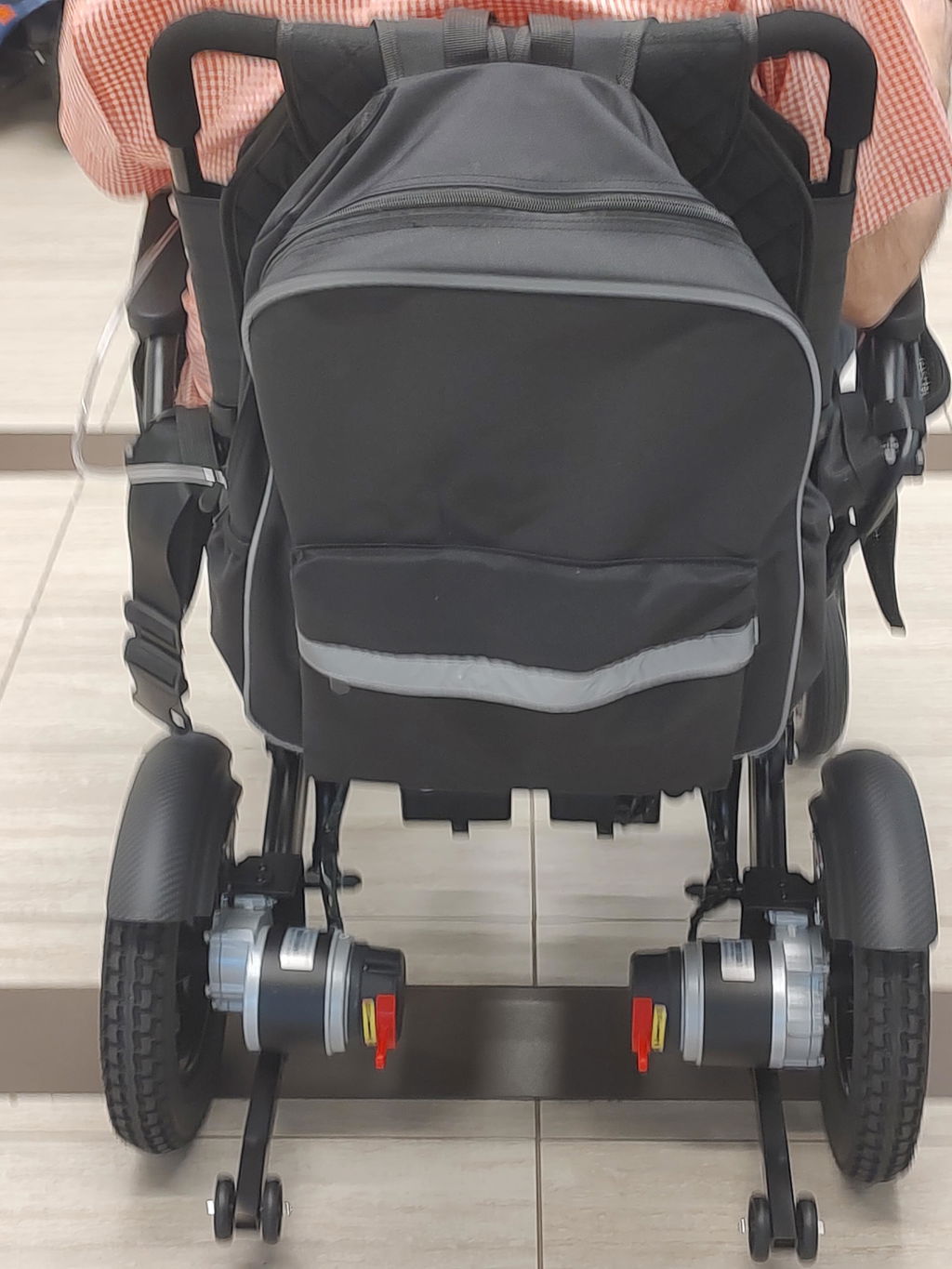
Traveling with an electric wheelchair requires advance coordination with airlines, hotels, and ground transportation. For air travel, contact your airline at least 48 hours before departure to arrange wheelchair handling. Under the Air Carrier Access Act, U.S. airlines must accept wheelchairs as checked luggage at no additional charge and must return them at the aircraft door upon arrival 2. However, damage during handling remains a concern — document your wheelchair's condition with photos before check-in, remove or protect fragile components (joystick, armrests), and carry essential tools and spare parts in your carry-on.
For detailed air travel guidance, see our how to fly with an electric wheelchair guide.
Accessible Transportation Options
At your wheelchair accessible travel destinations, multiple transportation options exist beyond public transit. Wheelchair-accessible rental vans are available in most major cities through companies like MobilityWorks and BraunAbility Rentals ($75-$150/day). Accessible ride-share services (Uber WAV, Lyft Access) are expanding but availability varies by city — check availability at your destination before relying on them. Accessible tours offered by specialized companies provide guided experiences with accessible vehicles and knowledgeable guides who understand wheelchair users' needs.
Hotel accessibility verification should be thorough and direct. Call the hotel (not the booking platform) and ask specific questions: What is the doorway width? Is the shower a roll-in or tub with bench? Are there grab bars? What floor is the accessible room on, and is there an elevator? Can you send photos? Request a ground-floor room when possible to avoid elevator dependence. Book accessible rooms early, as most hotels have limited accessible inventory.
Essential Travel Accessories
Exploring wheelchair accessible travel destinations is more comfortable with the right accessories. A portable ramp (folding, 4-5 feet) handles unexpected steps at restaurants and shops. A wheelchair rain cover protects electronics in unexpected weather. A universal power adapter (for international travel) keeps your wheelchair charged.
For outdoor excursions at your destination, an outdoor-capable wheelchair makes a significant difference. See our best outdoor electric wheelchair guide for terrain-specific advice.
Frequently Asked Questions
What are the most wheelchair accessible travel destinations in the U.S.?
The most wheelchair accessible travel destinations in the U.S. include San Diego (flat terrain, beach boardwalk, excellent transit), Orlando (theme park accessibility, flat terrain), Boston (historic sites with modern accessibility), Washington D.C. (free accessible Smithsonian museums, National Mall), and Portland (flat downtown, accessible light rail). These cities combine strong ADA compliance with proactive accessibility investment beyond minimum requirements.
How do I find wheelchair accessible hotels?
Start by using booking platforms' accessibility filters (Booking.com and Airbnb have the most detailed filters), then call the hotel directly to verify specific features. Ask about doorway width, shower type (roll-in vs. tub), grab bar locations, bed height, and the path from parking to the room. Request photos of the accessible room. Book early, as accessible rooms are limited. Websites like WheelchairTravel.org and AccessibleGo.com provide verified wheelchair user reviews of hotels worldwide.
What international destinations are most wheelchair accessible?
The most wheelchair accessible travel destinations internationally include Barcelona (Europe's most accessible city, beach wheelchairs), Sydney (excellent transit, beach programs), London (all buses accessible, major museums free), Tokyo (outstanding transit accessibility, tactile paving), and Berlin (flat terrain, accessible transit). European cities generally have better accessibility than Asian or South American destinations, though Japan is a notable exception with excellent accessibility infrastructure.
How do I handle my electric wheelchair on a flight?
Under the Air Carrier Access Act, U.S. airlines must accept electric wheelchairs as checked luggage at no charge. Contact your airline 48 hours before departure to arrange handling. Document your wheelchair's condition with photos before check-in. Remove or protect the joystick and fragile components. Carry a wheelchair specification sheet showing battery type and size (airlines need this for lithium-ion batteries). Upon arrival, your wheelchair should be returned at the aircraft door. See our how to fly with an electric wheelchair guide for step-by-step instructions.
Is travel insurance important for wheelchair users?
Yes, travel insurance is especially important for wheelchair users visiting wheelchair accessible travel destinations. Standard travel insurance covers trip cancellation and medical emergencies, but wheelchair users should also ensure their policy covers wheelchair damage or loss during transit (airlines' liability is limited), emergency wheelchair rental at the destination, and medical evacuation that accommodates wheelchair users. Specialized accessible travel insurance policies are available from companies like Squaremouth and World Nomads.
What apps help wheelchair users travel?
Essential apps for exploring wheelchair accessible travel destinations include: Wheelmap (crowdsourced wheelchair accessibility map of locations worldwide), Google Maps (now includes wheelchair-accessible transit routes), AccessNow (user-rated accessibility of businesses and attractions), Uber WAV / Lyft Access (wheelchair-accessible ride-hailing), and iAccess Life (accessibility ratings and reviews). Download these apps before your trip and check coverage at your specific destination.