

Electric Wheelchair Maintenance Guide: 11 Tips to Keep Kerdom Wheelchair Running Like New
For many people, an electric wheelchair is more than just a mobility device—it’s freedom, independence, and a way to stay active every day. Like any important piece of equipment, proper maintenance is essential to keep your wheelchair running safely and efficiently for years to come.
Regular care not only extends the lifespan of your wheelchair but also helps prevent unexpected breakdowns and costly repairs. Simple habits such as cleaning, battery care, and routine inspections can significantly improve reliability and performance.
In this guide, we’ll walk you through 11 practical maintenance tips that every electric wheelchair user should know.
1. Create a Basic Wheelchair Maintenance Toolkit
Before you begin regular maintenance, it’s helpful to prepare a small toolkit specifically for wheelchair care. Having the right tools nearby makes maintenance faster and easier.
Common items include:
-
Allen wrench set
-
Phillips and flathead screwdrivers
-
Soft cleaning brush
-
Microfiber cloths
-
Mild cleaning solution
-
Tire repair kit
-
Small towel for drying
Keeping these tools together in a dedicated bag ensures you can quickly handle small maintenance tasks whenever needed. A simple toolkit can help users perform routine adjustments without needing professional service every time.
2. Clean Your Electric Wheelchair Regularly
Cleaning your wheelchair regularly is one of the easiest ways to extend its lifespan.
Dust, dirt, and debris often accumulate around the wheels, frame, and control panel. Over time, these particles can affect moving parts and reduce overall performance.
Simple cleaning routine
-
Wipe down the frame using a damp cloth.
-
Use mild soap to remove stains or dirt.
-
Clean the wheels to remove hair, dust, or debris.
-
Dry all surfaces completely to prevent moisture damage.
Avoid harsh chemicals or high-pressure water because they may damage sensitive electrical components.
Even spending just a few minutes cleaning your wheelchair each day can prevent long-term wear and mechanical issues.
3. Take Proper Care of the Battery
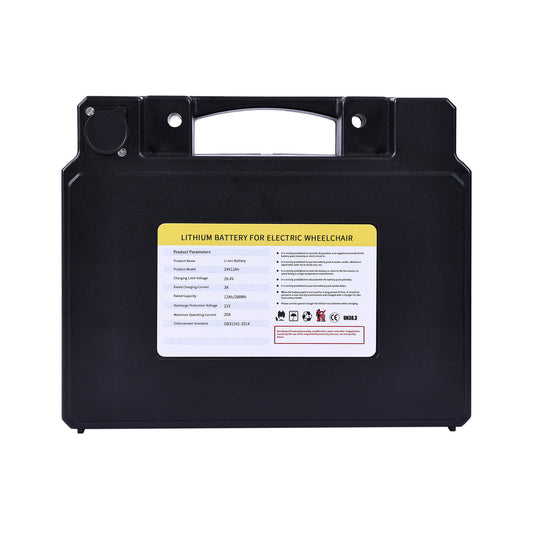
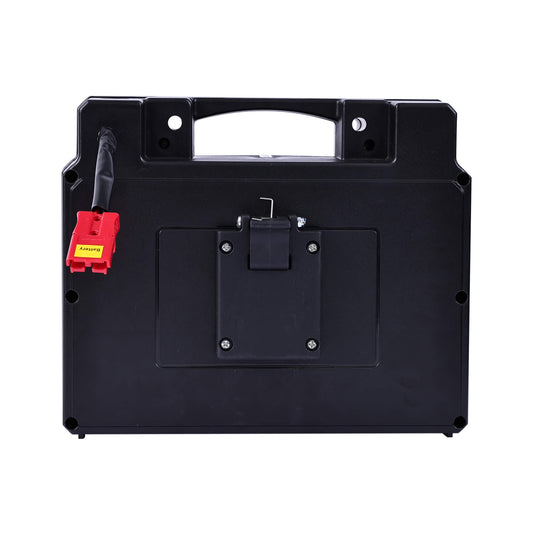
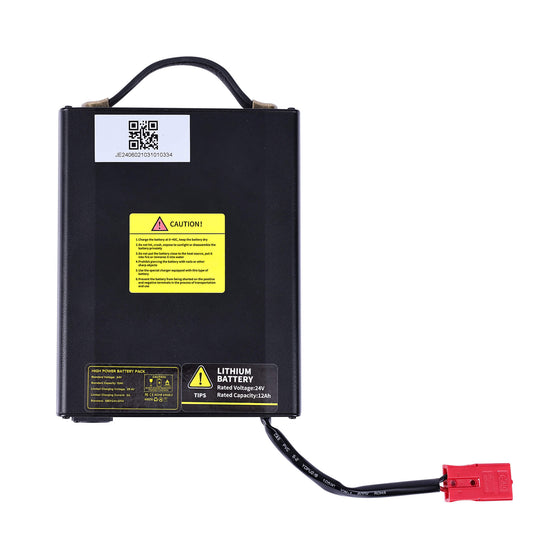
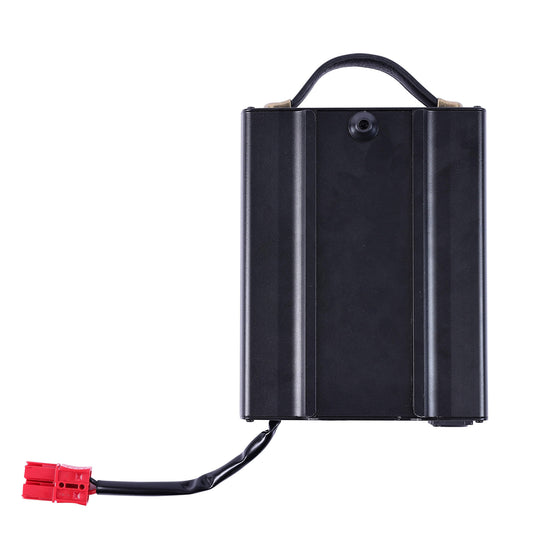
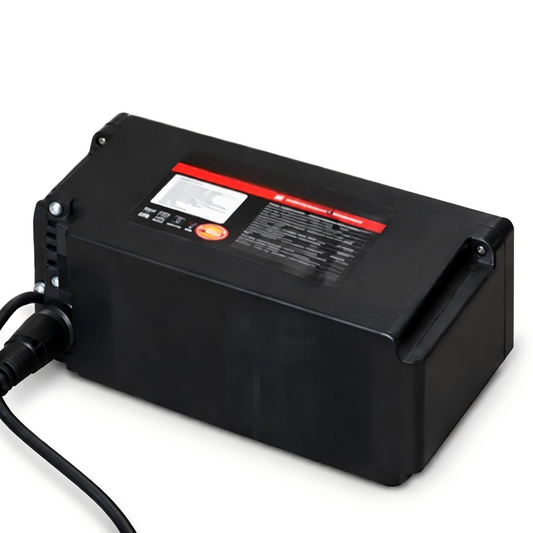
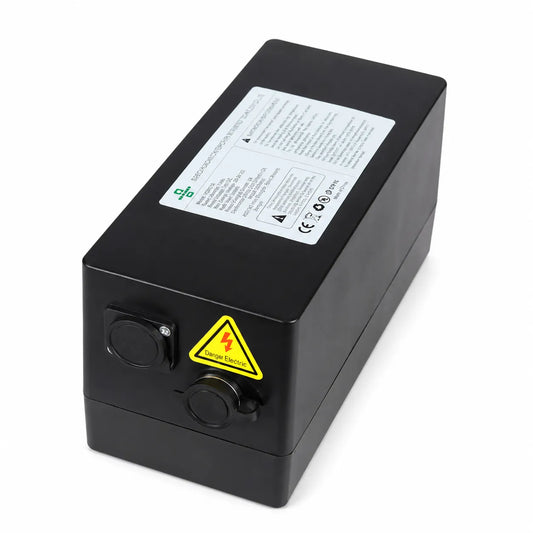
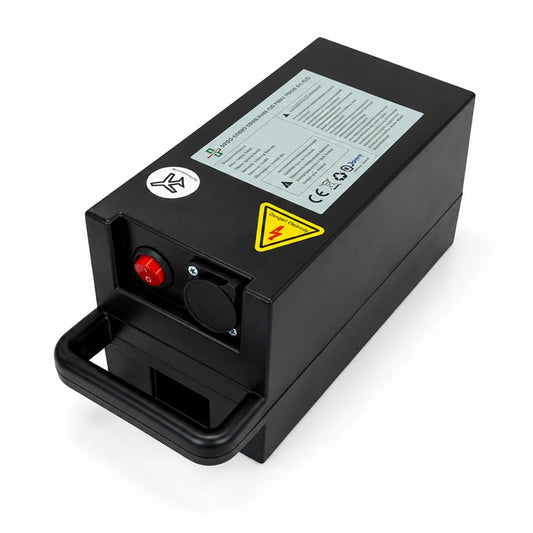
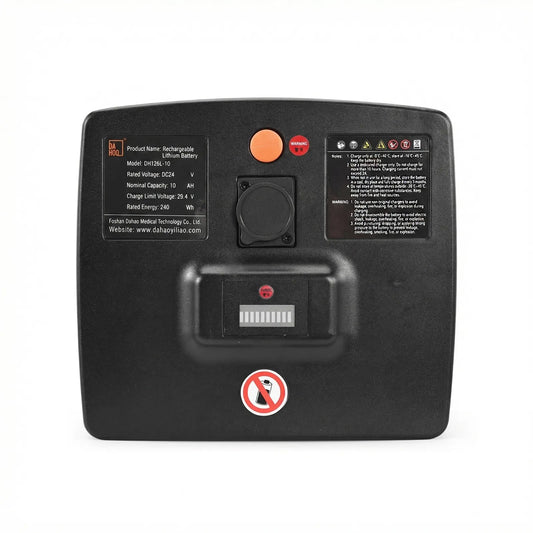
The battery is the heart of any electric wheelchair. Proper battery maintenance ensures reliable performance and longer travel range.
Best battery care practices
-
Charge the wheelchair battery regularly
-
Avoid fully draining the battery
-
Use the original charger whenever possible
-
Keep battery terminals clean
Experts recommend charging the wheelchair frequently and avoiding deep discharge cycles, which can reduce battery lifespan.
For users who rely on their wheelchair daily, building a habit of charging overnight can ensure the device is always ready for the next day.
4. Protect Your Wheelchair From Moisture
Electric wheelchairs contain sensitive electronics, including motors, wiring systems, and control panels. Excess moisture can cause corrosion and electrical damage.
Whenever possible:
-
Avoid heavy rain or snow
-
Store the wheelchair indoors
-
Keep the controller dry
-
Dry the chair thoroughly after exposure to moisture
If you must use your wheelchair during rainy weather, covering the control panel with a protective cover or plastic wrap can help prevent water damage.
Keeping your wheelchair dry is one of the simplest ways to avoid costly electrical repairs.
5. Check Tire Condition and Pressure
Wheelchair tires play a critical role in safety, stability, and maneuverability.
Poorly maintained tires can cause uneven movement, wobbling, or reduced traction.
Tire maintenance tips
-
Check tire pressure regularly
-
Inspect for cracks or punctures
-
Remove debris from wheels
Proper tire pressure improves ride comfort and helps prevent uneven tire wear.
Maintaining the wheels ensures smoother operation and reduces strain on the wheelchair’s motor.
6. Perform Weekly Safety Checks
A simple weekly inspection can identify small issues before they become serious problems.
Key areas to inspect include:
-
Loose bolts or screws
-
Seat stability
-
Footrest alignment
-
Armrest condition
-
Frame integrity
If you notice any loose components, tighten them immediately to prevent potential safety risks.
These small checks only take a few minutes but can greatly improve wheelchair safety.
7. Inspect Wiring and Electronics
Electric wheelchairs rely on wiring systems to connect batteries, motors, and control units.
Loose wires or damaged connectors can lead to performance issues.
During regular inspections:
-
Ensure cables are properly secured
-
Confirm connectors are firmly attached
If you notice damaged cables or electrical issues, consult a professional technician instead of attempting complex repairs yourself.
8. Monitor Motor and Brake Performance
The motor and braking system are essential for safe wheelchair operation.
Watch for signs such as:
-
Reduced speed
-
Delayed acceleration
-
Unusual noises
-
Weak braking response
If your wheelchair begins to behave differently, it may indicate motor wear or brake adjustments are needed.
Addressing these issues early helps maintain safe driving performance.
9. Lubricate Moving Parts
Over time, friction can develop in joints and moving components.
Applying a suitable lubricant can help keep the wheelchair operating smoothly.
Important areas to lubricate include:
-
Wheel axles
-
Folding joints
-
Armrests
-
Footrest hinges
Regular lubrication reduces wear and prevents squeaking while improving maneuverability.
10. Store Your Wheelchair Properly
Proper storage is crucial when the wheelchair is not in use.
Best storage practices include:
-
Store indoors in a dry environment
-
Avoid extreme heat or cold
-
Use a protective cover to prevent dust buildup
-
Charge the battery before long-term storage
Moist environments can cause rust and damage metal components over time.
A clean and climate-controlled storage space will significantly extend the life of your wheelchair.
11. Read and Follow the User Manual
Every wheelchair model is different, and the manufacturer’s manual contains important maintenance information.
Your manual typically includes:
-
Recommended maintenance schedules
-
Battery charging instructions
-
Weight limits
-
Safety precautions
Understanding your wheelchair’s specifications ensures you maintain it correctly and avoid unnecessary damage.
Common Signs Your Wheelchair Needs Maintenance
Even with good care, wheelchairs occasionally require professional servicing.
Watch for these warning signs:
-
Reduced battery range
-
Strange noises from the motor
-
Difficulty steering
-
Loose or unstable seating
-
Slow response from the joystick
Addressing these issues early can prevent major repairs later.
Final Thoughts
An electric wheelchair plays a vital role in daily independence, which is why proper maintenance is so important.
By following these simple habits—cleaning regularly, maintaining the battery, inspecting tires, and performing weekly checks—you can significantly extend the lifespan of your wheelchair and ensure reliable performance.
Taking just a few minutes each day to care for your mobility device can save time, money, and frustration in the long run.
Whether you use your wheelchair indoors, outdoors, or while traveling, consistent maintenance keeps your ride smooth, safe, and dependable.





No comments





0 comments