
What to Expect After Your Doctor Says You Need a Power Wheelchair
Hearing that you or a loved one needs a power wheelchair can feel overwhelming. Most people leave the doctor's office with a prescription and no clear picture of what happens next, how long it takes, or what choices they actually have.
Here is what almost no one tells you upfront: the full process through Medicare or insurance typically takes 8 to 19 weeks. But if you go the self-pay route, you could have a chair at your door in 3 to 7 business days. The gap is enormous, and understanding both paths helps you plan with confidence.
This guide maps every step of both timelines, week by week, so you know exactly what to expect. You are far from alone in navigating this. According to GoodRx, approximately 5.5 to 6 million Americans use wheelchairs, and adults 65 and older are four times more likely to need one. This is a well-traveled road.
Step 1: The Face-to-Face Exam and Prescription (Weeks 1–2)
Before Medicare or most private insurers will consider covering a power wheelchair, you need a face-to-face examination with your treating physician. This is not a formality. It is the foundation the entire process rests on.
During this appointment, your doctor will conduct a mobility assessment, document your diagnosis, and write a formal prescription known as a 7-element order. This order specifies the type of device, your medical condition, and why a power wheelchair is necessary for your daily life.
Your physician will also prepare a Letter of Medical Necessity (LMN), a detailed document explaining why you cannot safely or effectively use a manual wheelchair. The LMN must be sent to your Durable Medical Equipment (DME) supplier within 45 days of the exam, per Medicare.gov requirements.
Practical tip: Ask your doctor to specifically document why a manual wheelchair will not meet your needs. This is a key Medicare medical necessity requirement, and vague language here is the most common reason claims fail.
Also consider requesting a referral to an Assistive Technology Professional (ATP) at this stage. An ATP is a credentialed specialist who evaluates your mobility needs in detail. Getting one involved early can prevent costly delays and ensure you are matched with the right chair from the start.
Step 2: Choosing a Supplier and Completing Your Wheelchair Assessment (Weeks 2–6)
If you are going through Medicare, your supplier must be Medicare-enrolled. Choosing a non-enrolled supplier means you will be paying entirely out of pocket, even if you have coverage. Confirm enrollment status before signing anything.
Once you have selected a supplier, you will go through a comprehensive wheelchair assessment. This typically includes an interview about your daily routine and mobility goals, physical measurements, a seating evaluation, a review of your home environment, and a trial period with the recommended chair.
Fit is not a minor detail. According to the 2023 WHO Wheelchair Provision Guidelines, a poorly fitted wheelchair can cause pressure injuries, postural deformities, pain, reduced function, and decreased community participation. Getting the fit right the first time is essential.
Medicare also requires a home assessment, either before or at the time of delivery. A clinician or supplier representative will evaluate your doorway widths, flooring types, and maneuvering space to confirm the chair will work safely in your home.
Quick checklist to prepare:
- Measure your doorways (standard minimum is 32 inches for wheelchair access)
- Note your flooring types (carpet, tile, hardwood)
- Identify tight corners, thresholds, and any ramps
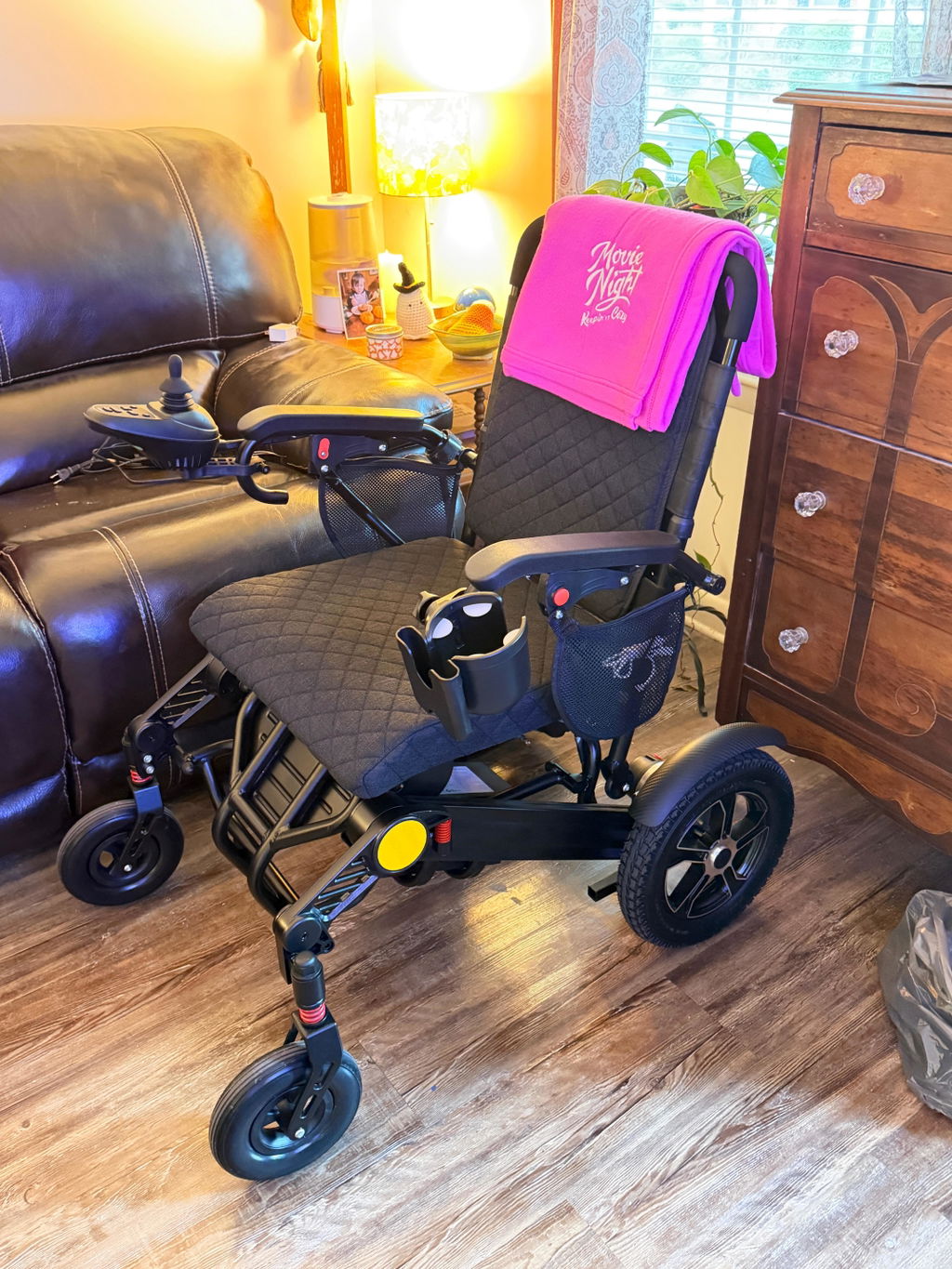
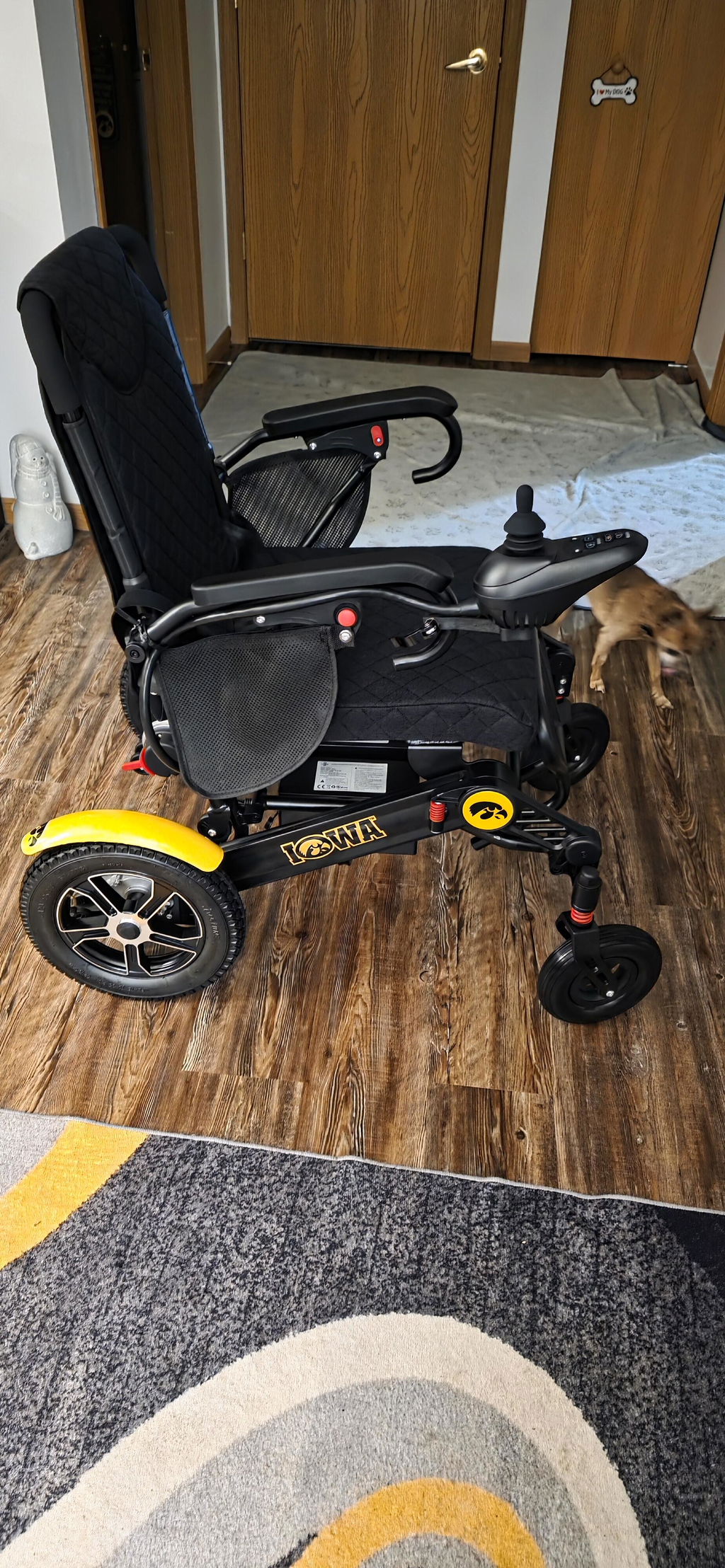
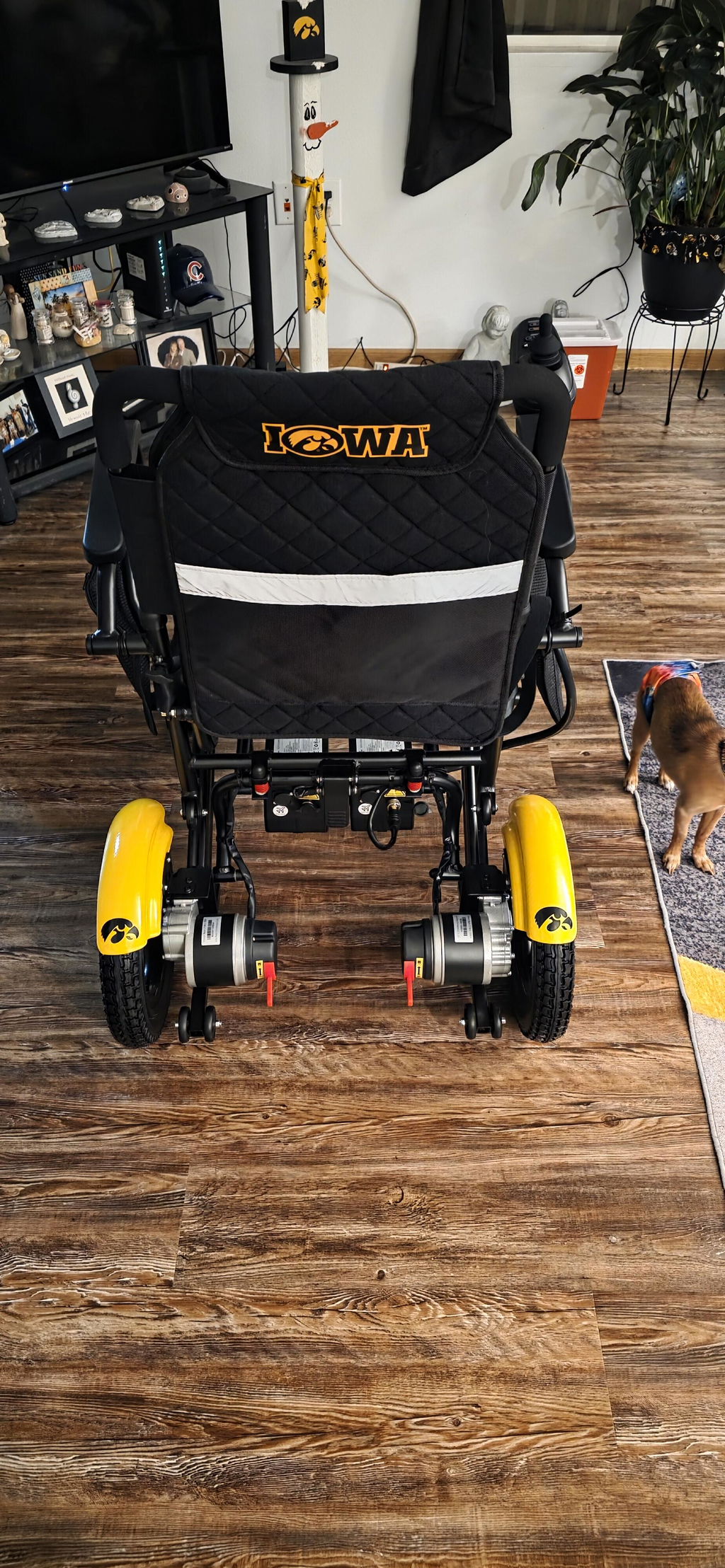
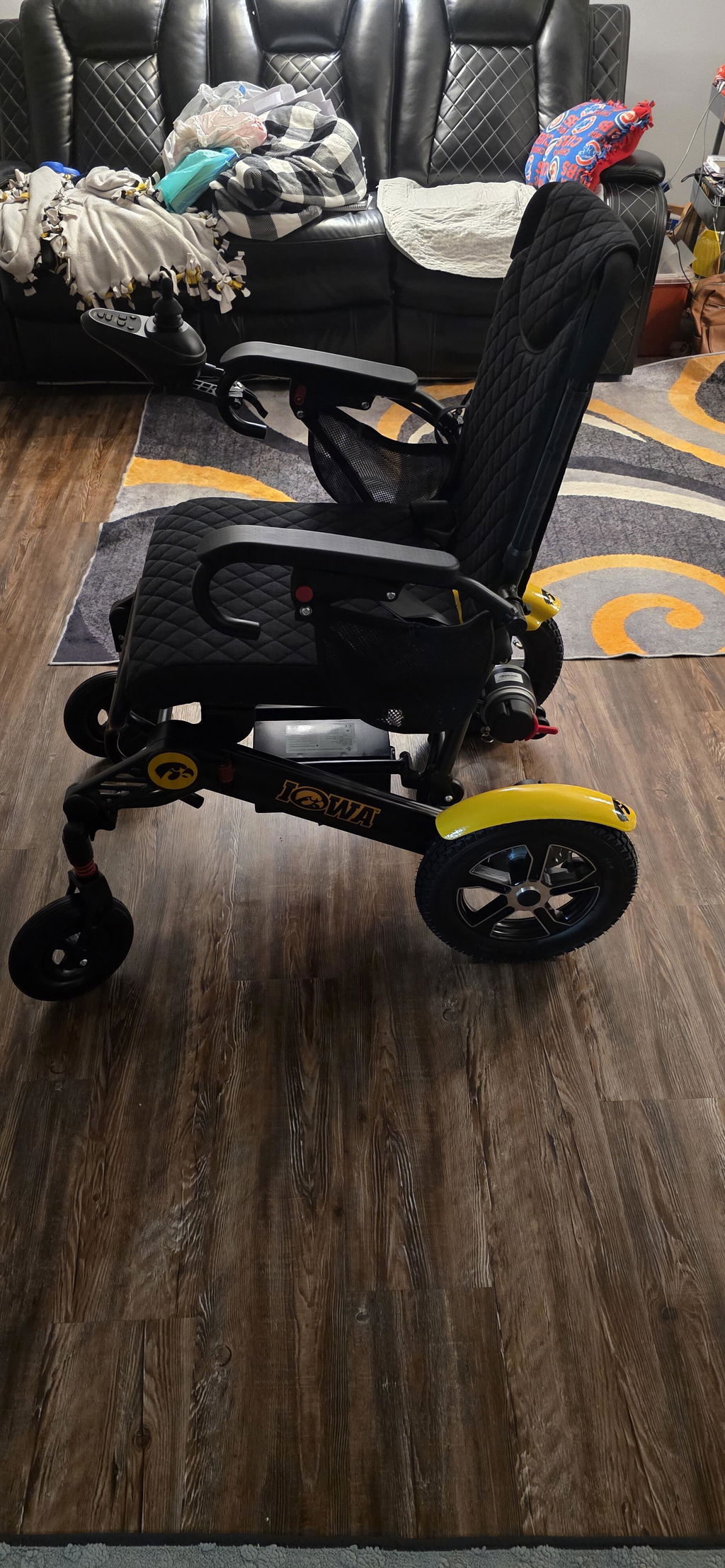
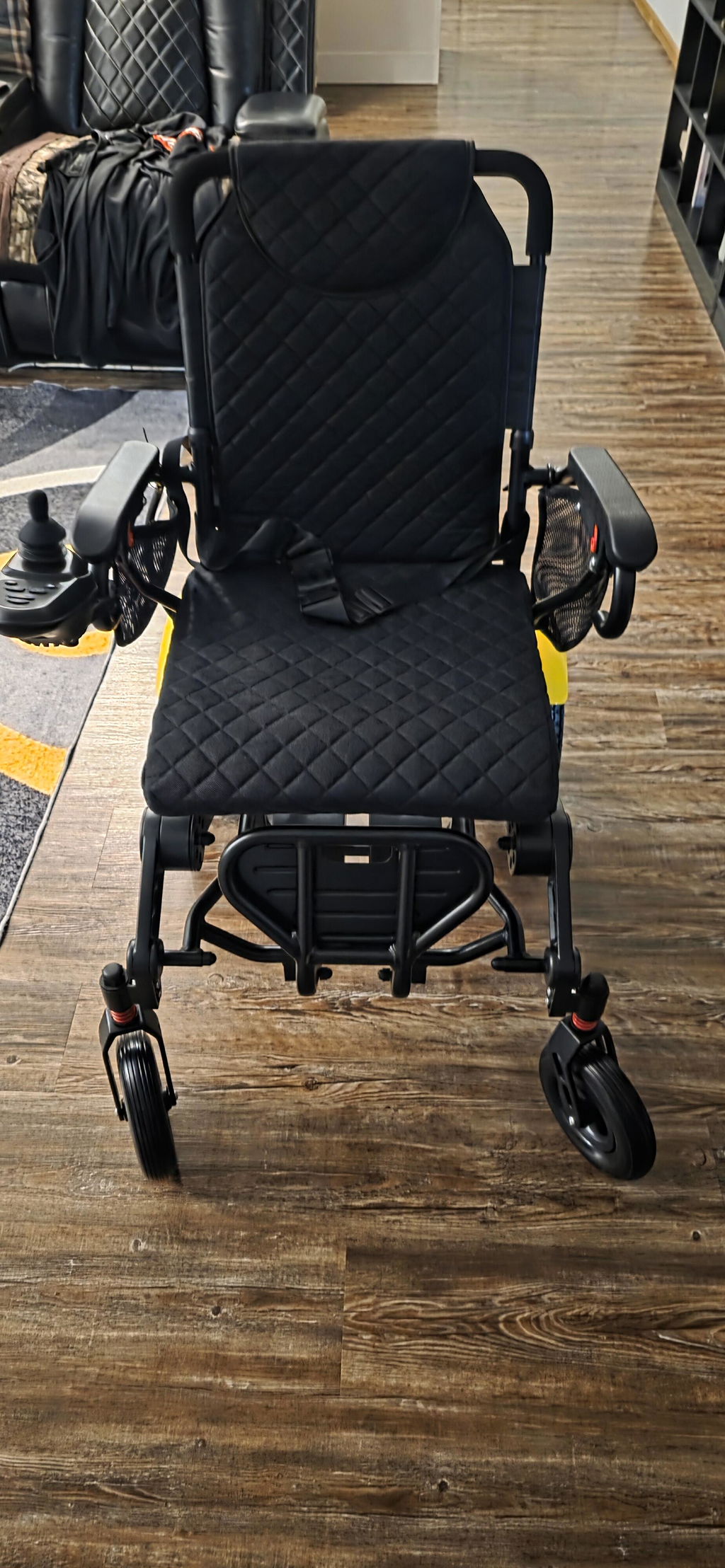
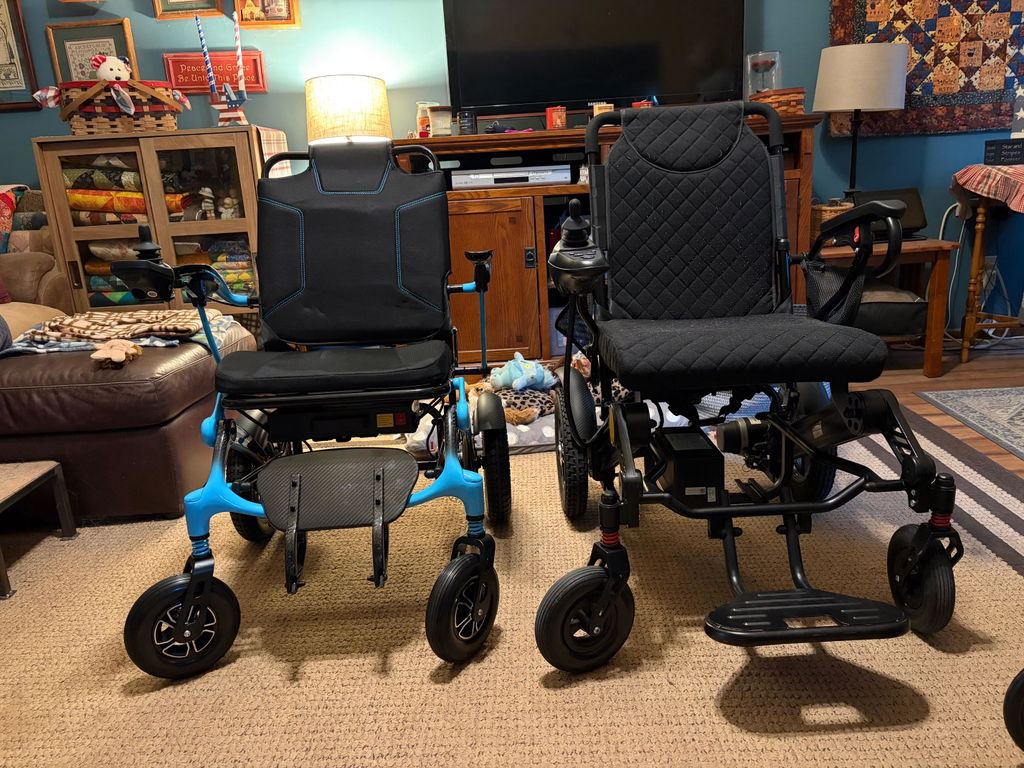
Lightweight folding models can simplify this process considerably. Some weigh as little as 25.8 lbs and fold compactly enough to fit through narrower spaces, making them compatible with a wider range of home layouts.
Step 3: Insurance Submission and the Approval Wait (Weeks 4–12)
Once your assessment is complete, your DME supplier submits a package to Medicare or your insurer. This includes the physician's prescription, the Letter of Medical Necessity, clinical notes, and a prior authorization request.
Prior authorization decisions typically come back within 5 to 10 business days after submission. The full insurance approval process, from submission to final sign-off, averages 2 to 8 weeks depending on the insurer, according to Freedom Mobility.
Under Medicare Part B, power wheelchairs follow a rental-first model. You rent the chair for the first 13 months, after which you own it outright. Medicare covers 80% of the approved amount after a $257 annual Part B deductible (2025 figure). You are responsible for the remaining 20% coinsurance.
One rule that catches many first-time buyers off guard is Medicare's 5-year replacement rule. Medicare will generally only fund one mobility device every five years. Your first choice carries real weight, so selecting a chair that fits both your current needs and anticipated future needs is critical.
Documentation quality remains the deciding factor throughout this process. According to CMS 2024 data, the improper payment rate for wheelchair accessories is 35.4%, with 95.3% of those improper payments driven by medical necessity documentation errors. A thorough, documentation-first approach at Step 1 pays dividends here.
The Self-Pay Alternative: Skip the Wait and Get Your Chair in Days
Self-pay is a legitimate and increasingly popular route, especially for seniors who need immediate mobility, caregivers purchasing for a family member, travelers who need an airline-approved model, or anyone whose insurance claim was denied.
The timeline difference is stark: 3 to 7 business days for self-pay delivery versus 8 to 19 weeks through insurance.
Retail electric wheelchairs start around $900 and reach $3,500 for quality folding models. Complex rehab chairs designed for specialized medical needs run $6,000 to $10,000 or more. For many buyers, a mid-range folding model covers their needs without the months-long wait.
Flexible financing options like Klarna make direct purchase more accessible, letting you split payments over time instead of paying everything upfront.
Self-pay does not mean sacrificing safety or quality. KERDOM's electric wheelchairs are FDA 510(k)-cleared and ISO 13485-certified, meeting the same medical-grade safety standards as insurance-covered devices. Every chair comes with a 5-year warranty, 60-day worry-free returns, and free fast shipping from U.S. warehouses. Our U.S.-based customer support team is here to help with any questions along the way.
Step 4: Delivery, Setup, and Your First Week in the Chair (Weeks 8–19 or Days 3–7)
Whether your chair arrives through insurance or direct purchase, the delivery experience is similar. The chair ships to your door, and you will receive either hands-on setup from a technician or a detailed guide that walks you through assembly and controls.
Expect a break-in period. Most new users need 1 to 2 weeks to build comfort and confidence with joystick controls, which remain the dominant control type at 67.4% market share. Start in a familiar, open space and gradually expand your range as you grow comfortable.
Battery basics: Lithium-ion batteries in modern electric wheelchairs last 3 to 5 years. Most models travel 8 to 20 miles on a full charge. Charge your battery fully before first use, and avoid letting it drain completely on a regular basis. These habits will extend battery life significantly.
If you plan to fly, pay close attention to airline battery regulations. Southwest Airlines implemented new policies in 2025 requiring removable lithium batteries to be taken out of powered wheelchairs before boarding, with a 300-watt-hour battery limit taking effect in 2026 per FAA guidance. Verify your chair's battery specs against these requirements before purchasing.
According to the 2023 DREDF Mobility Device User Survey, 51% of wheelchair users use their chair 13 or more hours per day. The chair quickly becomes part of how you move through your life, not a limitation on it.
Schedule a 6-month follow-up assessment to make sure the fit still works as your needs evolve. Bodies change, and your chair should change with you.
You Have a Roadmap. Now Take the First Step.
Two paths, two very different timelines:
- Insurance route: 8 to 19 weeks, lower out-of-pocket cost, requires thorough documentation at every step
- Self-pay route: 3 to 7 business days, immediate independence, full control over your choice
If you go the insurance route, remember: documentation quality at Step 1 is the single biggest factor in whether your claim succeeds or fails. Get it right the first time, because Medicare's 5-year replacement rule means your first chair choice carries lasting consequences.
No matter which path you choose, getting a power wheelchair is not a loss of independence. It is a tool that restores it. You are joining a community of 5.5 to 6 million Americans who use wheelchairs to live fuller, more active lives.
Ready to explore your options? KERDOM offers medical-grade, FDA-cleared folding electric wheelchairs with free U.S. shipping, a 5-year warranty, and 60-day worry-free returns. Browse our collection online, or contact our U.S.-based support team for personalized guidance. We are here to help you find the right fit.
Sources
- GoodRx – Are Wheelchairs Covered by Medicare?
- Medicare.gov – Wheelchairs & Scooters Coverage
- 1800wheelchair.com – Why 43% of Power Wheelchair Medicare Claims Get Denied
- Physiopedia – Wheelchair Assessment (WHO Guidelines)
- Freedom Mobility – How to Get a Wheelchair Through Insurance
- CMS – Wheelchair Options & Accessories Compliance Tips (2024 Data)
- Transparency Market Research – Electric Wheelchair Market
- Persistence Market Research – Electric Wheelchair Market
- DREDF – Mobility Device User Survey 2023 Full Report