
Planning a summer road trip? Finding wheelchair friendly national parks is easier than ever in 2026. The National Park Service has made significant strides in upgrading trails, visitor centers, and scenic overlooks to accommodate mobility devices. Whether you are using a lightweight travel chair or a heavy-duty model, exploring these natural wonders is completely within your reach. In this guide, we will explore the top five wheelchair friendly national parks and how the right power chair can enhance your adventure.
Why Visit National Parks in an Electric Wheelchair?
The beauty of America's wilderness should be accessible to everyone. Utilizing an electric wheelchair in national parks allows seniors and individuals with mobility impairments to experience majestic landscapes without the physical exhaustion of a manual chair. Many parks now feature miles of paved pathways, hard-packed dirt trails, and wooden boardwalks specifically designed for wheeled mobility devices.
Top 5 Wheelchair Friendly National Parks
1. Yosemite National Park (California)
Yosemite is renowned for its towering granite cliffs and spectacular waterfalls, and it is also one of the most wheelchair friendly national parks in the country. The Yosemite Valley floor is relatively flat, offering miles of paved, multi-use trails. The Lower Yosemite Fall trail is fully accessible, providing an up-close view of the thundering water. Additionally, the park's shuttle buses are equipped with wheelchair lifts, making it easy to navigate between major viewpoints.
2. Grand Canyon National Park (Arizona)
The South Rim of the Grand Canyon offers breathtaking views and excellent accessibility. The Rim Trail stretches for miles along the edge of the canyon and is mostly paved and flat. This makes it an ideal destination for electric wheelchair national parks exploration. The park also provides a Scenic Drive Accessibility Permit, which allows visitors with mobility limitations to drive their own vehicles on roads normally restricted to shuttle buses.
3. Yellowstone National Park (Wyoming)
Yellowstone's unique geothermal features are surprisingly easy to view from a mobility device. The park features extensive wooden boardwalks around major attractions like Old Faithful, the Grand Prismatic Spring, and the Mammoth Hot Springs. These boardwalks are perfectly suited for power chairs, ensuring you can safely navigate the bubbling geysers and colorful hot springs.
4. Acadia National Park (Maine)
If you prefer coastal scenery, Acadia is a fantastic choice among accessible outdoor destinations. The carriage roads, originally built by John D. Rockefeller Jr., offer 45 miles of crushed rock surfaces that are generally suitable for robust power chairs. Furthermore, the Echo Lake Trail and the Jordan Pond Path have accessible sections, and the summit of Cadillac Mountain can be reached via a paved road.
5. Great Smoky Mountains National Park (Tennessee/North Carolina)
As the most visited national park in the US, the Great Smoky Mountains has prioritized accessibility. The Sugarlands Valley Nature Trail is a half-mile paved loop designed specifically for visitors with mobility impairments. Additionally, Clingmans Dome, the highest point in the park, features a steep but paved observation tower ramp.
Best Electric Wheelchairs for National Parks
When exploring these beautiful natural reserves, you need a reliable and capable mobility device.
The All-Terrain DX05
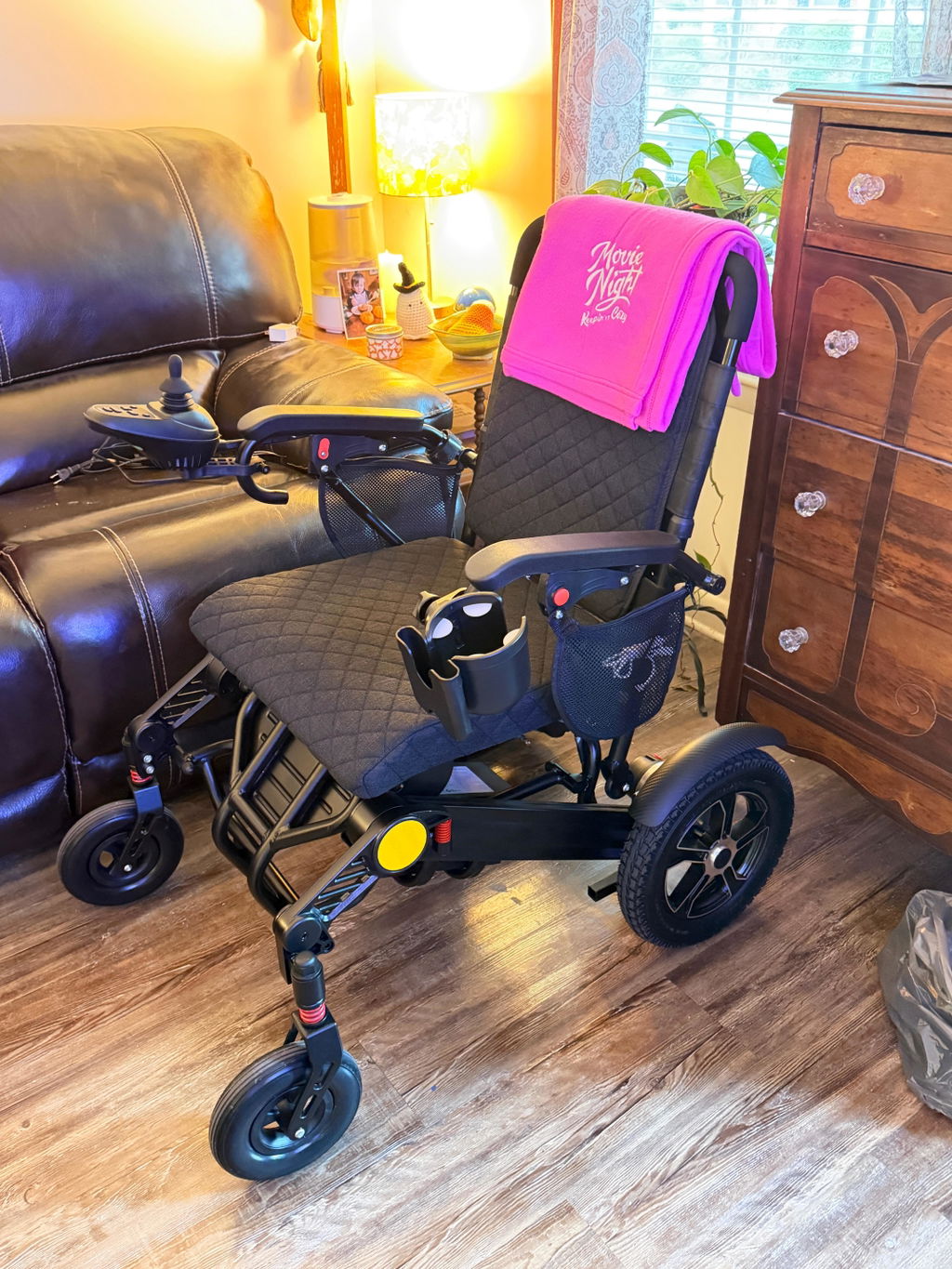
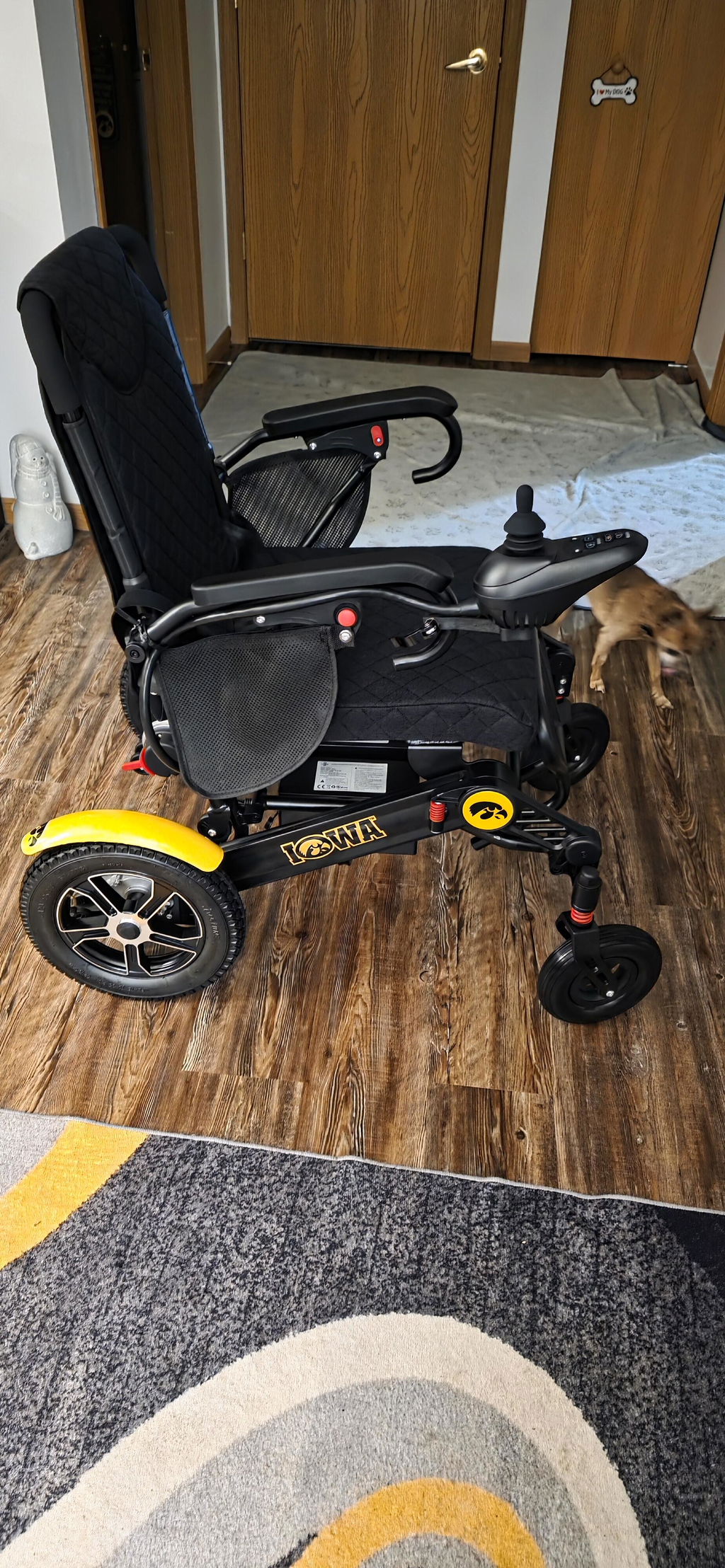
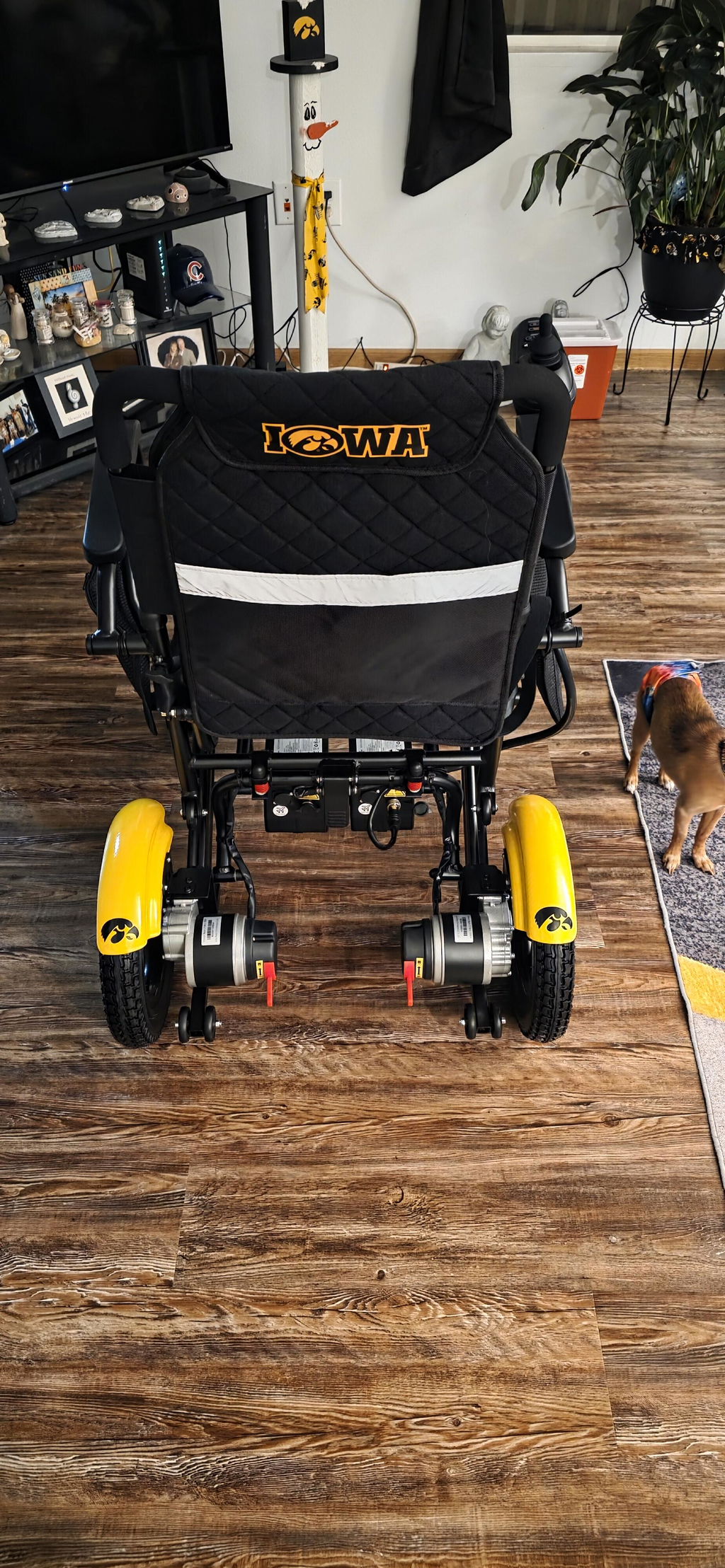
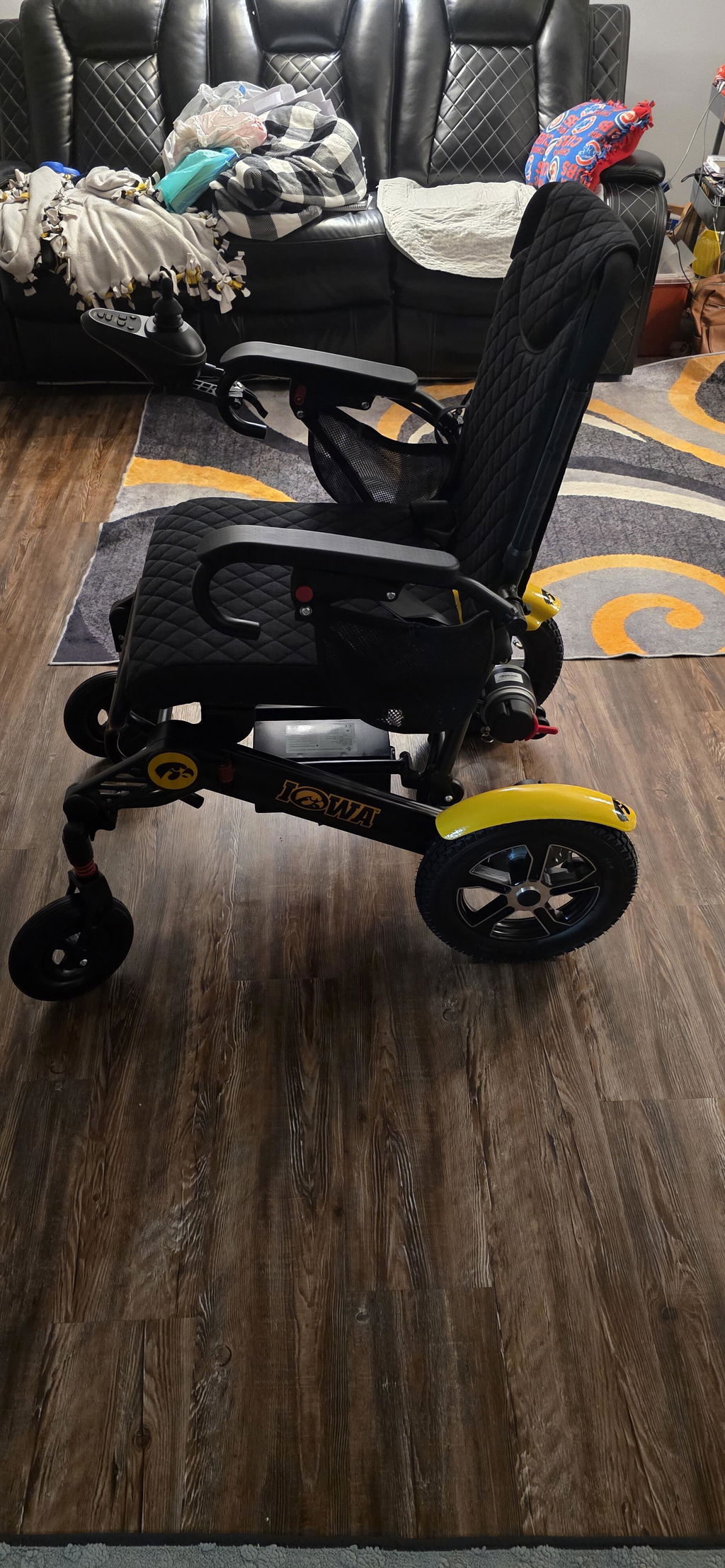
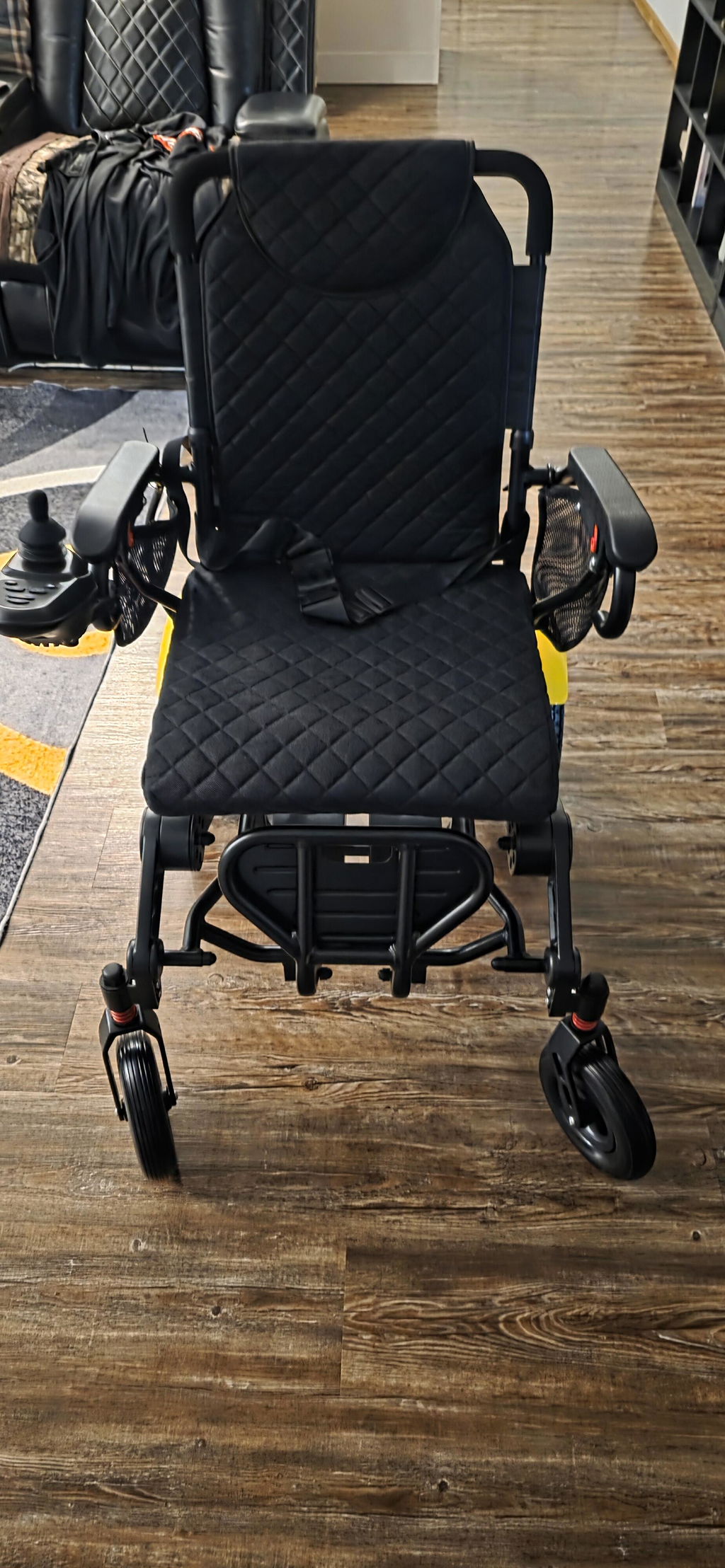
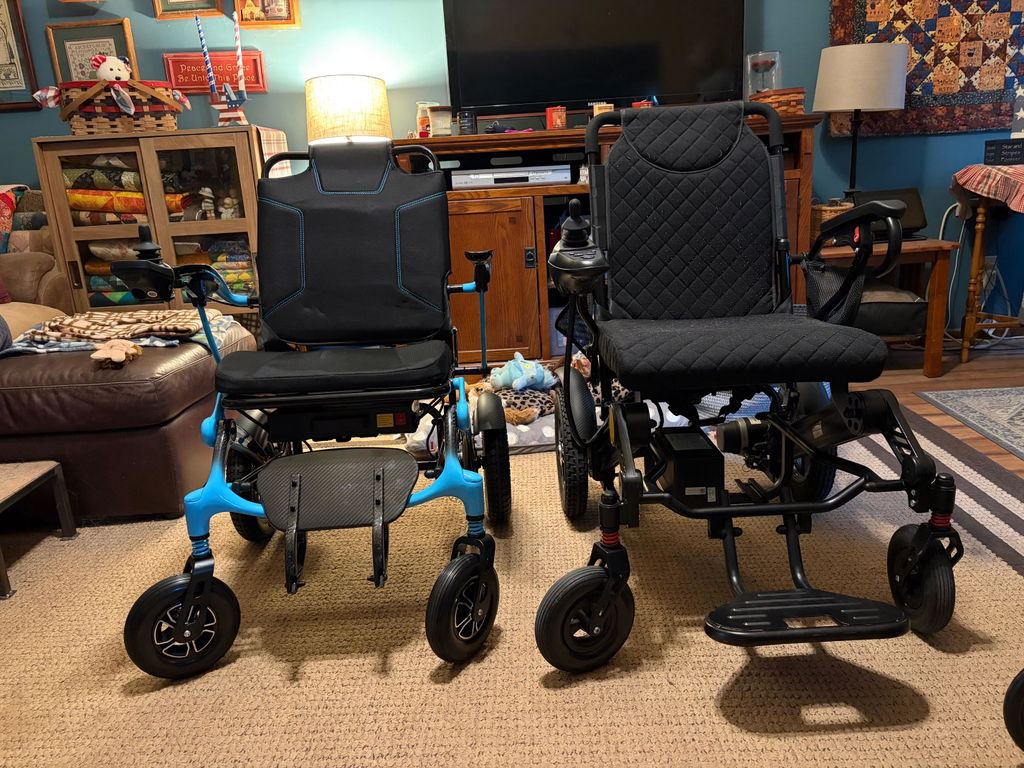
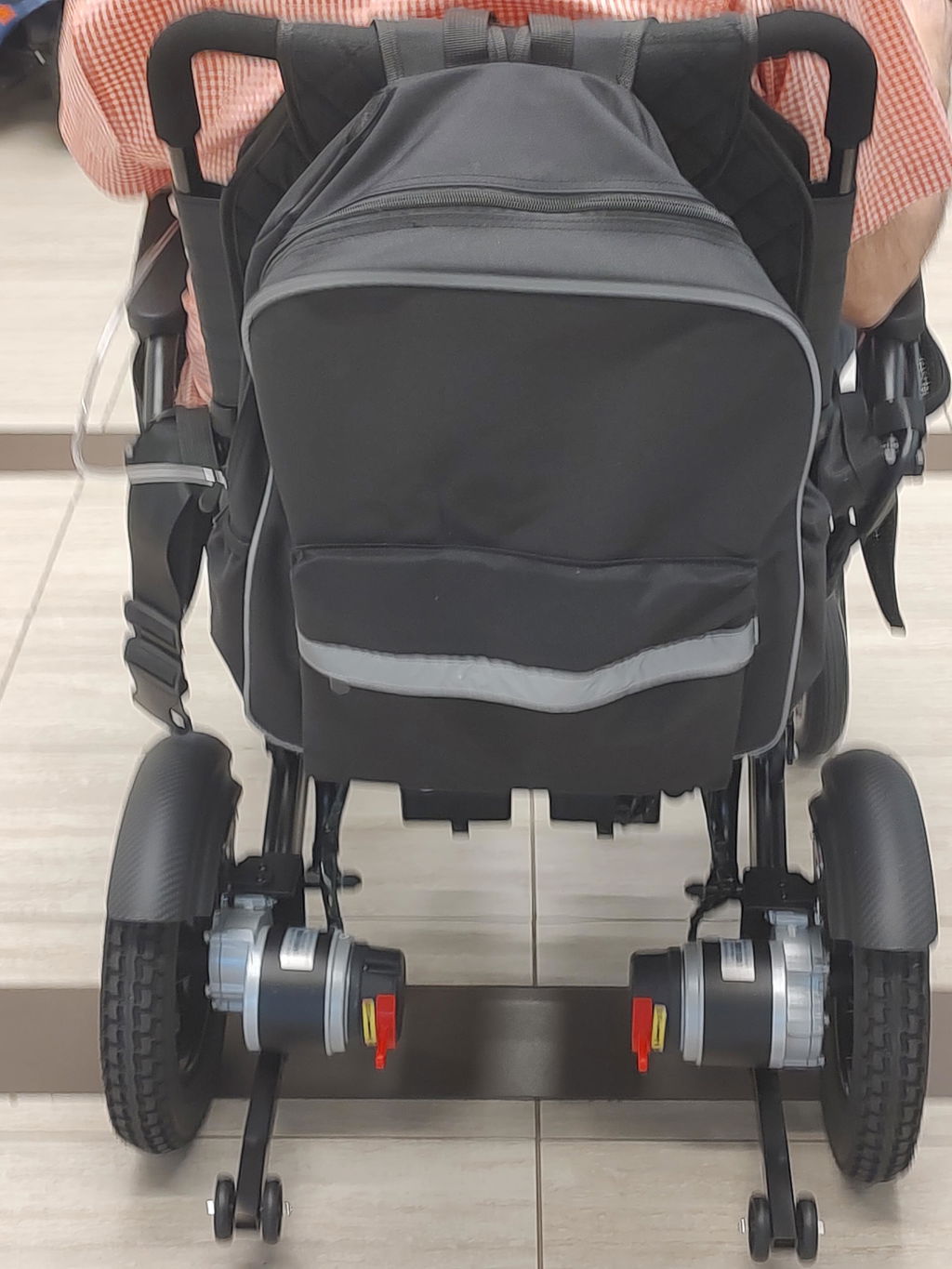
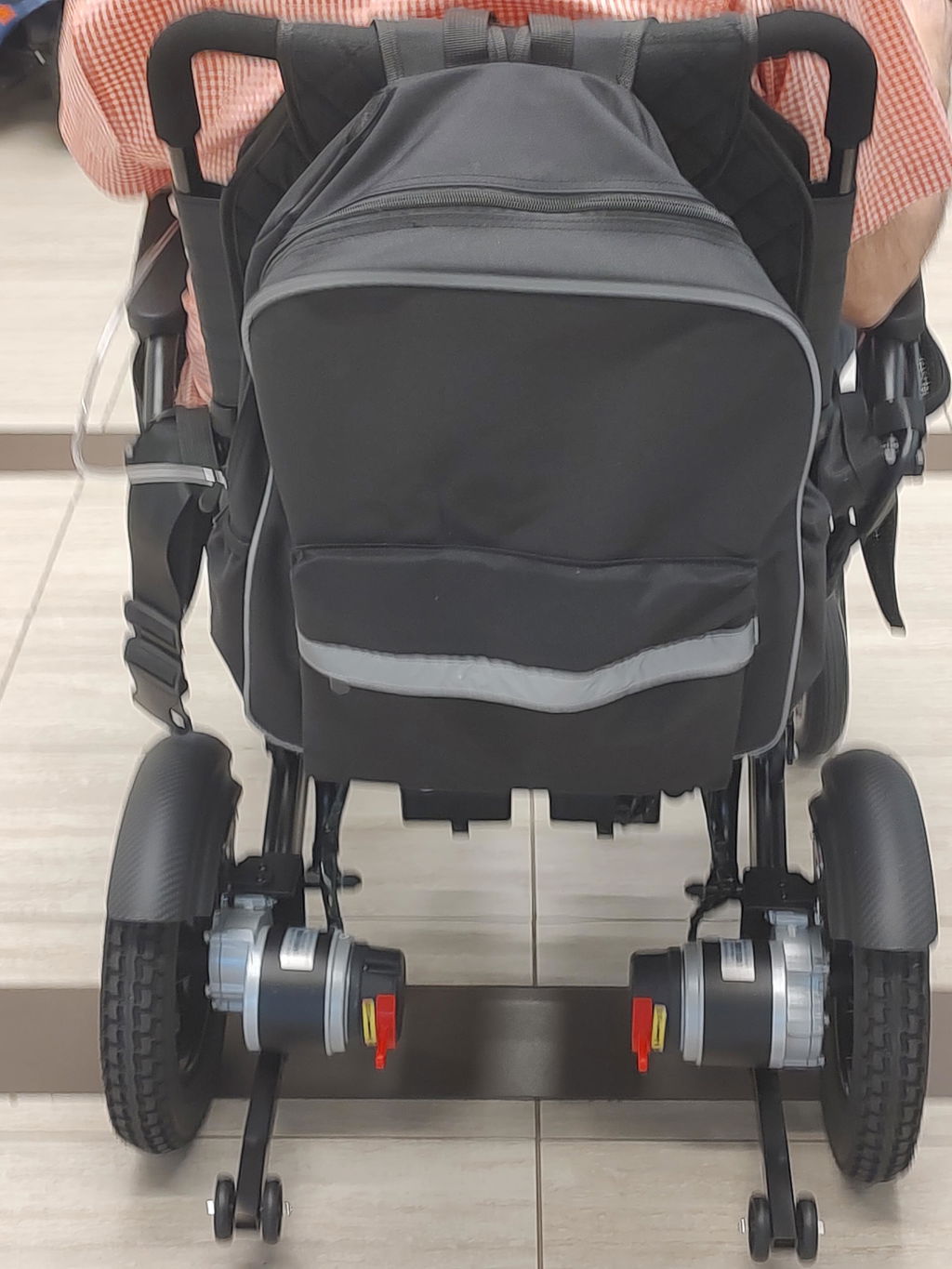
For outdoor adventures, the KERDOM DX05 All Terrain Electric Wheelchair is an exceptional choice. Its 12-inch rear tires and powerful 500W dual motors are designed to handle the varied terrains found in national parks, from paved paths to crushed gravel trails. With a 20-mile range, you can spend the entire day exploring without range anxiety.
The Heavy-Duty DX06
The KERDOM DX06 Heavy Duty Folding Power Wheelchair boasts an incredible 30-mile range. Its robust construction and puncture-proof tires make it perfect for the rugged environments of electric wheelchair national parks.
|
Feature |
DX05 All Terrain |
DX06 Heavy Duty |
|
Motors |
500W |
500W |
|
Tires |
12" Rear |
12" Solid PU/Rubber |
|
Best For |
General outdoor trails |
Extended trips, steep inclines |
Tips for National Park Travel with a Power Chair
Before you head out to explore these scenic destinations, consider these tips:
• Get an Access Pass: US citizens with permanent disabilities can obtain a free, lifetime National Parks and Federal Recreational Lands Access Pass [1].
• Check Trail Conditions: Always consult the park's official website or visitor center for the latest updates on trail accessibility, as weather can alter path conditions.
• Carry a Charger: While the DX05 and DX06 offer excellent range, it is always wise to bring your charger and spare battery, then utilize outlets at visitor centers during lunch breaks.
Frequently Asked Questions (FAQ)
Which national park is the most wheelchair accessible?
Yosemite and the Grand Canyon are frequently cited as the most wheelchair accessible national parks due to their extensive paved trails and accessible shuttle systems.
Can I take my electric wheelchair on unpaved trails?
It depends on the wheelchair and the trail. Chairs like the DX05 are designed for hard-packed dirt and gravel, but loose sand or deep mud should be avoided.
Are national park shuttles wheelchair accessible?
Yes, the vast majority of shuttle buses in major national parks are equipped with ramps or lifts and have designated wheelchair tie-down areas.
Do I have to pay an entrance fee if I use a wheelchair?
If you have a permanent disability, you are eligible for the free Access Pass, which covers entrance fees at national parks and other federal recreation sites.
How do I charge my wheelchair in a national park?
Most visitor centers, park lodges, and accessible campgrounds have standard electrical outlets. Always ask a park ranger for the best charging locations.
By choosing the right equipment and planning ahead, visiting these protected natural areas can be a highlight of your summer. Equip yourself with a reliable KERDOM power chair and embrace the freedom of the outdoors.
References
[1] National Park Service. "Accessibility." https://www.nps.gov