
Why Safety Features Are the Most Important Decision You'll Make
Here's a number that stops most people mid-scroll: 54.7% of active wheelchair users reported at least one accident over a three-year period, according to a study published in the Archives of Physical Medicine and Rehabilitation. Tips and falls accounted for 65–80% of all wheelchair-related injuries treated in U.S. emergency departments, based on NEISS data analysis. For seniors, the stakes are even higher: adults over 65 are 6.5 times more likely than younger adults to end up in an ER for serious wheelchair-related injuries, per the U.S. CPSC's 2024 report.
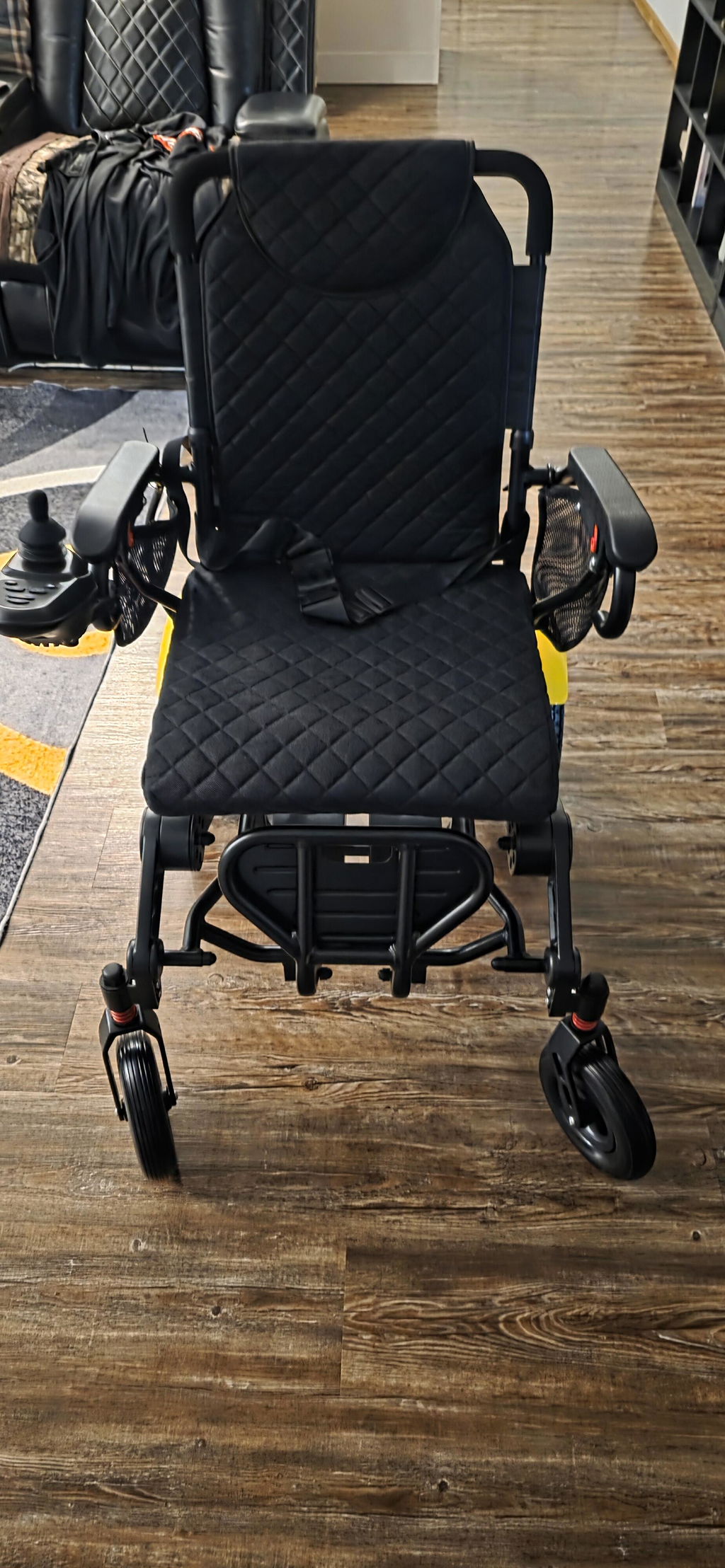
Understanding safety features before you buy, not after, is what separates a confident experience from a preventable accident. Every KERDOM power wheelchair is FDA 510(k)-cleared and ISO 13485-certified, meaning the safety features described in this article are built into the product from the ground up.
Braking Systems: The Difference That Could Save Your Life
Most first-time buyers see the phrase "automatic brakes" on a product page and assume all braking systems work the same way. They don't. This is the single most critical distinction you'll encounter, and almost no one explains it clearly.
Electromagnetic Braking: The Fail-Safe Standard
Electromagnetic braking uses magnetic induction to automatically lock the motor the instant you release the joystick or power is interrupted. Even on a steep slope, even if the battery dies mid-ride, the brakes engage. According to Satcon Medical, this technology is widely recognized as the safest braking solution for modern medical wheelchairs. It is fail-safe by design.
EABS: A Weaker Alternative
Electronic Automatic Braking Systems (EABS) sound similar but behave very differently under stress. EABS loses braking force during power loss or when the battery is low, making it unreliable in exactly the moments when you need braking most. If a chair uses EABS, a manual emergency brake backup is essential.
Why FDA Clearance Matters Here
The FDA's 510(k) guidance for powered wheelchairs requires manufacturers to submit brake failure contingency plans. That means a certified chair has been tested for exactly this scenario. Chairs without 510(k) clearance may not have undergone that testing.
A Warning About Freewheel Mode
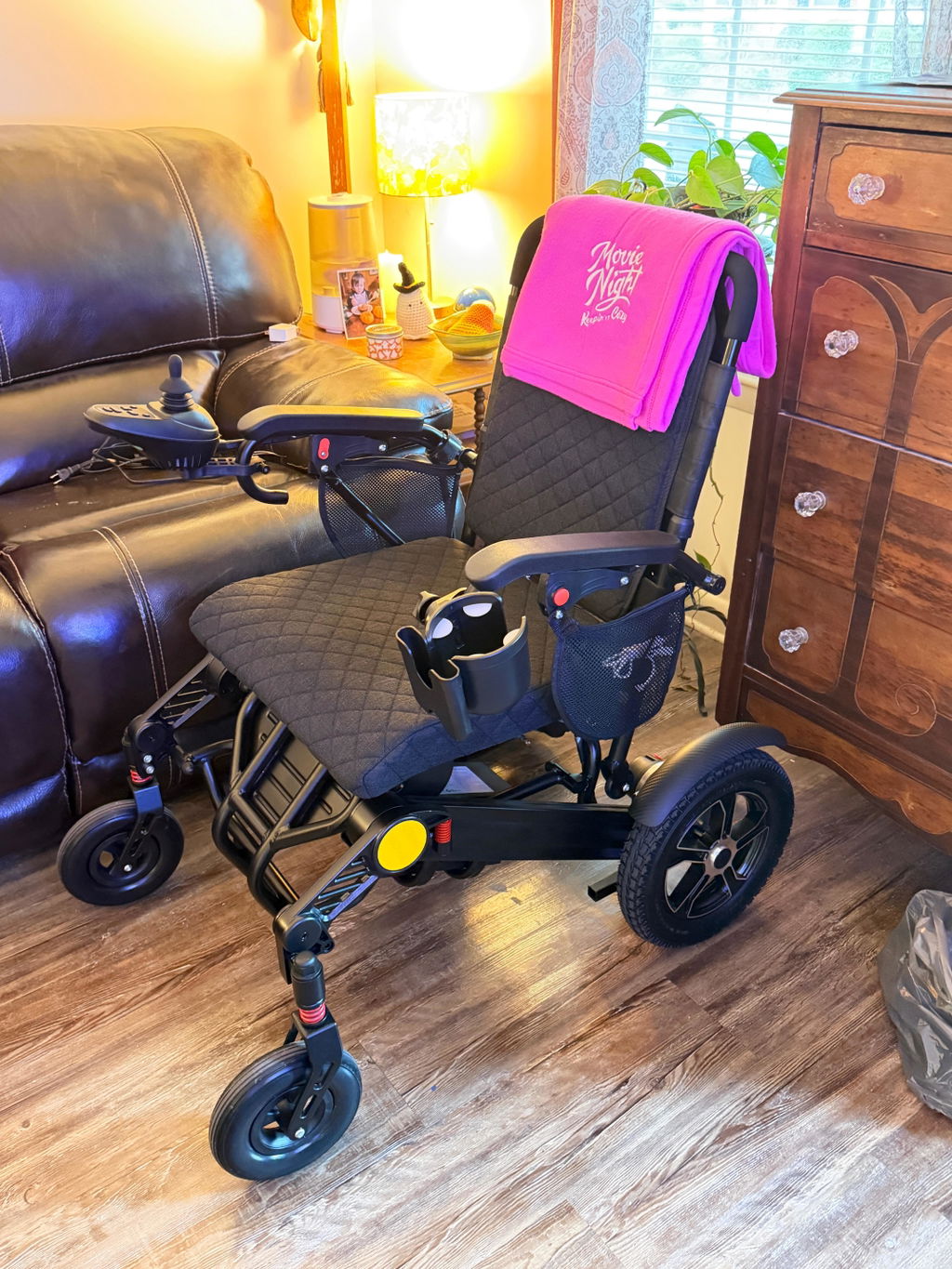
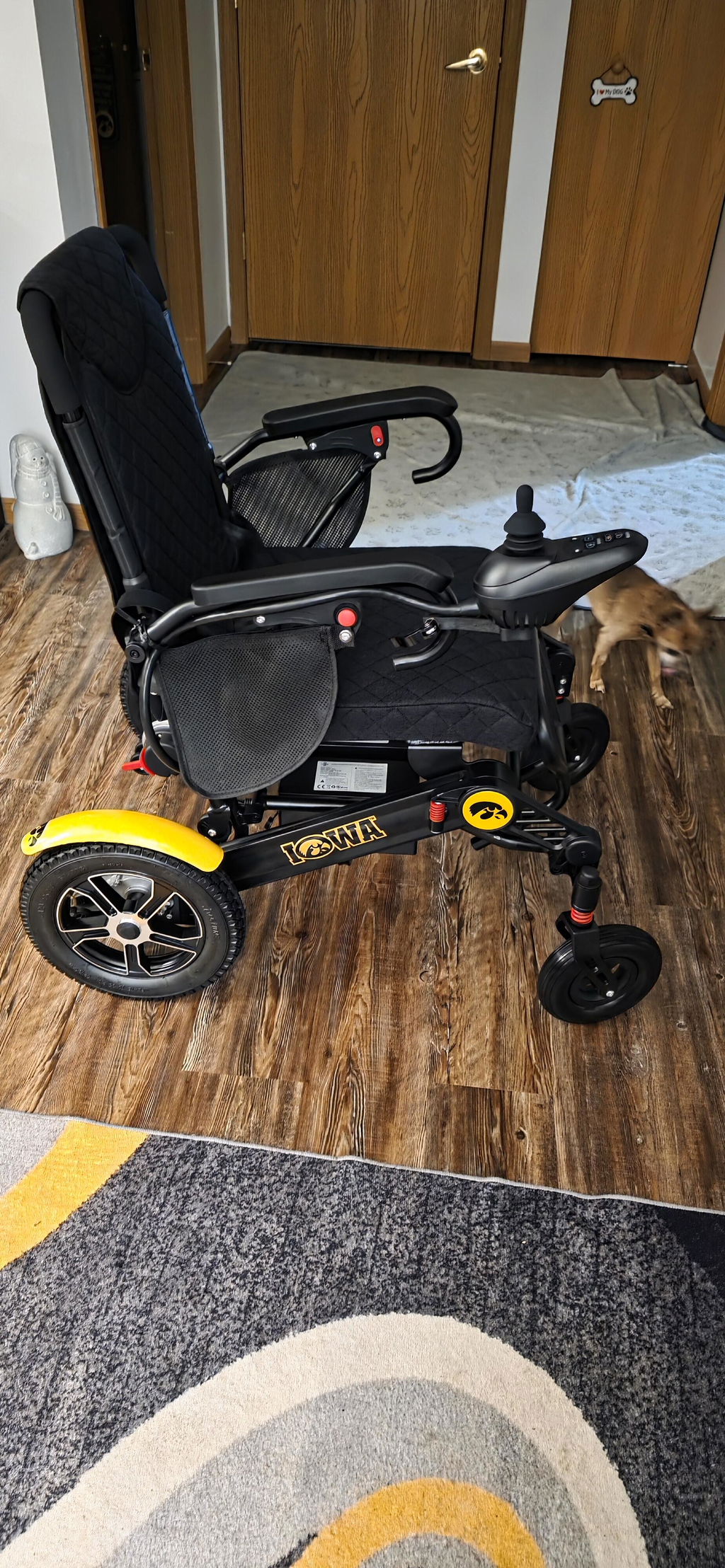
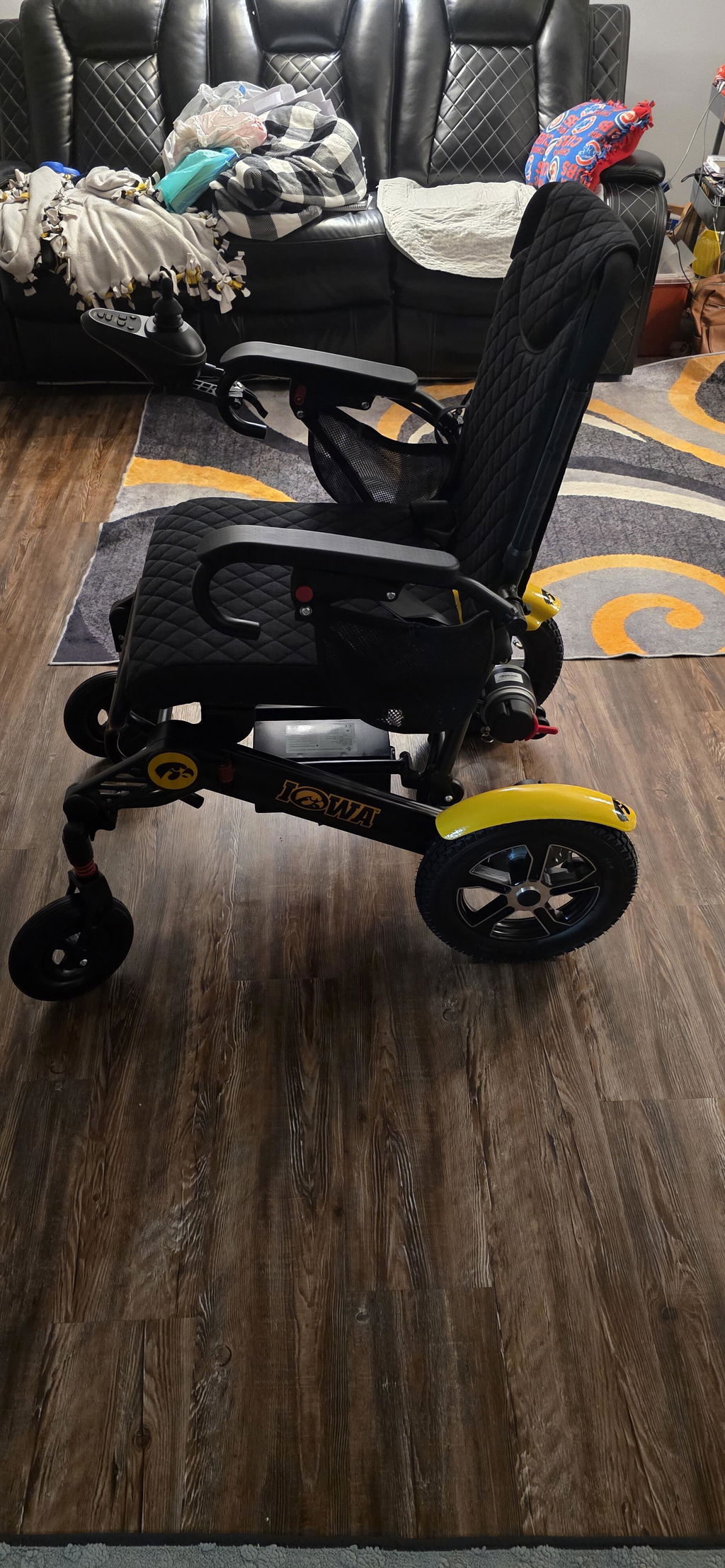
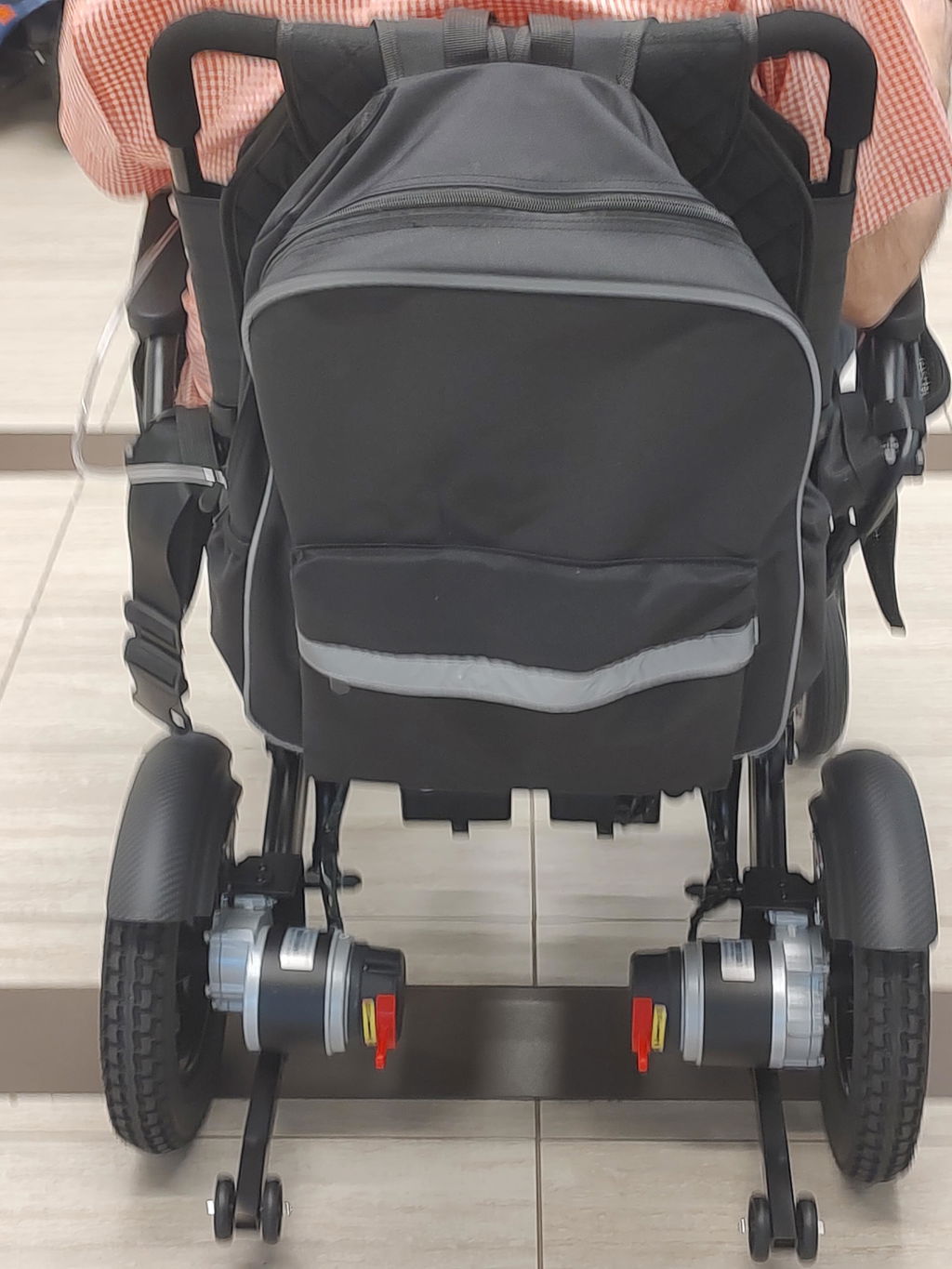
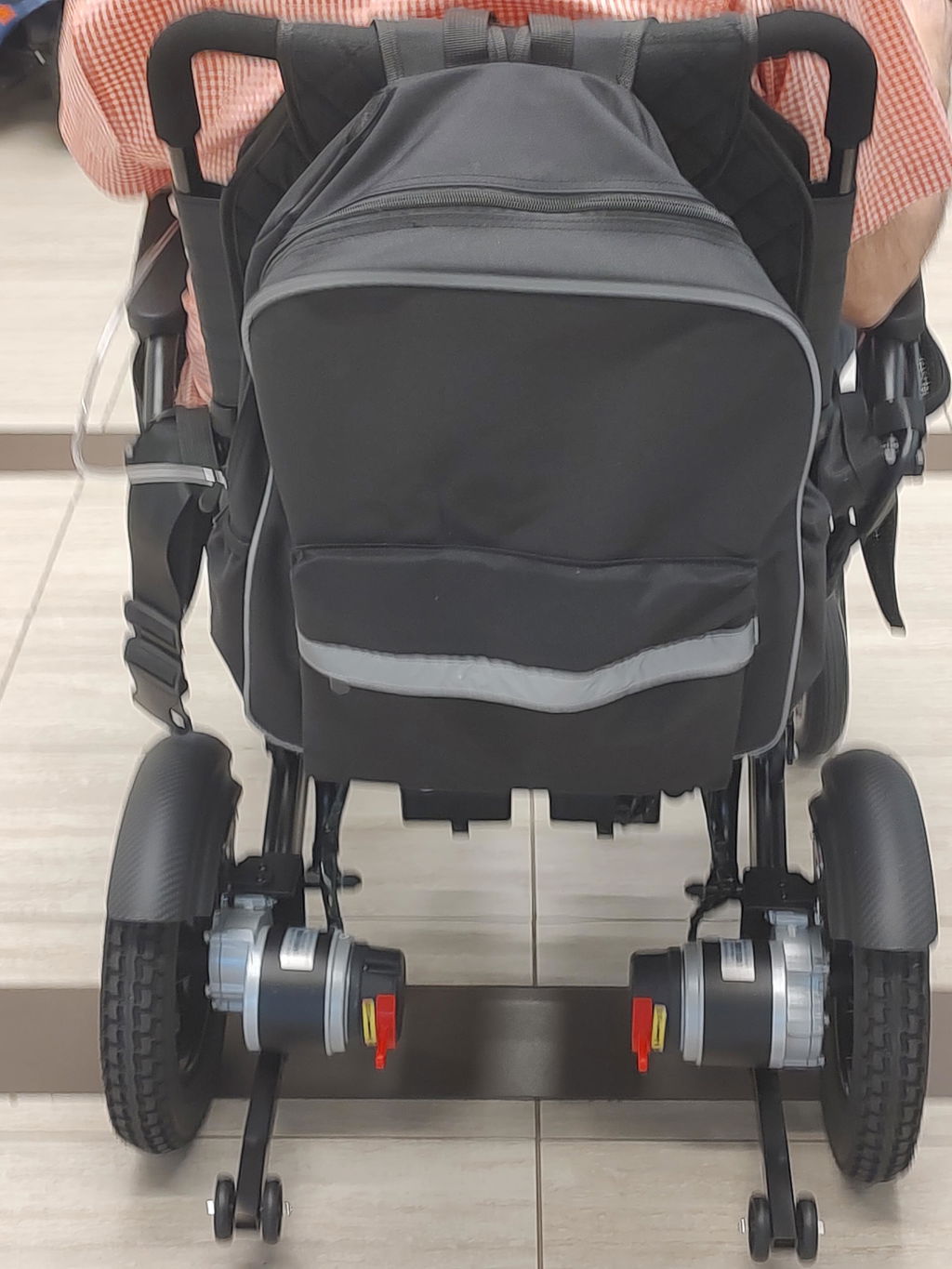
Every power wheelchair has a manual release lever (freewheel mode) that allows the chair to be pushed without power. What many new users and caregivers don't realize: engaging freewheel mode on a slope removes electromagnetic braking entirely. The chair can roll freely, with nothing to stop it. Never engage freewheel mode on an incline.
A Simple Pre-Use Brake Test
Before each use, try this: on flat ground, push the joystick briefly, then release it. The chair should stop immediately and stay perfectly still. Any drifting, is a warning sign that requires immediate inspection by a qualified technician.
Anti-Tip Technology: Static Bars vs. Real-Time Sensor Systems
The term "anti-tip wheels" appears on nearly every power wheelchair listing, but it covers two very different technologies. Most buying guides never make this distinction.
Static Anti-Tip Bars
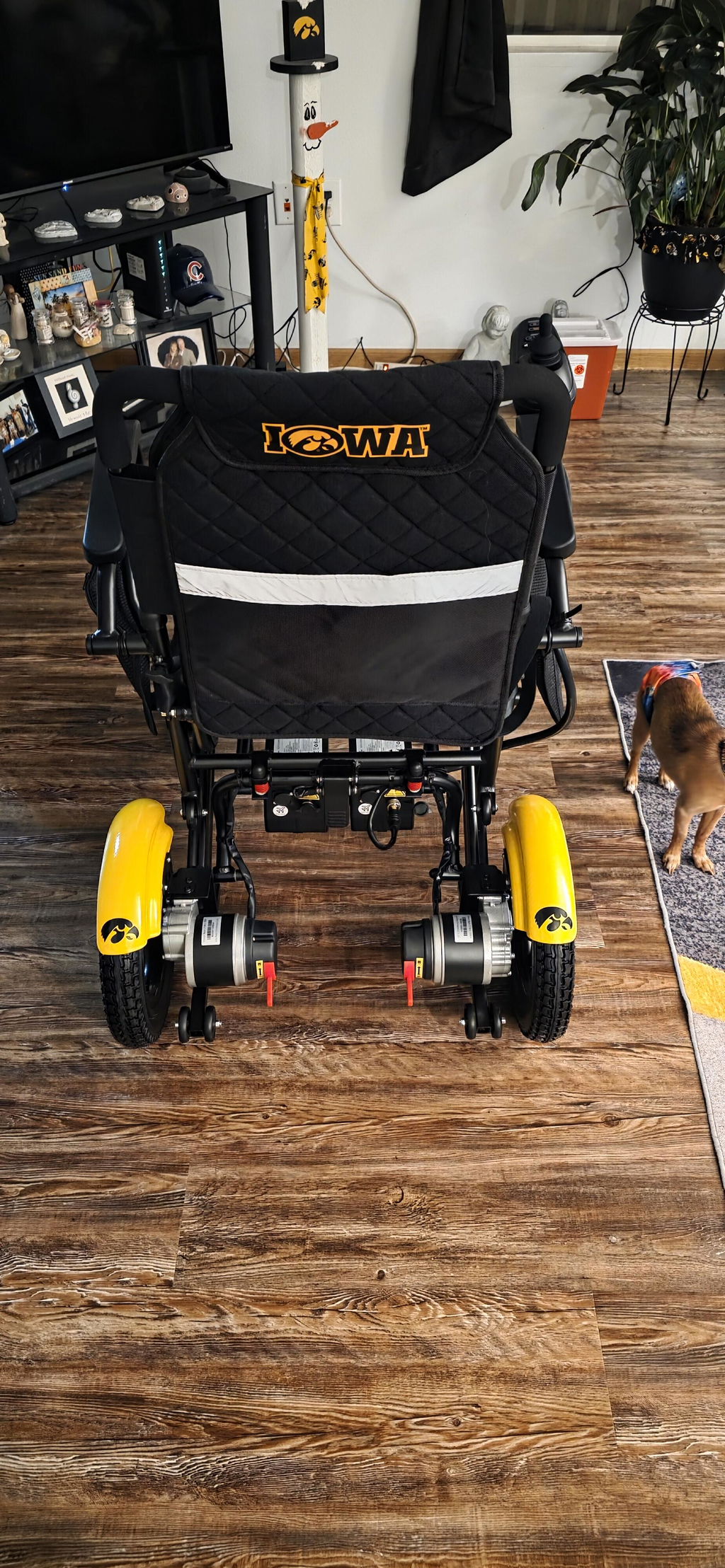
These are small, fixed, rear-mounted wheels that provide passive resistance against backward tipping. They've been the standard for years. They work, but they're reactive rather than preventive, and they offer limited protection against sudden shifts in weight or terrain changes.
Slopes, Weight, and the Center of Gravity
The ADA standard for wheelchair ramps is a 1:12 slope ratio (approximately 4.8 degrees or 8.3% grade). Power wheelchairs should always be driven straight up or down inclines, never across them, to prevent sideways tipping. Picture a senior navigating a curb ramp at a grocery store for the first time: approaching at an angle might feel natural, but it shifts the center of gravity laterally and dramatically increases tipping risk.
Overloading a chair compounds this problem. Exceeding the rated weight capacity shifts the center of gravity and directly undermines anti-tip effectiveness, even on a fully certified model. Always verify the weight limit and respect it.
Speed Control: Joystick Settings That Protect You Every Day
The FDA regulates the maximum speed for power wheelchairs at 6 mph. Before purchasing any chair, verify it complies with this limit. Any chair sold in the U.S. without 510(k) clearance may not have been tested against this standard.
Proportional vs. Non-Proportional Controls
A proportional joystick works like a car's gas pedal: push it a little, you move slowly; push it all the way, you reach top speed. A non-proportional joystick operates at a fixed speed regardless of how far you push it. For most users, especially first-time buyers, proportional control offers significantly more safety and precision, as explained by Freedom Mobility.
Start Slow
New users should begin at 1–2 mph in a familiar, obstacle-free environment. Increase speed gradually over days or weeks as you build confidence. There's no rush.
Joystick sensitivity can typically be adjusted via the control panel or by a qualified technician. We recommend consulting a professional for initial setup to ensure the settings match the user's specific needs.
Seatbelts, Weight Limits, and the Safety Habits That Matter
Not using a seatbelt more than doubles the rate of wheelchair accidents (incident rate ratio of 2.14), according to research published in the Archives of Physical Medicine and Rehabilitation. Yet many users skip the seatbelt for short indoor trips. Please don't. A seatbelt is your last line of defense if braking or anti-tip systems are ever stressed beyond their limits.
As discussed in the anti-tip section, exceeding your chair's rated weight capacity undermines every safety system on the chair. It shifts the center of gravity, reduces braking effectiveness, and increases tipping risk. Treat the weight limit as a hard boundary, not a suggestion.
A Simple Maintenance Checklist
- Weekly: Inspect the seatbelt for fraying or latch wear; check tire pressure and tread condition
- Every 6 months: Have the braking system inspected by a qualified technician
- Ongoing: Monitor for joystick drift (the chair moving without input), which can indicate a worn controller
Users who don't maintain their wheelchairs regularly are over 11 times more likely to experience an accident (odds ratio of 11.28). Maintenance isn't optional.
Airline Travel and Battery Safety: What the New Rules Mean for You
If you're buying a power wheelchair with travel in mind, battery compliance is non-negotiable. Southwest Airlines' 2025 policy requires removable lithium batteries to be taken out of powered wheelchairs before boarding, with a 300-watt-hour limit taking effect in 2026 per FAA guidance, as reported by 360 Research Reports.
Approximately 36% of new power wheelchairs now use lithium-ion batteries, extending range to 20–40 km per charge. Extended range means nothing if you can't bring the chair on a plane. Before purchasing a travel chair, verify that the battery is removable and complies with current watt-hour limits.
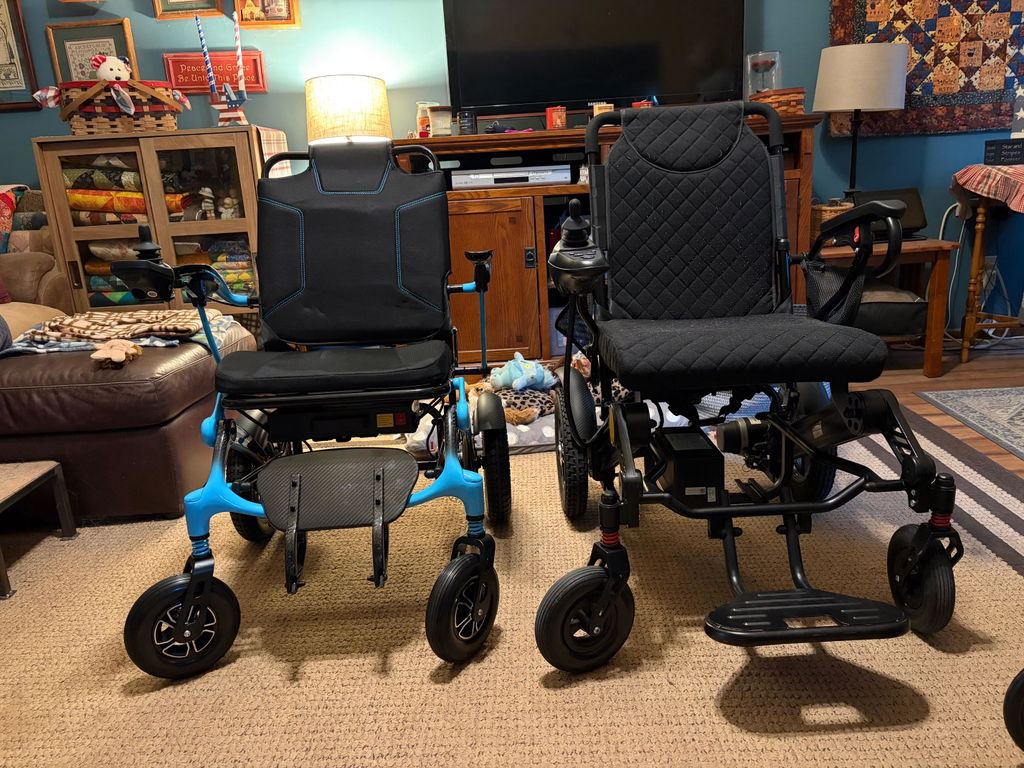
KERDOM's folding models are airline-approved and designed with these rules in mind. With designs as light as 25.8 lbs, compliance is built into the product. Knowing the battery rules before you reach the airport prevents stressful gate-side surprises for you, your caregiver, or your family.
Note: Airline battery policies reflect 2025–2026 FAA guidance as of June 2026. Rules may continue to evolve; always confirm with your airline before traveling.
How to Choose a Power Wheelchair You Can Trust
Here's your non-negotiable safety checklist for any power wheelchair purchase:
- Electromagnetic braking (not EABS alone)
- Static anti-tip bars
- FDA clearance
- Airline-compliant removable battery (if you plan to travel)
A quick note on what those certifications actually mean: FDA 510(k) clearance is a regulatory requirement verifying that a powered wheelchair has been tested for safety and is substantially equivalent to a legally marketed device. ISO 13485 certification means the manufacturer's quality management system meets international standards for medical devices. These are not marketing claims. They are third-party verified credentials.
Every KERDOM power wheelchair carries both. With a 4.9-star rating from over 30,000 customers, a 5-year warranty, and 60-day worry-free returns, we stand behind every chair we sell. If you have specific safety questions about any model, our U.S.-based customer support team is here to answer them before you purchase.
The right power wheelchair gives you freedom and confidence. Now that you understand these features, you can make that choice with complete peace of mind. That's what independence looks like.
Sources
- Archives of Physical Medicine and Rehabilitation (ScienceDirect)
- PMC / Wheelchair-Related Injuries Treated in US Emergency Departments
- U.S. CPSC Senior Injuries and Deaths Report 2024
- Satcon Medical — Understanding The Electric Wheelchair Braking System
- FDA Guidance Document for 510(k) Applications for Mechanical and Powered Wheelchairs
- AGIS / National Institute for Rehabilitation Engineering
- Mona Care — Best Wheelchairs with Advanced Safety Features
- 360 Research Reports — Wheelchairs (Powered and Manual) Market
- Freedom Mobility — Types of Electric Wheelchair Controls