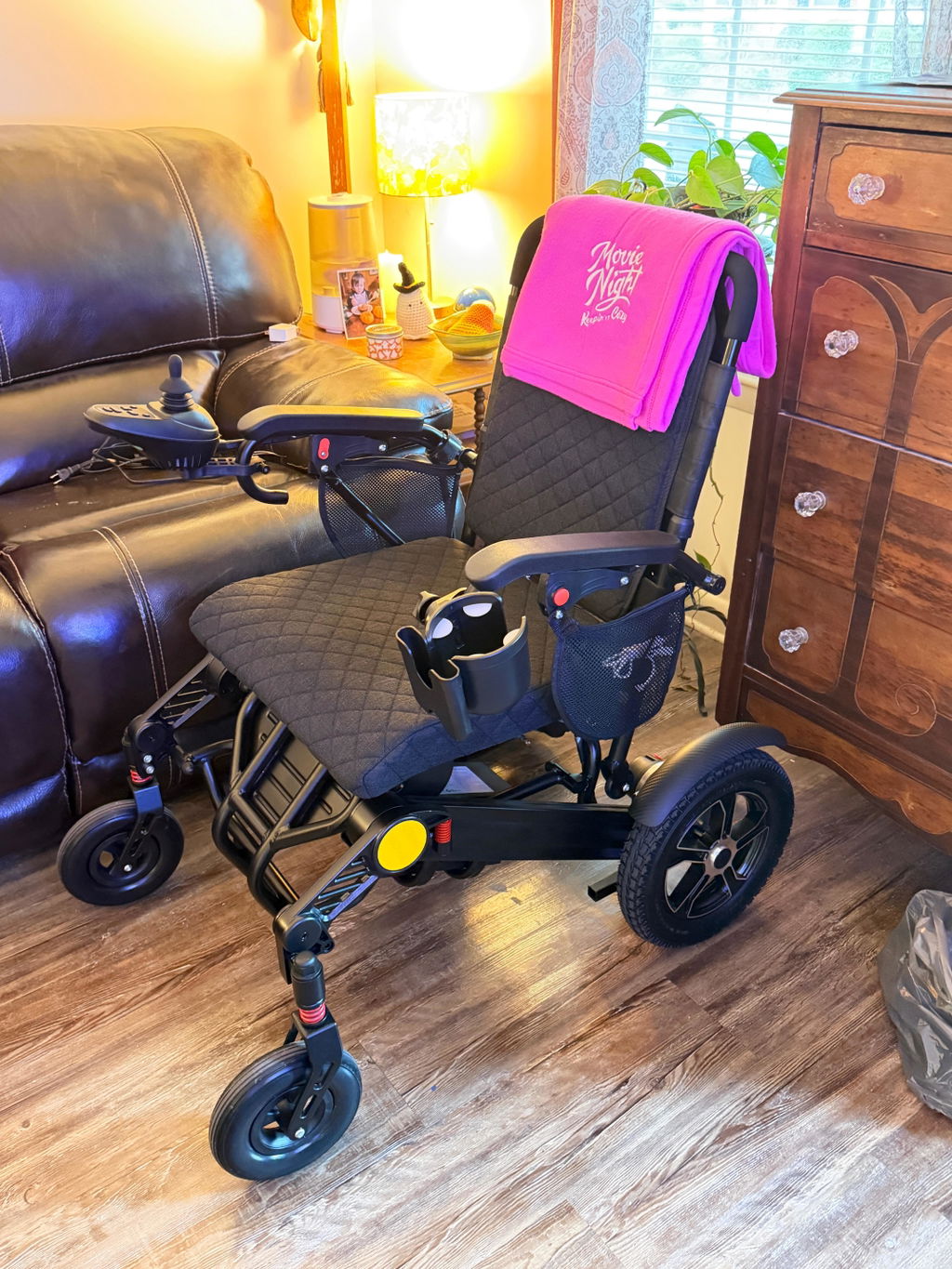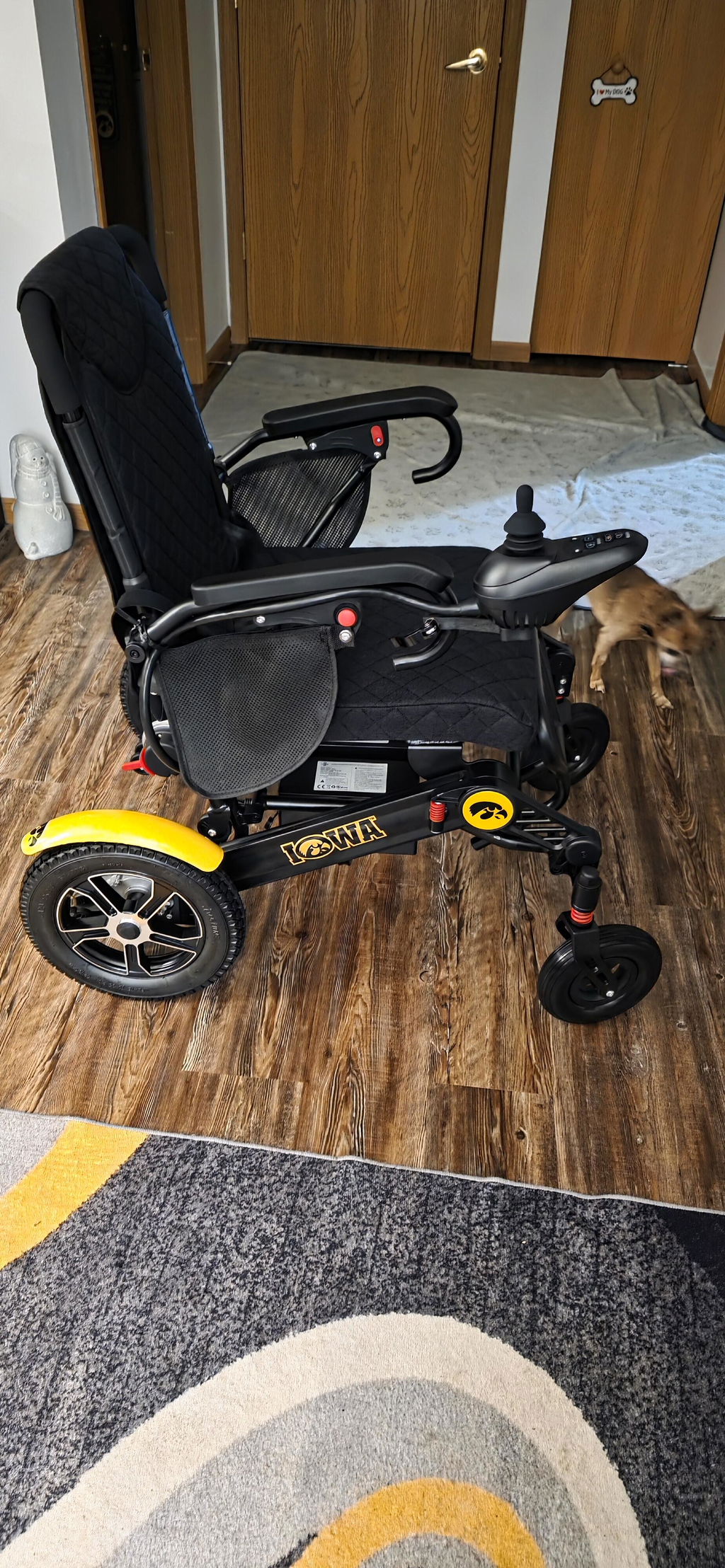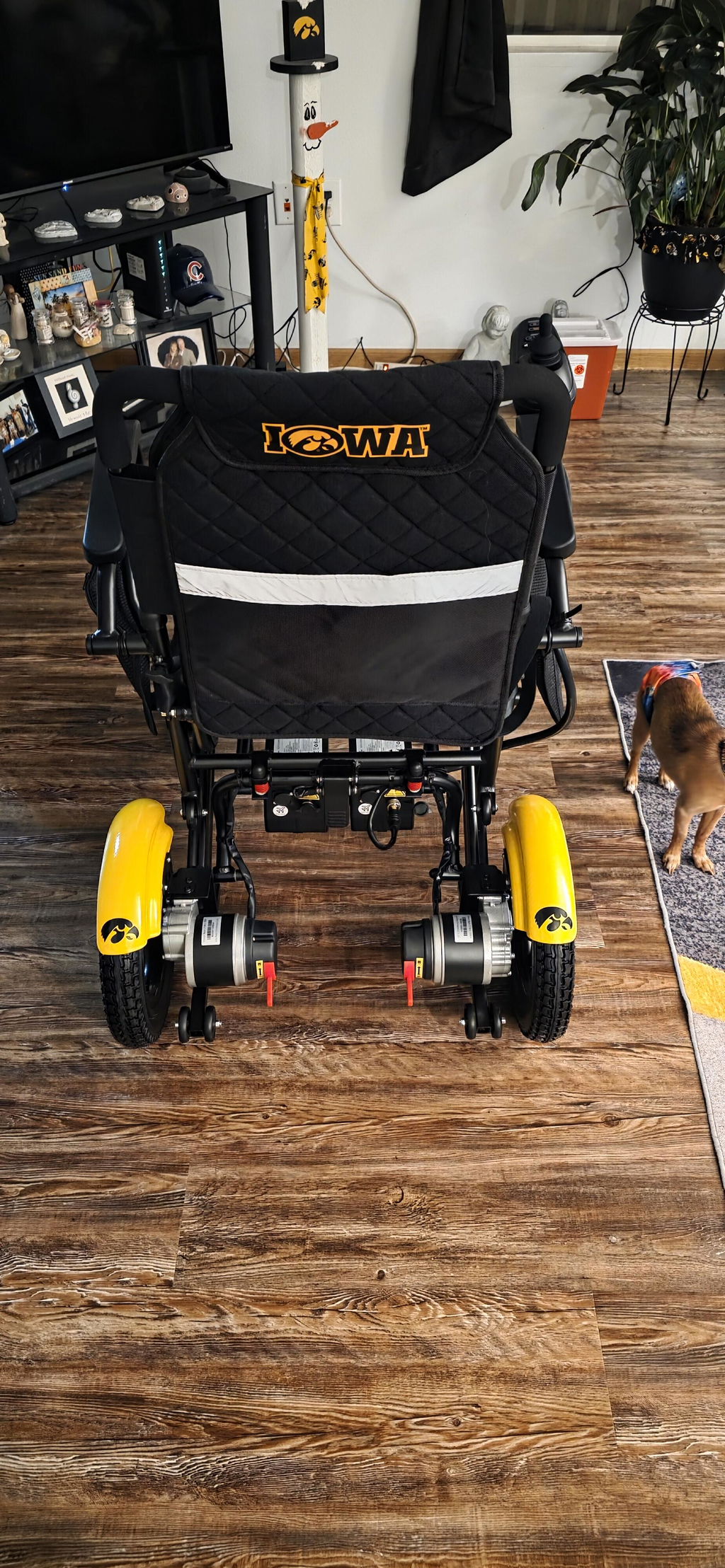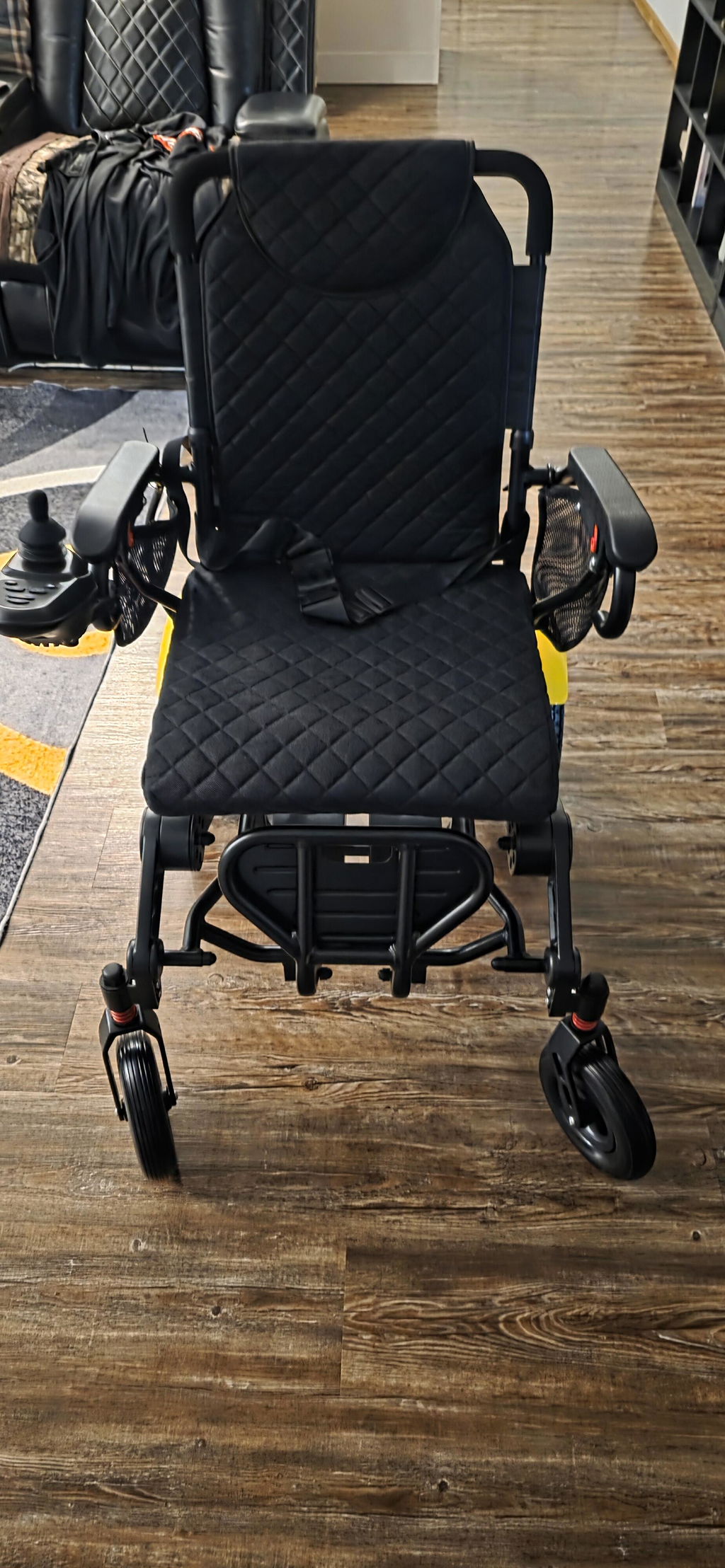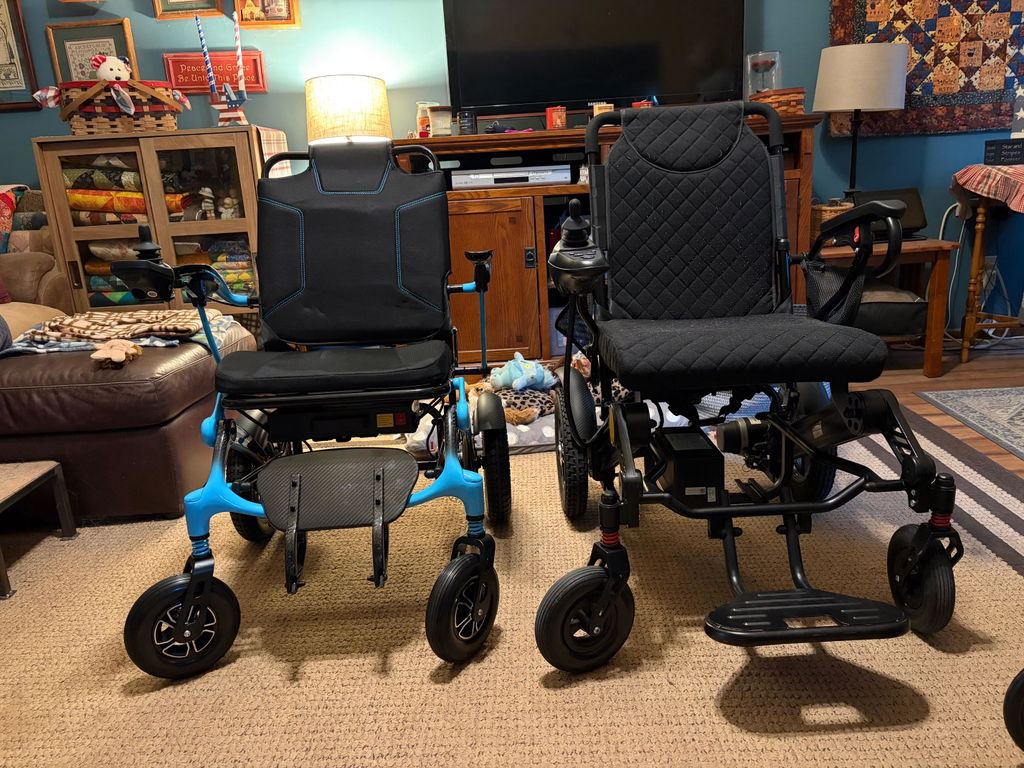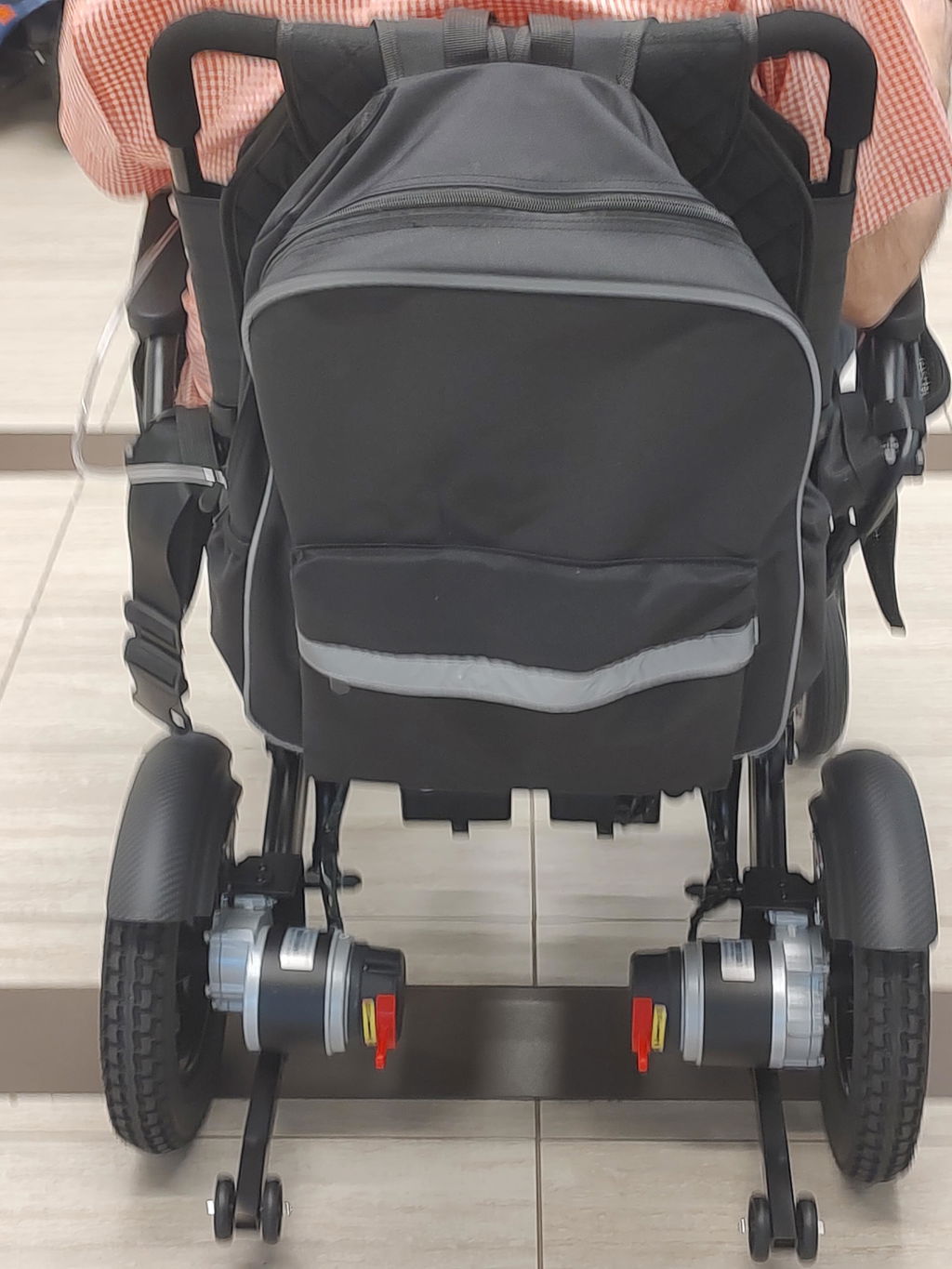

A foldable electric wheelchair changes everything about traveling with a mobility device. Instead of wrestling with a rigid, 100-pound power chair that requires a vehicle lift and special airline handling, a foldable electric wheelchair collapses into a compact package that fits in a car trunk, slides into an airplane cargo hold, or tucks into a hotel closet. The freedom this portability provides is transformative — spontaneous road trips, hassle-free flights, and the ability to visit friends and family without logistical nightmares all become possible when your wheelchair folds down in seconds. However, not all folding wheelchairs deliver equal performance. The best foldable electric wheelchair balances portability with comfort, battery range, weight capacity, and durability. This guide compares the top models available in 2026, explains the different folding mechanisms, walks you through airline regulations, and helps you choose the right folding wheelchair for your specific travel needs.
Why Choose a Foldable Electric Wheelchair?
The decision to invest in a foldable electric wheelchair typically comes down to one word: independence. Traditional rigid-frame power wheelchairs are excellent for daily home use, but their size and weight create barriers the moment you need to leave your immediate environment. A standard power wheelchair weighs 150-300 pounds, requires a vehicle lift or ramp-equipped van for transport, and demands special handling at airports. A foldable electric wheelchair, by contrast, typically weighs 40-60 pounds, fits in a standard car trunk, and can be gate-checked like a stroller at the airport.
Portability Advantages
The portability of a folding power chair extends far beyond travel. Daily life becomes easier when your wheelchair can be quickly loaded into any vehicle — not just a specially equipped van. Visiting a friend's house, going to a restaurant, attending a medical appointment, or running errands all become simpler when your wheelchair folds down and fits in any car. Caregivers benefit enormously as well, since lifting a 40-pound folded wheelchair is dramatically easier than managing a 200-pound rigid chair.
|
Scenario |
Rigid Power Wheelchair |
Foldable Electric Wheelchair |
|
Car transport |
Requires vehicle lift |
Fits in standard trunk |
|
Air travel |
Must be gate-checked, risk of damage |
Gate-check or cargo, lighter handling |
|
Hotel storage |
Takes up significant room space |
Folds into closet or corner |
|
Restaurant access |
May not fit between tables |
Compact folded profile |
|
Caregiver lifting |
150-300 lbs, impossible without equipment |
40-60 lbs, manageable for most adults |
Airline Compatibility
Air travel is where a foldable electric wheelchair truly shines. Under the Air Carrier Access Act, airlines must accept wheelchairs as checked items at no charge, but the practical reality is that lighter, more compact wheelchairs receive better handling and suffer less damage 1. A foldable electric wheelchair that weighs under 50 pounds and collapses to a compact size is easier for ground crews to handle carefully, fits more securely in the cargo hold, and is less likely to sustain damage during loading and unloading.
Most folding wheelchair models use lithium-ion batteries under 300 watt-hours, which are permitted on aircraft by the FAA. Some models feature removable batteries that can be carried in the cabin for added security. For detailed airline travel procedures, see our how to fly with an electric wheelchair guide.
Key Features to Look For
Not all foldable electric wheelchair models are created equal. The following features separate a genuinely travel-worthy folding wheelchair from one that merely folds.
Folding Mechanism Types
The folding mechanism is the defining feature of any foldable electric wheelchair, and three main types exist, each with distinct advantages and trade-offs.
Center-fold (side-to-side) is the most common mechanism, where the seat folds inward along a center hinge, similar to a manual wheelchair. This reduces the wheelchair's width by approximately 50% while maintaining its full length and height. Center-fold models are the simplest and most reliable mechanically, with fewer moving parts that can break. They work well for car trunk storage but may still be too tall for some overhead compartments.
Front-to-back fold collapses the wheelchair along its length, with the backrest folding forward over the seat. This creates a more compact package in terms of length and height but may not reduce width as much. Some models combine front-to-back folding with a width reduction for maximum compactness.
|
Fold Type |
Folded Size Reduction |
Fold Time |
Mechanical Complexity |
Best For |
|
Center-fold |
~50% width reduction |
5-10 sec |
Low (most reliable) |
Car trunk, daily transport |
|
Front-to-back |
~40% length reduction |
10-20 sec |
Medium |
Compact storage |
Weight and Dimensions
Weight is the second most critical specification of a foldable electric wheelchair after the folding mechanism itself. The lighter the wheelchair, the easier it is to lift into a car, hand to airline ground crew, and maneuver through tight spaces. However, lighter weight often comes with trade-offs in battery capacity, weight support, and durability.
The sweet spot for most travelers is a foldable electric wheelchair weighing 30-58 pounds. Below 30 pounds, you typically sacrifice battery range (under 8 miles) and weight capacity (under 300 lbs). Above 58 pounds, the wheelchair becomes difficult for a single person to lift into a car trunk. KERDOM's foldable models are engineered to hit this sweet spot, with several options in the 35-50 pound range that maintain 300+ pound weight capacity and 10+ mile range.
Battery and Range
Battery performance determines how far your foldable electric wheelchair can travel on a single charge — a critical factor when exploring a new city or navigating a large airport. Most folding models use lithium-ion batteries, which offer the best energy-to-weight ratio and are airline-approved under 300 Wh.
|
Battery Capacity |
Typical Range |
Weight |
Airline Approved? |
|
6-8 Ah (150-200 Wh) |
6-10 miles |
3-5 lbs |
Yes (under 300 Wh) |
|
10-13 Ah (250-300 Wh) |
10-15 miles |
5-7 lbs |
Yes (under 300 Wh) |
|
15-20 Ah (350-500 Wh) |
15-25 miles |
7-10 lbs |
No (over 300 Wh) |
For travel, a foldable electric wheelchair with a removable battery is ideal. You can carry a spare battery in your carry-on luggage (lithium-ion batteries under 100 Wh can be carried in cabin without airline approval; 100-300 Wh requires airline approval) and swap batteries during the day, effectively doubling your range. For battery optimization strategies, see our electric wheelchair battery life tips.
Top 7 Foldable Electric Wheelchairs Compared
The following comparison evaluates the best foldable electric wheelchair models available in 2026 across the factors that matter most for travelers.
|
Feature |
KERDOM DX07 |
EZ Lite Cruiser DX12 |
Fold & Go MagStar |
Innuovo N5513A |
Air Hawk |
|
Weight |
37 lbs |
50 lbs |
48 lbs |
55 lbs |
41 lbs |
|
Weight Capacity |
350 lbs |
250 lbs |
300 lbs |
330 lbs |
240 lbs |
|
Fold Type |
Front-to-back fold |
Center-fold |
Tri-fold |
Center-fold |
Center-fold |
|
Battery |
12 Ah Li-ion |
10 Ah Li-ion |
12 Ah Li-ion |
13 Ah Li-ion |
8 Ah Li-ion |
|
Range |
15 miles |
10 miles |
13 miles |
15 miles |
8 miles |
|
Speed |
3.7 mph |
3.5 mph |
4 mph |
3.7 mph |
3.5 mph |
|
Folded Size |
29×14×23 in |
34×14×30 in |
28×16×24 in |
36×16×30 in |
30×12×26 in |
|
Price |
$1369 |
$2,000-$2,500 |
$2,500-$3,000 |
$1,500-$2,000 |
$2,200-$2,800 |
The KERDOM DX07 represents an excellent balance of weight, range, and price for most travelers. At 37 pounds with a 15-mile range, it is light enough for one person to lift into a car trunk while providing sufficient range for a full day of sightseeing. The front-to-back fold mechanism is simple and reliable, folding in under 10 seconds. For more KERDOM options, visit the KERDOM foldable wheelchair collection.
How to Fold and Unfold Safely
Proper folding technique protects both you and your foldable electric wheelchair from damage. While each model has specific instructions, the following general principles apply to most folding wheelchairs.
Before folding: Always power off the wheelchair completely (not just release the joystick). Engage the freewheel mode if available, which disconnects the motors and allows the wheels to spin freely. Remove any accessories that could be damaged during folding (cup holders, phone mounts, bags). If your model has a removable battery, remove it before folding for easier lifting and to protect the battery contacts.
Folding process: Stand behind or beside the wheelchair. For center-fold models, lift the seat cushion (if removable), then pull the seat edges upward and inward until the frame collapses. You should hear a click when the folding latch engages. For front-to-back models, release the backrest latch, then fold the backrest forward over the seat. Verify that all latches are securely engaged before lifting.
Lifting safely: Bend at the knees, not the waist. Grip the wheelchair at designated lifting points (usually the frame tubes, not the armrests or footrests). Lift with your legs, keeping the wheelchair close to your body. For car trunk loading, position yourself directly in front of the trunk and slide the folded wheelchair in rather than lifting it over the bumper.
Airline Regulations for Foldable Wheelchairs
Understanding airline regulations ensures smooth travel with your foldable electric wheelchair. The rules are governed by the Air Carrier Access Act (ACAA) in the United States and similar regulations internationally.
U.S. domestic flights: Airlines must accept your foldable electric wheelchair as checked baggage at no charge. You can use your wheelchair to the gate, where it will be gate-checked and returned at the aircraft door upon arrival. Notify the airline at least 48 hours before departure that you will be traveling with a wheelchair. Provide battery specifications (type, watt-hours) when requested — most folding wheelchair lithium-ion batteries are under 300 Wh and are permitted 1.
International flights: Regulations vary by country and airline. The European Union, Canada, and Australia have similar wheelchair acceptance requirements. Contact your specific airline for international battery regulations, as some carriers have stricter limits than U.S. rules. Always carry a battery specification sheet from the manufacturer.
Damage protection: Despite legal protections, wheelchair damage during air travel remains a concern. To protect your folding power chair: document its condition with dated photos before check-in; remove or protect the joystick with padding; secure all moving parts with velcro straps; consider a padded travel bag designed for folding wheelchairs; and file a damage report immediately upon arrival if any damage occurs. For comprehensive air travel preparation, see our how to fly with an electric wheelchair guide.
Foldable vs Non-Foldable: Which Is Right for You?
Choosing between a folding portable wheelchair and a traditional rigid-frame power wheelchair depends on your lifestyle, travel frequency, and daily use requirements.
|
Factor |
Foldable Electric Wheelchair |
Rigid Power Wheelchair |
|
Best for |
Frequent travelers, active lifestyle |
Full-time daily use |
|
Weight |
35-60 lbs |
150-300 lbs |
|
Weight capacity |
250-400 lbs |
400-600 lbs |
|
Range |
8-15 miles typical |
15-25 miles typical |
|
Comfort features |
Basic to moderate |
Full tilt/recline/elevate |
|
Suspension |
Basic or none |
Advanced multi-point |
|
Durability |
Good for moderate use |
Built for all-day, every-day |
|
Transport |
Any standard vehicle |
Requires lift or ramp van |
|
Price |
$700-$1,800 |
$3,000-$15,000+ |
A folding portable wheelchair is ideal if you travel frequently, use multiple vehicles, live in a small apartment, or need a secondary wheelchair for outings. A rigid power wheelchair is better if you use a wheelchair full-time (8+ hours daily), need advanced seating (tilt, recline, elevate), weigh over 400 pounds, or require maximum range and durability. Many users own both — a rigid chair for daily home use and a folding portable chair for travel and outings.
Frequently Asked Questions
What is the lightest foldable electric wheelchair?
The lightest foldable electric wheelchair models in 2026 weigh approximately 35-41 pounds. The DX08 at 28 pounds and DX07 carbon fiber model approaching 37 pounds represent the lightest options. For most users, a foldable electric wheelchair in the 35-50 pound range offers the best balance of portability and performance.
Can I take a foldable electric wheelchair on an airplane?
Yes, airlines are legally required to accept your foldable electric wheelchair as checked baggage at no charge under the Air Carrier Access Act. Most folding wheelchair lithium-ion batteries are under 300 Wh and are FAA-approved for air travel. Notify your airline 48 hours before departure, provide battery specifications, and arrive early to allow time for wheelchair handling. Your wheelchair will be gate-checked and returned at the aircraft door upon arrival.
How long does a foldable electric wheelchair battery last?
Most folding wheelchair batteries provide 8-15 miles of range on a single charge, depending on battery capacity, user weight, terrain, and speed. A typical 12 Ah lithium-ion battery delivers approximately 12-15 miles on flat terrain for a 180-pound user. Battery lifespan is 2-4 years or 300-500 charge cycles with proper care. Carrying a spare removable battery effectively doubles your daily range. For battery care tips, see our electric wheelchair battery life guide.
How much does a foldable electric wheelchair cost?
KERDOM foldable electric wheelchair prices range from $539 to $1,969 depending on weight, features, and brand. Budget models ($539-$769) offer basic folding with shorter range and lower weight capacity. Mid-range models ($839-$1,369) provide the best value with 12+ mile range and 350+ pound capacity. Premium models ($1,369-$1,969) feature advanced folding mechanisms, carbon fiber frames, and extended range.
What is the weight limit for a folding power wheelchair?
Most folding power wheelchair models support 250-400 pounds. The most common weight capacity is 350 pounds, which accommodates the majority of users. Higher-capacity folding models (350-400 lbs) exist but tend to be heavier (58+ lbs) and more expensive. If you need a capacity above 450 pounds, a traditional rigid-frame power wheelchair is recommended, as folding mechanisms have structural limitations at very high weight capacities.
How do I maintain a folding power wheelchair?
Foldable electric wheelchair maintenance focuses on the folding mechanism in addition to standard wheelchair care. Lubricate folding hinges monthly with a dry silicone lubricant (not WD-40, which attracts dust). Check that all folding latches engage fully and securely. Inspect hinge pins for wear every 3 months. Keep the folding joints clean and free of debris. For comprehensive maintenance guidance, see our electric wheelchair maintenance checklist.
Last updated: March 30, 2026. This folding power wheelchair guide is regularly reviewed and updated to reflect current models and travel regulations.