

When managing a progressive neurological condition, finding the best electric wheelchair for Parkinson's disease is crucial for maintaining independence and quality of life. This mobility aid can be a transformative tool, allowing users to conserve energy and navigate their homes and communities safely. In this guide, we will explore how power mobility addresses the specific challenges of Parkinson's, the key features to look for, and the best KERDOM models designed for safety and ease of use.
How Parkinson's Disease Affects Mobility
Parkinson's disease presents unique mobility challenges that fluctuate from day to day, and sometimes from hour to hour. Common symptoms include:
• Fatigue: Simple tasks like walking or self-propelling a manual wheelchair can quickly drain energy reserves.
• Balance Issues: Postural instability increases the risk of falls.
• Tremors and Rigidity: Muscle stiffness and involuntary movements can make operating complex machinery or standard walkers difficult [1].
Because these symptoms vary, your chosen mobility device must be adaptable, intuitive, and highly stable.
Why a Power Wheelchair is Better Than a Manual Chair or Scooter
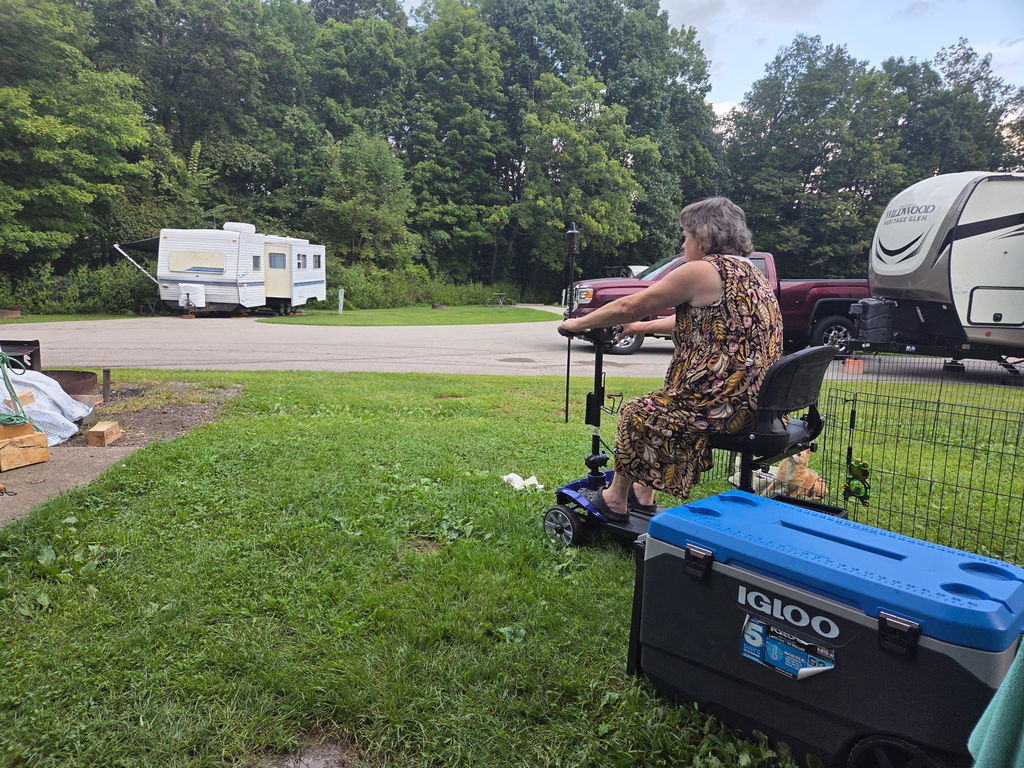
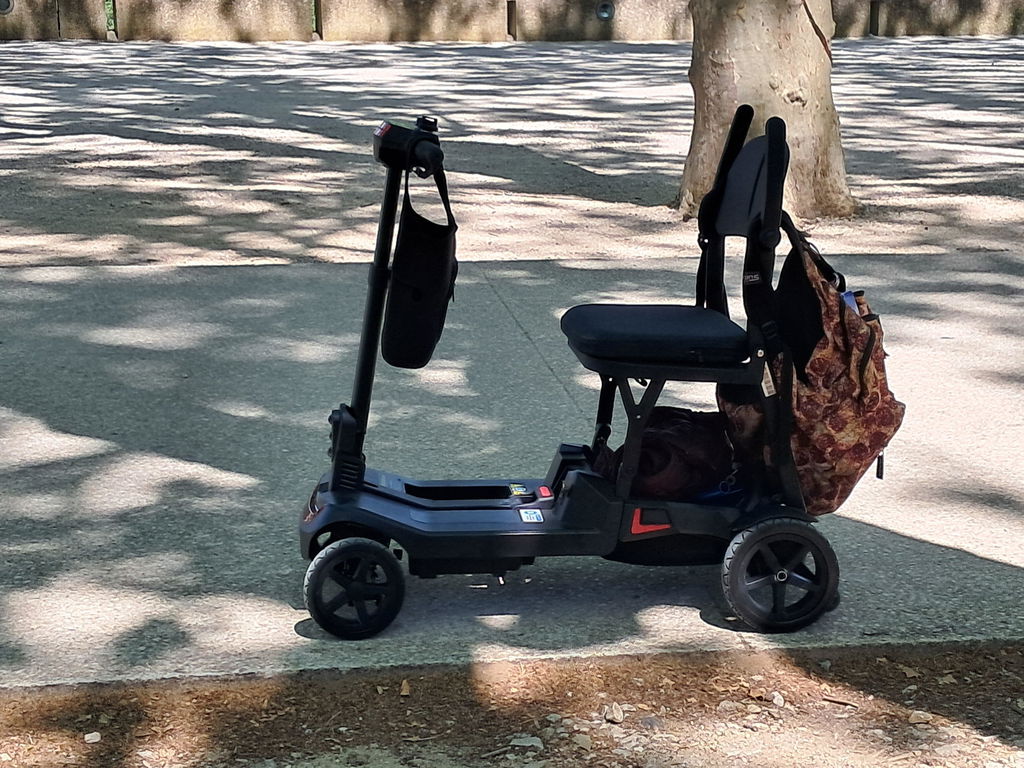
Many patients initially try manual wheelchairs or mobility scooters, but often find them lacking. Manual wheelchairs require significant upper body strength, which exacerbates fatigue. Mobility scooters require the user to steer with a tiller (like bicycle handlebars), which can be extremely difficult for individuals experiencing hand tremors or upper body rigidity.
In contrast, a power wheelchair is operated via a highly sensitive joystick that requires minimal force and range of motion. Furthermore, power chairs offer a much tighter turning radius than scooters, making them ideal for navigating narrow hallways inside a home.
Key Features to Look For
When evaluating options for your daily mobility needs, prioritize these specific features:
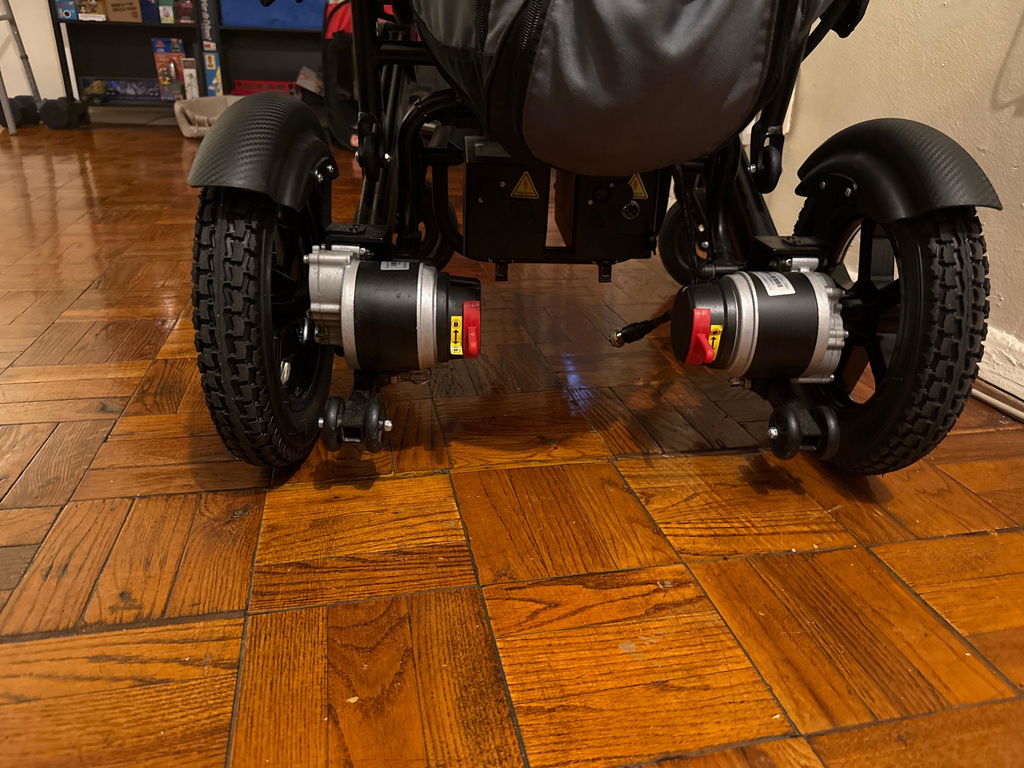
- Smooth Acceleration: Jerky starts can be jarring. Look for chairs with brushless motors that offer gradual, predictable acceleration.
- Supportive Seating: Posture control is vital. Chairs with options for pressure-relieving cushions are ideal.
- Caregiver Controls: As the disease progresses, there will be days when the user cannot operate the chair themselves. A caregiver remote control is an invaluable safety feature.
Top KERDOM Recommendations for Parkinson's
KERDOM offers several models that meet the rigorous demands of neurological conditions.
DX07: The Balanced Choice
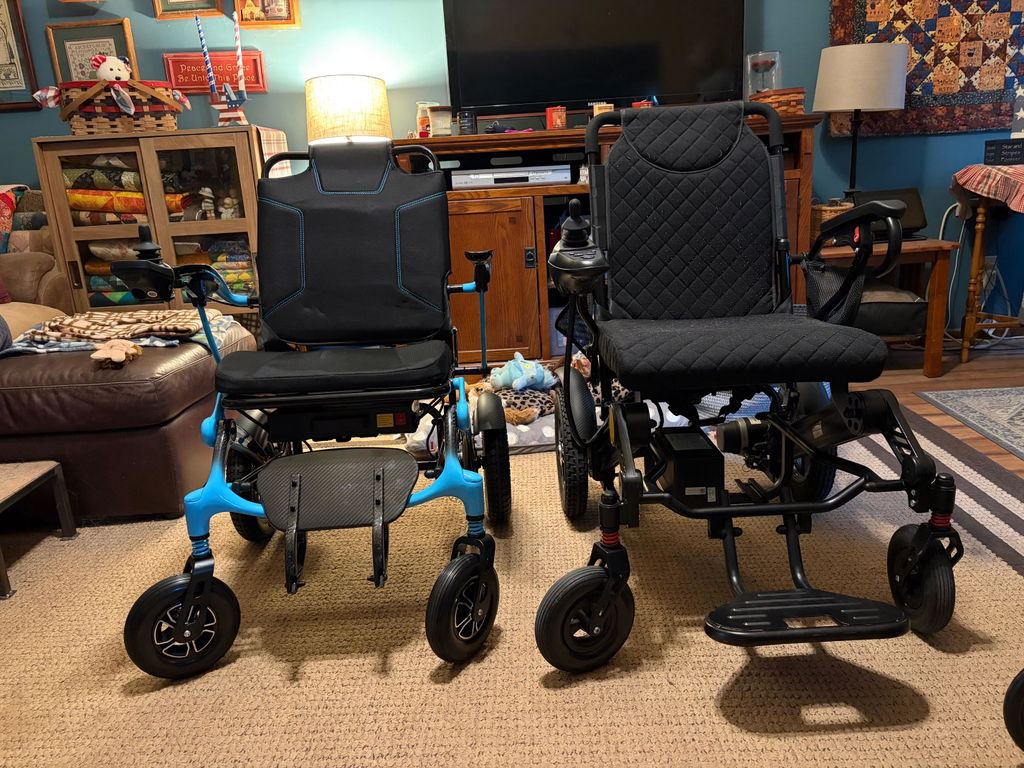
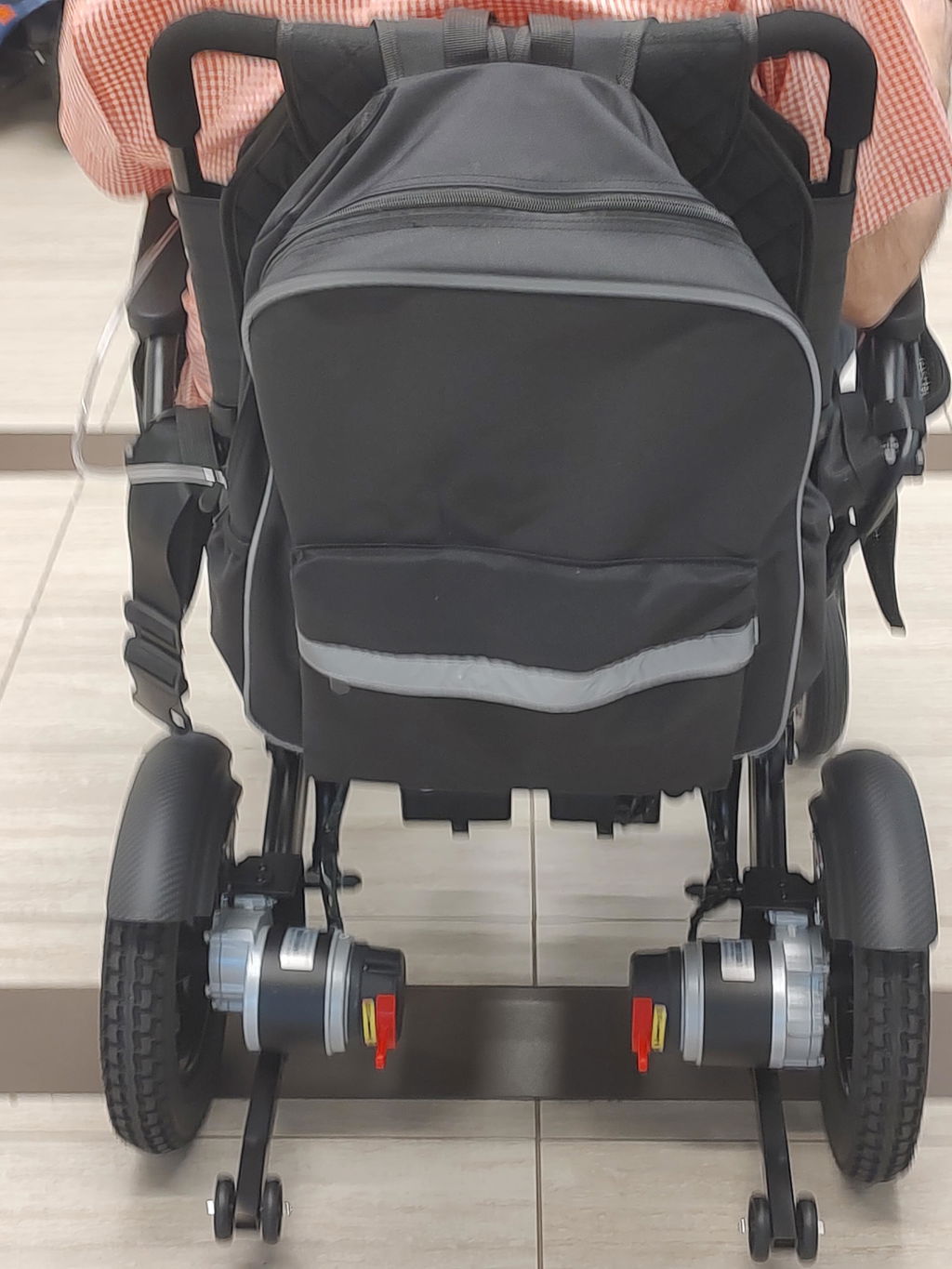
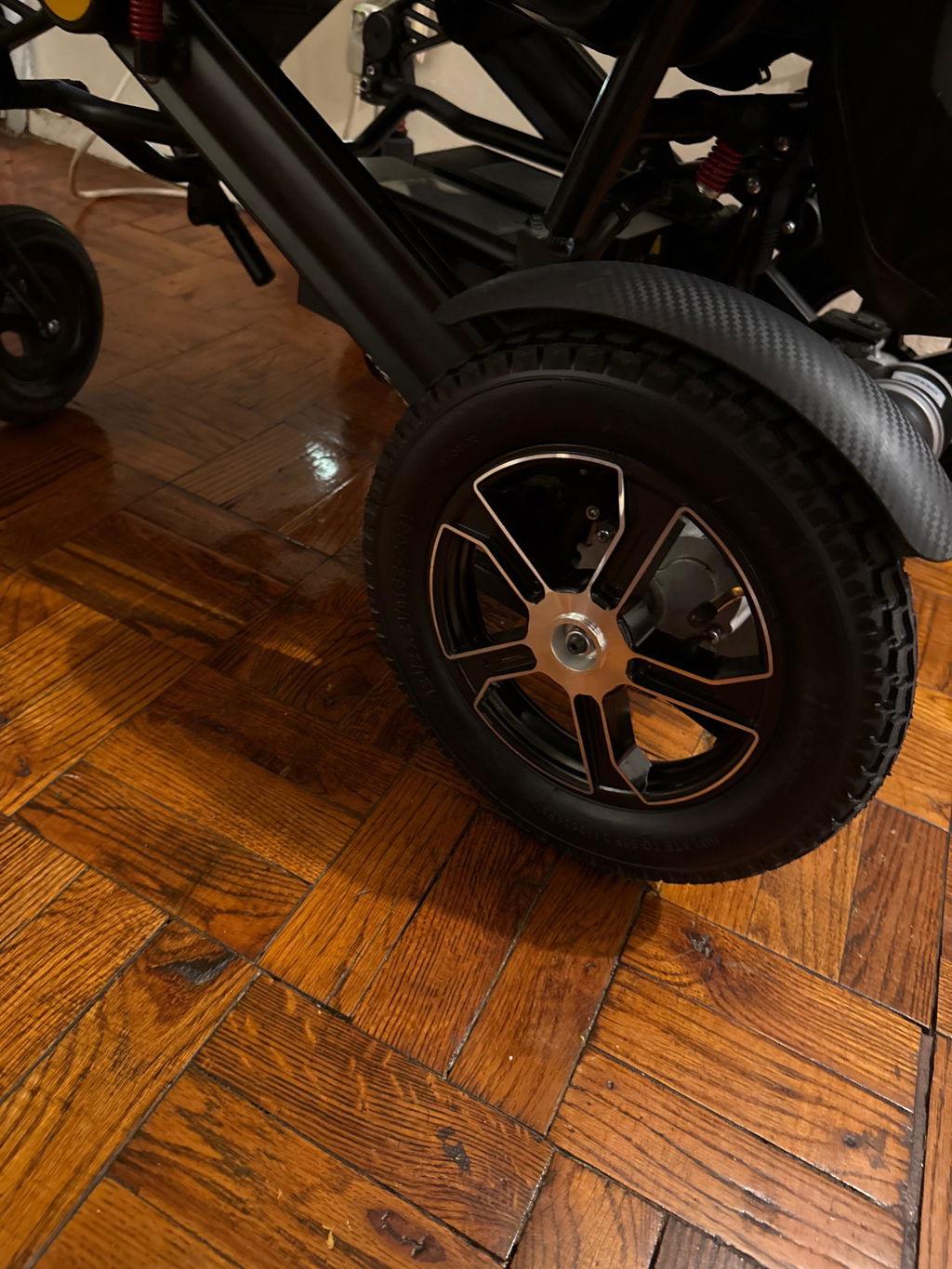
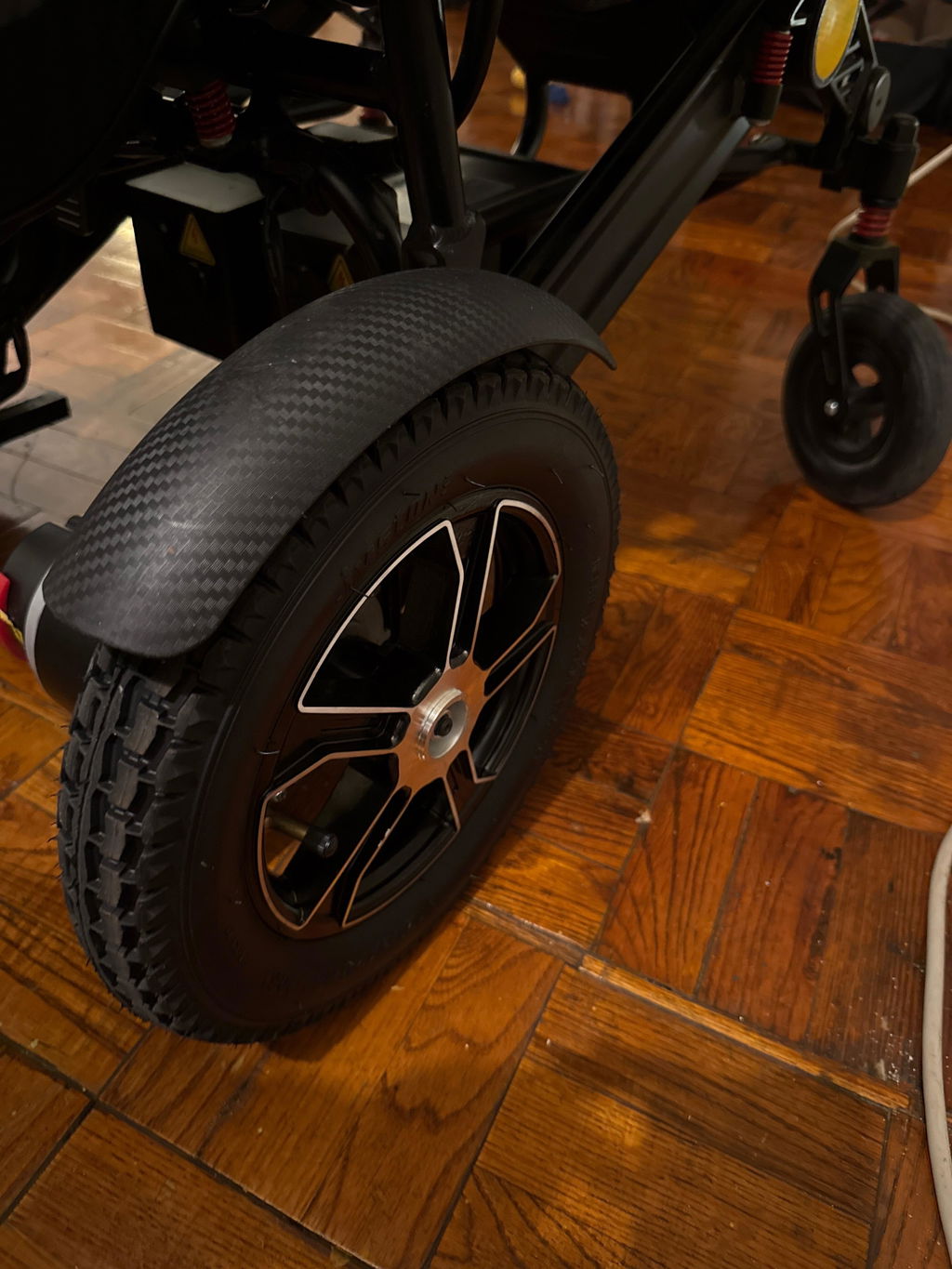
The KERDOM DX07 Ultra-Light Carbon Folding Electric Wheelchair is an outstanding choice for managing neurological symptoms. It features dual 180W brushless motors for smooth driving, a built-in safety belt, and an adjustable seat width to accommodate different body types and thick winter clothing. Its carbon fiber frame is lightweight enough for caregivers to lift easily into a car trunk.
DX08: The Ultra-Lightweight Option
Essential Accessories for Parkinson's Patients
To maximize safety and comfort, we highly recommend adding these accessories to your DX07 or DX08:
• Bluetooth Remote Control: This allows a spouse or caregiver to steer and stop the chair remotely, providing peace of mind on difficult days.
• Memory Foam Wheelchair Cushion: This 3-inch thick ergonomic cushion prevents pressure sores during long periods of sitting.
Frequently Asked Questions (FAQ)
Can I use the chair indoors?
Absolutely. KERDOM power chairs, particularly the DX07 and DX08, have very tight turning radii, making them perfect for maneuvering around furniture and through standard doorways.
What happens if I experience a tremor while driving?
If your hand slips off the joystick due to a tremor, the chair's electromagnetic brakes will engage instantly, bringing the chair to a safe and immediate stop.
Is the joystick hard to push?
No, the 360-degree joystick is highly sensitive and requires very little physical force to operate, making it ideal for users with weakness or rigidity.
References
[1] Parkinson's Foundation. "Mobility and Falls." https://www.parkinson.org/understanding-parkinsons/movement-symptoms/falls

This chair sounds something my husband should look into the wheelchair he has now is not very good. He slides off many times.