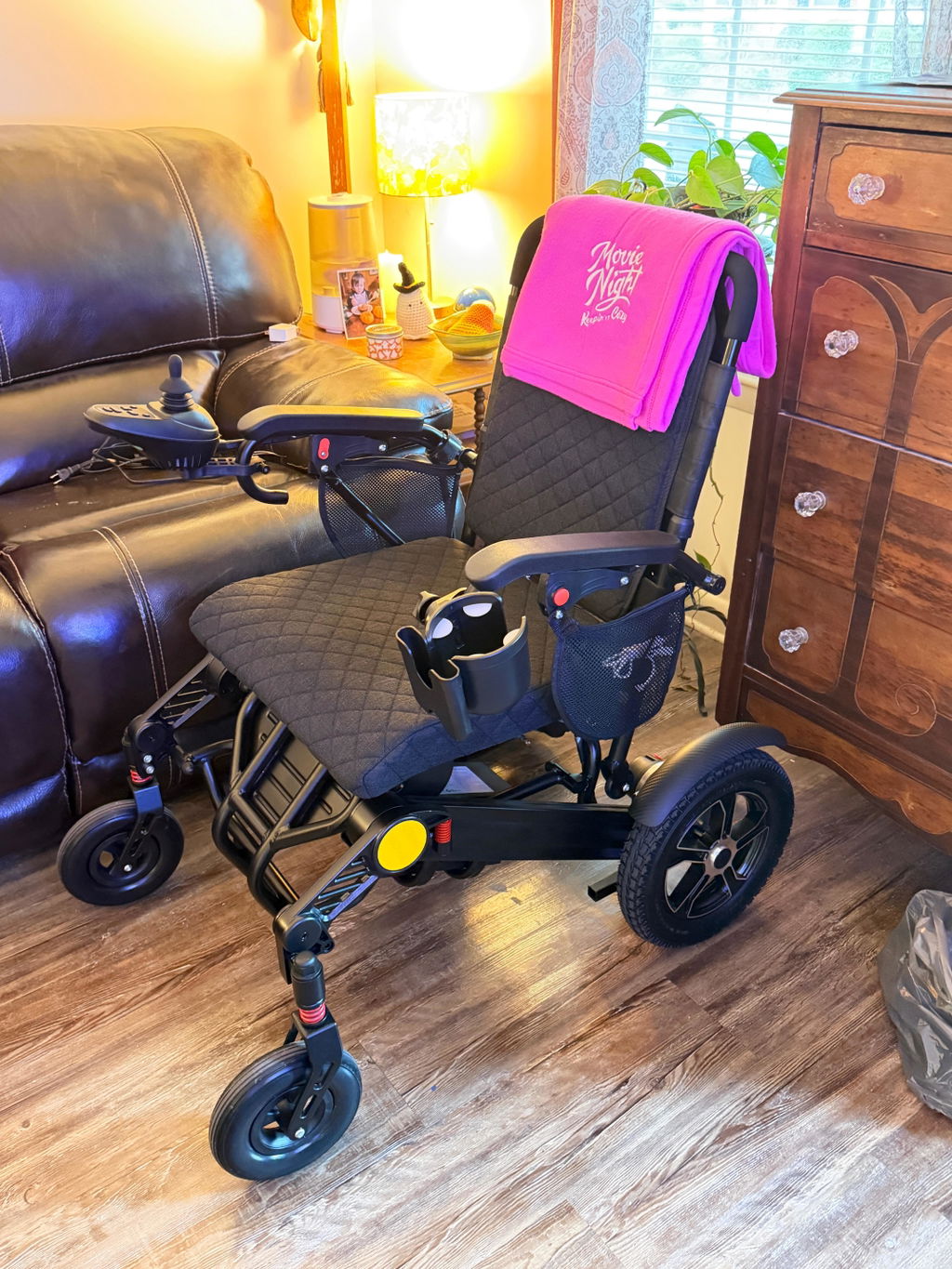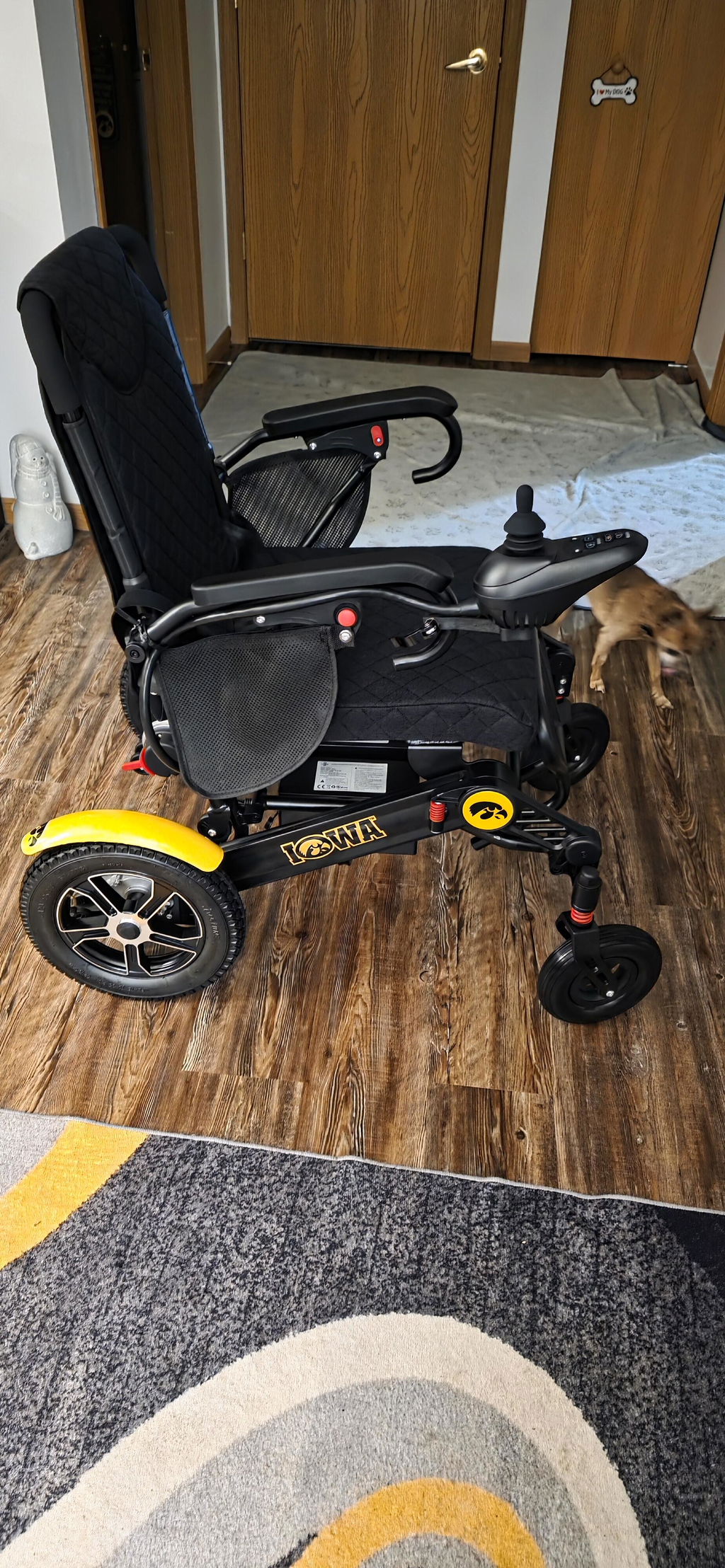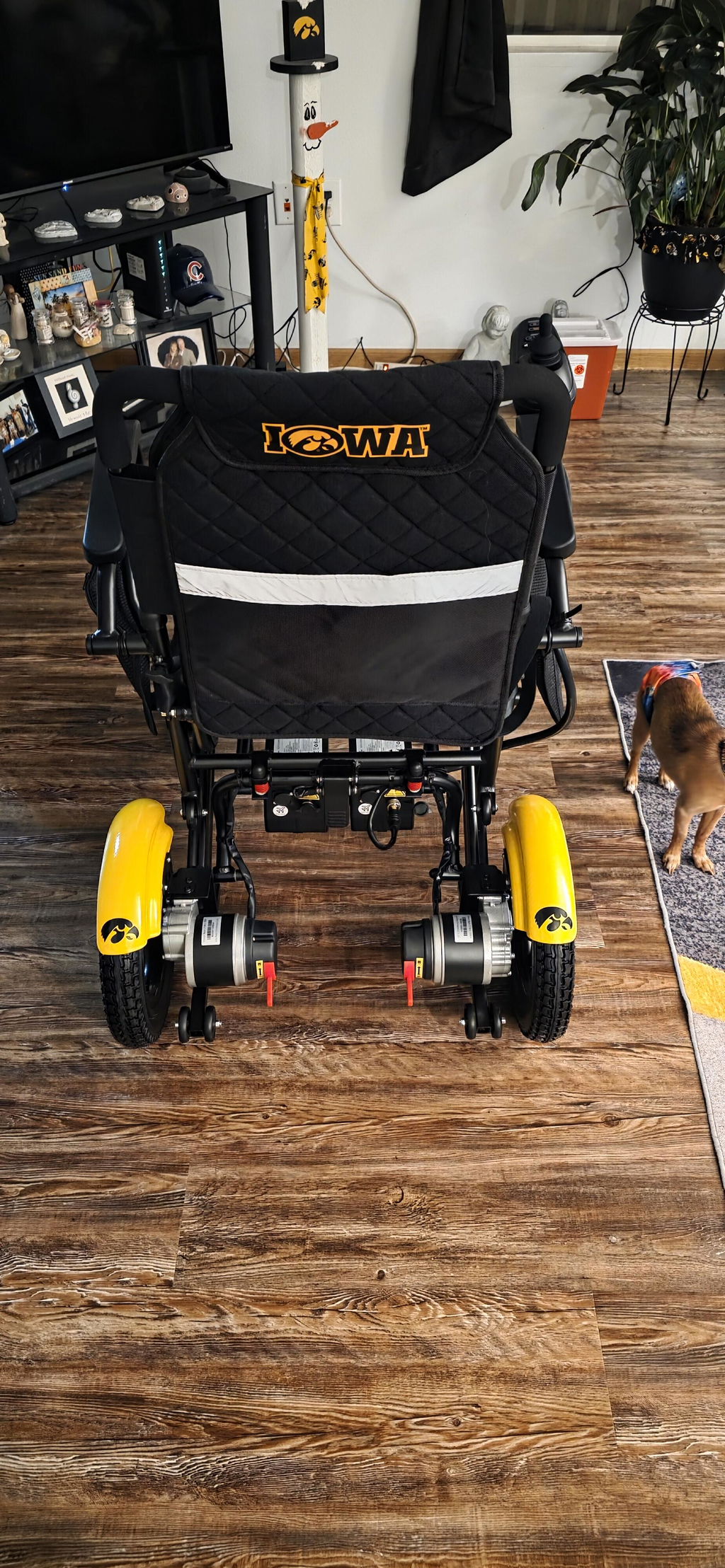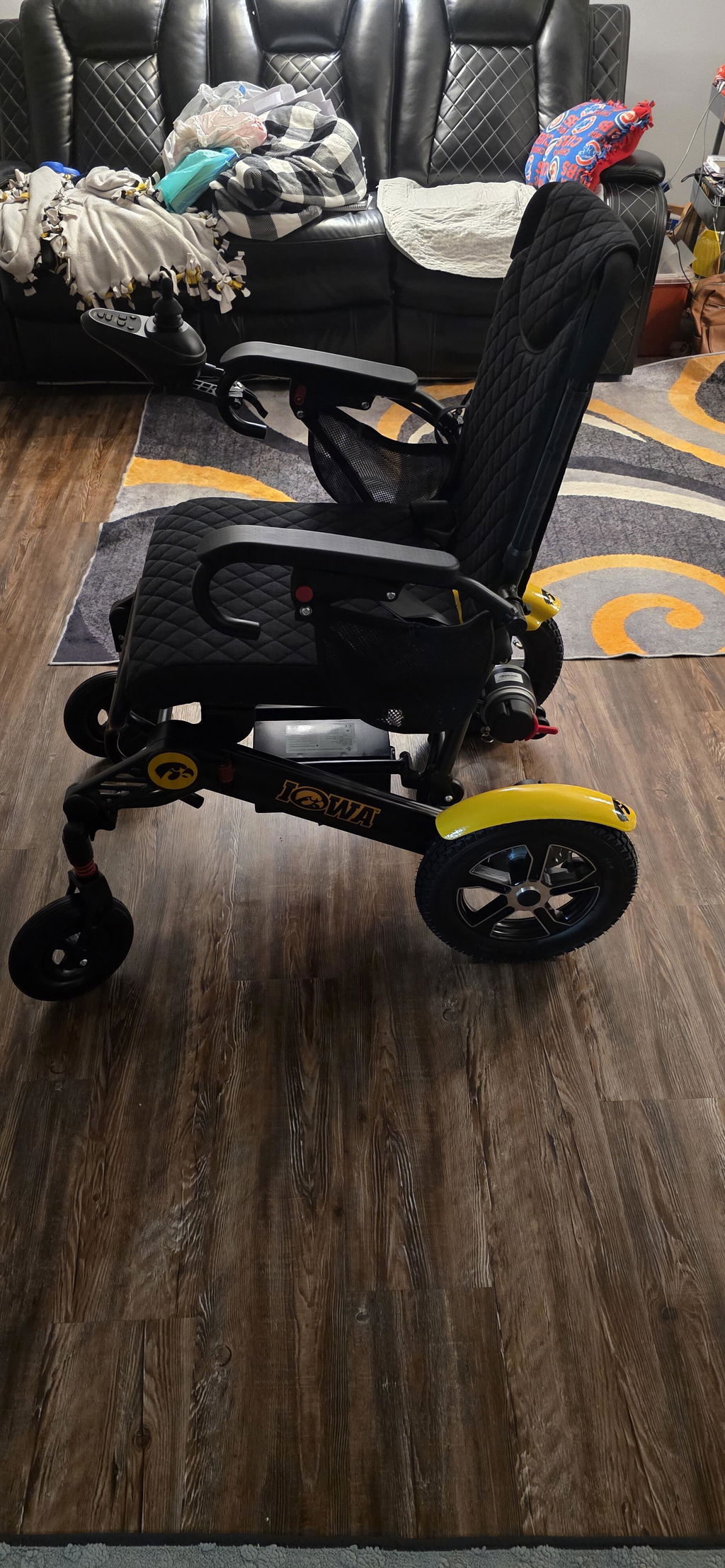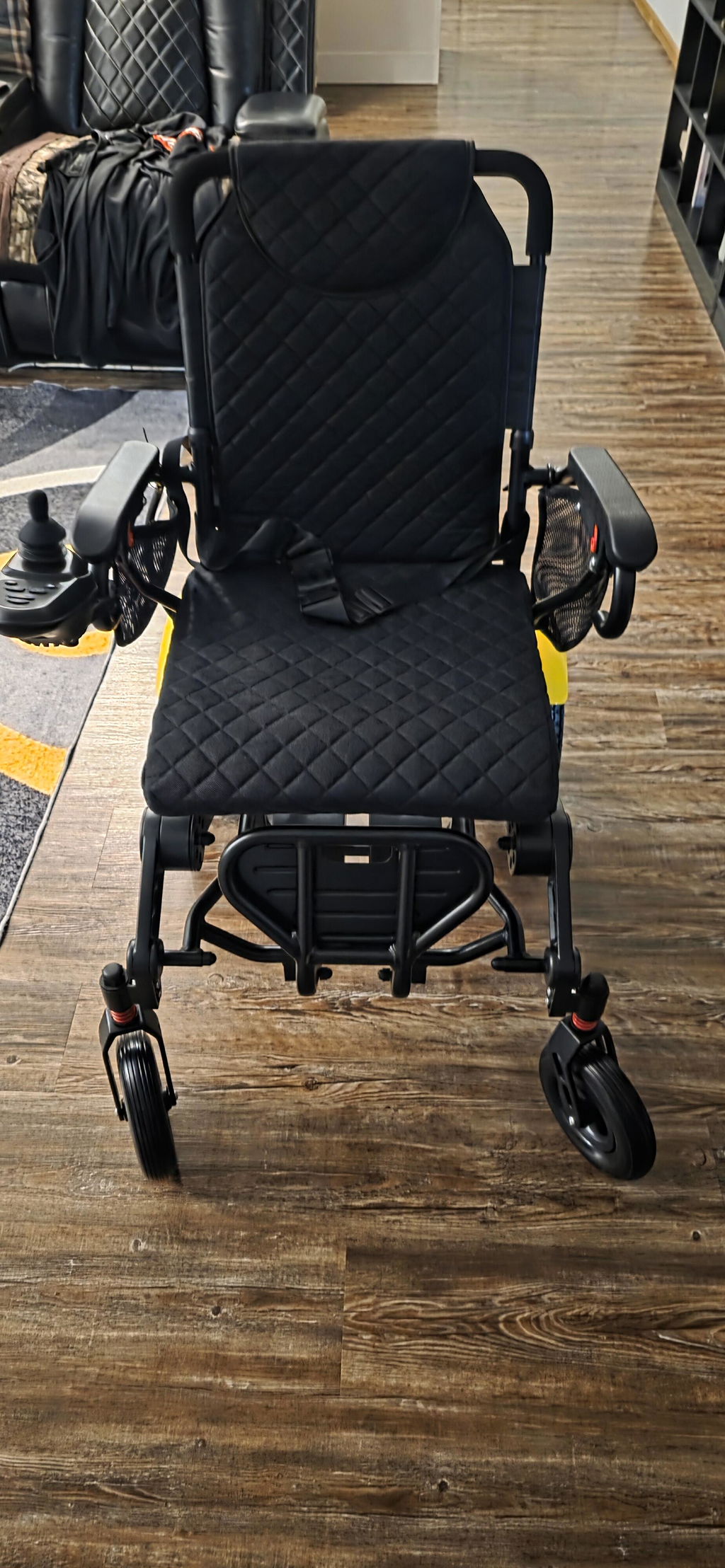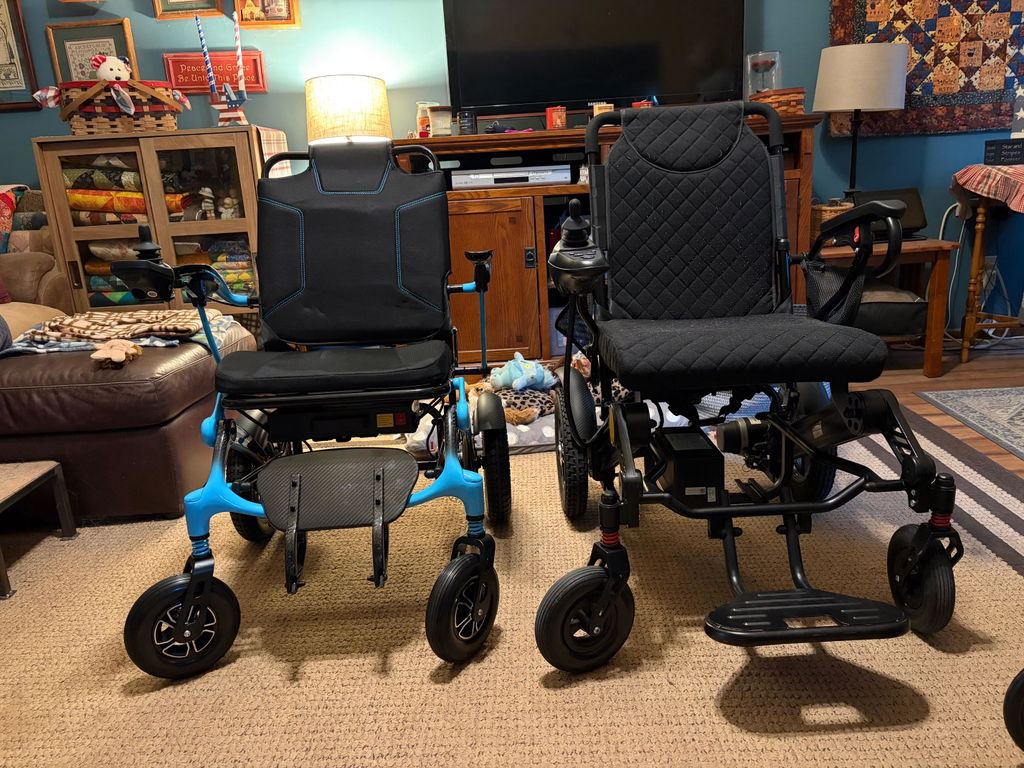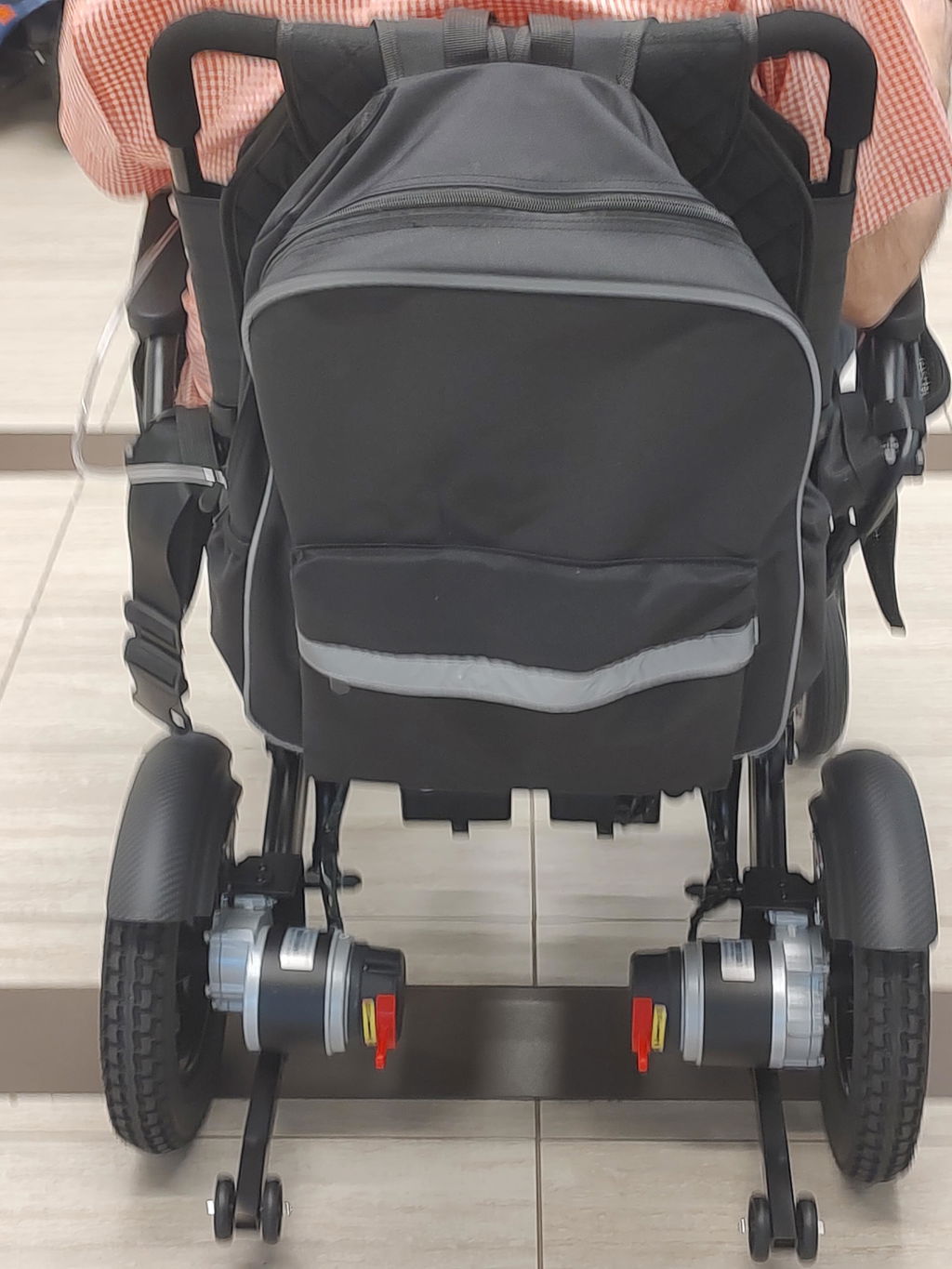

Flying can feel overwhelming for many people, but especially so when you use a wheelchair for mobility. However, airlines and airports have a responsibility to support disabled passengers and provide an accessible journey. Understanding your rights and preparing ahead of time can help make your journey smoother and more enjoyable. Here, we break down the important bits you need to know.
Your rights as a wheelchair user
Passengers who use wheelchairs, whether they’re electric or manual, are protected by accessibility laws that prohibit discrimination when travelling by air. Airlines can’t refuse to carry you because of your disability - except in rare cases where there is a legitimate safety concern.
You have the right to request assistance throughout your journey, including help with check-in, security screening, boarding, transferring between flights, and collecting your luggage and mobility equipment after landing. It’s important to note though that personal wheelchairs aren’t allowed in the passenger cabin of commercial flights – they will be stored as cargo, so you’ll need to let your airline know if you need assistance getting on and off the plane.
Contact the airline in advance
Although airlines are required to accommodate wheelchair users, notifying them in advance is strongly recommended. Ideally, you should contact the airline at least 48 hours before departure.
Be prepared to provide information such as:
● Whether you use a manual or electric wheelchair
● The wheelchair's dimensions and weight
● Battery type and specifications for electric wheelchairs
● Any mobility or assistance requirements
Providing accurate details allows airline staff to prepare for your arrival so that you and your wheelchair can be transported safely.
Before travelling it’s best to:
● Check the airline's battery requirements
● Bring any operating instructions if available
● Secure removable components
● Take photos of the wheelchair before departure
● Label the wheelchair with your contact details
Most airlines transport electric wheelchairs free of charge in addition to your standard baggage allowance.
What happens to your wheelchair during the flight?
While your wheelchair will most likely be stored in the aircraft hold, many airports allow you to remain in your wheelchair until you reach the door of the plane, where staff will help you to an aisle chair for boarding if required.
Because electric wheelchairs are often complex and expensive pieces of equipment, it’s important that you provide clear handling instructions for the airline staff to follow.
Accessibility support at the airport
Airports offer assistance services designed to support passengers with mobility needs, which means staff can help you navigate each part of the process, from check-in to boarding the plane.
Security screening may involve alternative procedures for wheelchair users – when this is the case, airport staff should explain each step to you clearly and conduct any necessary screenings respectfully, as is your right.
If your wheelchair is damaged
While unlikely, wheelchairs can sometimes get damaged during air travel. This can be more problematic for electric wheelchair users, as these often contain specialist and more expensive components.
If your wheelchair is damaged during transit:
● Report it immediately before leaving the airport
● Take photos of the damage
● Keep all documentation and receipts
● Request written confirmation from the airline
Airlines are generally responsible for repairing, replacing, or compensating passengers for any damaged mobility equipment, so it’s important to gather the required evidence to back up your claim.
Travel with confidence
No matter the type of mobility aid you use, air travel should be accessible and inclusive. By understanding your rights, taking steps to protect your equipment, and keeping in touch with your airline, you can travel with confidence and enjoy a more stress-free flying experience.