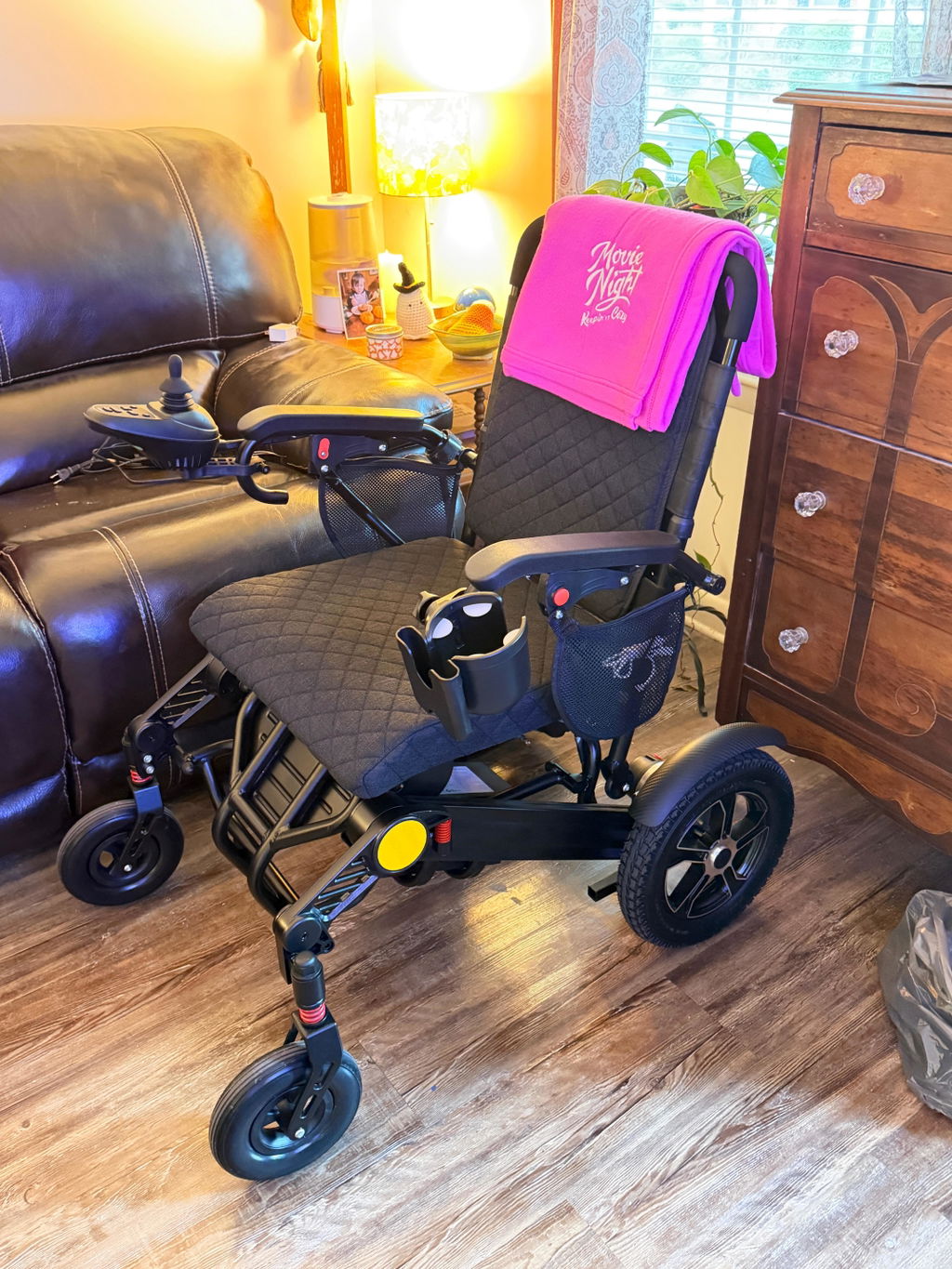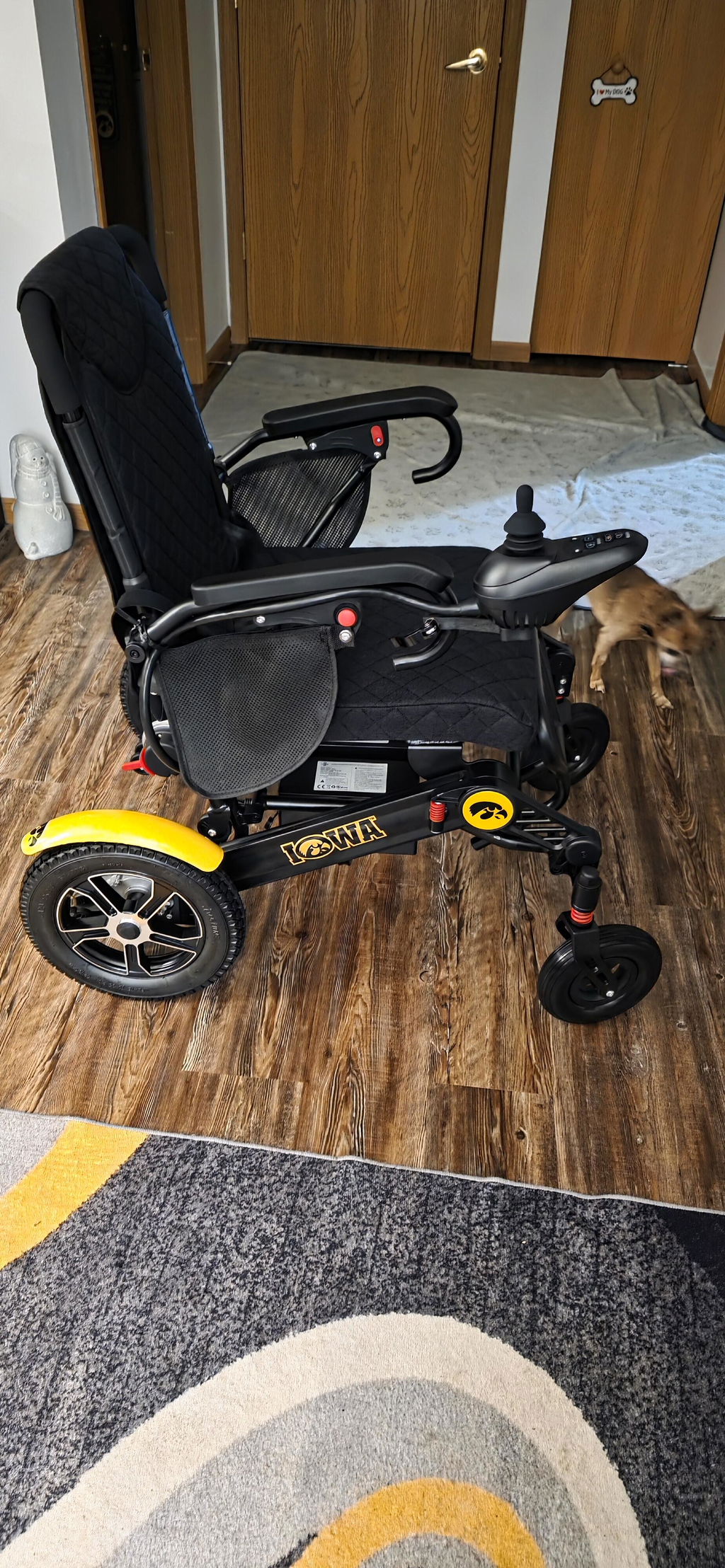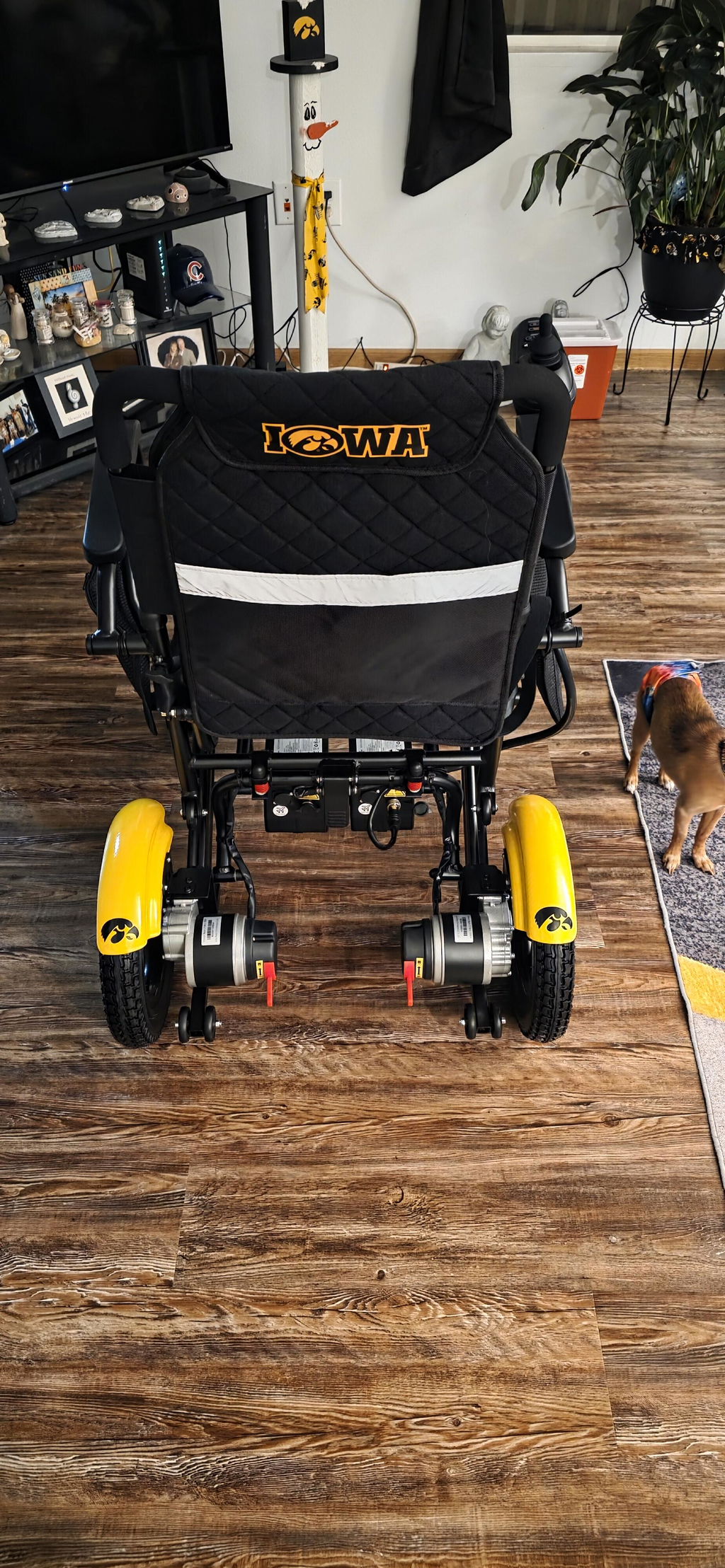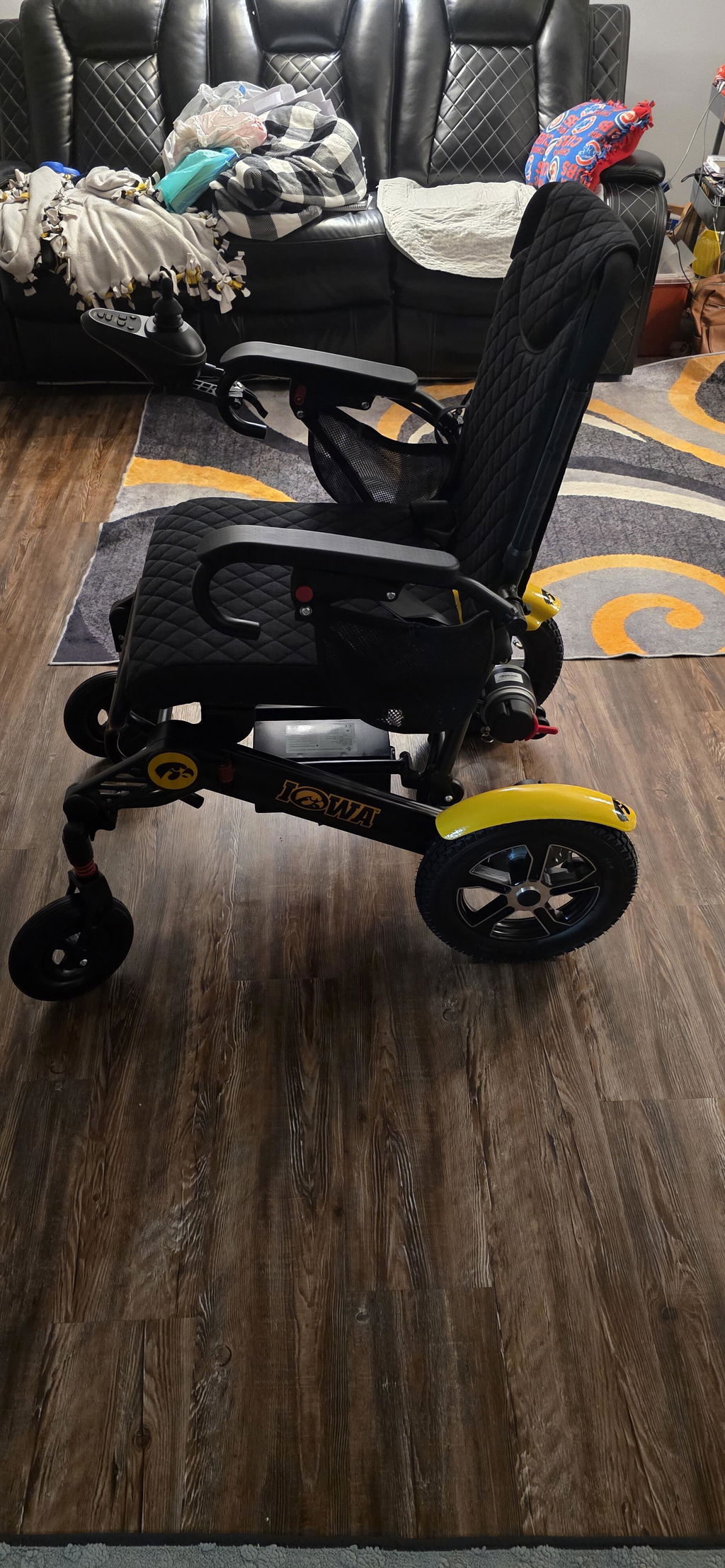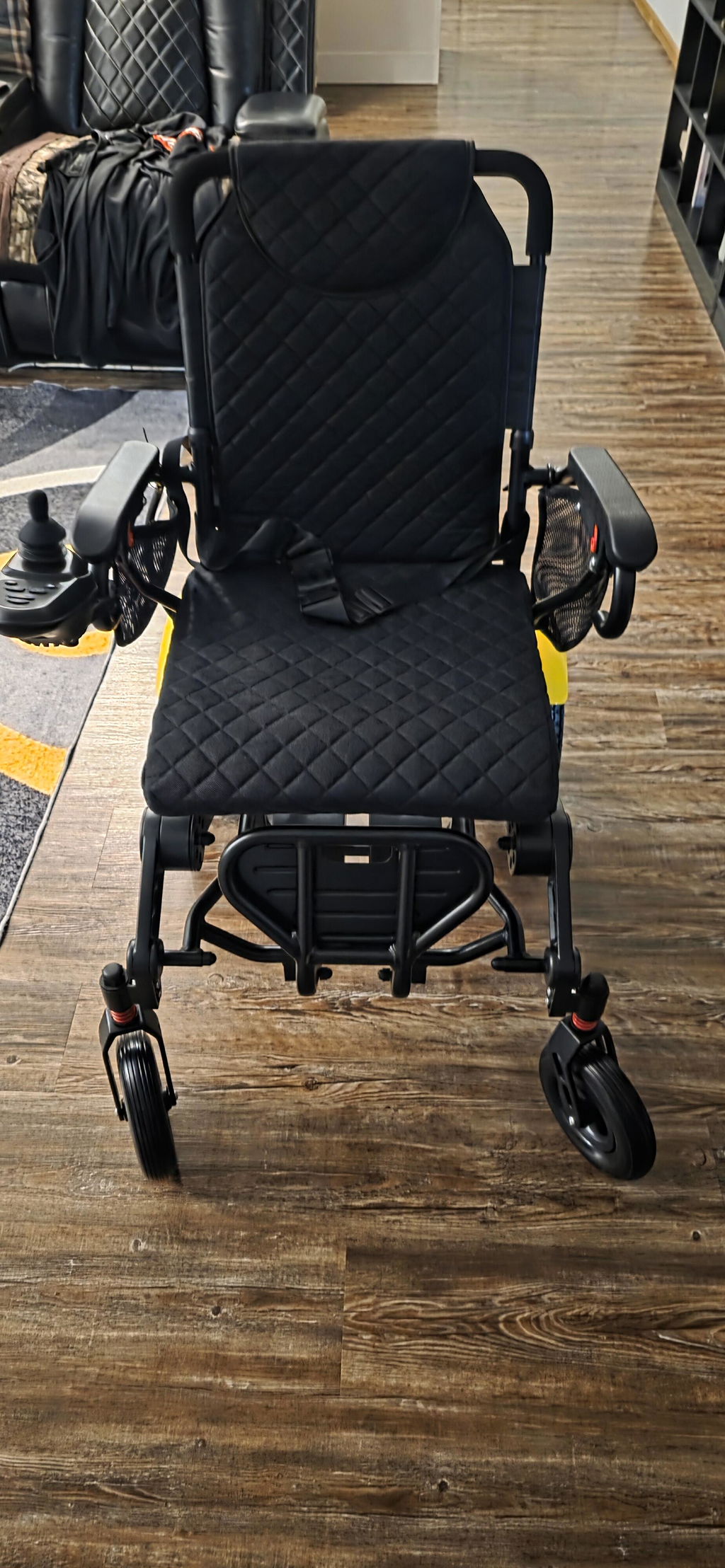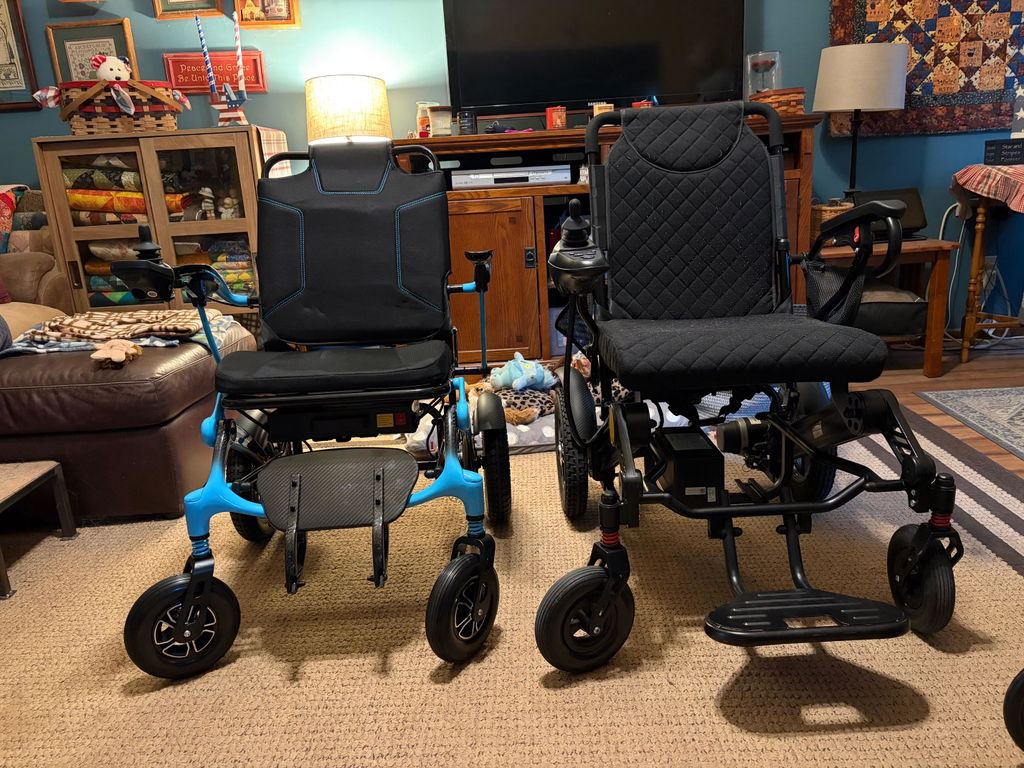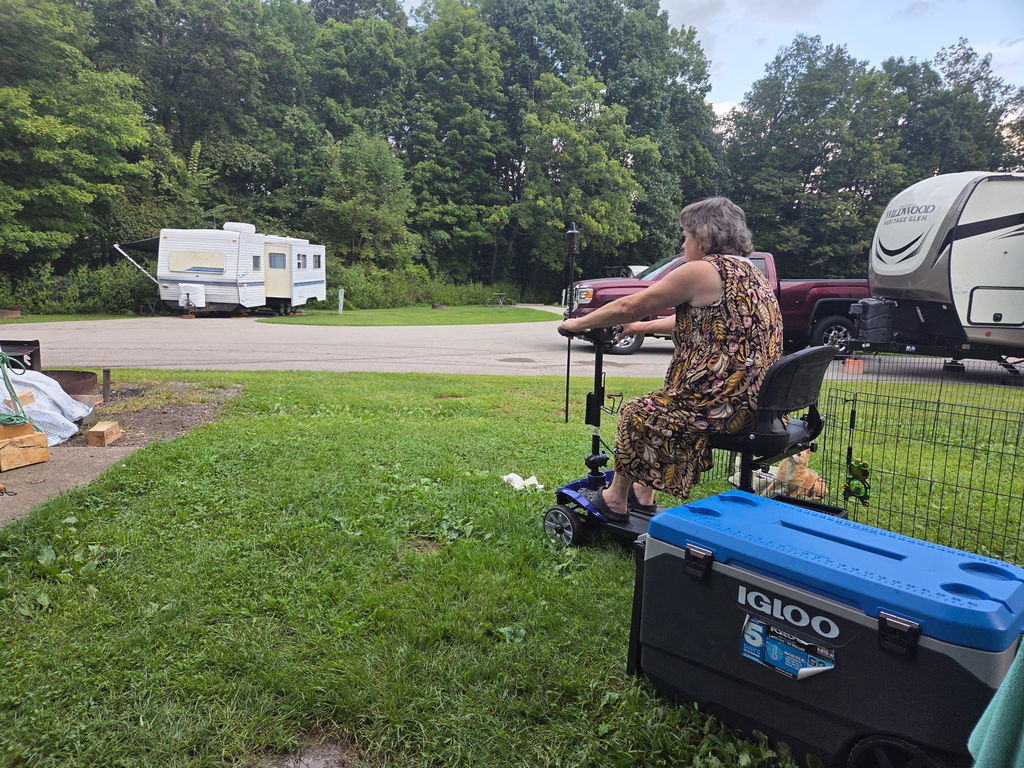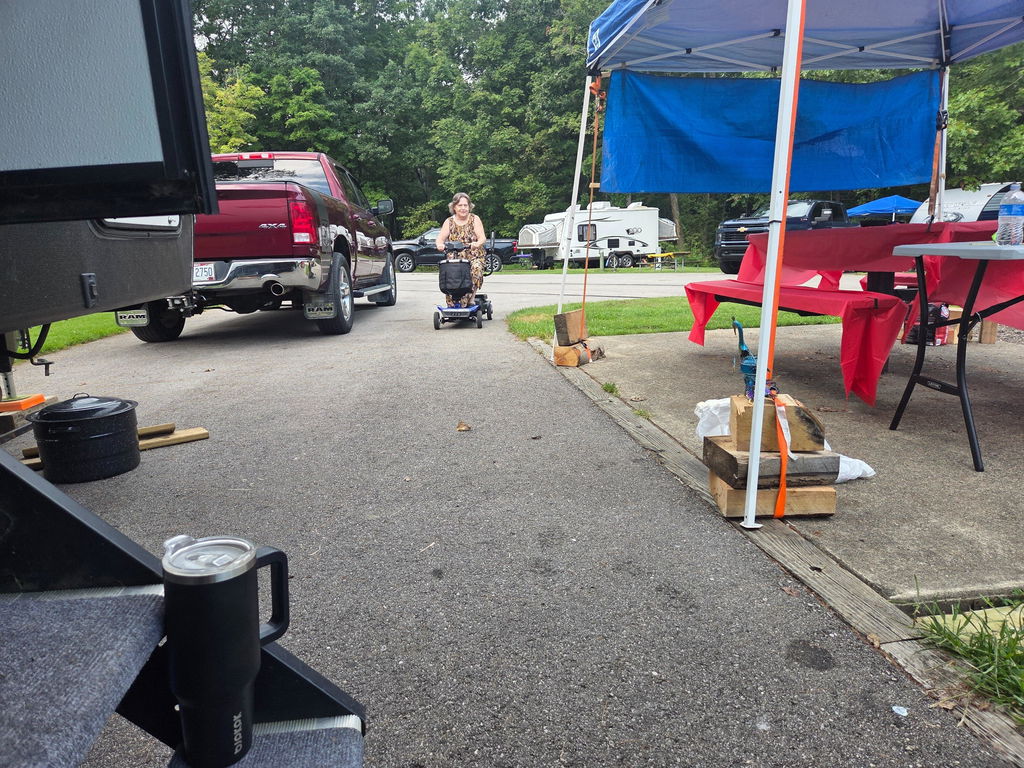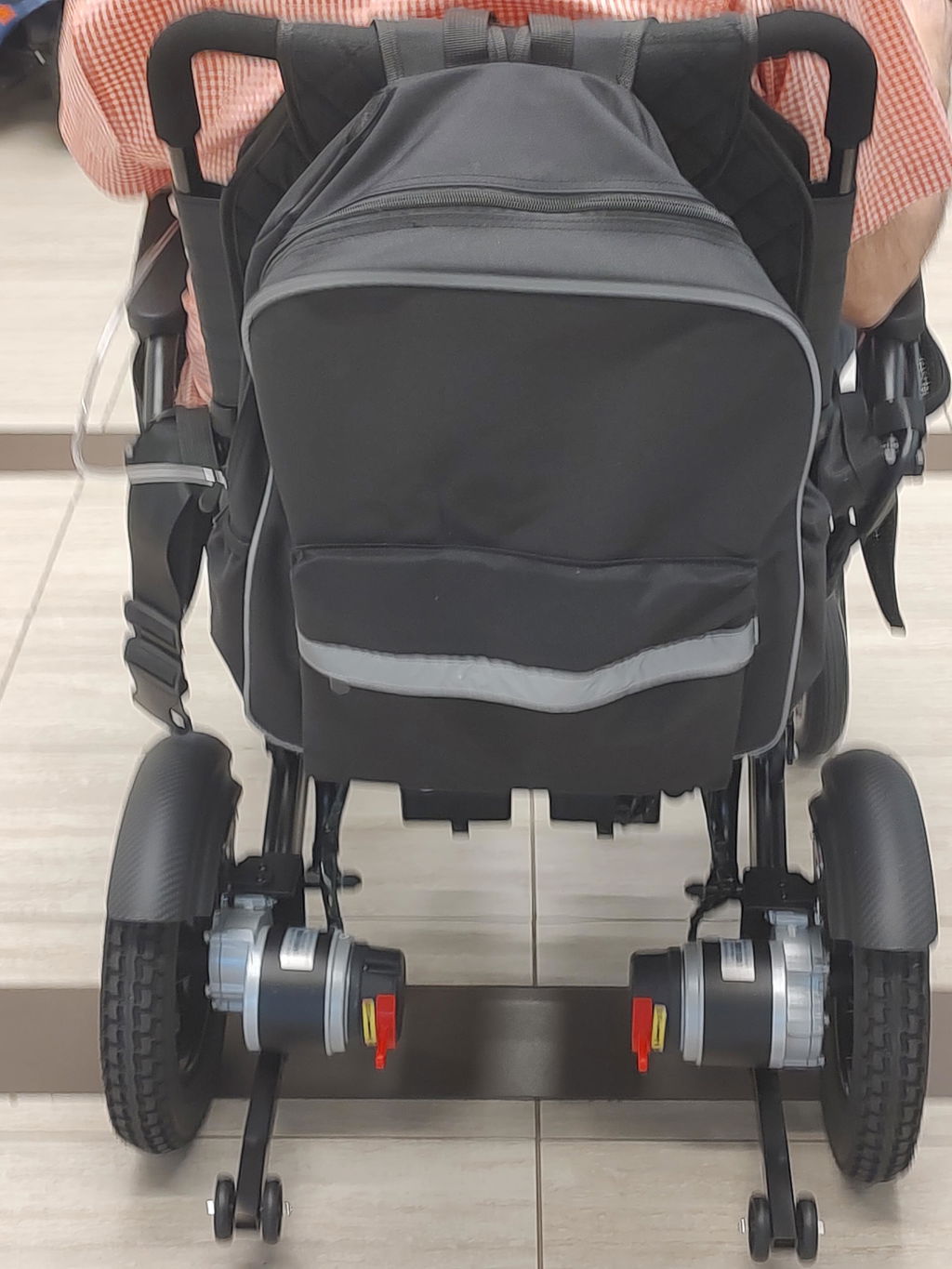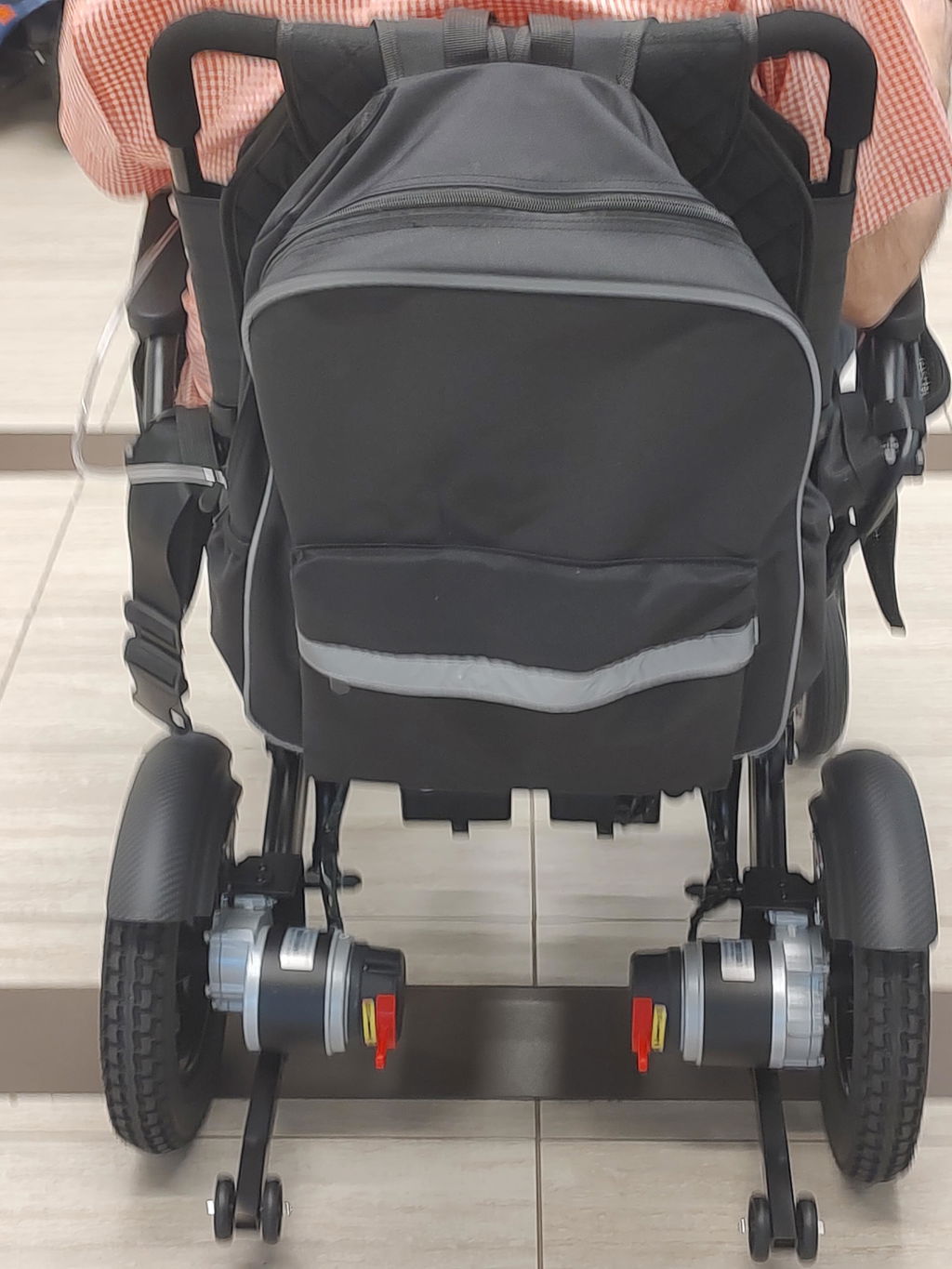

When a mother or father begins to lose their mobility, purchasing an electric wheelchair for elderly parents is a major decision. The responsibility often falls on their adult children to find a safe, reliable solution that impacts not only their independence but also the physical and emotional well-being of the caregiver.
According to the Family Caregiver Alliance, family caregivers spend an average of 24 hours per week providing care, and physical strain—particularly from lifting or assisting with mobility—is a leading cause of caregiver burnout [1]. Therefore, selecting the right mobility device requires balancing two critical factors: the comfort and safety of the parent, and the physical convenience for the caregiver. This 2026 guide will help you navigate the process and choose the perfect mobility device for your family's needs.
Balancing Parent Comfort with Caregiver Convenience
When evaluating an electric wheelchair vs manual wheelchair, many buyers focus entirely on the features that benefit the user, such as seat cushioning or joystick sensitivity. However, if the device is too heavy for the caregiver to lift into a car trunk, or too wide to navigate through the hallways of the family home, it will quickly become a source of frustration rather than freedom.
The Caregiver's Checklist
Before purchasing a device, caregivers should ask themselves the following questions:
- How much weight can I safely lift? If you struggle to lift more than 40 pounds, a traditional 150-pound power chair is not an option unless you also invest in an expensive vehicle lift.
- Where will the device be stored? If space is limited, you need a chair that folds compactly.
- How often will we travel? If you plan to take your parents to medical appointments or family gatherings frequently, a lightweight, folding model is essential.
- Who will maintain the battery? Lithium-ion batteries require regular charging. Removable batteries are much easier for caregivers to manage.
The Parent's Checklist
Simultaneously, the chosen chair must meet the user's specific physical requirements:
- What is their weight and height? The chair must have an appropriate weight capacity and seat width.
- Do they have the cognitive ability to use a joystick? Most seniors adapt quickly, but severe cognitive decline may require caregiver-operated controls.
- Will they use it indoors, outdoors, or both? Indoor use requires a tight turning radius, while outdoor use requires larger, puncture-proof tires.
Top Recommendations for Different Family Needs
Based on the checklists above, here are the top KERDOM solutions to consider.
Best for Maximum Parent Comfort: KERDOM DX07
If your parent requires all-day seating support and you have the ability to lift a slightly heavier frame, the KERDOM DX07 Ultra-Light Carbon Folding Electric Wheelchair is the premier option.
The DX07 features an adjustable seat width (expanding up to 23 inches), providing a customized fit that prevents pressure sores. It also includes essential safety features like a seatbelt, front headlights, and reverse lights. Despite these robust features, its carbon fiber construction keeps the weight down to a manageable 36.5 lbs (without the battery). For a device that balances luxury comfort with caregiver portability, the DX07 is unmatched.
Best for Caregivers with Lifting Restrictions: The FOLD-FLAT
If you are a caregiver who cannot lift heavy objects, the KERDOM FOLD-FLAT Mobility Scooter is an exceptional choice.
Weighing only 38.55 lbs (without the battery), it is significantly lighter than traditional mobility scooters. More importantly, it folds in just one second and can be rolled like a piece of luggage. This means you do not have to carry the full weight of the scooter when moving it from the house to the driveway.
It is an ideal mobility scooter for elderly parents who need assistance during shopping trips or family outings but can still walk short distances at home. For more advice, see our caregiver guide electric wheelchair.
Comparing the Options
|
Feature |
The FOLD-FLAT Scooter |
KERDOM DX07 Wheelchair |
|
Device Weight |
38.55 lbs |
36.5 lbs |
|
Weight Capacity |
300 lbs |
350 lbs |
|
Best Use Case |
Shopping, travel, smooth paths |
All-day use, varied terrain |
|
Caregiver Benefit |
Rolls like luggage |
Ultra-light carbon fiber frame |
|
Parent Benefit |
Easy to step onto |
Adjustable seat, safety lights |
Navigating the Transition
Introducing an electric wheelchair for elderly parents can sometimes be met with resistance. Seniors may view the device as a loss of independence rather than a tool for regaining it.
As a caregiver, frame the conversation positively. Emphasize that the chair is a way to conserve energy so they can enjoy more time with grandchildren or participate in outings without fear of falling. Encourage them to view the mobility device as a premium vehicle rather than a medical necessity.
FAQ: Buying for Elderly Parents
Can I control the electric wheelchair for my elderly parents if they cannot?
Our DX07 and DX08 carbon fiber electric wheelchairs are equipped with a compatible Bluetooth remote control, allowing caregivers to operate the wheelchair from a distance with ease. This feature makes it simple to assist with navigation, especially in tight spaces or crowded environments, without needing to physically push the chair.
The remote control provides smooth, responsive handling, giving caregivers greater confidence and users a more comfortable, stress-free experience during daily outings or travel.
How do I transport the chair in my car?
KERDOM folding wheelchairs and scooters are designed to fit into the trunk of a standard sedan or SUV. Simply remove the lightweight lithium-ion battery, fold the frame, and lift it into the trunk.
How long does the battery last?
Most KERDOM models offer a range of 13.5 to 20 miles on a single charge. For a chair used primarily for errands and weekend outings, you will typically only need to charge it once or twice a week.
What if the chair breaks down?
KERDOM provides a 5-year warranty on the frame and a 2-year warranty on electronic components, ensuring peace of mind for caregivers investing in their parents' mobility.
References: [1] Family Caregiver Alliance. "Caregiver Statistics: Demographics." https://www.caregiver.org/resource/caregiver-statistics-demographics/