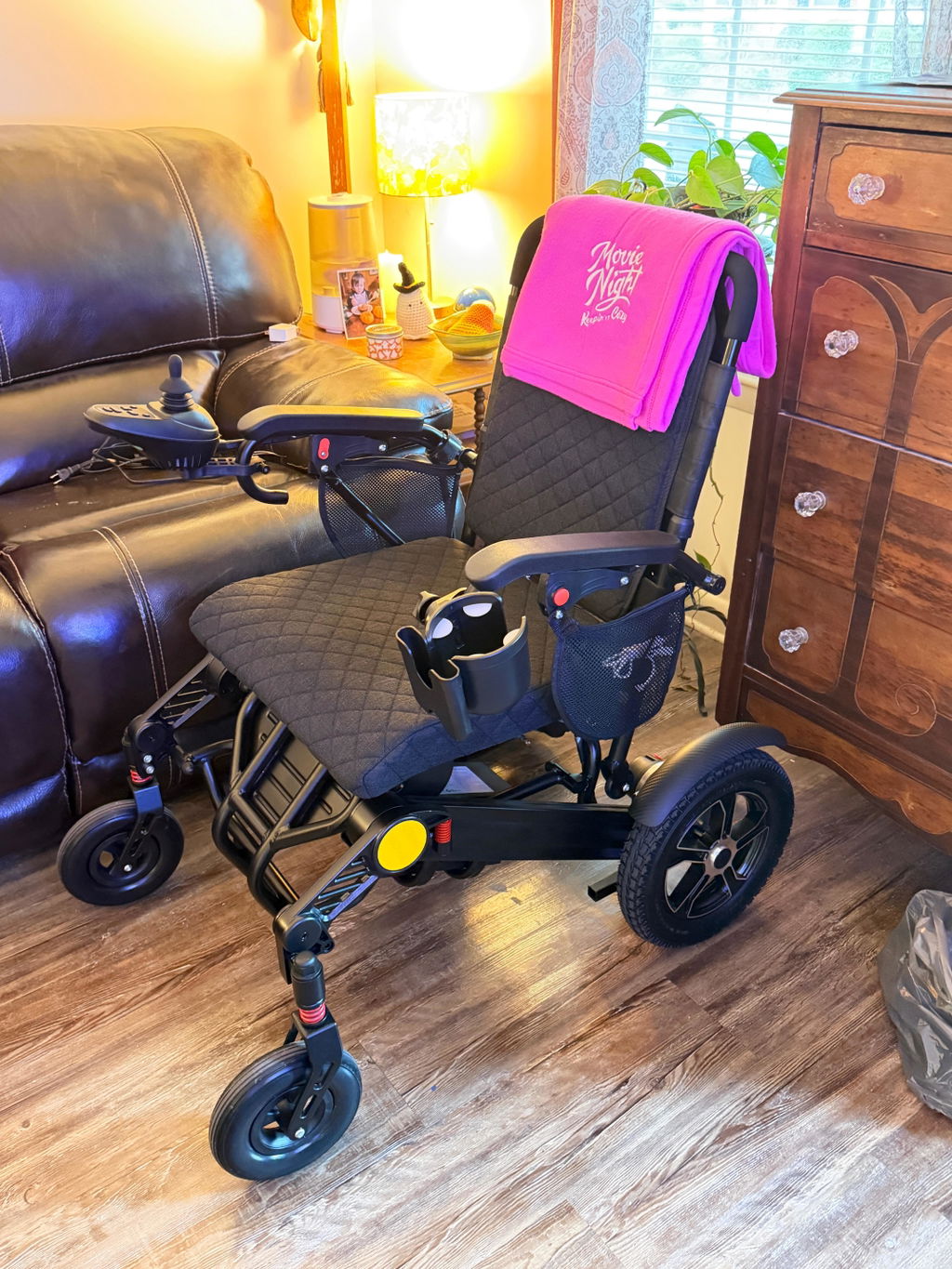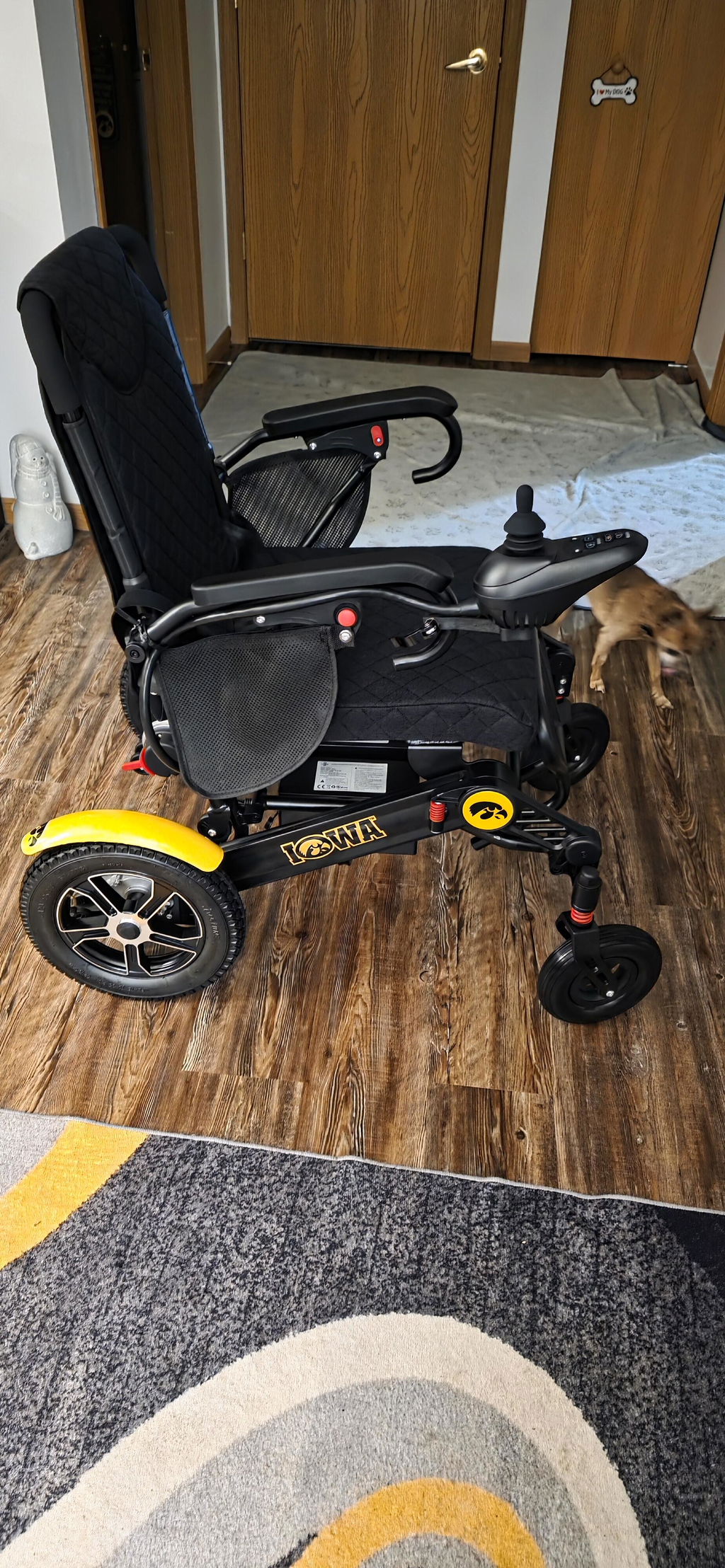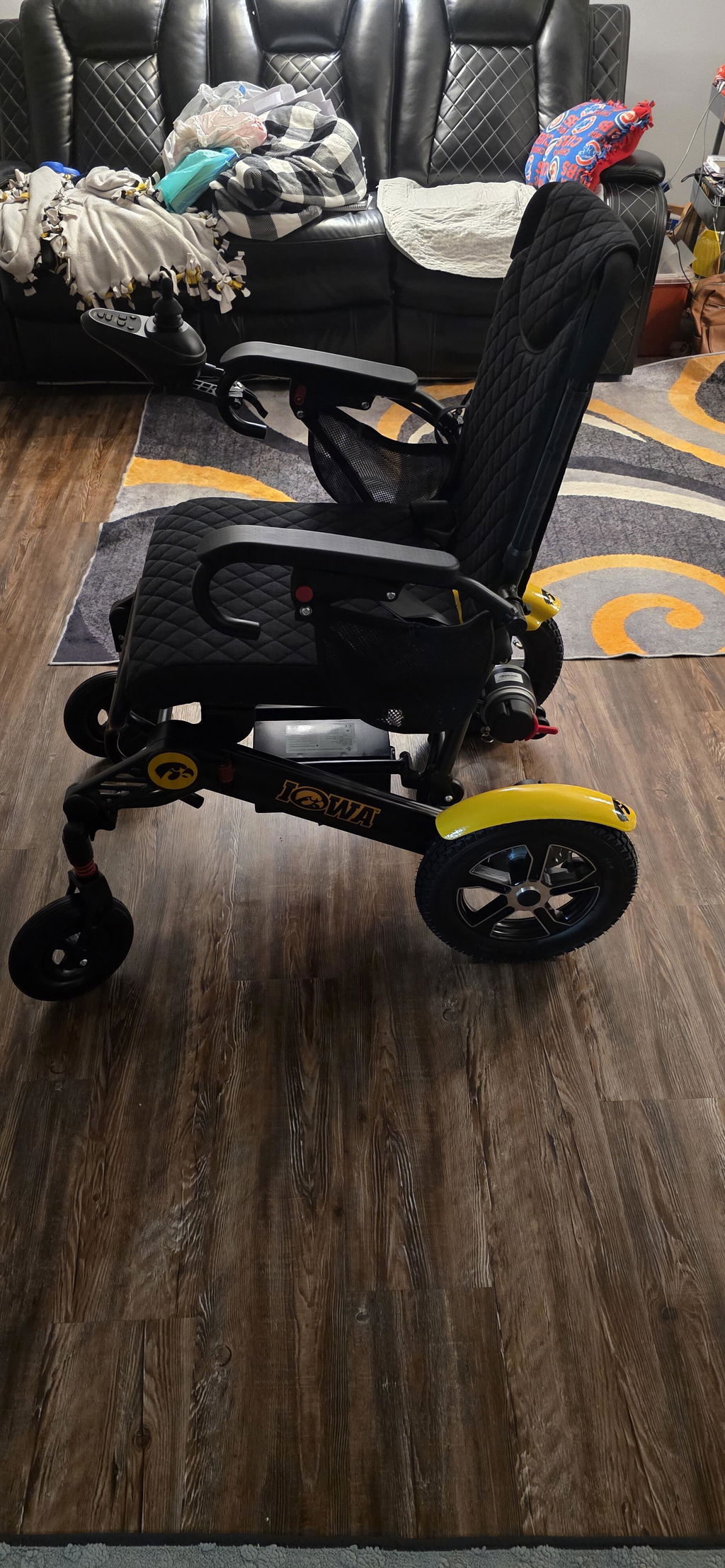

One of the most common questions new mobility device users ask is: are electric wheelchairs allowed on the road? Navigating public spaces safely and legally is crucial for maintaining your independence. In this comprehensive guide, we will explain the Americans with Disabilities Act (ADA) rules, clarify when you can use the street, and share essential safety tips for everyday travel in 2026.
The Short Answer: Are Electric Wheelchairs Allowed on the Road?
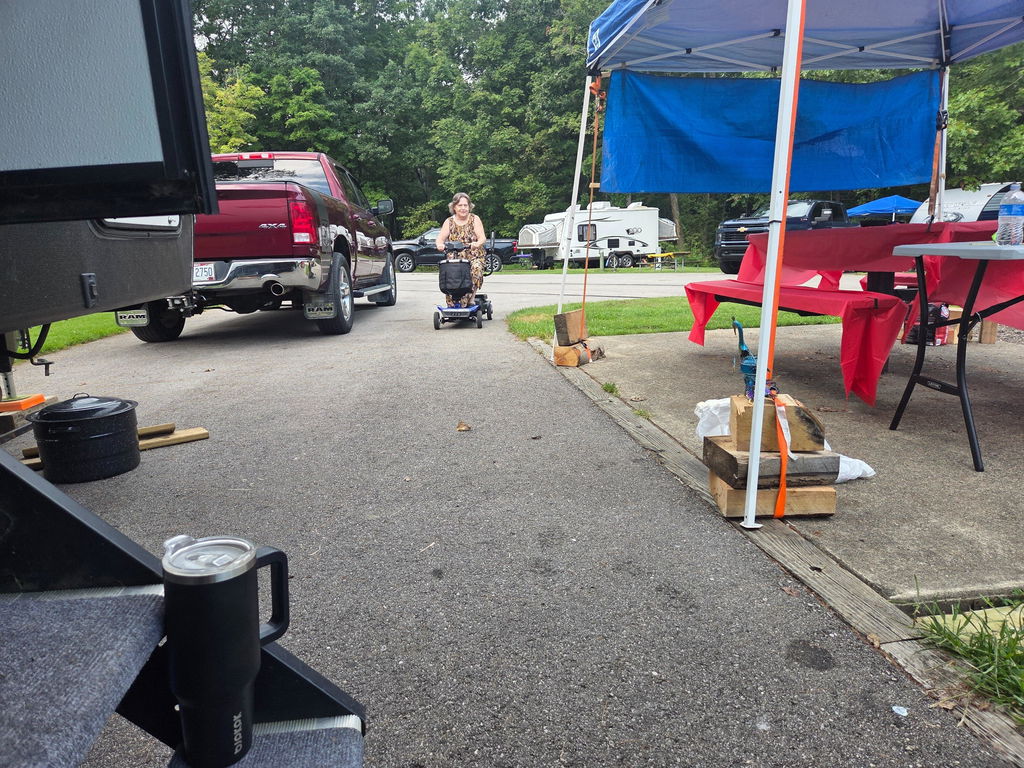
Generally speaking, no. In the eyes of the law in the United States, an individual using a power wheelchair or mobility scooter is considered a pedestrian, not a vehicle operator. Therefore, the simple answer to "are electric wheelchairs allowed on the road" is that you should use sidewalks and pedestrian pathways whenever they are available. Driving a wheelchair in the middle of a busy street alongside cars is both illegal and highly dangerous.
Understanding ADA Guidelines for Mobility Devices
The Americans with Disabilities Act (ADA) provides strict protections for individuals using mobility devices. Under ADA rules, state and local governments, as well as private businesses, must allow people with disabilities who use manual or power wheelchairs into all areas where members of the public are allowed to go. This means public sidewalks, crosswalks, and pedestrian bridges are legally required to be accessible to you. If a sidewalk is blocked or lacks a curb ramp, it is a violation of ADA accessibility standards.
When Can You Use the Road?
While the general rule dictates sidewalk use, there are specific exceptions to the question: are electric wheelchairs allowed on the road? You are permitted to use the edge of the roadway or a bike lane under the following circumstances:
• No Sidewalk Available: If a street does not have a sidewalk, you may travel on the side of the road (similar to a pedestrian walking).
• Blocked Sidewalks: If a sidewalk is under construction, blocked by debris, or otherwise impassable, you may temporarily use the road to bypass the obstacle.
• Crossing Streets: You are, of course, allowed on the road when using designated crosswalks to get from one side of the street to the other.
Safety Tips for Navigating Sidewalks and Streets
Whether you are on a sidewalk or temporarily bypassing an obstacle on the street, safety is paramount.
Visibility is Key
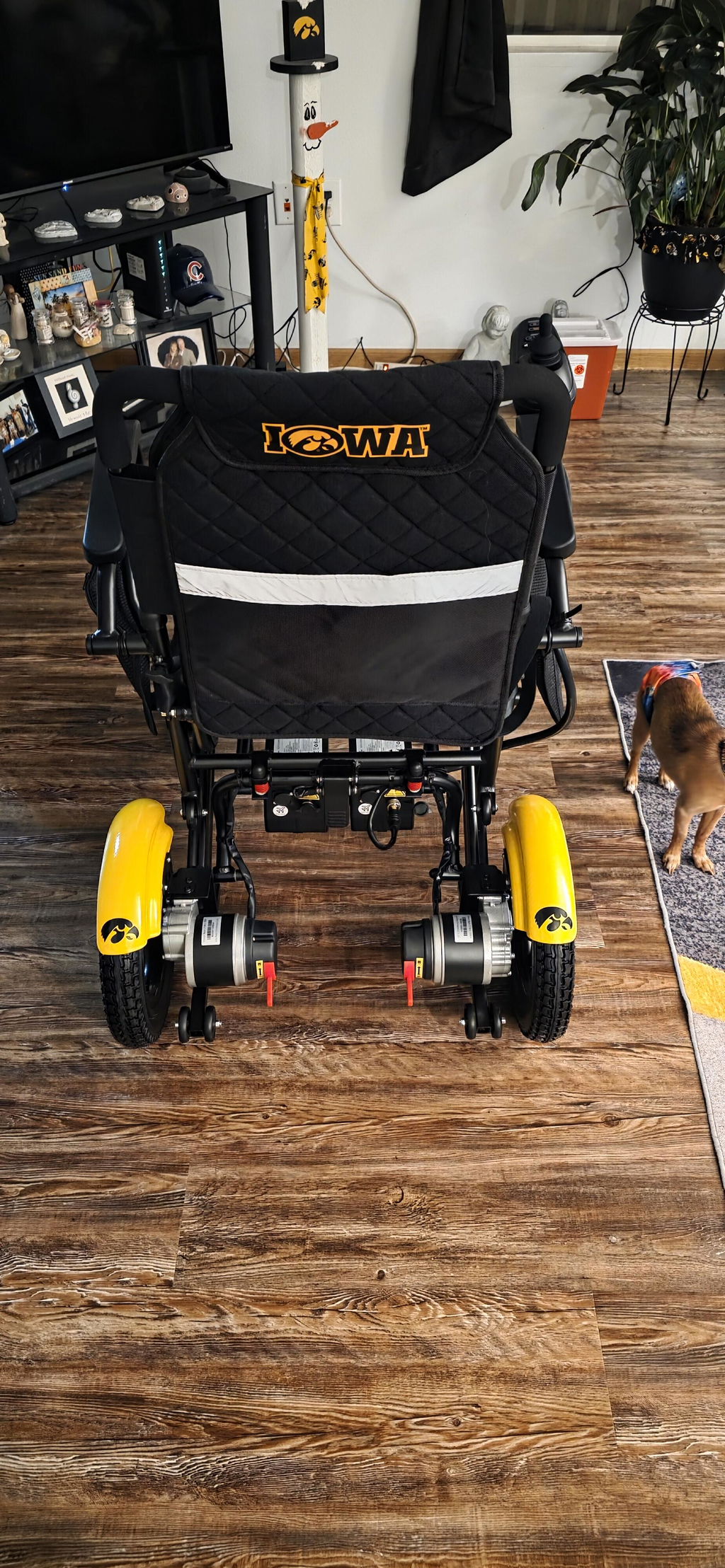
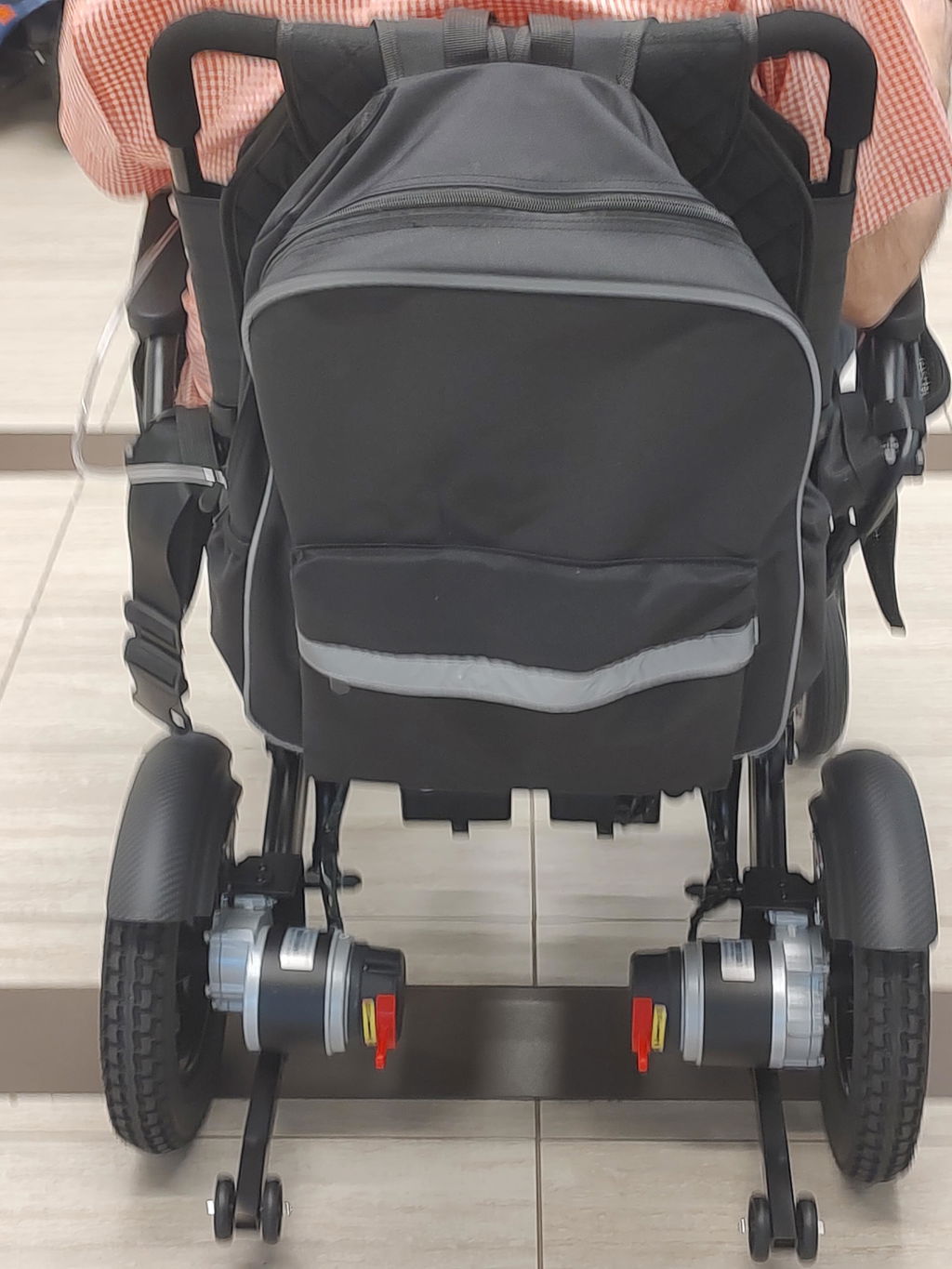
Because wheelchairs sit lower than most vehicles, making yourself visible to drivers is critical. We highly recommend equipping your chair with the Reflective Seatback Wheelchair Bag. The bright reflective strips catch headlights, alerting drivers to your presence during evening hours.
Choose a Chair with Built-In Safety Features
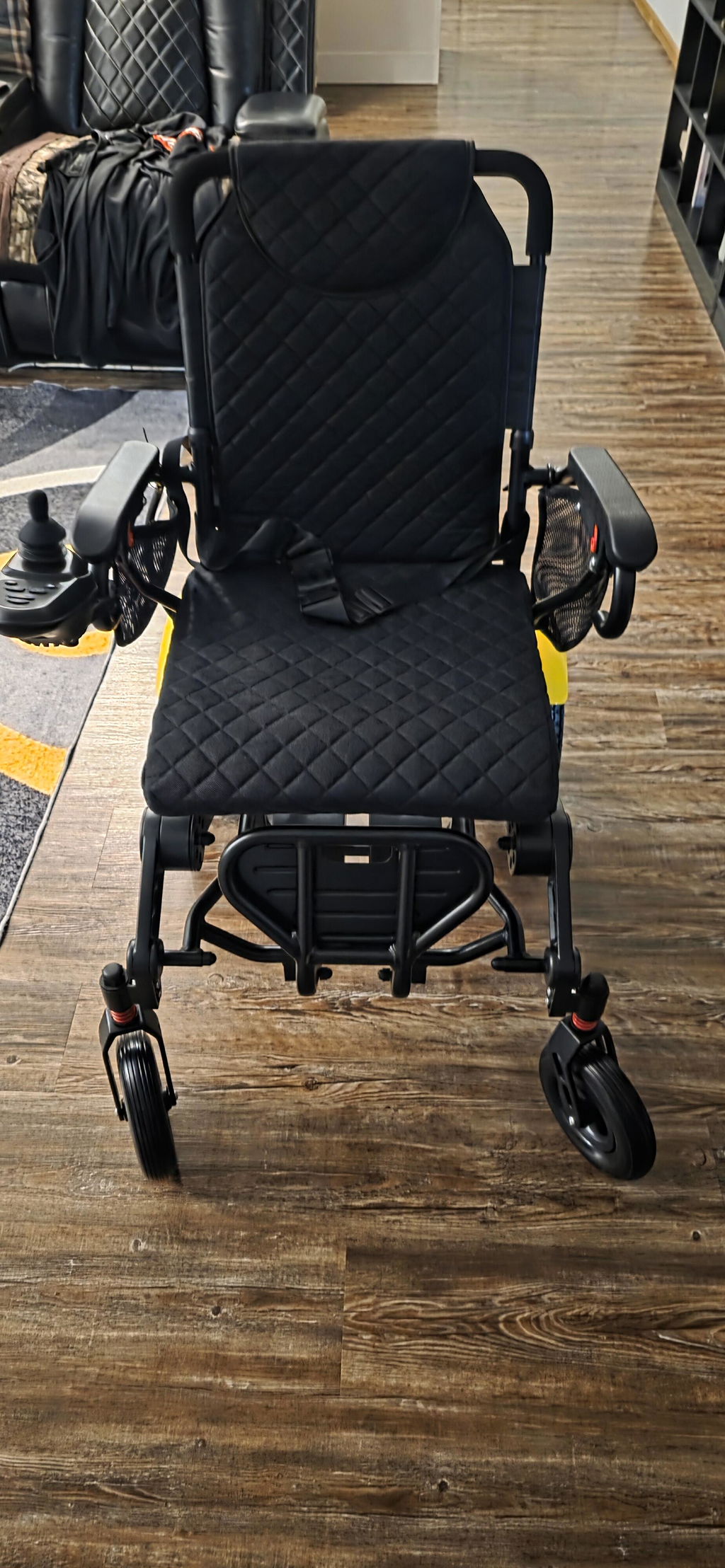
When selecting a mobility device for outdoor navigation, consider the KERDOM DX07 Ultra-Light Carbon Folding Electric Wheelchair. The DX07 is uniquely equipped for safe travel, featuring a bright front headlight to illuminate dark sidewalks and a reverse light to warn pedestrians behind you when you are backing up.
Frequently Asked Questions (FAQ)
Are electric wheelchairs allowed on the road without a license?
Because you are considered a pedestrian under the law, the answer to are electric wheelchairs allowed on the road without a license is that you do not need a driver's license, vehicle registration, or license plates to operate a power wheelchair.
What is the speed limit for an electric wheelchair on the sidewalk?
While there is no universal national speed limit, most local ordinances require mobility devices to operate at a safe pedestrian speed, typically around 3 to 4 mph.
Can I drive my electric wheelchair in a bike lane?
If a sidewalk is unavailable or impassable, using a designated bike lane is often the safest alternative, provided you travel in the correct direction and remain visible.
Are businesses allowed to ask me to leave my wheelchair outside?
No. Under the ADA, businesses must allow you to use your wheelchair inside their establishment, as it is a necessary mobility device.
What should I do if my neighborhood lacks curb ramps?
You should contact your local city or county government's ADA coordinator to request the installation of curb ramps, as required by federal law.
References
[1] Americans with Disabilities Act. "Mobility Devices." https://www.ada.gov/topics/mobility-devices/