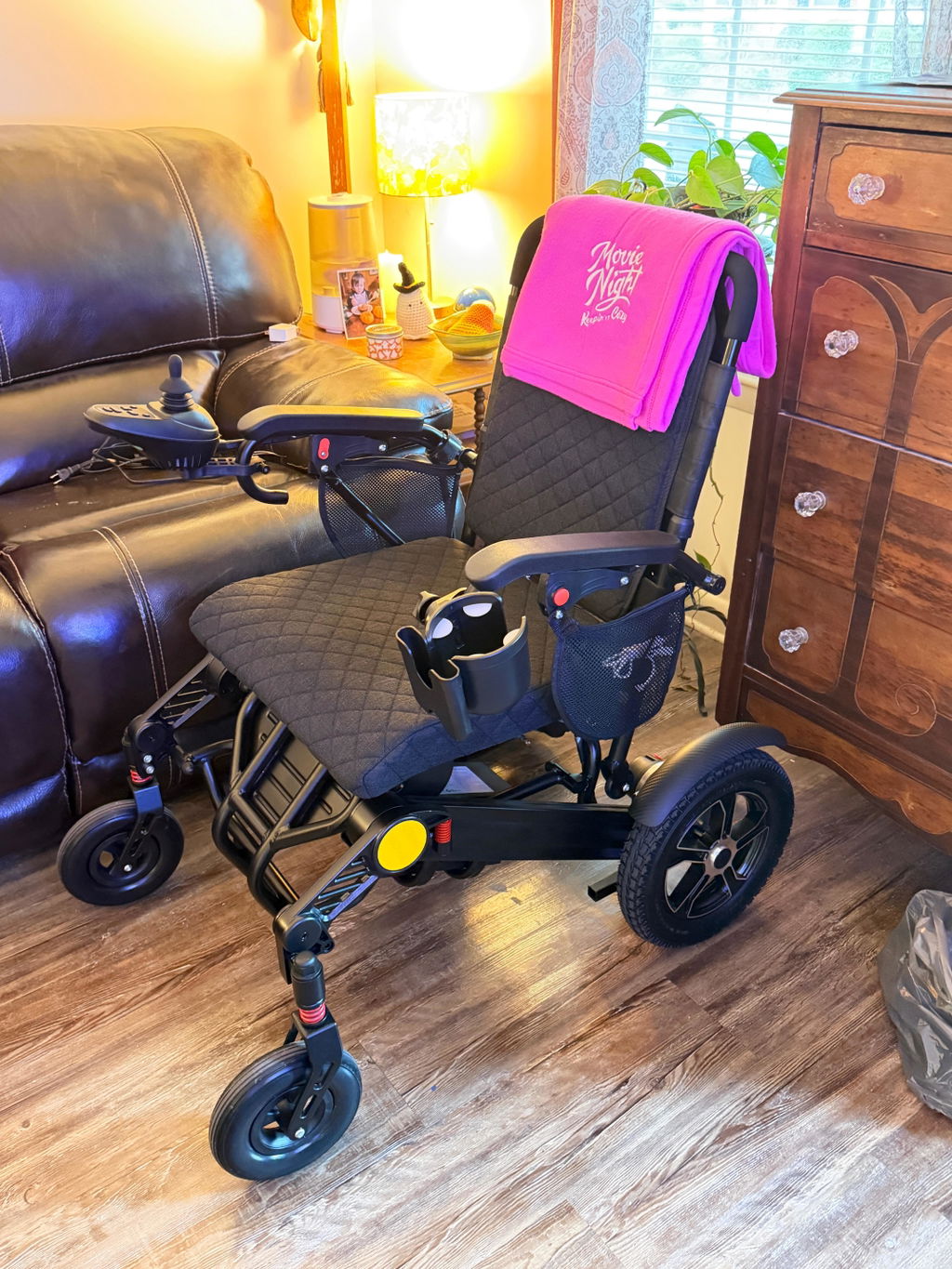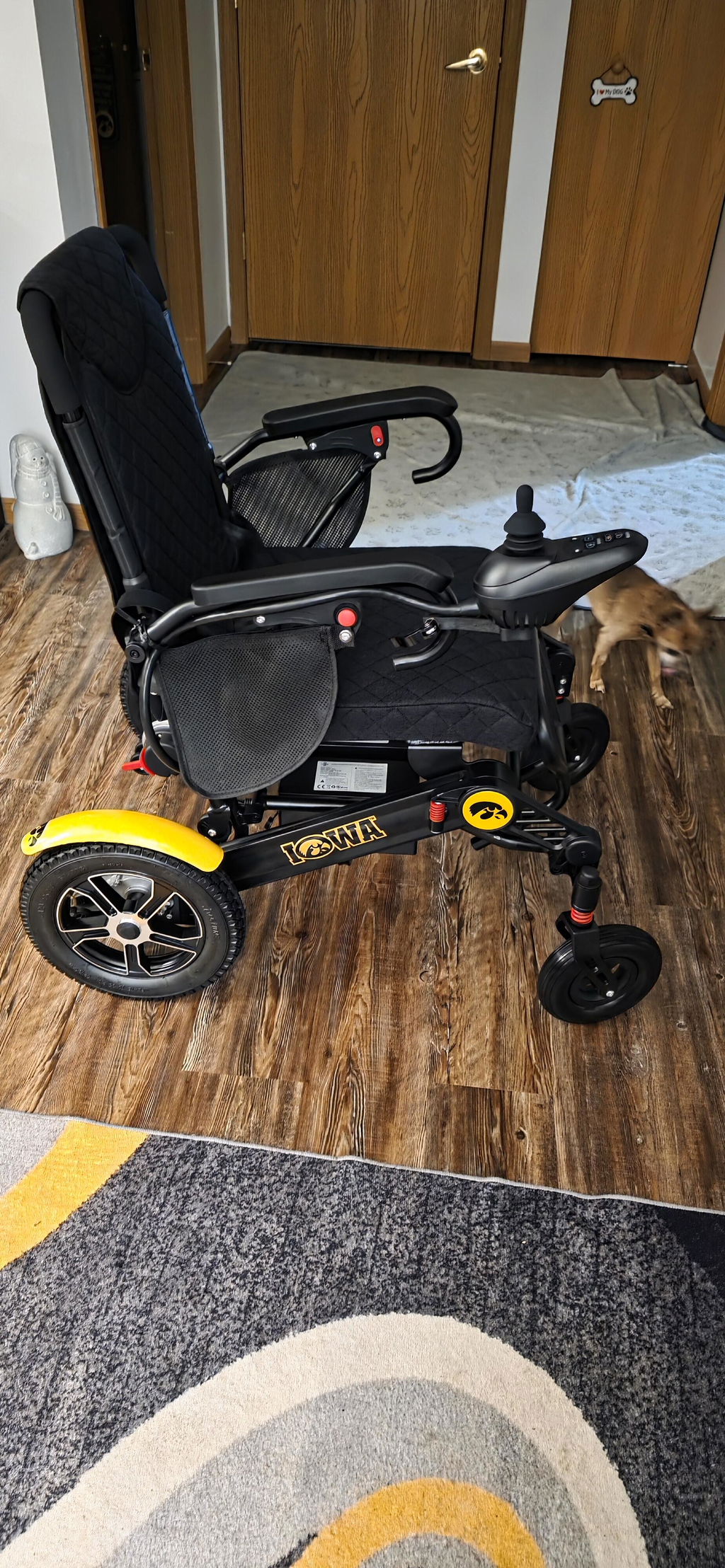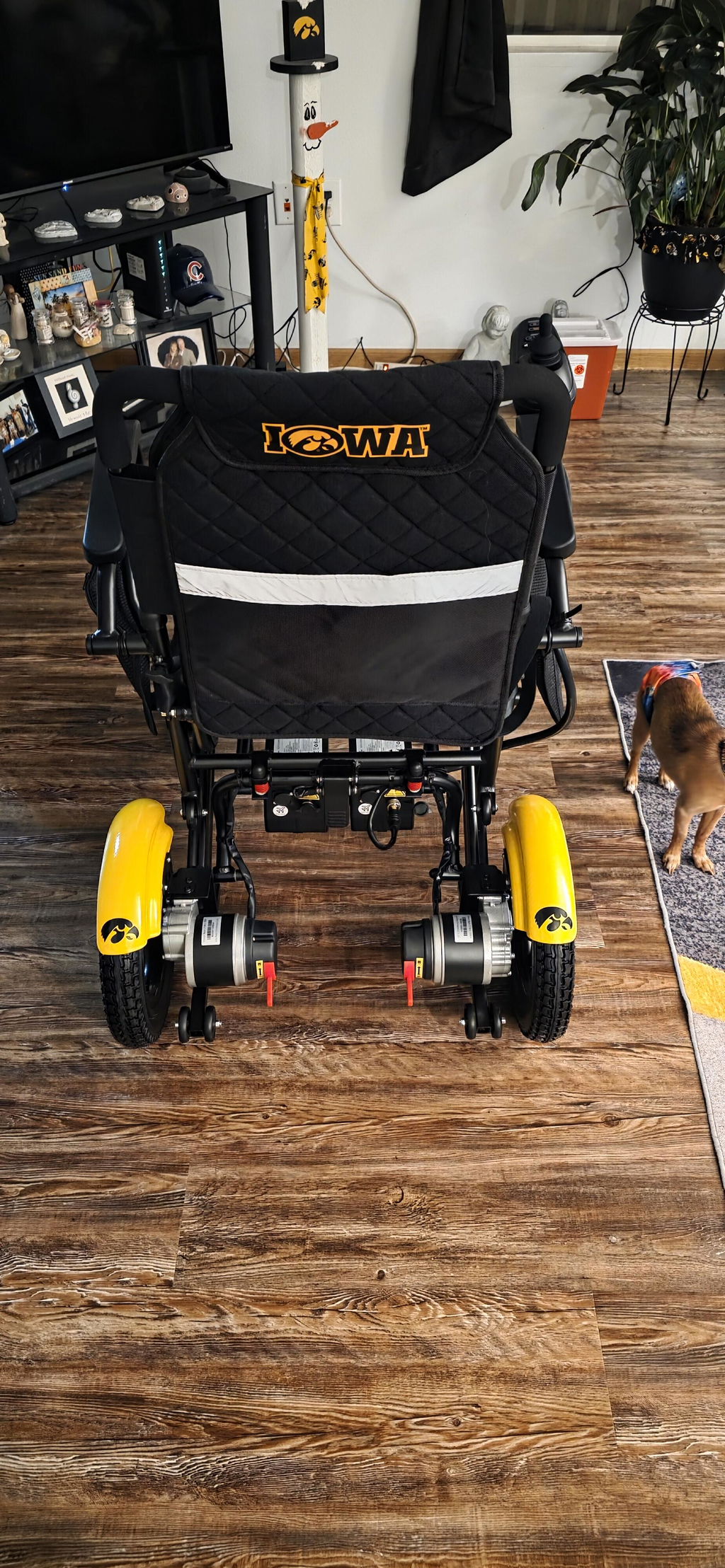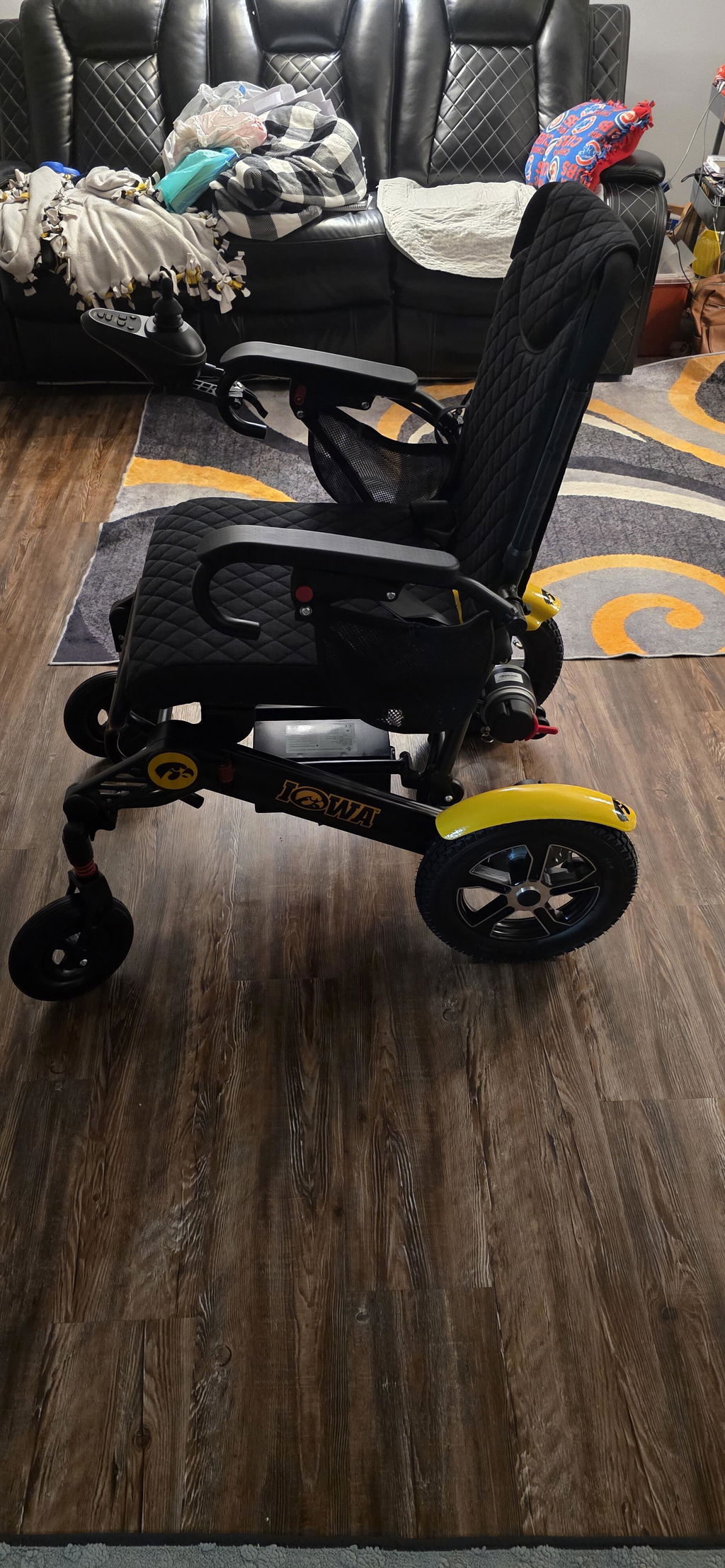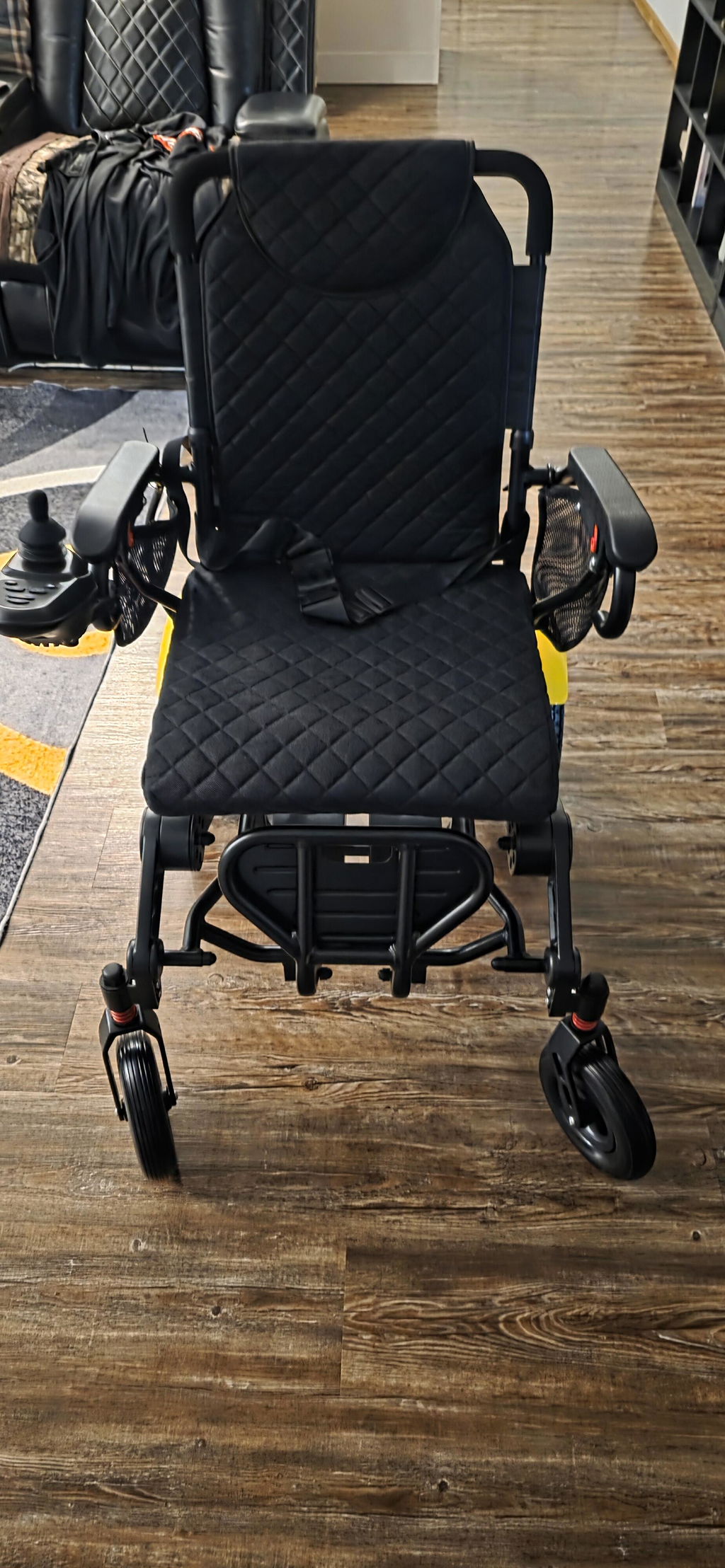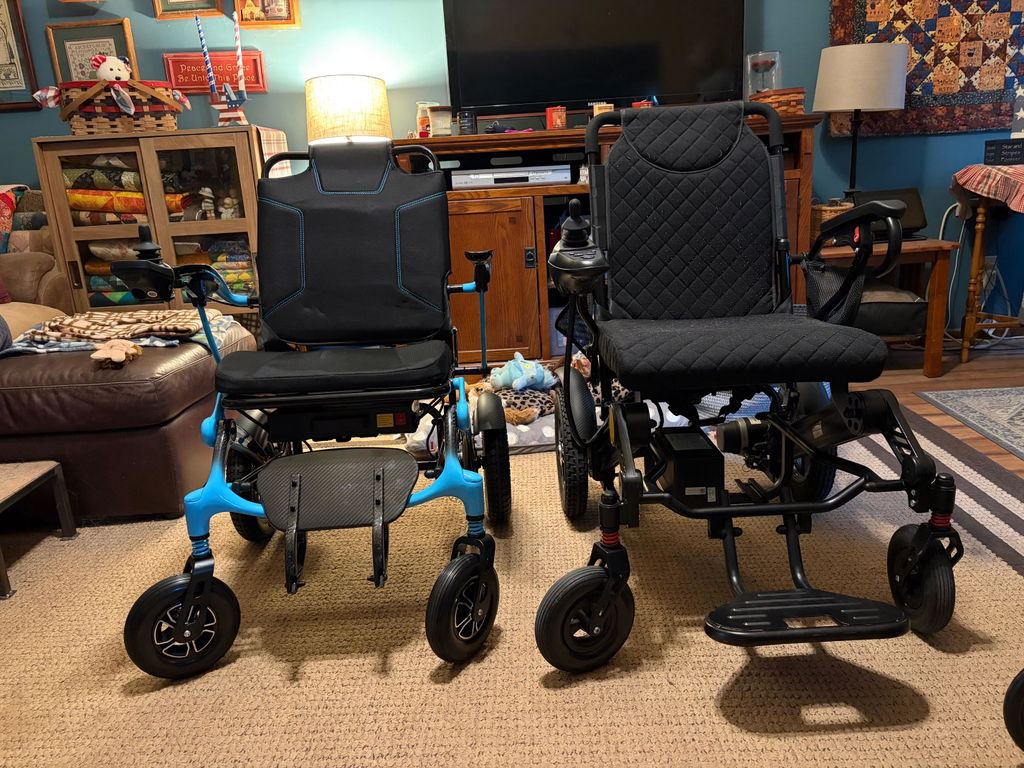

Welcome to our guide on the most common electric wheelchair mistakes to avoid. Transitioning to a power chair can be life-changing, but it comes with a learning curve. Many new users unknowingly damage their equipment or compromise their safety simply because they don't know what to look out for. In this guide, we will break down the common electric wheelchair mistakes to avoid, helping you get the most out of your new mobility device while staying safe.
Mistake 1: Ignoring Battery Maintenance and Charging Rules
One of the most frequent errors is improper battery care. Many users either overcharge their batteries by leaving them plugged in for days, or they let the battery drain completely to zero before recharging. Both habits severely degrade lithium-ion batteries.
How to avoid it: Charge your battery when it drops to around 20-30%. If you are storing the wheelchair for an extended period, charge the battery to about 50-60% and keep it in a cool, dry place. According to the Battery University, maintaining a partial charge during storage is crucial for lithium-ion health [1].
Mistake 2: Choosing the Wrong Chair for Your Environment
Buying an indoor-only chair for outdoor trails, or a massive heavy-duty chair for a tiny apartment, is a recipe for frustration.
How to avoid it: Assess your primary environment. If you need to navigate tight indoor spaces, prioritize a chair with a small turning radius. If you plan to tackle grass and gravel, you need an all-terrain model like the KERDOM DX05 All-Terrain Electric Wheelchair, which features 12-inch treaded rear tires specifically designed for outdoor use.
Mistake 3: Overlooking Seat Dimensions and Posture
Sitting in a chair that is too narrow or too wide can lead to severe back pain, pressure sores, and poor posture. This is a critical oversight to avoid for long-term health.
How to avoid it: Measure the user's hip width and add one to two inches for the ideal seat width. For example, the KERDOM DX07 Ultra-Light Carbon Folding Electric Wheelchair offers an adjustable seat width ranging from 20" to 23", accommodating a variety of body types and thick winter clothing.
Mistake 4: Failing to Practice in Safe Environments
Many new users immediately take their power chair into crowded grocery stores or busy streets before mastering the joystick controls, leading to collisions and anxiety.
How to avoid it: Spend your first few days practicing in an empty parking lot, a quiet park, or a spacious room in your house. Practice turning, reversing, and stopping abruptly until the joystick feels like an extension of your hand.
Mistake 5: Neglecting Regular Maintenance Checks
An electric wheelchair is a machine, and like a car, it requires regular check-ups. Ignoring loose bolts, worn tire treads, or strange motor noises can lead to breakdowns when you least expect them.
How to avoid it: Perform a monthly visual inspection. Check the tire pressure (if applicable), ensure the joystick cable is secure, and wipe down the frame with a damp cloth to prevent dirt buildup in the moving parts.
Frequently Asked Questions (FAQ)
Storage and Maintenance Questions
Can I leave my electric wheelchair outside? No. Exposure to rain, extreme heat, or freezing temperatures can permanently damage the battery and electronic components. Always store it indoors.
How often should I replace my wheelchair battery? With proper care, a high-quality lithium-ion battery should last 2 to 3 years (or about 1000 to 2000 charge cycles).
Usage and Safety Questions
Is it safe to drive a power wheelchair in the rain? Light drizzle is usually fine if the joystick is covered, but driving through heavy rain or deep puddles can short-circuit the motors.
Can I push an electric wheelchair manually if the battery dies? Yes, most models, including all KERDOM chairs, have a freewheel mode. You simply flip the red levers on the motors to disengage them, allowing a caregiver to push the chair manually.
What is the most important of the common electric wheelchair mistakes to avoid? Ignoring battery care is the most costly mistake, as replacement batteries are expensive. Always follow the manufacturer's charging guidelines.
By keeping these common electric wheelchair mistakes to avoid in mind, you can ensure a safer, more comfortable, and longer-lasting mobility experience. Reviewing these common electric wheelchair mistakes to avoid regularly will help you master your device.
References
[1] Battery University. "How to Prolong Lithium-based Batteries." https://batteryuniversity.com/article/bu-808-how-to-prolong-lithium-based-batteries