

How Electric Wheelchairs Support Caregivers and Families
When people think about electric wheelchairs, they often focus on the user. Independence. Mobility. Freedom. All true.
What is discussed less often is how electric wheelchairs transform the lives of caregivers and families. Mobility challenges affect more than one person. They influence household routines, emotional well-being, finances, time management, and physical health. When mobility improves, the entire family ecosystem stabilizes.
In this article, we explore how electric wheelchairs support caregivers physically, emotionally, and practically — and why choosing the right model can change daily life for everyone involved.
Mobility Challenges Are a Family Experience
When someone experiences limited mobility due to age, injury, surgery, or chronic illness, the impact ripples outward.
Caregivers often take on responsibilities such as:
- Assisting with transfers
- Pushing manual wheelchairs
- Supporting balance during standing or walking
- Managing outdoor errands
- Coordinating medical appointments
These responsibilities add physical strain and emotional pressure. Over time, repetitive lifting and pushing can lead to back injuries, fatigue, and burnout. The emotional weight can be even heavier — constantly worrying about falls, overexertion, or unpredictable mobility setbacks.
Electric wheelchairs shift that dynamic. They redistribute effort from caregiver to technology. And that shift changes everything.
1. Reducing Physical Strain on Caregivers
Manual wheelchairs require consistent pushing, especially outdoors or on uneven surfaces. For caregivers, this often means shoulder strain, lower back tension, and long-term joint wear.
Electric wheelchairs eliminate the need for constant propulsion. The user controls their own movement through a joystick system. Caregivers no longer have to:
- Push uphill or over thresholds
- Stabilize the chair on slopes
- Provide continuous physical force
This reduction in strain lowers injury risk and extends the caregiver’s physical capacity over time. When caregivers remain physically healthy, they can provide support more sustainably.
2. Improving Safety for the Entire Household
Falls are one of the greatest risks for individuals with mobility challenges. Every caregiver knows the anxiety that comes with watching a loved one attempt to stand or move unsupported.
Electric wheelchairs provide:
- Stable seated positioning
- Anti-tip wheels
- Electronic braking systems
- Controlled acceleration and deceleration
This stability reduces fall risk and decreases emergency incidents. Fewer falls mean fewer hospital visits, fewer setbacks, and less emotional stress for families.
Safety is not only about the user. It is about peace of mind for everyone.
3. Restoring Independence Without Isolation
Many caregivers struggle with a difficult balance: helping enough without making their loved one feel dependent.
Electric wheelchairs allow users to regain autonomy. They can:
- Navigate around the home independently
- Participate in social gatherings
- Move freely during family events
- Go outdoors without constant assistance
This independence reduces emotional tension within the family. The user feels capable. The caregiver feels less pressure. Relationships shift from task-based interaction to meaningful connection.
Independence strengthens dignity — and dignity strengthens families.
4. Supporting Recovery and Long-Term Healing
Mobility support is especially critical during medical recovery.
A Real Story: Partnership with Less Leg More Hear Through KERDOM’s partnership with the nonprofit organization Less Leg More Heart, adaptive equipment has reached individuals facing life-changing medical conditions.
At 47 years old, Mandi became a left below-the-knee amputee in May 2025. With a complex medical history, she continues to experience swelling and inconsistent healing of her residual limb. Daily mobility remains unpredictable and exhausting.
Through this partnership, Mandi received an electric wheelchair from KERDOM. The chair provides safer movement, stability, and protection while her body continues healing.
Stories like Mandi’s remind us why mobility solutions matter. Adaptive equipment can be the difference between physical strain and protected recovery — between isolation and continued participation in life.
For caregivers, the impact is profound. Instead of constantly stabilizing, lifting, or worrying about setbacks, they can focus on emotional support and encouragement. Technology handles the physical burden.
5. Saving Time in Daily Routines
Caregiving involves logistics. Transfers, repositioning, short walking attempts, transportation preparation — these steps add time to every activity.
Electric wheelchairs streamline daily routines:
- Faster transitions from bedroom to kitchen
- Easier transportation to appointments
- Reduced setup time for outings
- Simplified grocery trips or errands
When time pressure decreases, stress decreases. Families regain flexibility in their schedules. Activities feel possible again instead of exhausting.
6. Supporting Emotional Health
Caregiver burnout is real. Emotional fatigue builds when every outing requires planning, lifting, and worry.
Electric wheelchairs reduce:
- Constant supervision needs
- Anxiety about falls
- Physical exhaustion
- Guilt associated with limited activity
When caregivers feel supported, their emotional resilience improves.
At the same time, users regain confidence. They are no longer waiting for assistance. They move when they choose. That psychological shift improves self-esteem and reduces feelings of dependency.
Mobility devices are not just mechanical tools. They are emotional stabilizers.
7. Encouraging Social Connection
Isolation often begins subtly. Fewer outings. Shorter visits. Avoiding events because mobility feels overwhelming.
Electric wheelchairs reopen social doors:
- Family gatherings
- Holiday celebrations
- Church or community events
- Outdoor parks and festivals
Caregivers no longer have to calculate whether they can physically manage the outing. With the right wheelchair, participation becomes realistic again.
Connection protects mental health. And families thrive when connection remains strong.
8. Long-Term Financial Perspective
While electric wheelchairs require investment, they can reduce indirect costs over time:
- Fewer injury-related medical visits
- Reduced caregiver physical therapy needs
- Decreased emergency incidents from falls
- More sustainable home care instead of assisted living transition
When mobility improves, families often extend independent living arrangements. That stability protects both emotional and financial resources.
Choosing the Right Electric Wheelchair for Caregiver Support
Not every electric wheelchair provides the same level of benefit for families. The right features matter.
Key Considerations
Ease of Control
Intuitive joystick systems reduce learning time and increase user confidence.
Stable Frame & Safety Features
Anti-tip wheels and reliable brakes are essential for home and outdoor use.
Battery Range
Reliable range reduces planning stress during appointments or outings.
Weight & Foldability
Foldable designs support transport and storage, especially for families with limited space.
Comfort for Long Use
Padded seating and ergonomic backrests protect the user’s body and reduce pressure injuries.
How KERDOM Models Fit Caregiver Needs
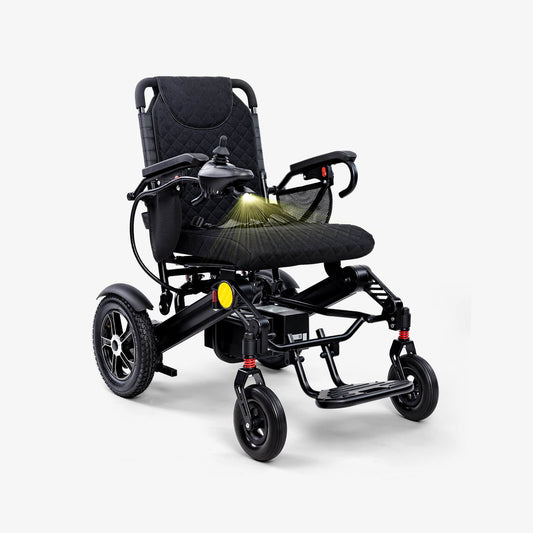
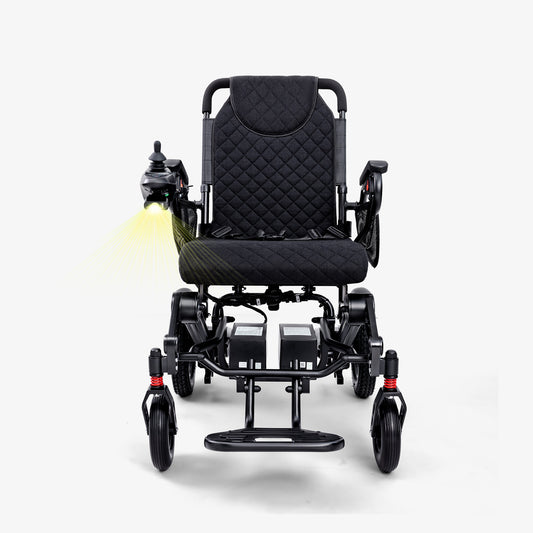
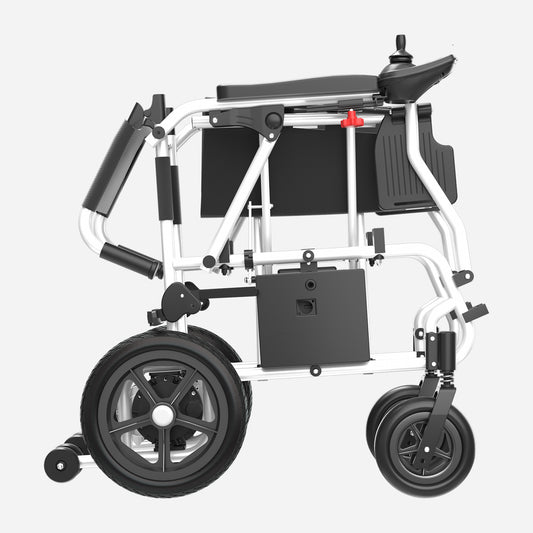
KERDOM electric wheelchairs are designed with both users and caregivers in mind.
Features across models may include:
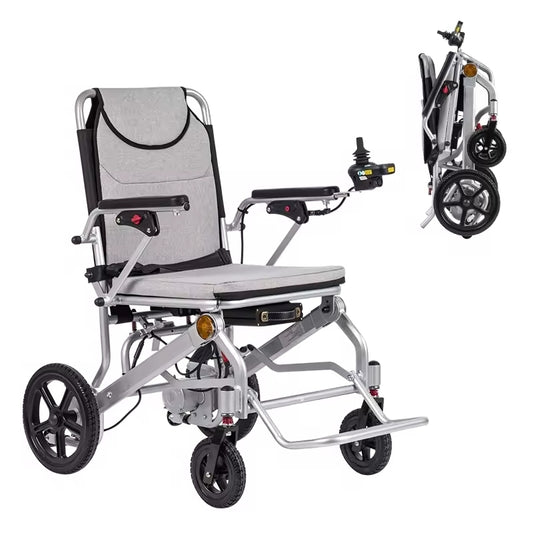
- Foldable frames for easier transport
- Airline-approved batteries for travel
- Lightweight carbon fiber options for easier lifting
- All-terrain models for outdoor stability
- Dual battery options for extended range
- Safety-focused braking systems
When selecting a model, families should consider daily environment, physical strength of caregivers, recovery status of the user, and long-term mobility goals.
The best wheelchair is not simply the most powerful or the lightest. It is the one that fits the family system.
Electric Wheelchairs as a Shared Investment
Mobility decisions should never be framed as a burden. They are investments in stability, safety, and connection.
Caregiving becomes more sustainable when:
- Physical strain decreases
- Risk decreases
- Time pressure decreases
- Emotional exhaustion decreases
Electric wheelchairs redistribute effort. They empower users and protect caregivers at the same time.
Final Thoughts: Supporting the Whole Family
Mobility support is not just about movement. It is about protecting relationships, preserving dignity, and creating space for healing.
For caregivers, electric wheelchairs reduce physical strain and emotional anxiety. For users, they restore independence and confidence. For families, they create a more balanced, less stressful daily rhythm.
Stories like Mandi’s show what is possible when the right equipment reaches the right person at the right time. Mobility can be the difference between limitation and participation — between exhaustion and stability.
When families choose the right electric wheelchairs, they are not simply buying a device. They are building a stronger foundation for everyday life.


No comments


0 comments